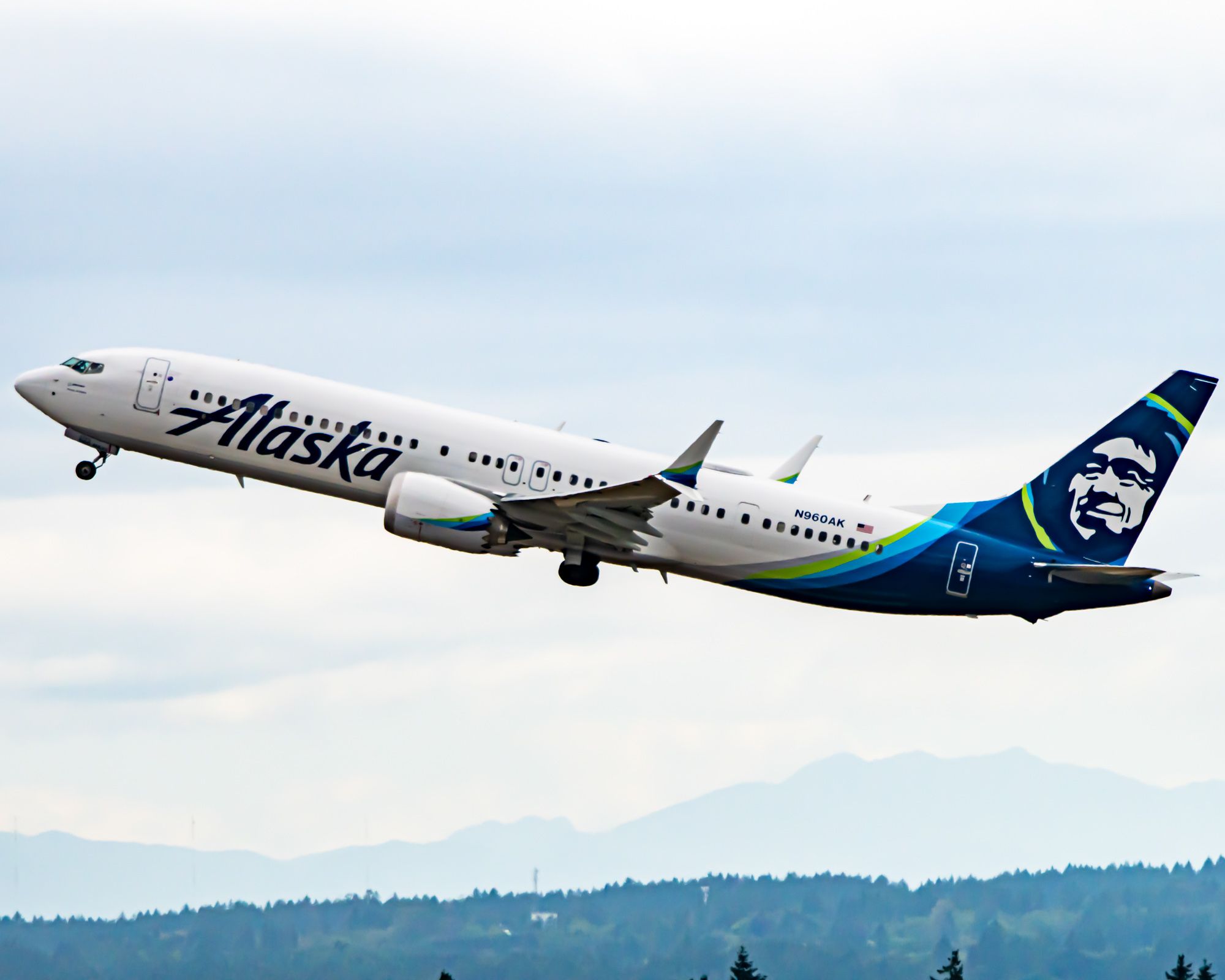
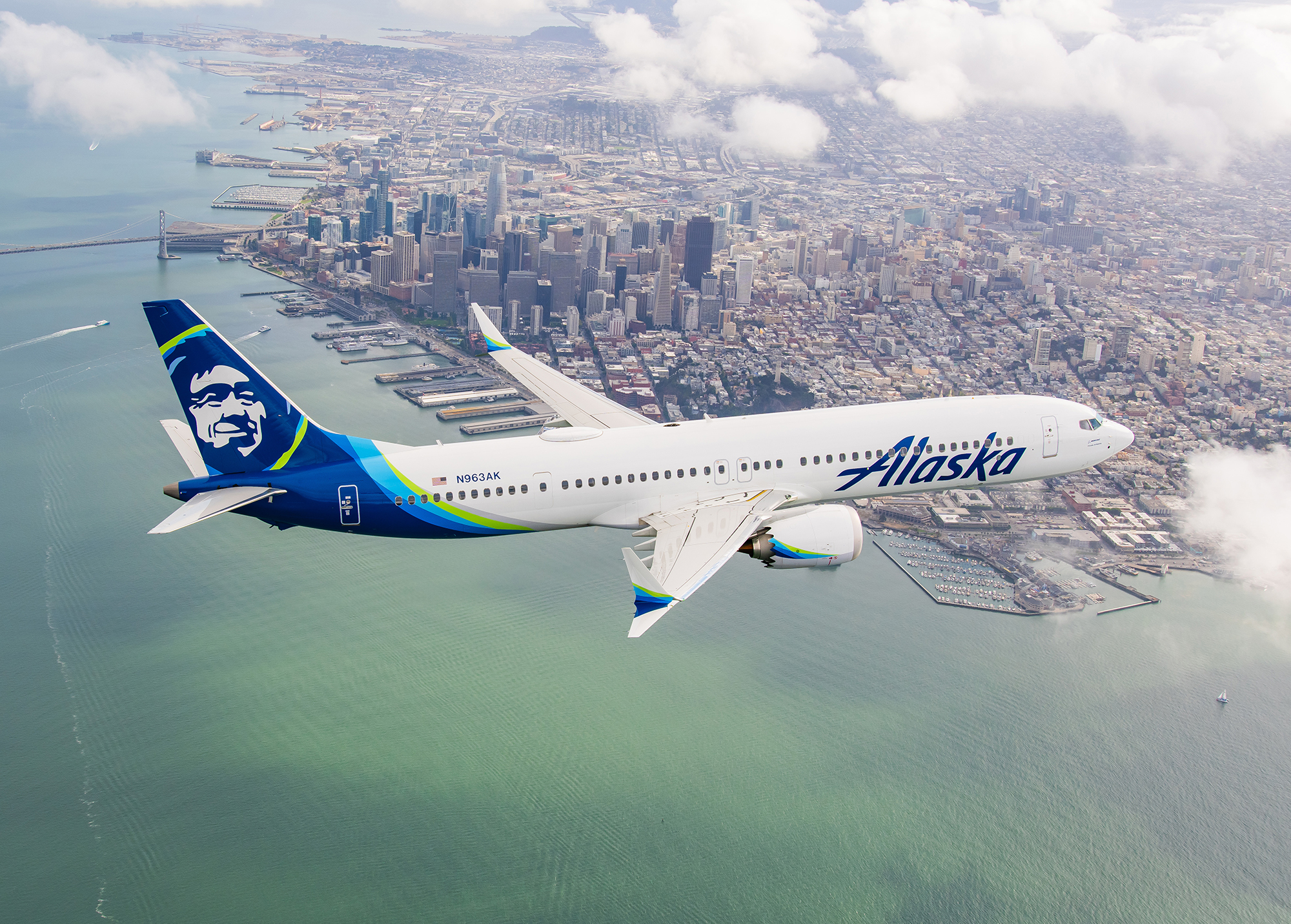
Alaska Airlines operates extended-range twin-engine operations (ETOPS) with its Boeing 737-9 MAX fleet, enabling direct overwater flights between the US West Coast and Hawaii by meeting stringent Federal Aviation Administration safety, performance, and redundancy standards.
The integration of the Boeing 737-9 MAX into long-overwater operational networks represents a significant evolution in modern commercial fleet management. For carriers like Alaska Airlines, maximizing the utility of a narrowbody aircraft on oceanic routes requires navigating rigorous regulatory frameworks. Extended-range twin-engine operational performance rules dictate how commercial airlines cross large expanses of water without a diversion airport nearby. Understanding the mechanics of these regulations, the technical capabilities of the aircraft, and the specific compliance measures undertaken by the airline reveals how modern aviation balances efficiency with uncompromising passenger safety.
Understanding Extended-Range Operations in Commercial Aviation
Extended-range twin-engine operational performance standards, universally known as ETOPS, originally stood for "Extended Twin-engine Operations" before being broadened to encompass all twin-turbine airplanes operating routes where an en-route diversion airport is more than a specific time threshold away. For narrowbody aircraft like the Boeing 737 MAX series, these rules govern how far an airliner can fly from a suitable emergency landing site in single-engine cruise conditions.
Historically, twin-engine aircraft were restricted by the "60-minute rule" established by regulatory bodies like the Federal Aviation Administration (FAA). This rule prohibited twin-jets from flying routes that taking them more than one hour away from an adequate diversion airfield. As engine reliability improved dramatically through the late 20th century, these restrictions eased. Modern turbofans achieve in-flight shutdown rates so low that regulators permit operations extending well beyond historical limits, unlocking direct transoceanic corridors that were once the exclusive domain of widebody quad-jets or large twins like the Boeing 777.
For an airline connecting the United States mainland to island destinations such as Hawaii, ETOPS certification is a mandatory operational prerequisite. Without authorized time thresholds—such as 120-minute, 180-minute, or higher approvals—flights must take longer, less direct paths to remain within the legally mandated distance of emergency airfields. Securing and maintaining these clearances requires deep coordination between flight operations, engineering, crew training, and maintenance scheduling.
The Technical Profile of the Boeing 737-9 MAX
The Boeing 737-9 MAX is a stretched variant of the 737 MAX family, powered by two CFM International LEAP-1B high-bypass turbofan engines. Delivering advanced aerodynamics, including distinctive Advanced Technology winglets, the aircraft achieves substantial fuel burn reductions and lower carbon emissions compared to previous generation 737 Next-Generation models. However, meeting ETOPS requirements demands more than fuel efficiency; it requires absolute mechanical redundancy and systems reliability.
To qualify for extended operations, the aircraft must demonstrate that its critical systems—including electrical generation, hydraulic power, fuel management, flight controls, and environmental control systems—can sustain prolonged single-engine flight following the failure of the primary power plant. The CFM LEAP-1B engines incorporate advanced core architectures, ceramic matrix composites, and digital engine controls designed to mitigate thermal stress and maintain thrust stability over hours of continuous operation.
| System Category | Boeing 737-9 MAX Redundancy Feature | ETOPS Operational Impact |
|---|---|---|
| Powerplants | Dual CFM LEAP-1B high-bypass turbofans | Delivers sustained single-engine thrust for the duration of the approved diversion time. |
| Electrical Generation | Integrated drive generators and auxiliary power unit (APU) | Ensures continuous cockpit avionics and flight-critical system power during engine-out scenarios. |
| Fuel Crossfeed | Automated and manual manifold crossfeed valves | Manages fuel distribution precisely to maintain aircraft balance and extend range during diversions. |
| Communications | Dual HF/VHF radios, satellite data links, and ACARS | Maintains uninterrupted contact with dispatch centers and air traffic control across oceanic tracks. |
Furthermore, the auxiliary power unit (APU) on an ETOPS-certified 737-9 MAX serves as a critical backstop. It must be capable of being started and operated at high altitudes to provide electrical and pneumatic backup if a main generator or bleed-air source fails mid-flight. Maintenance programs for these aircraft require dedicated oversight, ensuring that every component influencing extended operations undergoes rigorous tracking and preventative servicing.
Regulatory Framework and FAA Compliance Standards
Securing ETOPS approval is a multi-step regulatory journey governed by the FAA through advisory circulars such as AC 120-42. Before an operator can launch extended-range revenue flights with a specific aircraft and engine combination, they must prove their operational readiness through rigorous validation processes.
The regulatory process evaluates two distinct domains: aircraft design approval and operational approval. Design approval is primarily the responsibility of the airframe and engine manufacturers—Boeing and CFM International—who must demonstrate that the 737-9 MAX meets specific safety benchmarks regarding engine reliability and system failure rates. Operational approval, conversely, falls squarely on the airline. Alaska Airlines must establish dedicated manuals, dispatch procedures, and maintenance tracking systems that satisfy FAA inspectors.
Key regulatory compliance requirements include:
- Engine Reliability Data: Accumulating a specified number of flight hours with the engine model to establish a statistically proven in-range reliability rate.
- Maintenance Programs: Implementing specialized ETOPS maintenance procedures, including independent inspections where two different technicians must sign off on critical maintenance tasks to prevent common-cause human errors.
- Flight Dispatch Procedures: Utilizing specialized flight planning software that tracks wind patterns, single-engine drift-down altitudes, and real-time weather status at designated en-route diversion airfields.
These safeguards ensure that if an emergency arises thousands of feet above the Pacific Ocean, both the aircraft and the flight crew possess the mechanical margin and procedural guidance to execute a safe diversion.
Operational Execution: Flying Transoceanic Routes
Operating an ETOPS flight requires synchronized coordination between flight crews, flight dispatchers, and line maintenance personnel. Before pushback, dispatchers analyze weather conditions across the entire oceanic route, including designated Equal-Time Points (ETPs) and En-Route Alternate (ERA) airports. These alternates must meet specific ceiling, visibility, and crosswind limitations at the estimated time of arrival.
In the flight deck, pilots utilize advanced flight management computers to continuously monitor the critical fuel scenario known as the "critical fuel reserve" or the fuel required to fly from the ETP to the diversion airport on one engine while accounting for potential decompression scenarios. The flight management system constantly recalculates the aircraft's radius of operation, ensuring the aircraft never exceeds its certified time limit from a safe harbor.
In-flight monitoring extends beyond fuel and engines. Crews perform systematic status checks of all ETOPS-critical systems at regular intervals during the cruise phase. If a non-critical system fails prior to entering the ETOPS entry point, dispatchers and pilots must evaluate whether to continue or divert under established dispatch reliability rules. This disciplined operational tempo reduces in-flight surprises and maintains an exemplary safety record across challenging geographic corridors.
Fleet Integration and Maintenance Protocols at Alaska Airlines
Integrating ETOPS protocols into an airline's daily workflow requires specialized training across multiple departments. Pilots assigned to the Boeing 737-9 MAX fleet undergo recurrent simulator training focused specifically on engine-out scenarios at high altitudes, single-engine fuel balancing, and diversion decision-making under high-workload conditions. Dispatchers complete parallel certification modules, mastering oceanic plotting, weather minimum tracking, and diversion routing.
Maintenance execution represents the backbone of ETOPS reliability. Mechanics working on ETOPS-designated airframes follow strict configuration control documents. If a part is replaced, it must match exact engineering specifications, and authorized parts pools are audited regularly.
- Scheduled Maintenance
- Independent Inspection Sign-Off
- ETOPS Log Verification
- Return to Transoceanic Service
This strict workflow minimizes the risk of human error or incorrect part installation, which historically accounted for a significant portion of preventable in-flight mechanical issues. By maintaining a localized culture of accountability and precision, engineering teams protect the mechanical integrity required for extended-range flight profiles.
Frequently Asked Questions
What does ETOPS stand for in modern aviation?
ETOPS historically stood for "Extended Range Twin-Engine Operational Performance Standards." Today, the International Civil Aviation Organization and the FAA officially define it as "Extended Diversion Time Operations," broadening the scope to encompass twin-engine aircraft flying routes far from suitable diversion airports.
How many minutes of ETOPS approval do 737 MAX aircraft typically utilize?
Most narrowbody twin-engine aircraft operating transoceanic routes, such as those connecting the US West Coast to Hawaii, operate under 180-minute ETOPS approvals. This allows carriers to fly paths that keep the aircraft within three hours of a suitable diversion airfield at single-engine cruise speed.
Can any Boeing 737-9 MAX fly transoceanic routes?
No. An aircraft must be specifically configured, maintained, and operated under approved ETOPS maintenance and dispatch guidelines. The airline must hold explicit FAA authorization for that specific airframe and engine combination before scheduling it on extended overwater routes.
What happens if an engine fails during an ETOPS flight?
If an engine fails, the flight crew follows established emergency checklists and single-engine drift-down profiles. The aircraft transitions to single-engine cruise, and the crew navigates toward the pre-planned En-Route Alternate airport identified during pre-flight dispatch planning, maintaining communication with air traffic control and airline dispatchers throughout the diversion.
How do maintenance teams prevent common-cause errors on ETOPS flights?
Airlines enforce "dual-signature" or independent inspection protocols. When a critical system—such as an engine fuel line or hydraulic component—is serviced, two separate certified technicians must independently inspect and sign off on the work before the aircraft is cleared for service.
Strategic Route Planning and Future Outlook
The deployment of extended-range narrowbody aircraft on oceanic routes has fundamentally transformed airline network planning. By utilizing planes like the Boeing 737-9 MAX on long-haul routes previously served exclusively by widebody aircraft, carriers achieve optimal seat-mile costs and schedule flexibility. Looking forward, continued advancements in turbofan reliability, predictive maintenance analytics, and satellite-based communication networks will further streamline extended operations, ensuring that narrowbody transoceanic travel remains efficient, reliable, and exceptionally safe.