Understanding an Alaska bear attack requires balancing respect for apex predators with rigorous safety protocols, as encounters in remote wilderness environments depend heavily on species behavior, situational awareness, and proactive deterrence rather than reactive defense.
Alaska is home to an estimated 30,000 grizzly (brown) bears, 100,000 black bears, and a significant population of polar bears along northern and western coastal regions. While human-bear conflicts are statistically rare given the millions of visitors and residents who recreate in the Last Frontier each year, the physical and psychological aftermath of an encounter demands deep preparation. Mitigating risk involves understanding the ecological triggers of bear aggression, mastering non-lethal deterrents such as EPA-approved bear spray, and knowing how to respond during a predatory, defensive, or startled interaction. When incidents do occur, navigating the post-attack environment requires immediate medical triage, wildlife reporting protocols, and trauma-informed recovery.
Ecological Context and Species Distribution Across Alaska
To understand the mechanics of a potential bear attack, one must first recognize the geographic distribution and behavioral traits of Alaska's three bear species: the brown bear (Ursus arctos), the American black bear (Ursus americanus), and the polar bear (Ursus maritimus). Each species occupies distinct niches, influencing where and how conflicts manifest.
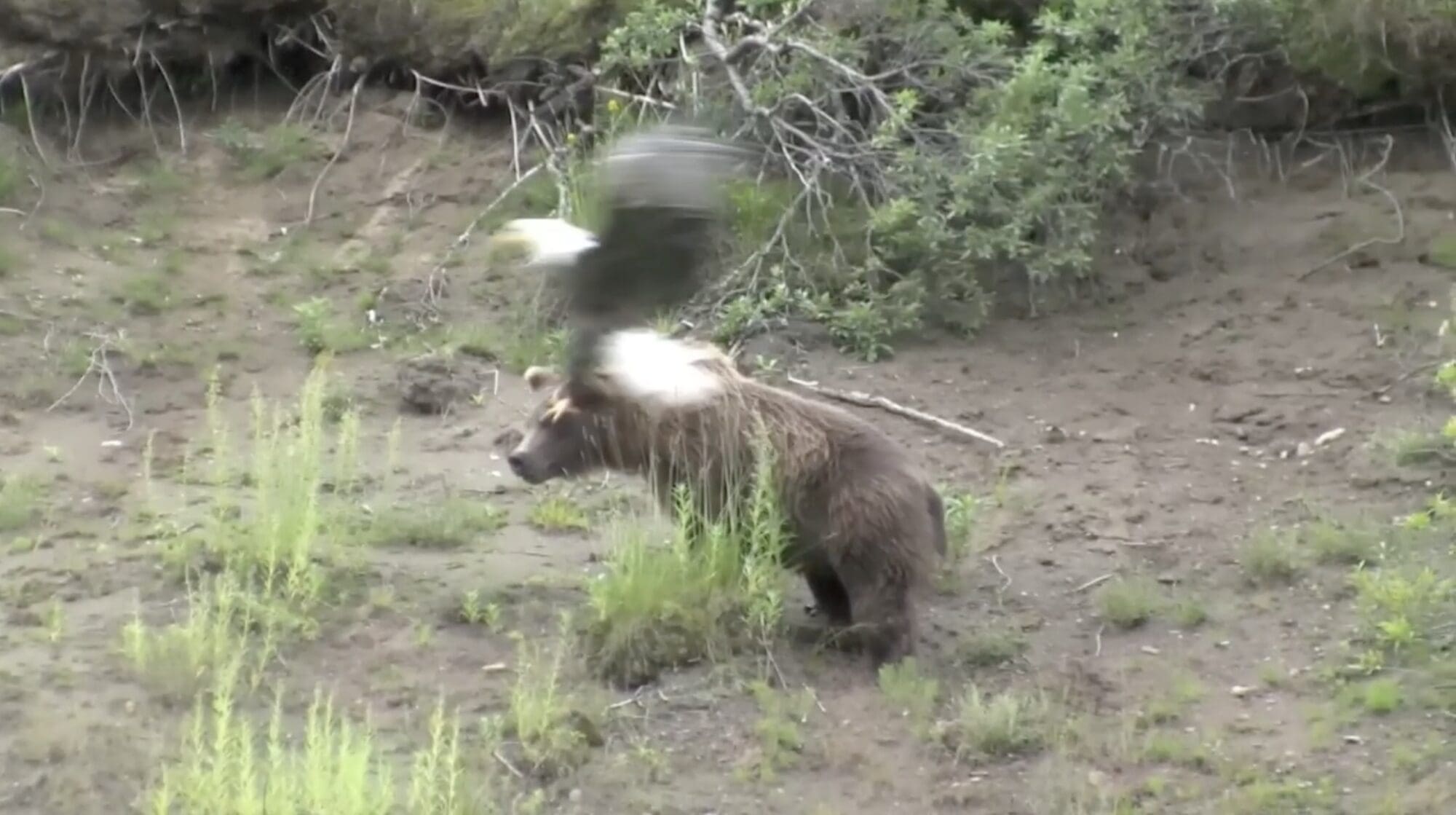
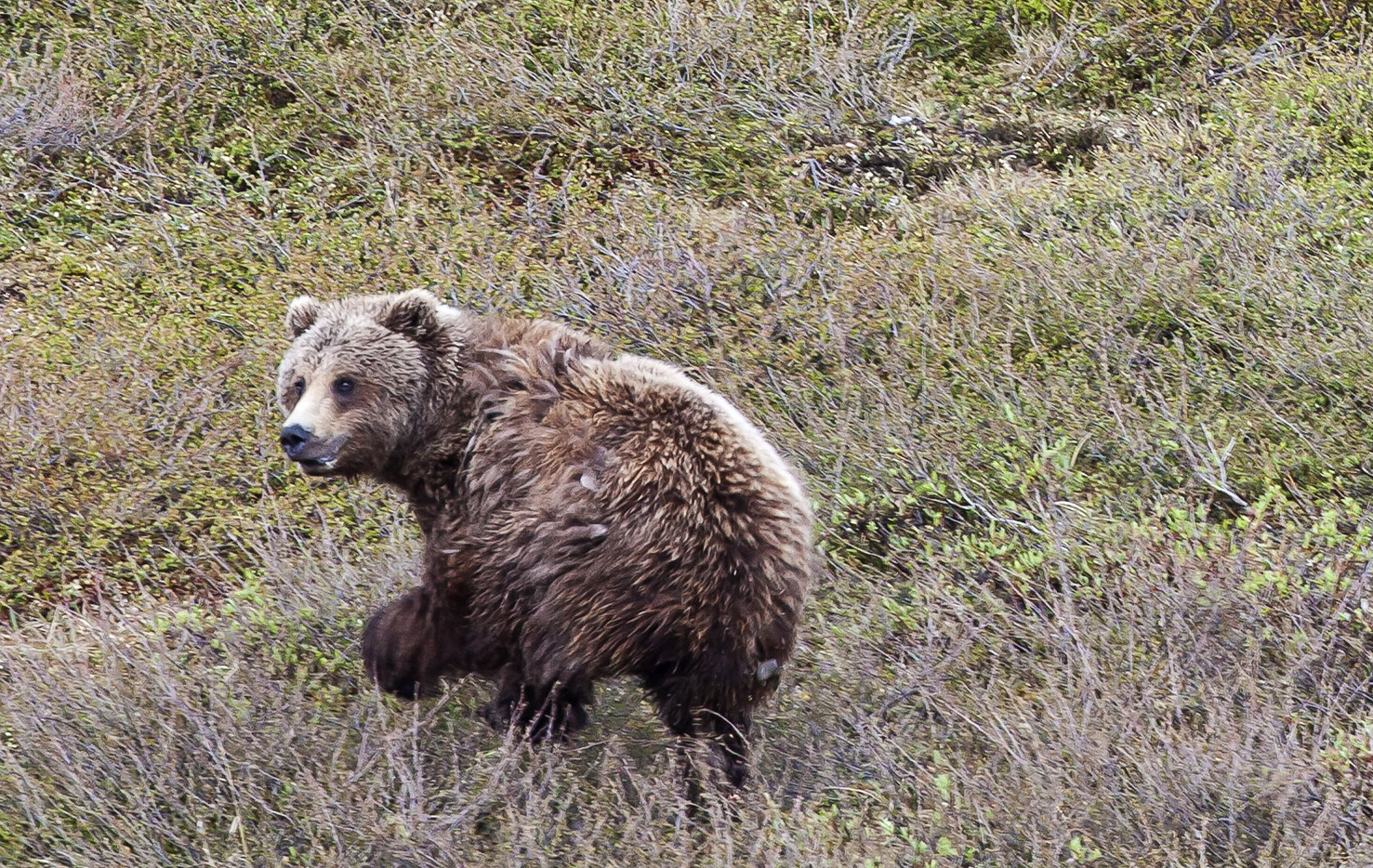
Brown bears, commonly referred to as grizzlies in the interior and mainland, thrive across diverse landscapes ranging from coastal estuaries rich in salmon to alpine tundra. They are generally larger, possess a prominent shoulder hump, and exhibit higher territorial and defensive instincts, particularly regarding dependent cubs or food sources such as salmon streams and berry patches.
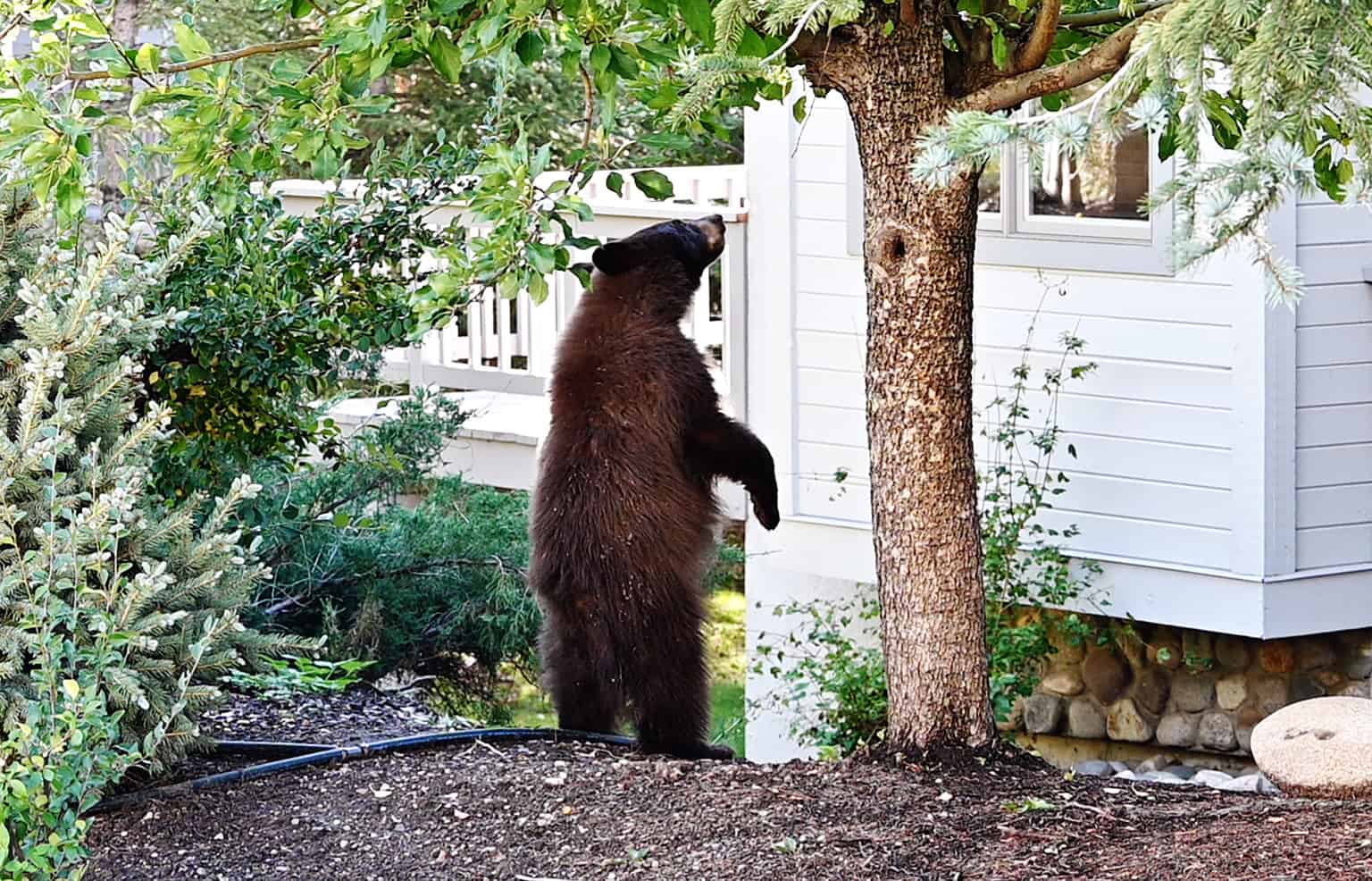
Black bears are smaller, lack the shoulder hump, possess straight facial profiles, and are remarkably adept climbers. While historically associated with forested regions, black bears overlap significantly with brown bears in many parts of Southcentral and Southeast Alaska. They are opportunistic omnivores whose attacks, though statistically less frequent than brown bear encounters, more often stem from predatory intent rather than defensive posturing.
Polar bears inhabit the sea ice and coastal margins of northern and western Alaska, such as around Barrow and Kaktovik. These marine mammals are powerful, food-motivated predators with minimal fear of humans. Because polar bears live in environments with scarce food resources, almost any encounter carries a higher baseline predatory risk, making travel in these regions uniquely hazardous and demanding specialized safety measures such as perimeter alarms and firearm carriage by trained professionals.
Identifying Risk Factors and Behavioral Triggers
Most bear attacks are not random acts of aggression; they are the result of specific behavioral triggers, environmental contexts, and human activities that inadvertently provoke a defensive or predatory response. Recognizing these triggers is the most effective layer of personal protection.
Surprise encounters are among the primary catalysts for defensive maulings by brown bears. When a hiker, angler, or hunter startles a bear at close range—often due to rushing along a trail, moving downwind, or navigating noisy rushing water that masks human sound—the bear's instantaneous instinct is to neutralize a perceived threat. This frequently triggers a defensive charge, which may manifest as a sudden lunge or a bluff charge intended to stop the intruder.
Food and garbage conditioning also drastically elevate risk. Bears that obtain human food, camp scraps, or unsecured trash lose their natural warlessness and begin associating humans with high-calorie rewards. This food-conditioned behavior often leads to habituation, where bears lose their natural flight response and linger near campsites, trails, and residential cabins, drastically increasing the probability of close-range conflicts.
| Bear Species | Primary Physical Indicators | Common Behavioral Motivators | Recommended Immediate Response |
|---|---|---|---|
| Brown / Grizzly Bear | Prominent shoulder hump, dished facial profile, rounded ears. | Defending cubs, guarding food sources (salmon/berries), surprise encounters. | Stand ground, use bear spray if charged, play dead only if physical contact occurs in a defensive attack. |
| American Black Bear | Straight facial profile, taller ears, no shoulder hump, claws curved for climbing. | Food acquisition, predatory stalking, surprise encounters. | Stand ground, make loud noises, look large, prepare to fight back actively if attacked; never play dead. |
| Polar Bear | Long slender neck, white-to-yellowish fur, highly adapted for marine environments. | Active predation, extreme hunger, curiosity in food-scarce habitats. | Do not run, gather in tight groups, deploy bear spray, utilize heavy-caliber deterrent firearms as a last resort. |
Proactive Safety Measures and Deterrent Deployment
Preventing an attack begins long before stepping into the field. Wilderness travelers in Alaska must adhere to strict sanitation and deterrent protocols established by land management agencies such as the Alaska Department of Fish and Game (ADF&G) and the U.S. National Park Service.
Managing attractants is the foundational rule of bear safety. All food, garbage, and scented items—including toothpaste, sunscreen, and pet food—must be secured in certified bear-resistant containers or hung at least 10 feet high and 4 feet out from a tree trunk when camping in backcountry settings without permanent lockers. Odor discipline must be maintained meticulously around cooking and sleeping areas.
Carrying and knowing how to rapidly deploy EPA-registered bear spray is universally recommended by wildlife biologists. Bear spray is a concentrated capsaicin deterrent housed in pressurized canisters designed to project a dense cloud 30 to 40 feet. It must be worn in an easily accessible chest or hip holster rather than buried inside a backpack. Travelers should also make continuous vocal noises—such as clapping, calling out, or talking—while walking through dense brush or near loud streams to avoid surprising resting or feeding bears.
Tactical Response During an Active Bear Encounter
When an encounter occurs, remaining calm and correctly interpreting the bear's body language dictates survival. A relaxed bear may graze, ignore humans, or move away. A stressed or defensive bear will pop its jaws, huff, swat the ground, or lower its head with ears laid back.
If a brown bear charges, running is catastrophic, as bears can accelerate up to 35 miles per hour—far faster than any human. Instead, stand your ground. If the brown bear makes physical contact during a defensive attack (such as a surprise encounter), dropping to the stomach, interlocking fingers behind the neck, and spreading legs to make rolling difficult is standard protocol. The goal is to signal that you are not a threat, prompting the bear to cease its attack once the perceived danger passes.
Conversely, if a black bear attacks or if a brown bear exhibits predatory stalking behavior—characterized by ears held erect, following silently, and continuous circling—playing dead is entirely ineffective. In predatory or black bear scenarios, you must fight back aggressively with any available tool, focusing blows on the bear’s sensitive muzzle, eyes, and nose to convince the animal that the prey is too dangerous to consume.
Immediate Medical Triage and Emergency Evacuation
Surviving a bear attack transitions immediately into a high-stakes medical and logistical crisis. Remote Alaskan wilderness often lacks cellular coverage, making the carriage of satellite communication devices—such as satellite messengers or personal locator beacons (PLBs)—an essential lifeline.
The primary immediate threat following a mauling is exsanguination from severe lacerations, crush injuries, or arterial bleeding. Rescuers or surviving partners must rapidly apply tourniquets to compromised limbs, pack deep wounds with hemostatic gauze, and maintain airway patency. Because shock sets in quickly, managing hypothermia by insulating the victim from the cold ground is critical while awaiting emergency medical services (EMS).
Once communications are established via satellite device, relaying precise GPS coordinates, the nature of the injuries, and weather conditions to Alaska State Troopers or rescue coordination centers ensures the appropriate medevac resources are dispatched. Helicopter extraction is frequently weather-dependent, meaning parties must be prepared to sustain first-aid operations independently for hours or even days.
Reporting, Investigation, and Wildlife Management Protocols
Following an attack, surviving parties or medical personnel are legally and operationally obligated to report the incident to local authorities, such as the Alaska State Troopers or the Alaska Department of Fish and Game, as soon as communication permits.
Wildlife authorities initiate formal investigations to determine the underlying context of the attack. Biologists examine the attack site for attractants, human error, signs of natural food failure, or evidence of animal disease. This investigation dictates the management response, which may range from area closures and public safety advisories to the lethal removal of the offending animal if it poses a continuing threat to human life.
Understanding that wildlife agencies operate under strict biological guidelines helps dispel misconceptions about knee-jerk culls. Animals that act defensively in defense of cubs or food sources are evaluated case-by-case, whereas food-conditioned or predatory bears that exhibit unprovoked aggression toward humans are typically targeted for removal to protect the broader public.
Psychological and Legal Aftermath of Survival
The recovery trajectory extends far beyond physical healing. Surviving a traumatic wildlife attack frequently induces acute stress reactions, post-traumatic stress disorder (PTSD), and severe anxiety regarding re-entry into wilderness environments. Accessing professional trauma-informed counseling is an essential component of comprehensive recovery.
Legally and financially, victims often navigate complex challenges. Depending on whether the attack occurred during commercial guiding operations, employment duties, or private recreation, liability questions, workers' compensation claims, or insurance coverage reviews may arise. Documenting all medical reports, rescue expenses, and official wildlife agency reports is critical for substantiating claims and accessing available support networks.
Frequently Asked Questions
What should I do if a bear approaches my campsite at night?
If a bear enters your camp, do not run. Gather your companions, make yourselves look as large as possible, and speak in calm, assertive, low-pitched voices. Unholster your bear spray and prepare to deploy it. If the bear shows predatory interest or attempts to breach a tent, fight back aggressively with every available resource and noise-maker.
Is bear spray more effective than a firearm in Alaska?
Field data compiled by wildlife biologists indicates that bear spray has a success rate of over 90% in deterring aggressive bear encounters, whereas firearms carry a significantly higher rate of user error, missed shots under extreme adrenaline, and accidental discharge. Many experienced Alaskan backcountry travelers carry both, using spray as the primary deterrent and a firearm strictly as a secondary backup of last resort.
Why do black bears react differently to attacks than brown bears?
Black bears have evolved primarily as forest-dwelling prey species that rely on fleeing up trees when threatened. Their attacks are statistically more likely to be predatory or exploratory in nature rather than purely defensive. Consequently, playing dead during a black bear attack signals vulnerability, whereas fighting back aggressively forces the predator to reassess the risk of predation.
How can I legally report a bear encounter or attack in Alaska?
Non-emergency encounters can be reported to local ADF&G regional offices, while active attacks, injuries, or immediate safety hazards must be reported immediately to the Alaska State Troopers or by activating an SOS signal on a satellite communication device linked to emergency dispatchers.
Are certain times of the year more dangerous for bear encounters in Alaska?
Late summer and autumn present elevated risks because bears enter a state of hyperphagia—an intensive biological drive to consume massive amounts of calories to prepare for winter hibernation. During this period, bears congregate intensely around salmon streams, berry patches, and coastal scavenging sites, increasing the likelihood of unexpected close-range interactions.
Practical Next Steps for Safe Alaskan Exploration
Thorough preparation is the single best defense against an Alaska bear attack. Before embarking on any wilderness trip, review current regional bear activity advisories published by the Alaska Department of Fish and Game or local land management agencies. Invest in certified bear-resistant containers, secure proper storage for all attractants, and ensure every member of your party carries an accessible, EPA-approved canister of bear spray and knows how to use it under pressure. Respect the wildlife, maintain situational awareness, and travel equipped with reliable satellite communication.