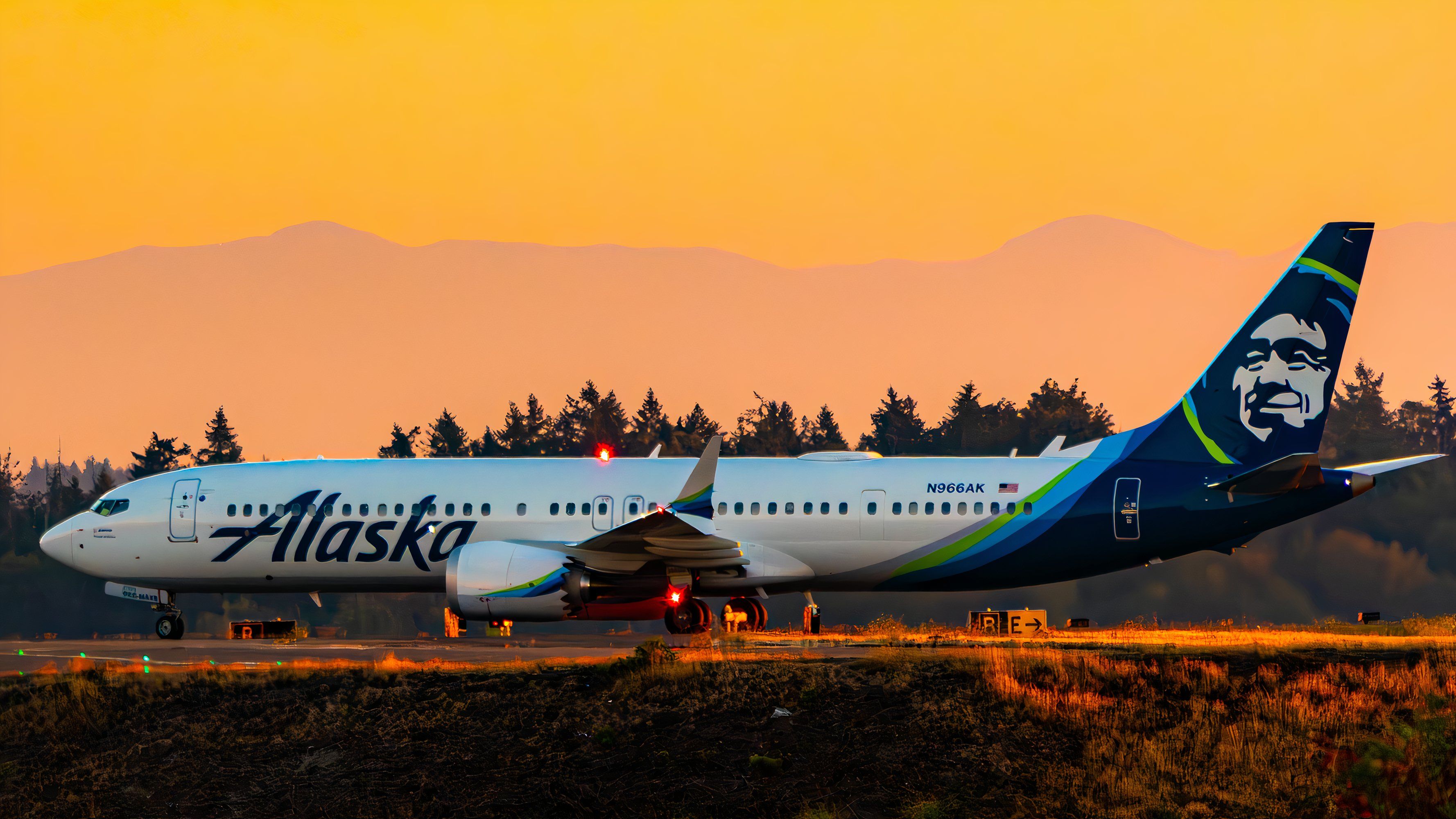
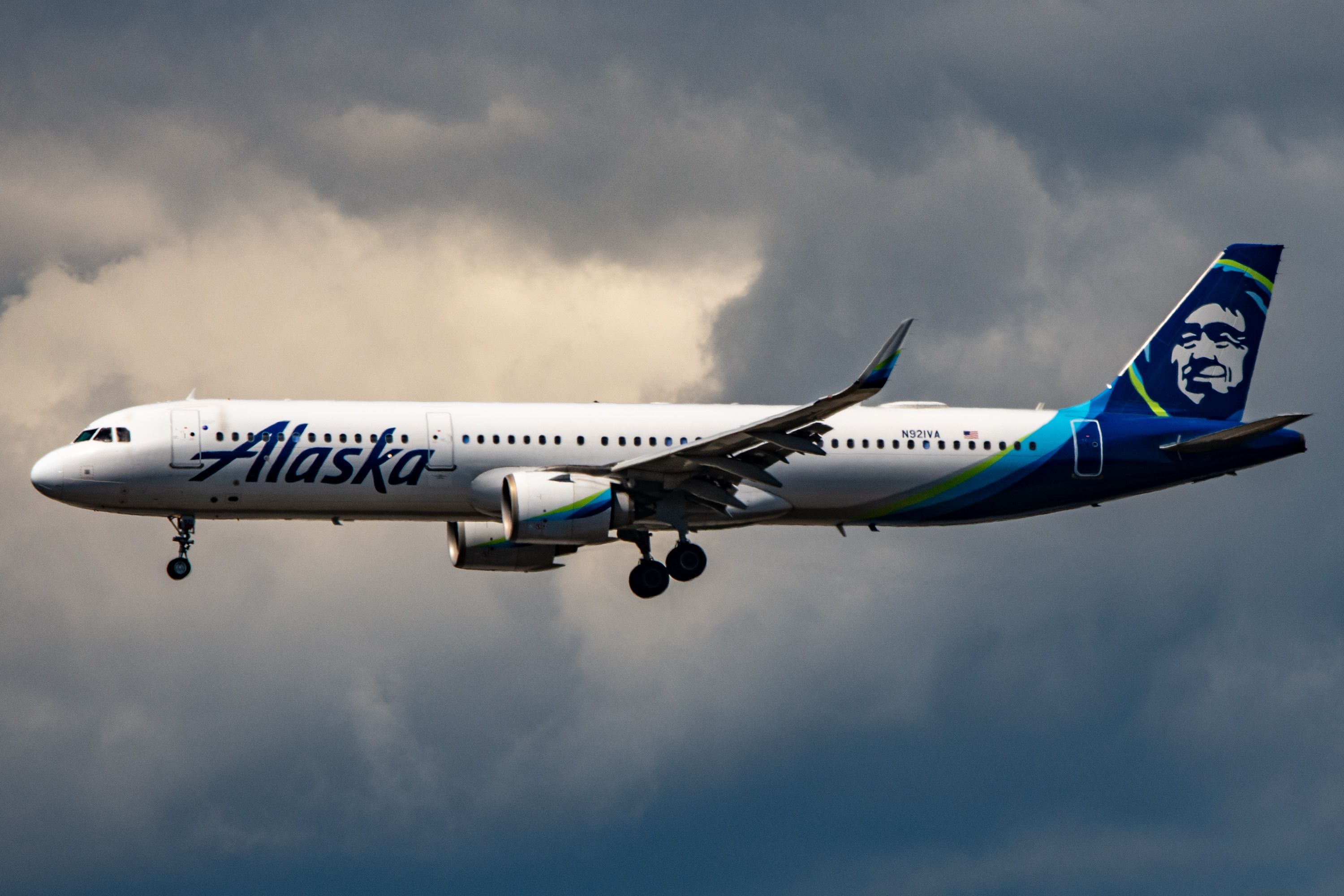
Alaska Airlines stands as a major American carrier renowned for its West Coast dominance, expansive route network, customer-centric loyalty program, and operational integration with regional partners. Operating from primary hubs across Washington, California, and Alaska, the airline connects travelers to hundreds of destinations across North America, Central America, and beyond while maintaining a distinct corporate identity.
History, Evolution, and Corporate Identity
Founded in 1932 as McGee Airways, Alaska Airlines began operations with a single Stinson airplane flying between Anchorage and Nome, Alaska. Through decades of strategic acquisitions, regulatory adaptations, and steady organic growth, the carrier transformed from a localized bush carrier into a transcontinental and international airline. Key milestones in its corporate timeline include absorbing regional operators, modernizing its fleet, and establishing robust operational footprints in key metropolitan markets.
In recent years, the airline's growth strategy accelerated significantly. The acquisition of Virgin America in 2016 cemented its competitive standing in major California markets, notably San Francisco and Los Angeles, while preserving distinctive elements such as mood lighting and upbeat cabin atmospheres. Furthermore, the multi-billion-dollar acquisition of Hawaiian Airlines, finalized following regulatory review, expanded its reach into the Pacific basin, creating a dual-brand operational model that preserves Hawaiian Airlines' distinct identity while leveraging shared corporate infrastructure, technology platforms, and maintenance networks.
Core Hubs, Operating Bases, and Route Network
Alaska Airlines maintains a decentralized hub-and-spoke operational model designed to maximize connectivity across the Pacific Northwest, the West Coast, and the broader global aviation network. Its primary operational base and corporate headquarters reside at Seattle-Tacoma International Airport (SEA), which serves as the principal gateway for transcontinental and international flights.
Additional key hubs and focus cities include:
- Ted Stevens Anchorage International Airport (ANC): Serving as the vital economic and logistical gateway to the state of Alaska, handling both passenger and cargo operations.
- Portland International Airport (PDX): A major secondary hub providing extensive regional and transcontinental services for Oregon travelers.
- San Francisco International Airport (SFO) and Los Angeles International Airport (LAX): Critical California coastal bases facilitating high-frequency business and leisure travel corridors.
- San Diego International Airport (SAN) and Norman Y. Mineta San Jose International Airport (SJC): Important focus cities supporting robust point-to-point and hub-connected itineraries.
Through its membership in the Oneworld alliance, established in 2021, Alaska Airlines extends its network far beyond its proprietary metal. Passengers can book seamless itineraries connecting to global partner carriers such as American Airlines, British Airways, Japan Airlines, and Qatar Airways, enabling global reach while retaining home-carrier loyalty benefits.
Fleet Composition and Cabin Classes
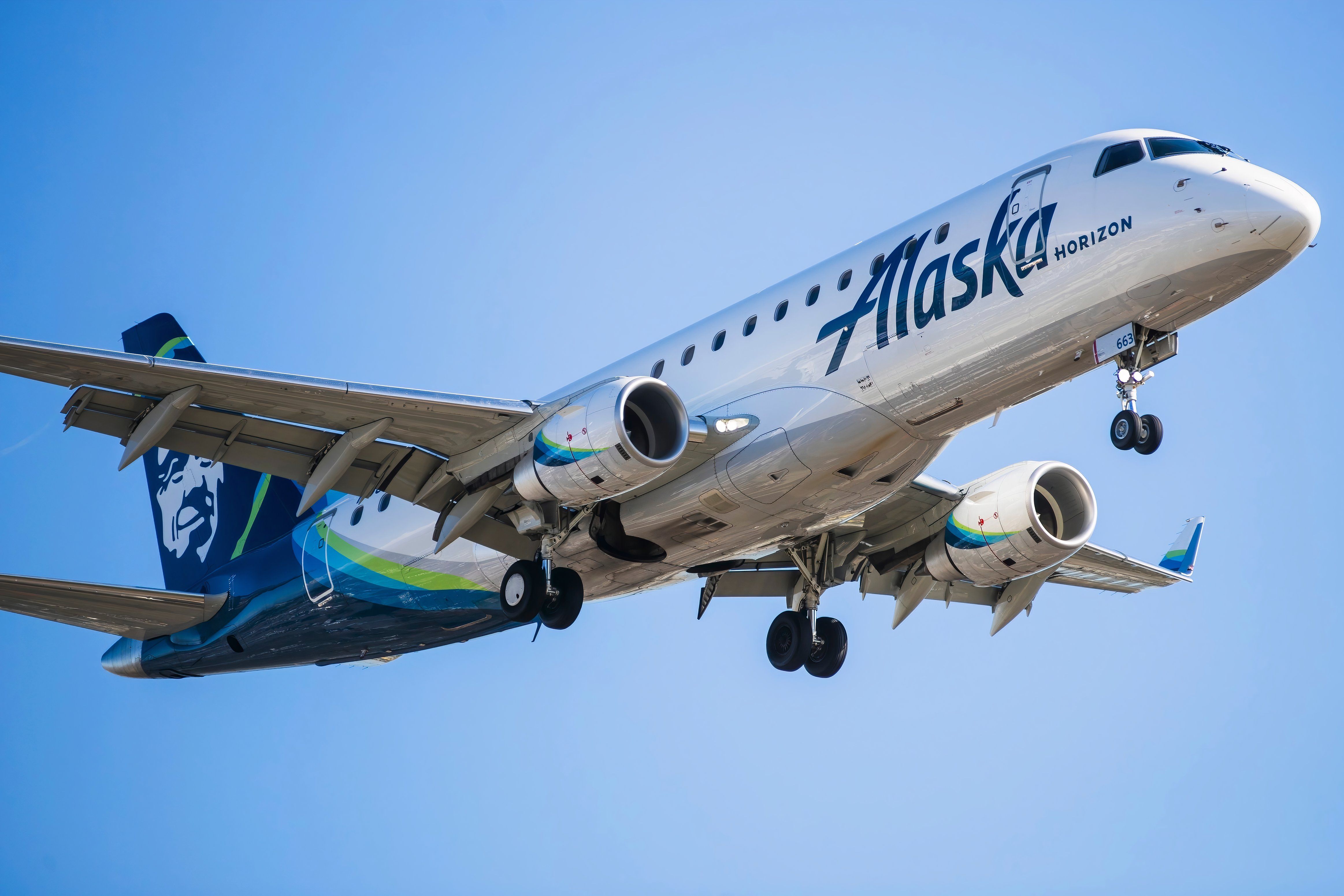
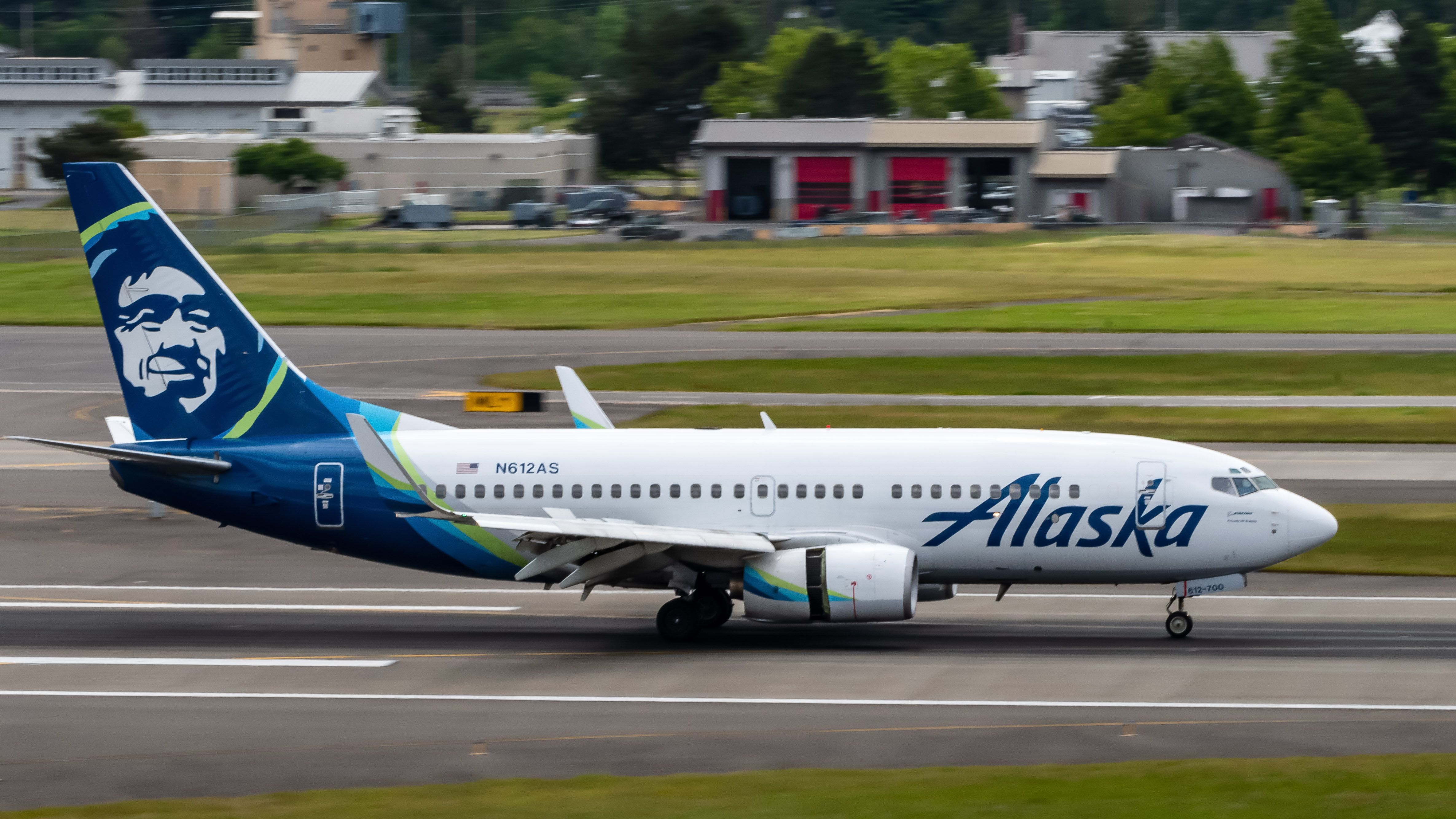
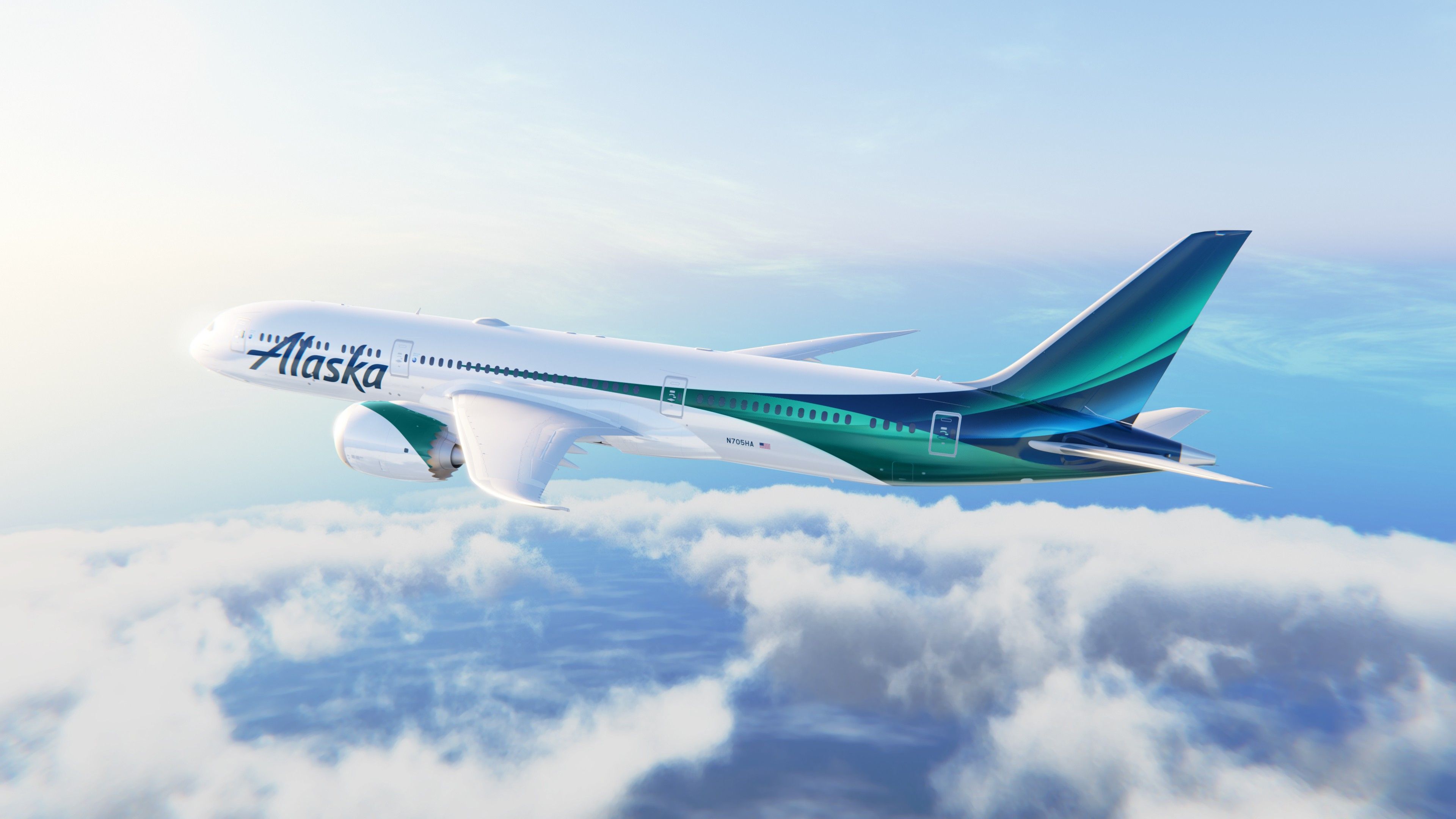
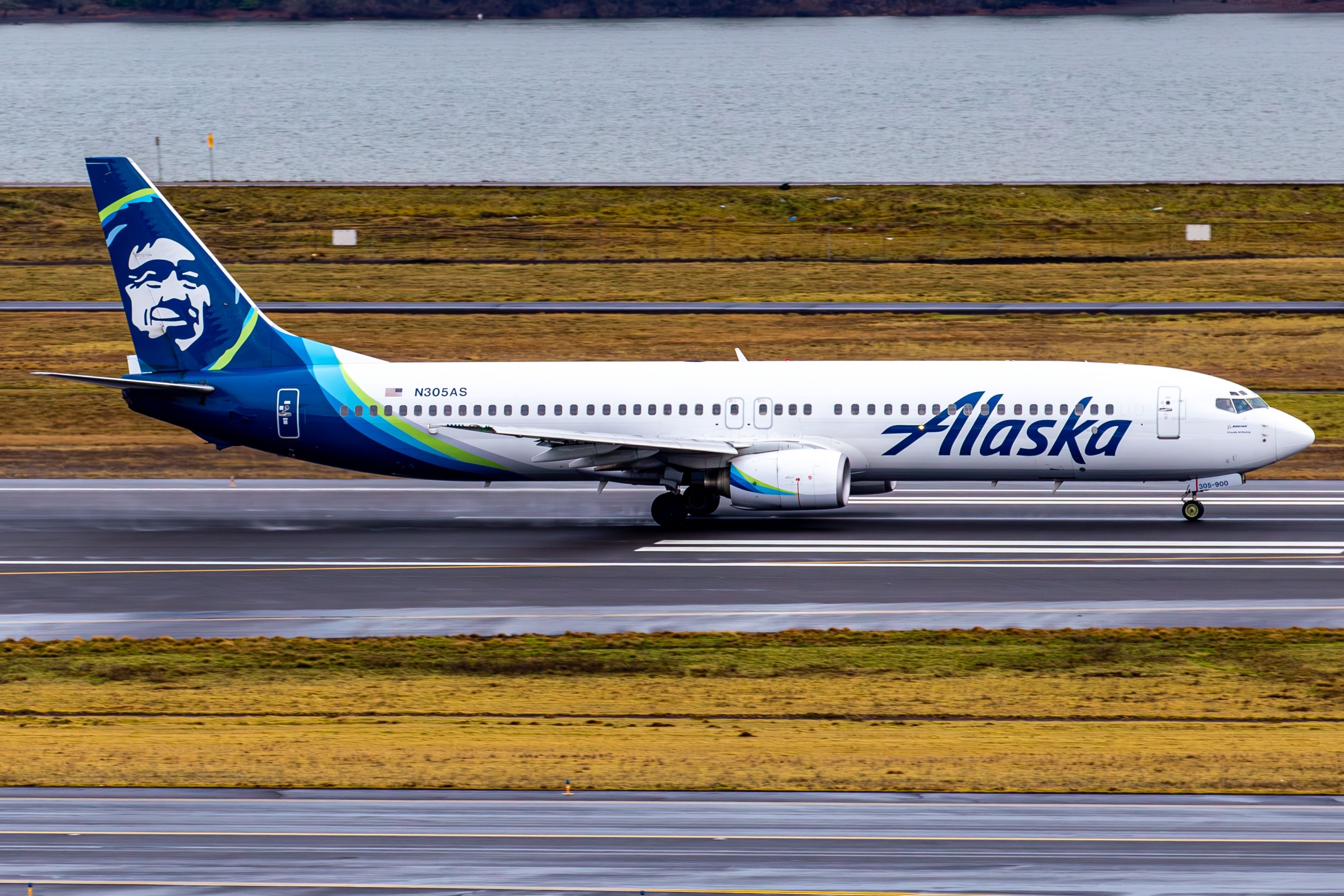
Alaska Airlines operates a streamlined, highly efficient mainline fleet composed primarily of Boeing 737 aircraft, alongside an Airbus fleet inherited through historical acquisitions that is progressively being standardized. This single-aisle operational focus reduces maintenance complexity, standardizes crew training, and enhances scheduling reliability. Regional operations are largely outsourced to Horizon Air and SkyWest Airlines under the Alaska Horizon and Alaska SkyWest capacity purchase agreements, utilizing Embraer 175 regional jets to service smaller communities.
| Cabin Class | Seating Configuration | Key Amenities and Services |
|---|---|---|
| First Class | 2x2 recliner seating | Expanded legroom, dedicated flight attendant service, premium hot meals, and complimentary alcoholic beverages. |
| Premium Class | 3x3 economy layout | Extra legroom (3–4 inches additional pitch), early boarding privileges, and complimentary snacks and beverages. |
| Main Cabin | 3x3 standard layout | Recaro seats with adjustable headrests, power outlets at every seat, fast satellite Wi-Fi availability, and free streaming entertainment. |
The Mileage Plan Loyalty Program
Widely regarded by frequent flyers and travel industry analysts as one of the most rewarding frequent flyer programs, Alaska Airlines Mileage Plan retains unique structural features that distinguish it from legacy competitors. Unlike revenue-based programs that award miles strictly on the ticket price, Mileage Plan historically maintained distance-based earning structures on partner airlines, though it has evolved to balance spend-based and distance-based metrics depending on the operating carrier.
Elite status tiers—MVP, MVP Gold, MVP Gold 75k, and MVP Gold 100k—offer tangible travel benefits including complimentary first-class and premium-class upgrades, priority airport check-in and security screening, waived baggage fees, and regional upgrade certificates. Furthermore, Mileage Plan miles remain exceptionally valuable due to a diverse array of global airline partners, generous stopover rules on award tickets, and competitive redemption pricing for long-haul international travel in business and first class.
Operational Performance, Sustainability, and Customer Service
Maintaining high operational reliability remains a central tenet of the airline's business model. Alaska Airlines routinely ranks near the top of Department of Transportation (DOT) metrics for on-time performance and completion factor, supported by advanced maintenance scheduling and sophisticated flight dispatch operations. The airline also invests heavily in weather-mitigation technologies, such as proprietary GPS-based approach procedures that allow aircraft to land safely in severe Alaskan mountain corridor weather conditions that would otherwise ground traditional operations.
In the realm of environmental sustainability, the airline pursues ambitious corporate targets aimed at achieving net-zero carbon emissions by 2040. Key initiatives include fleet modernization with fuel-efficient Boeing 737-9 MAX aircraft, investments in sustainable aviation fuels (SAF), operational efficiency measures such as single-engine taxiing, and aggressive waste reduction policies across cabin services and airport lounges.
Frequently Asked Questions
What alliance does Alaska Airlines belong to?
Alaska Airlines is a full member of the Oneworld alliance. This membership allows Mileage Plan members to earn and redeem miles across partner airlines and grants elite tier members reciprocal benefits such as lounge access and priority boarding worldwide.
How does the Mileage Plan elite status matching work?
Alaska Airlines frequently offers a status match challenge for travelers holding elite status with eligible competing carriers. Approved applicants receive temporary elite status for 90 days, during which they must fly a specified number of segments or miles on Alaska-operated flights to retain the status long-term.
Are companion fares available with Alaska Airlines credit cards?
Yes, cardholders of the Alaska Airlines Visa Signature credit card receive an annual Companion Fare starting at $99 plus taxes and fees upon account renewal. This certificate allows a companion to travel on the same paid reservation for a fixed base rate, providing substantial savings on domestic itineraries.
What are the carry-on baggage size limits?
Standard carry-on baggage dimensions permitted on Alaska Airlines flights are 22 x 14 x 9 inches (56 x 35 x 23 cm), including wheels and handles. Passengers are also allowed one personal item, such as a purse, laptop bag, or small backpack, that must fit under the seat ahead.
Does Alaska Airlines charge change fees for main cabin tickets?
Alaska Airlines eliminated change fees for all Main Cabin and First Class fares on domestic and international itineraries. If a passenger needs to change their travel dates or routing, they only pay the fare difference if the new flight is priced higher, with no administrative penalty applied.
How can I access Alaska Airlines airport lounges?
Travelers can access Alaska Lounge locations by purchasing an annual lounge membership, holding an eligible first-class ticket on a qualifying transcontinental or international flight, or holding specific co-branded credit cards that offer discounted day passes or lounge privileges.
Managing Your Travel Itineraries
To ensure a seamless travel experience, passengers should utilize the official Alaska Airlines mobile application for digital boarding passes, real-time flight tracking, seat selection, and baggage tracking. Checking in online 24 hours prior to departure minimizes airport wait times, while monitoring flight status alerts helps travelers proactively manage weather delays or schedule adjustments. For complex multi-city bookings or international partner itineraries, consulting customer service or a professional travel advisor ensures that all ticketing rules and visa requirements are properly satisfied before departure.