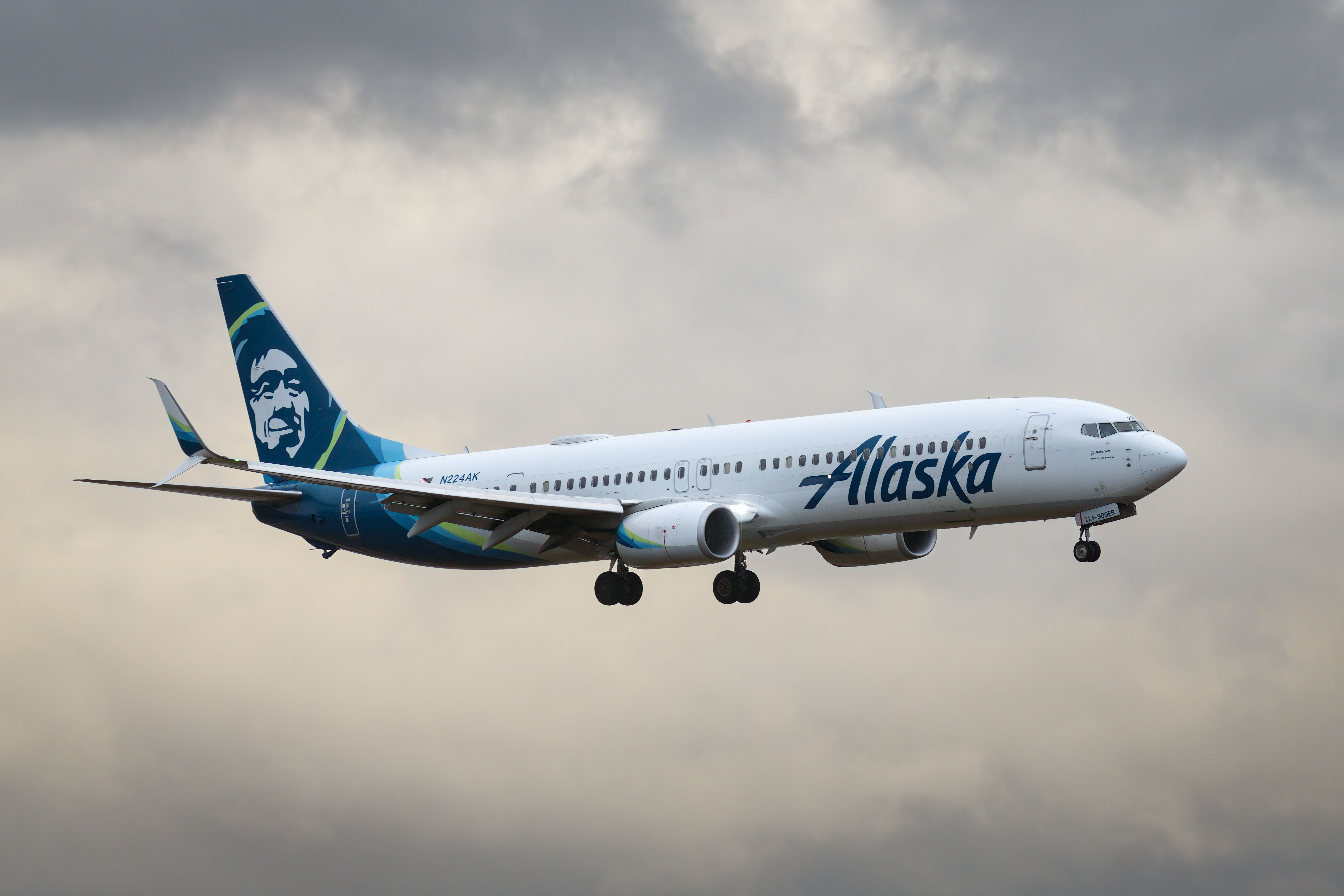
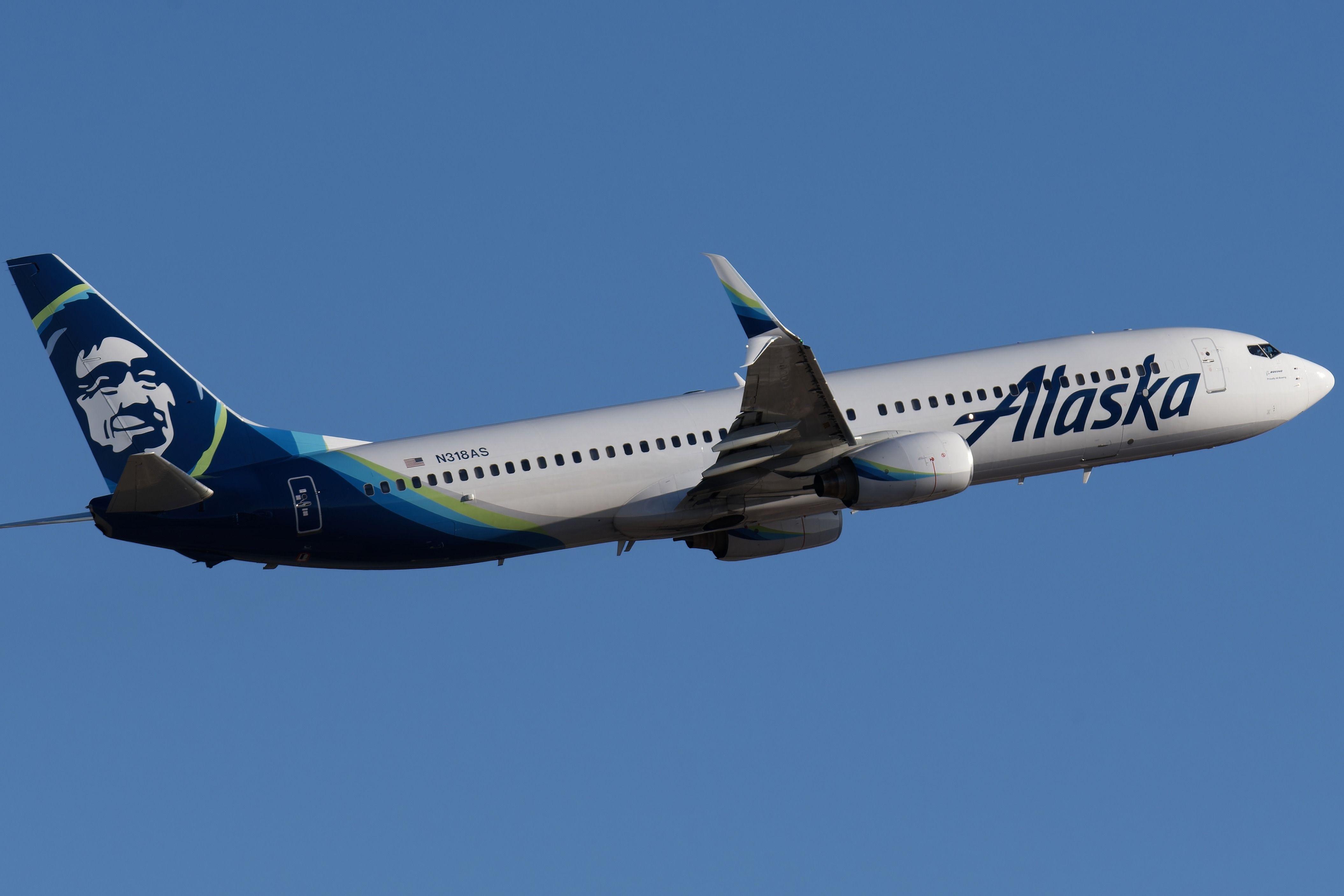
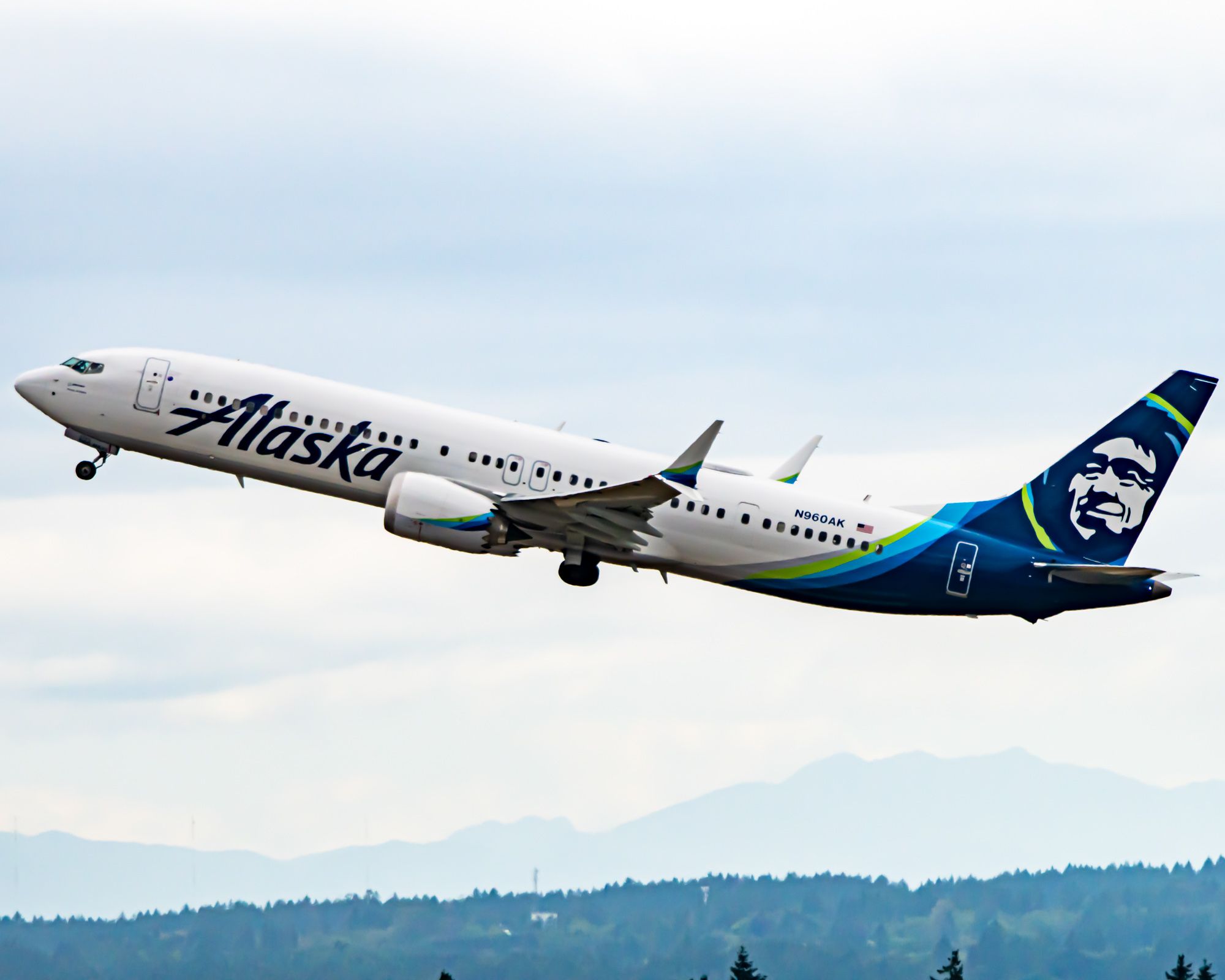
The Boeing 737-200 served as the backbone of Alaska Airlines' regional and mainline network for decades, bridging the gap between modern commercial aviation and the rugged, remote terrain of the Last Frontier. Equipped with specialized gravel kits and rugged airframes, this twin-jet workhorse transformed commercial transportation in Alaska by safely landing on unpaved gravel strips where traditional jetliners could not venture.
Historical Evolution of the Alaska Airlines Fleet
The introduction of the Boeing 737-200 into the Alaska Airlines fleet marked a pivotal transition from propeller-driven aircraft, such as the Lockheed L-188 Electra, to the speed and reliability of jet propulsion. During the late 1960s and early 1970s, the airline needed an aircraft capable of handling short runways, harsh winter weather, and unpaved infrastructure without sacrificing passenger capacity or cargo space. Boeing engineered a specific solution tailored to these demanding environments, laying the foundation for a decades-long relationship between the carrier and the 737 family.
As the airline expanded its route map throughout Southeast and interior Alaska, the 737-200 proved its worth by connecting isolated communities to major hubs like Anchorage and Seattle. Its ability to operate in remote regions fundamentally reshaped local commerce, medical evacuations, and mail delivery. Over the years, the aircraft underwent various interior modifications and avionics upgrades to comply with changing regulatory standards while retaining its core mechanical identity.
Technical Specifications and the Famous Gravel Kit
What set the Alaska Airlines 737-200 apart from standard variants deployed by other domestic carriers was its specialized engineering for unpaved operations. Operating jet engines over loose gravel presents severe ingestion hazards, which can cause catastrophic compressor stalls and foreign object damage (FOD). To combat this, Boeing and Alaska Airlines utilized a specialized gravel kit comprising several distinct aerodynamic and mechanical modifications.
The primary feature of the gravel kit was a deflector vane mounted on the nose landing gear, which pushed loose stones away from the path of the engines. Additionally, the underside of the fuselage and the engine cowlings received protective plating, and the engine bleed-air system was modified to prevent gravel from being sucked into the intake during takeoff and thrust reversal. The Pratt & Whitney JT8D turbofan engines, while relatively loud and fuel-thirsty by modern standards, provided the rugged, mechanical durability required for these high-stress environments.
| Specification Feature | Boeing 737-200 Combi / Standard |
|---|---|
| Primary Engines | Pratt & Whitney JT8D-15 or JT8D-17 |
| Maximum Takeoff Weight | Approx. 115,500 lbs (52,389 kg) |
| Typical Seating Capacity | 100 to 115 passengers (All-passenger or Combi layout) |
| Runway Requirement | Short-field capable, unpaved gravel compatibility |
| Maximum Range | Approx. 2,300 nautical miles |
The Versatility of the Combi Configuration
A defining characteristic of Alaska Airlines' deployment of the type was the widespread use of the Boeing 737-200 Combi configuration. In this layout, the main deck of the aircraft was physically divided to accommodate both passengers and cargo simultaneously. A moveable bulkhead separated the forward cargo hold from the rear passenger cabin, allowing the airline to adjust the ratio based on seasonal demand and regional requirements.
This mixed configuration proved essential for remote Alaskan villages that relied entirely on aviation for freight. A typical flight might carry a dozen passengers in the rear rows while the front half of the cabin hauled heavy construction equipment, perishable groceries, medical supplies, and mail. The structural floor reinforcements and side cargo doors enabled ground crews to load bulky items quickly, turning the aircraft into a lifeline for isolated communities facing severe weather and geographic isolation.
Operational Challenges in Extreme Environments
Flying the 737-200 through Alaska's airspace demanded exceptional skill from flight crews due to the state's notoriously unpredictable weather, mountainous terrain, and sparse navigational aids. Before the widespread adoption of GPS and advanced flight management systems, pilots relied on specialized ground-based procedures, NDB approaches, and visual navigation through narrow mountain passes.
Winter operations introduced additional hazards, including heavy snow accumulation, freezing fog, and icy runways. The mechanical systems of the 737-200 required rigorous pre-flight inspections, and pilots frequently had to manage crosswinds without the advanced computer-assisted braking systems found on modern aircraft. Despite these obstacles, the aircraft's robust hydraulic systems and manual flight controls provided direct feedback, making it a reliable machine in the hands of experienced arctic aviators.
Retirement and Legacy of the Classic Workhorse
As regulatory standards evolved, fuel prices climbed, and quieter, more efficient aircraft entered the market, the aging 737-200 fleet faced inevitable retirement. The high maintenance costs associated with older-generation turbojet and low-bypass turbofan engines, combined with tightening noise abatement regulations at major airports, signaled the end of an era. Alaska Airlines officially retired its final Boeing 737-200 aircraft in the late 2000s, transitioning its fleet to newer Next-Generation 737 variants and eventually the 737 MAX series.
Despite its departure from active service, the legacy of the 737-200 remains deeply embedded in Alaska Airlines' corporate identity. It proved that commercial jet transport could succeed in some of the most hostile environments on Earth. The operational knowledge gained by pilots, mechanics, and dispatchers during the gravel-kit era helped shape the airline's reputation for safety and reliability in challenging weather conditions.
Frequently Asked Questions
Why did Alaska Airlines need a special gravel kit for their 737-200s?
The gravel kit was necessary because many regional airports in Alaska featured unpaved, gravel runways rather than asphalt. Without specialized nose gear deflectors and protective engine shielding, loose stones would be ingested by the low-slung engines, causing severe internal damage and rendering standard jetliners unusable in rural areas.
What does a Combi aircraft configuration mean?
A Combi configuration allows an aircraft to carry both passengers and freight on the same main deck simultaneously. A movable partition separates the cargo zone in the front from the passenger seating area in the rear, providing vital cargo capacity for remote communities without dedicated all-cargo flights.
Which engines powered the Boeing 737-200?
The aircraft was powered by two Pratt & Whitney JT8D low-bypass turbofan engines. Known for their distinct sound and mechanical durability, these engines provided the thrust required for short-field takeoffs but consumed significantly more fuel than modern powerplants.
When did Alaska Airlines retire the 737-200?
Alaska Airlines retired its last Boeing 737-200 aircraft in March 2008, concluding an operational history that spanned nearly four decades and modernizing the fleet with more fuel-efficient Boeing Next-Generation models.
How many passengers could an Alaska Airlines 737-200 carry?
Depending on the specific configuration and the size of the cargo compartment in Combi variants, the aircraft typically accommodated between 100 and 115 passengers in a standard single-class layout.
Preserving the Heritage of Arctic Aviation
For aviation enthusiasts and industry historians, exploring the history of the Alaska Airlines 737-200 offers valuable insight into the intersection of engineering and geography. Preserving photographic archives, flight manuals, and first-hand accounts ensures that the contributions of this classic workhorse are not forgotten. Anyone interested in deepening their knowledge of northern aviation should review historical fleet records, aviation museums in the Pacific Northwest, and documentary accounts of bush flying in Alaska.