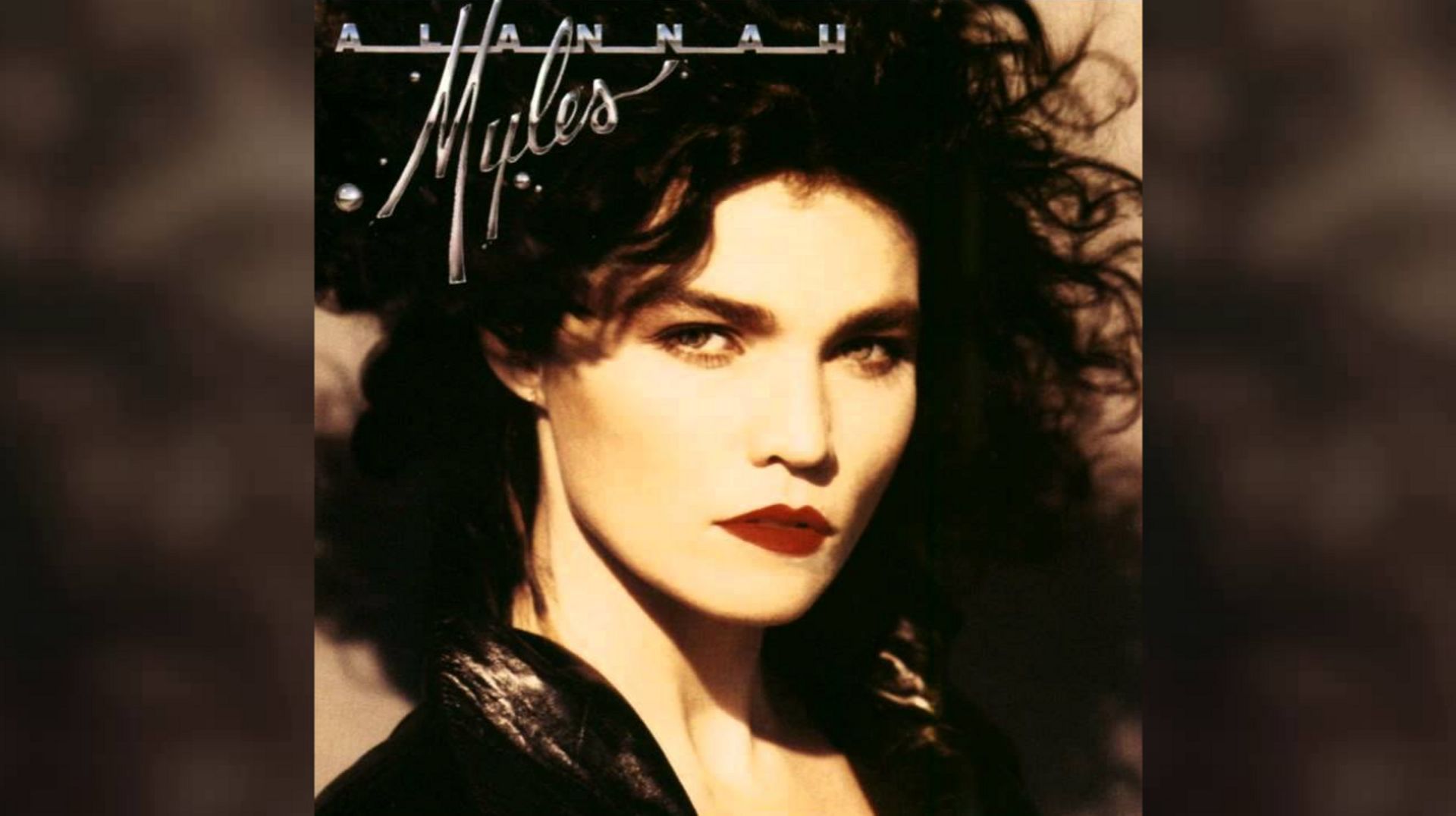
Alannah Myles rose to international prominence in 1989 with her self-titled debut album and the ubiquitous rock anthem "Black Velvet," a track that defined late-eighties mainstream rock radio and earned her a Grammy Award. Her distinctive raspy vocal delivery, combined with a striking blend of blues, pop, and arena rock, established her as one of Canada's most successful musical exports of her era. Behind the multi-platinum success of her initial releases lies a determined career shaped by independent artistic vision, relentless touring, and a later transition to digital self-distribution as the music industry evolved.
Early Life and Musical Beginnings in Toronto
Born in Toronto, Ontario, Alannah Myles grew up with an affinity for music and performance, supported by her father, William Douglas Byles, a broadcast pioneer who was inducted into the Canadian Association of Broadcasters Hall of Fame. Raised between Toronto and a family ranch in Buckhorn, Ontario, Myles developed an early appreciation for both urban culture and country life, influences that would later surface in her eclectic musical styling.
During her teenage years, she pursued acting and modeling while immersing herself in the Toronto music scene. She frequented local clubs and concert venues, studying the craft of established blues and rock musicians. By her early twenties, she had formed her own backing band and began performing cover songs alongside original material written with songwriter and guitarist Christopher Ward, whom she met through mutual industry connections. This collaborative partnership became the foundation of her early professional recordings, providing the songwriting depth necessary to secure a major-label recording contract.
The Breakthrough: The Self-Titled 1989 Debut Album
In 1989, Alannah Myles released her debut studio album on Atlantic Records, a project that transformed her from a regional club performer into a global recording artist. Produced primarily by David Tyson, the album featured polished production values that blended the grit of traditional blues-rock with the pristine sheen of late-1980s pop-rock.
The record spawned several successful singles in Canada, including "Love Is Like a Heat Wave," "Still Got This Thing," and "Lover of Mine." However, it was the fourth single, "Black Velvet," that catapulted her to international stardom. The song became a worldwide phenomenon, topping charts across multiple continents and receiving heavy rotation on MTV and international radio stations.
Key Milestones of the 1989 Debut Release
| Region / Entity | Achievement / Accolade | Details |
|---|---|---|
| United States | Billboard Hot 100 | Reached Number 1 in 1990 |
| Canada | Juno Award | Winner of Single of the Year and Album of the Year |
| United States | Grammy Award | Best Female Rock Vocal Performance (1991) |
| Global | Commercial Certification | Diamond-certified in Canada (over 1 million units sold) |
The Impact and Analysis of "Black Velvet"
Written by Christopher Ward and David Tyson, "Black Velvet" was inspired by a bus tour down to Memphis, Tennessee, and the enduring cultural mythos surrounding Elvis Presley. The song's slow-burning groove, evocative slide guitar work, and Myles's soaring, gritty vocal performance created an atmospheric tribute to early rock and roll.
The track's success relied heavily on vocal control and dynamic contrast. Myles utilized a chest-heavy belt combined with a controlled rasp to convey the sensuality and reverence embedded in the lyrics. This performance style positioned her alongside contemporaries like Bonnie Raitt, Melissa Etheridge, and Tina Turner, who similarly dominated adult-oriented rock radio with powerhouse vocals and blues-infused sensibilities.
Subsequent Studio Albums and Evolution
Following the massive commercial success of her debut, Myles faced the challenge of maintaining momentum in a shifting musical landscape. In 1992, she released her sophomore album, Rockinghorse. While the record failed to replicate the stratospheric global chart dominance of its predecessor, it achieved strong critical reception and multi-platinum status in Canada. It earned Myles a second Grammy nomination for Best Rock Vocal Performance and featured tracks that leaned further into heavy blues and roots rock.
Her third studio album, A-lan-nah, followed in 1995, showcasing a more contemporary pop-rock sound and featuring collaborations with prominent songwriters. Although it produced charting singles in Canada and Europe, commercial traction in the United States began to wane as grunge and alternative rock displaced the polished melodic rock of the late 1980s.
Undaunted by changing industry trends, Myles continued to record and release music on her own terms. Her fourth album, A Rival (1997), marked her final release with a major traditional label before she chose to navigate the independent sector.
Transition to Independence and Digital Distribution
As the music industry transitioned from physical compact discs to digital distribution models in the 2000s, Alannah Myles adapted by taking direct control of her master recordings and publishing catalog. Operating independently allowed her to manage her career without the pressures and creative constraints often imposed by major multinational record labels.
In 2008, she released the album Black Velvet, featuring re-recorded versions of her classic hits alongside new material. This project demonstrated her willingness to embrace digital-first distribution platforms and connect directly with her international fan base via social media and direct-to-consumer web platforms. Her later output highlighted a career longevity built on catalog ownership, live performance, and selective recording projects.
Personal Challenges and Advocacy
Throughout her career, Myles faced significant physical and personal hurdles. A severe riding accident in her youth left her with chronic back pain, which intensified over decades of heavy touring and live performance schedules. In the mid-2000s, this injury required major spinal surgery, leading to a temporary hiatus from touring while she underwent rehabilitation.
Despite these health challenges, Myles remained active in advocacy work, lending her voice and support to charitable organizations focusing on animal welfare, environmental conservation, and health research. Her resilience in managing chronic pain while maintaining creative control over her artistic output earned her deep respect within the Canadian music community.
Frequently Asked Questions About Alannah Myles
Who wrote the song "Black Velvet"?
"Black Velvet" was written by Canadian songwriters Christopher Ward and David Tyson. Ward originally conceived the lyrics following a bus trip to Memphis, Tennessee, where he observed the enduring cultural impact of Elvis Presley and the Southern American blues tradition.
Did Alannah Myles win a Grammy Award?
Yes, Alannah Myles won the Grammy Award for Best Female Rock Vocal Performance in 1991 for her recording of "Black Velvet." She was also nominated in the same category the following year for her work on the Rockinghorse album.
What is Alannah Myles's biggest musical hit?
Her biggest global hit is unquestionably "Black Velvet," which reached number one on the US Billboard Hot 100 chart and topped charts internationally. It remains a staple of classic rock and adult contemporary radio programming.
Is Alannah Myles still active in the music industry?
While she has scaled back extensive international touring due to past health challenges and spinal injuries, Myles remains involved in the music industry. She manages her catalog independently and occasionally participates in special legacy projects and select live performances.
How did Alannah Myles handle her master recordings?
Unlike many artists of her era who signed restrictive legacy contracts, Myles eventually secured ownership of her master recordings and publishing rights, allowing her to release digital editions of her catalog and profit directly from licensing and streaming revenues.
Sustaining a Legacy in Classic Rock
Alannah Myles's career trajectory offers a clear blueprint for navigating the transition from major-label stardom to sustainable independent artistry. By anchoring her legacy in powerhouse vocal performances and timeless songwriting, she secured a permanent place in the canon of Canadian rock history. Her ongoing management of her catalog and refusal to compromise her artistic vision demonstrate that enduring success in the music industry relies as much on business acumen and resilience as it does on initial commercial breakthroughs.