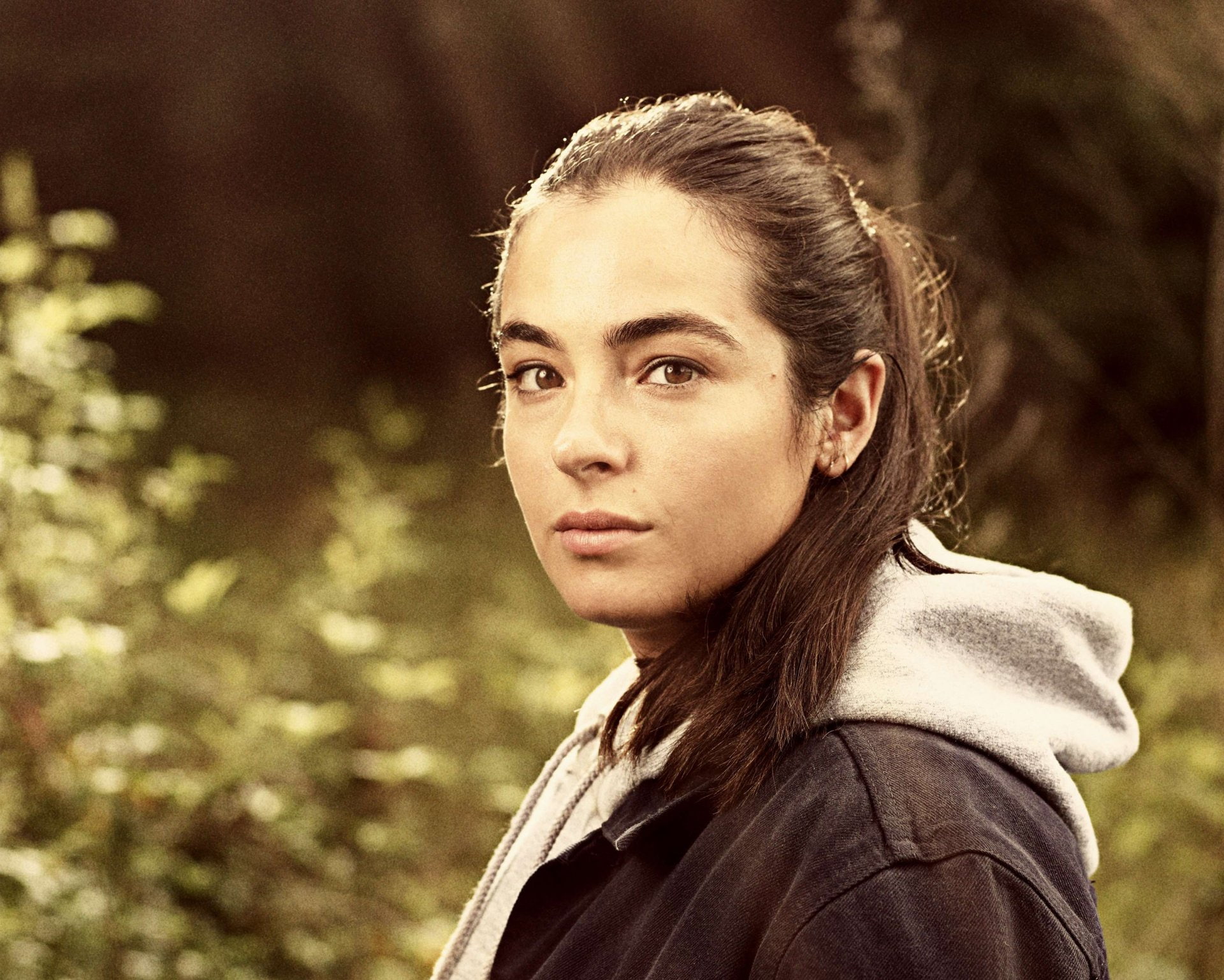
Alanna Masterson captured global attention as Tara Chambler in AMC’s hit post-apocalyptic drama The Walking Dead, evolving from a reluctant antagonist into a core pillar of the survivor community. Beyond her definitive run on the zombie series, Masterson’s career spans notable television guest roles, indie film projects, and a deliberate shift toward private life and personal pursuits. Understanding her artistic trajectory involves looking at how her breakout role shaped her public profile, her subsequent creative ventures, and her life away from the relentless demands of a major network production schedule.
The Breakthrough Role: Tara Chambler in The Walking Dead
Alanna Masterson joined The Walking Dead during its fourth season in 2013, initially introduced as Tara Chambler, a former police academy student who found herself aligned with the Governor before switching allegiances to Rick Grimes’ group. Over the course of six seasons, Tara transformed from a traumatized outsider into a compassionate, dependable supply runner and eventual leader within the Hilltop Colony. Masterson’s portrayal resonated with viewers due to her character's grounded wit, vulnerability, and loyalty, making Tara one of the show's most relatable human figures amid extreme circumstances.
Navigating a massive ensemble cast on a high-visibility cable series presented unique demands. Masterson balanced intense physical action sequences, emotional heavy lifting, and the rigorous production schedule typical of Atlanta-based television shooting blocks. Her tenure coincided with a golden era for the franchise, where the cast maintained a heavy convention circuit and massive public visibility. Tara’s eventual departure in the ninth season marked a significant turning point for both the character's narrative arc and Masterson's professional life, closing a chapter that defined her primary public-facing identity for nearly a decade.
Career Origins and Television Work Before and During the AMC Series
Before securing her role on The Walking Dead, Masterson built a foundational television resume through recurring and guest roles across various network comedies and dramas. Born in New York and raised in Los Angeles, she grew up within a well-known entertainment family—her brothers include actors Danny Masterson, Christopher Masterson, and Jordan Masterson—which exposed her to the industry from an early age.
Her early television credits featured appearances in popular 2000s and early 2010s programs, including:
- Malcolm in the Middle (2006)
- Greek (2008)
- Terminator: The Sarah Connor Chronicles (2008)
- Men at Work (2014)
- Grey's Anatomy (2018)
These early appearances allowed Masterson to hone her comedic and dramatic timing across diverse genres. While her guest spots showcased versatility, it was her multi-season commitment to The Walking Dead that solidified her status as a recognized television face, bridging the gap between younger ensemble comedies and prestige cable drama.
Transitioning Beyond The Walking Dead: Post-Show Projects and Industry Focus
Following her exit from AMC's flagship franchise, Masterson adopted a more selective approach to her acting career. The intense production demands of long-running cable television often prompt performers to seek out independent projects, digital ventures, or extended breaks to recalibrate. Masterson pursued selective television work, such as a guest appearance on ABC’s medical drama Grey's Anatomy, while exploring independent creative avenues.
| Project / Media | Platform / Network | Role / Details | Approximate Years |
|---|---|---|---|
| The Walking Dead | AMC | Tara Chambler (Main Cast) | 2013–2019 |
| Men at Work | TBS | Hillary (Guest Role) | 2014 |
| Grey's Anatomy | ABC | Lydia Spring (Guest Role) | 2018 |
| Independent Pursuits | Various | Creative Ventures & Personal Focus | 2020–Present |
This calculated transition reflects a broader industry trend where actors from massive genre franchises leverage their established name recognition to curate more balanced professional lives. By stepping away from the daily grind of serialized television production, Masterson gained the flexibility to focus on personal milestones and creative autonomy outside the traditional studio system.
Personal Life, Motherhood, and Media Profile
Beyond the screen, Masterson’s life has experienced significant personal evolution. As a mother, she has frequently utilized her public platform to advocate for maternal well-being, healthy lifestyle choices, and the realities of raising a family in the public eye. During her time on The Walking Dead, her first pregnancy was creatively accommodated by the production team, an aspect of television logistics that highlights how modern sets adapt to the personal lives of long-term cast members.
In subsequent years, Masterson has maintained a more private existence compared to the peak years of her franchise fame. While public figures often maintain constant digital engagement, she has occasionally stepped back from aggressive social media self-promotion, prioritizing real-world experiences and family responsibilities over maintaining a continuous online presence. This deliberate boundary between public persona and private reality remains a common path for actors seeking longevity and mental well-being outside the Hollywood machinery.
The Fandom Legacy: Conventions, Fan Culture, and Tara's Impact
Even years after her departure from the zombie apocalypse, Alanna Masterson remains a fixture within the global fan community surrounding The Walking Dead. Comic conventions, fan meetups, and dedicated online forums continue to celebrate Tara Chambler as a trailblazing character, particularly noted for her representation within the series. Tara was introduced as the show's first openly LGBTQ+ main character, a milestone that resonated deeply with viewers seeking authentic representation in mainstream horror and sci-fi television.
Engaging with convention circuits allowed Masterson to connect directly with the passionate viewership that sustained the series through its peak broadcast years. Fan interactions often center on her character's humorous dialogue, dramatic losses, and evolution from an adversary into a trusted protector. This enduring legacy ensures that her contribution to television history remains active, kept alive through streaming platforms, syndication, and continuous fan discussions across digital spaces.
Frequently Asked Questions
What role did Alanna Masterson play in The Walking Dead?
Alanna Masterson played Tara Chambler, a survivor who transitioned from a reluctant participant in the Governor's assault on the prison to a loyal member and eventual leader within Rick Grimes’ allied communities.
When was Alanna Masterson on The Walking Dead?
She appeared on the series from Season 4 in 2013 through Season 9 in 2019, making her one of the longer-serving cast members in the show's core ensemble.
What are some of Alanna Masterson's other acting credits?
Before and during her time on AMC, she appeared in guest and recurring roles across television series such as Grey's Anatomy, Men at Work, Greek, and Malcolm in the Middle.
Is Alanna Masterson related to other actors?
Yes, her brothers are actors Danny Masterson, Christopher Masterson, and Jordan Masterson, placing her within an established entertainment family.
What is Alanna Masterson's current professional focus?
After stepping away from serialized television, she has balanced selective guest-starring roles with independent creative projects and a greater focus on her family and private life.
Cultivating Long-Term Career Resilience in Modern Television
For performers navigating the aftermath of high-visibility television franchises, the primary challenge lies in redefining their public identity on their own terms. Alanna Masterson’s trajectory from breakout ensemble player to a more grounded, selective actor illustrates how industry professionals manage long-term career arcs. By prioritizing personal well-being, family, and deliberate project selection over relentless commercial output, artists can sustain meaningful engagement with their craft while maintaining the personal boundaries necessary for lasting professional health.