As of 2026, Alan Walker’s net worth is estimated to be approximately $35 million to $45 million. This substantial valuation is the result of over a decade of dominance in the electronic dance music (EDM) scene, fueled by billions of digital streams, high-grossing international tours, and a highly successful merchandise brand known as Walkerwear.
The financial journey of Alan Olav Walker is a quintessential example of how the digital-first music economy can transform a bedroom producer into a multi-millionaire global entity. Born in Northampton, England, and raised in Bergen, Norway, Walker did not follow the traditional path of conservatory training. Instead, he utilized YouTube tutorials and digital audio workstations (DAWs) to craft a sound that would eventually resonate with a global audience. While many artists struggle to maintain relevance after a viral hit, Walker has systematically diversified his income streams to ensure long-term financial stability.
The Financial Impact of "Faded" and Global Streaming
The cornerstone of Alan Walker’s wealth remains his 2015 breakthrough single, "Faded." This track did more than just top the charts; it created a self-sustaining financial engine. In the music industry, a song with "diamond" status or multi-platinum certifications across dozens of countries generates massive royalties through performance rights organizations (PROs) and mechanical licenses.
By 2026, "Faded" has surpassed 3.5 billion views on YouTube and several billion streams on Spotify. When analyzing the revenue from these platforms, it is important to understand the tiered payout systems. For a top-tier artist like Walker, YouTube revenue isn't just about AdSense; it includes Content ID revenue from thousands of other creators using his music. Industry estimates suggest that for every billion views, a high-level music channel can generate between $2 million and $5 million, depending on viewer demographics and ad rates.
Beyond "Faded," Walker’s discography includes hits like "Alone," "Sing Me to Sleep," and "Darkside." These tracks contribute to a cumulative streaming portfolio that provides a steady monthly "dividend." Unlike physical sales of the past, digital streaming offers a recurring revenue model where every play adds a fraction of a cent to the artist's estate. For an artist with Walker's volume, these fractions accumulate into millions of dollars annually.
Revenue Streams from Live Performances and World Tours
While streaming provides the baseline, live performances are where elite DJs like Alan Walker truly maximize their earnings. In 2026, the demand for live EDM experiences remains at an all-time high, and Walker is a staple headliner for major festivals including Tomorrowland, Ultra Music Festival, and Electric Daisy Carnival (EDC).
Booking fees for a DJ of Walker's caliber are significant. Depending on the venue and the nature of the event, a single set can command anywhere from $150,000 to $500,000. For exclusive residencies in nightlife hubs like Las Vegas or Ibiza, these figures can escalate further.
The Logistics of Touring Profitability
Touring isn't just about the gross ticket sales; it’s about the "net" after production costs. Alan Walker’s tours, such as the "Walkerverse" and subsequent "Walkerworld" installments, involve complex stage designs, pyrotechnics, and visual mapping. By owning much of his production equipment and maintaining a streamlined core team, Walker is able to retain a higher percentage of his tour gross compared to traditional pop acts with massive backing bands and dancers.
The Business of the "Walker" Brand and Merchandise
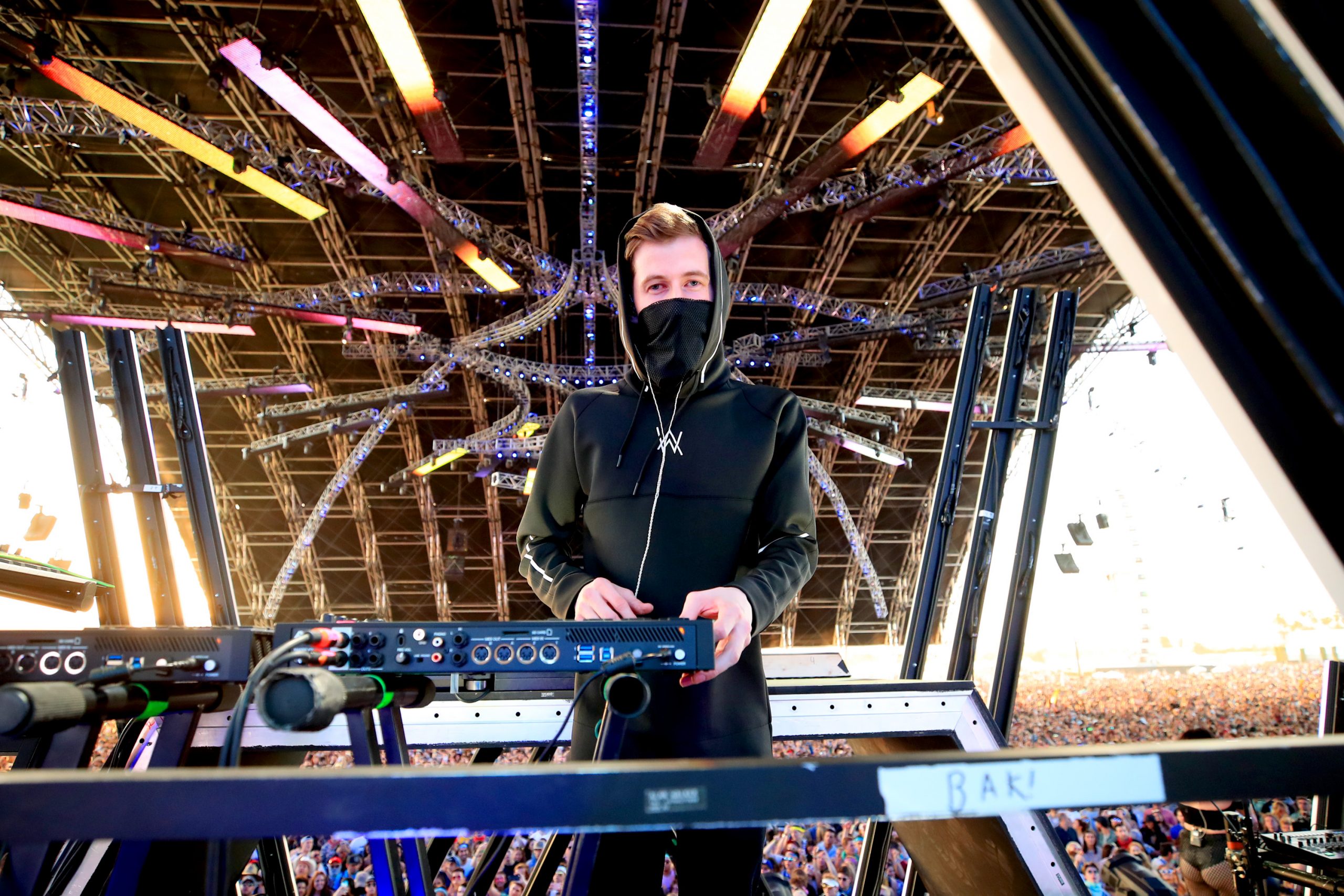
One of Alan Walker's most astute financial moves was the creation of a distinct visual identity. The signature hoodie and face mask are not just aesthetic choices; they are powerful branding tools. This "uniform" has allowed Walker to build a lifestyle brand, Walkerwear, which operates as a significant subsidiary of his overall business empire.
Unlike standard tour merch that is only sold at venues, Walkerwear functions as a legitimate fashion line with seasonal drops and high-quality production. By selling directly to consumers (D2C) through his official website, Walker avoids the high commissions typically taken by third-party retailers. The margins on apparel—especially hoodies and tech-wear—are considerably higher than those on digital music, making this a vital pillar of his net worth.
Collaborative Ventures and Sponsorships
Walker’s tech-savvy image has made him a favorite for corporate partnerships. Over the years, he has secured lucrative deals with major brands:
- ASUS ROG: Collaborative laptops and gaming gear tailored to his "cyberpunk" aesthetic.
- PUBG Mobile: In-game skins, music integrations, and virtual concerts that reach hundreds of millions of gamers.
- Smartphone Manufacturers: Often serving as a brand ambassador for high-end mobile devices, highlighting his roots as a mobile-first creator.
Strategic Investments and Asset Management
As Walker's career progressed, his financial strategy shifted toward wealth preservation and diversification. In Norway, where financial records are relatively transparent, it is known that Walker operates through his management company, Alan Walker AS. This corporate structure allows for professional reinvestment of profits into diversified portfolios, including real estate and emerging tech startups.
The real estate component of his net worth includes luxury properties in Bergen and potentially international holdings in music hubs like Los Angeles or London. Furthermore, Walker has shown a keen interest in the intersection of music and technology, likely investing in platforms that facilitate music production or fan engagement.
| Revenue Category | Estimated Annual Contribution (2026) | Primary Source |
|---|---|---|
| Streaming & Royalties | $10M - $14M | Spotify, YouTube, Apple Music, Radio |
| Live Performances | $12M - $18M | Festivals, Residencies, Solo Tours |
| Merchandise (Walkerwear) | $4M - $7M | D2C Apparel Sales, Accessories |
| Brand Partnerships | $3M - $5M | Tech Collabs (ASUS, Gaming Brands) |
| Investment Income | $2M - $4M | Real Estate, Equity, Interest |
The Role of Independent Distribution and Label Deals
Early in his career, Walker gained fame through "NoCopyrightSounds" (NCS), a label that allowed creators to use music for free in exchange for credit. This was a revolutionary marketing move that built a massive, loyal fan base without traditional advertising spend.
Later, his transition to major labels like Sony Music (MER Musikk) provided the infrastructure for global expansion. However, as an established superstar in 2026, Walker likely operates under a "favorable" contract that grants him significant ownership of his master recordings or a much higher percentage of the "artist's share" than a newcomer would receive. Ownership of masters is the ultimate goal for any high-net-worth musician, as it ensures that they, rather than the label, reap the long-term benefits of the song's longevity.
Analyzing the Future of Alan Walker's Empire
Looking ahead, the trajectory of Alan Walker’s net worth appears to be on an upward climb. The "Walkerworld" ecosystem, which integrates gaming, music, and immersive fan experiences, suggests that he is moving away from being just a DJ and toward becoming a media mogul. By engaging with younger demographics through platforms like Fortnite and Roblox, he is ensuring that his brand remains relevant to the next generation of music consumers.
His financial health is also protected by his lifestyle. Unlike many celebrities who succumb to "lifestyle creep"—spending excessively on depreciating assets—Walker has maintained a relatively focused public image centered on his work and his community (the "Walkers"). This discipline is a key factor in why his net worth continues to grow while others in the industry may see their fortunes dwindle.
FAQ: Common Questions About Alan Walker's Wealth
Does Alan Walker own 100% of his music?
While Walker has significant control over his creative output, most of his major hits were released through partnerships with labels like Sony Music. In these arrangements, the label typically owns the master recordings for a set period or in perpetuity, while the artist earns a percentage of the royalties. However, as his career has matured, he likely retains more ownership of his newer projects and independent releases.
How much does Alan Walker make per YouTube video?
It is difficult to pin down a single number because revenue depends on the length of the video, the number of ads, and the country where the viewers are located. However, for a major music video with 100 million views, the estimated earnings can range from $200,000 to $500,000. For Walker, who has billions of total views, YouTube is a multi-million dollar annual revenue stream.
How does the mask affect his brand value?
The mask is a central part of his "brand equity." It allows for a level of anonymity that makes the "Walker" persona universal—anyone can be a "Walker." This inclusivity drives merchandise sales and fan loyalty, directly contributing to his net worth. Financially, the mask is as much a trademark as a logo for a Fortune 500 company.
Is Alan Walker the richest DJ in the world?
While Alan Walker is exceptionally wealthy, he is not currently the richest DJ. Industry veterans like Calvin Harris, Tiësto, and David Guetta have net worths exceeding $150 million to $300 million, largely due to their much longer careers, extensive song catalogs, and massive Las Vegas residencies. However, Walker is among the highest-earning DJs of the "younger" generation.
What is the most expensive thing Alan Walker owns?
While he is private about his specific purchases, his most significant assets are likely his high-end production studio in Norway and his real estate holdings. Additionally, his professional-grade touring equipment and "Walkerworld" stage assets represent millions of dollars in capital investment.
Final Action for Fans and Financial Observers
To truly understand the scale of Alan Walker's financial influence, one should look beyond the music charts and examine the "Walkerworld" ecosystem. For those interested in the business of EDM, following the release patterns of his merchandise and his partnerships with gaming companies provides a blueprint for how modern artists build sustainable wealth. Fans can support his continued growth by engaging with his official platforms, as direct engagement—whether through the Walkerworld app or Walkerwear—provides the highest margin of support for the artist's independent ventures.