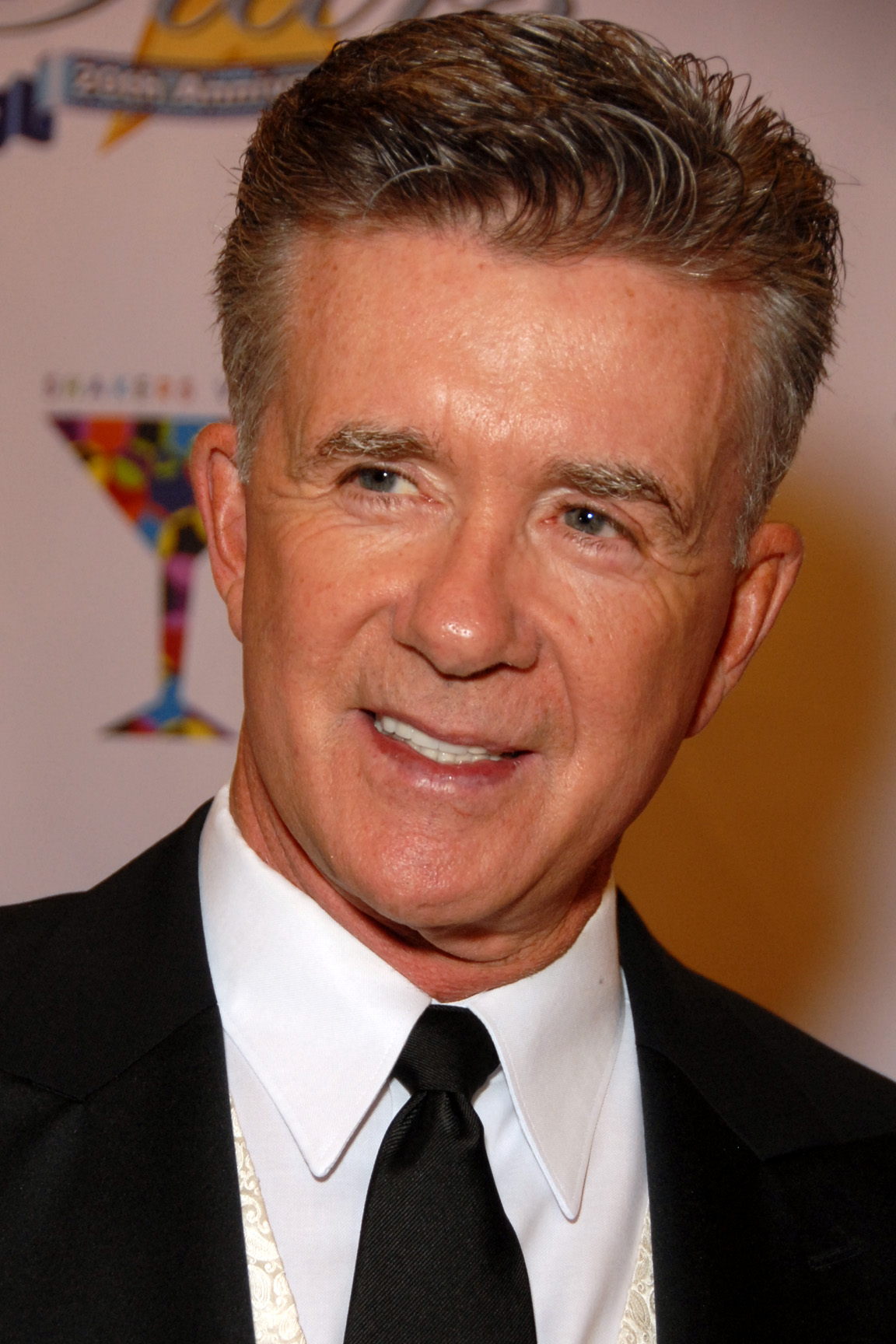
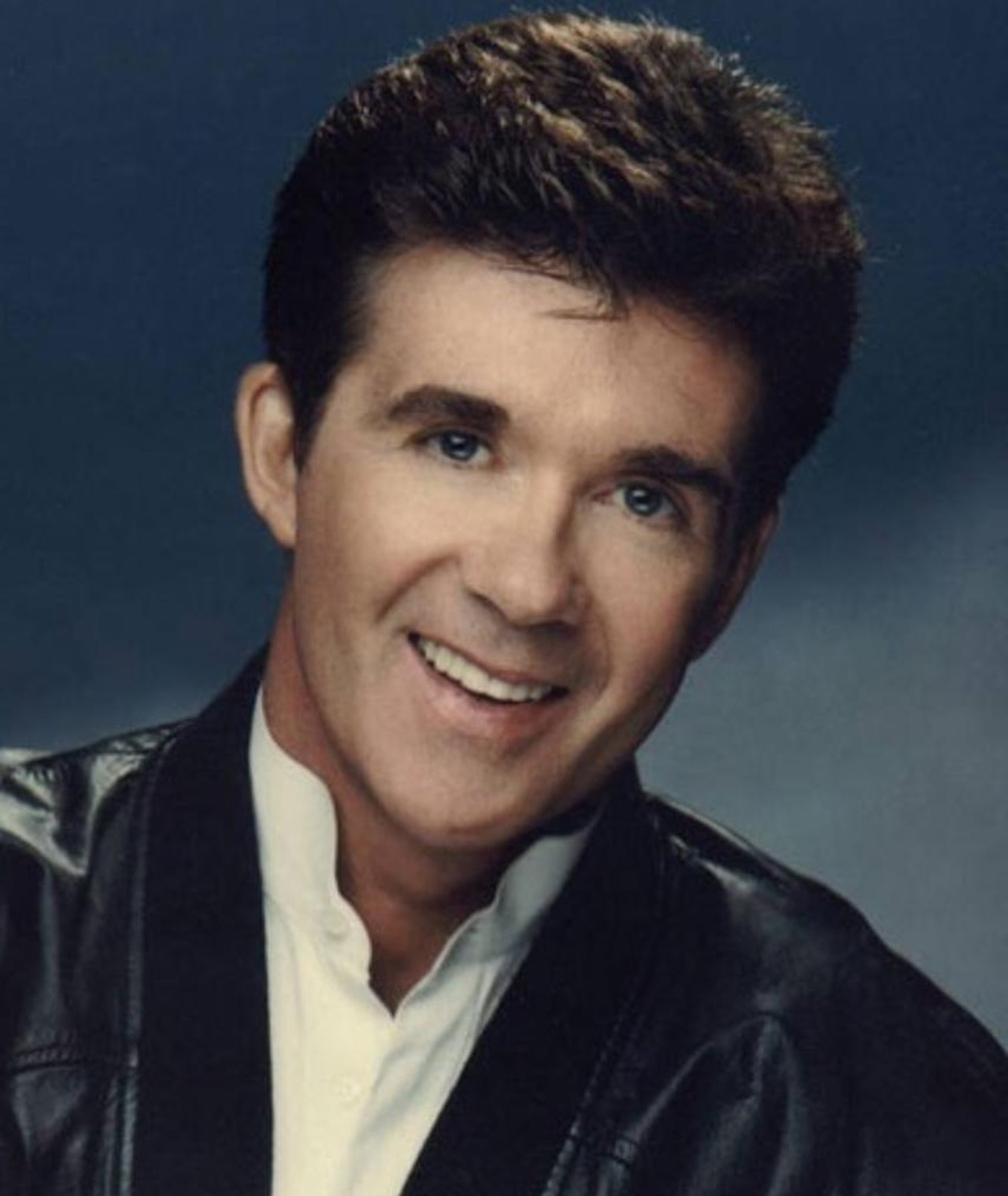
Alan Thicke was a multi-talented Canadian icon best known for his role as the quintessential TV father, Dr. Jason Seaver, on the hit sitcom Growing Pains. Beyond acting, Thicke was a prolific composer of legendary television theme songs, a charismatic talk show host, and a versatile film performer. As of 2026, his expansive body of work continues to influence the entertainment industry and remains widely available through digital syndication and streaming platforms.
The Definitive Sitcom Father: Growing Pains and the Seaver Legacy
For many viewers who grew up in the 1980s and early 1990s, Alan Thicke was the embodiment of the modern, supportive father. Growing Pains, which aired from 1985 to 1992 on ABC, broke traditional sitcom molds by featuring a father who was a psychiatrist working from home while his wife, Maggie (played by Joanna Kerns), returned to the workforce as a journalist. This reversal of traditional mid-century gender roles provided a platform for Thicke to showcase a brand of fatherhood that was both authoritative and deeply empathetic.
The success of Growing Pains rested heavily on Thicke’s chemistry with his on-screen family, including Kirk Cameron, Tracey Gold, and Jeremy Miller. Thicke’s portrayal of Jason Seaver was characterized by "dad jokes," earnest heart-to-heart talks in the kitchen, and a patient approach to the burgeoning rebellions of his children. The show’s longevity—spanning seven seasons and 166 episodes—cemented Thicke’s status as "America’s Dad," a title he embraced with grace throughout his life. In 2026, the series remains a staple for fans of "comfort TV," frequently cited for its ability to handle serious issues like peer pressure and substance abuse with a mix of levity and sincerity.
The Sound of Television: Thicke’s Prolific Songwriting Career
One of the most surprising aspects of Alan Thicke’s career for casual fans is his massive contribution to the "Golden Age" of television theme songs. Long before he was a household name in acting, Thicke was a highly successful composer and lyricist. Working often with his first wife, Gloria Loring, and composer Al Burton, Thicke helped define the auditory landscape of 1970s and 80s television.
His most notable songwriting credits include the theme songs for Diff'rent Strokes ("It takes Diff'rent Strokes to move the world...") and The Facts of Life ("You take the good, you take the bad..."). These melodies are more than just catchy tunes; they were integral to the branding of the shows, often summarizing the entire premise of the series in under 60 seconds. Thicke also composed the original theme for the game show Wheel of Fortune, titled "Big Wheels," and the theme for The Joker's Wild. His ability to synthesize a show’s emotional core into a pop-inflected jingle made him one of the most sought-after creators in the industry during that era.
Beyond the Laugh Track: Notable Film Roles and Movie Appearances
While television was his primary domain, Alan Thicke maintained a steady presence in film, often leaning into his persona as a charming, slightly self-deprecating authority figure. His movie career began in earnest in the late 1980s, often alternating between made-for-TV movies and theatrical releases.
One of his most memorable film projects for a younger generation was the Disney Channel movie Not Quite Human (1987), where he played Dr. Jonas Carson, an inventor who creates an android son. The film's success led to two sequels, Not Quite Human II and Still Not Quite Human, establishing Thicke as a beloved figure in family-oriented sci-fi comedy. In his later years, Thicke demonstrated a keen sense of humor regarding his own celebrity, taking on roles in comedies like The Goods: Live Hard, Sell Hard (2009), where he played a seasoned car salesman. His filmography reflects a performer who was comfortable in his own skin, willing to lampoon his "perfect dad" image for the sake of a good laugh.
Hosting and Talk Shows: From Canada to Thicke of the Night
Before he conquered American scripted television, Alan Thicke was a superstar in his native Canada. The Alan Thicke Show (1980–1983) was a daytime talk and variety program that became a massive hit, showcasing his skills as an interviewer and entertainer. His success in Canada led to a bold attempt to challenge the king of late-night, Johnny Carson, with the syndicated American show Thicke of the Night in 1983.
Thicke of the Night was designed to be a hipper, more musical alternative to The Tonight Show, featuring a house band and a more informal set. However, the show struggled against Carson’s established dominance and was cancelled after one season. Despite its short run, the show is remembered as a significant moment in television history—a precursor to the more variety-focused late-night shows of the modern era. Thicke’s resilience after the show's cancellation is often cited by industry insiders as a testament to his professionalism; rather than fading away, he pivoted immediately to the audition that would land him the lead in Growing Pains.
A Lasting Cultural Impact: Cameos and Modern Television
In the 21st century, Alan Thicke became a favorite "special guest" for modern sitcoms and dramas. He famously played a fictionalized, hyper-Canadian version of himself on How I Met Your Mother, appearing in several episodes as a friend of Robin Scherbatsky. These cameos allowed him to lean into Canadian stereotypes and his own history as a 1980s icon, endearing him to a new generation of viewers who appreciated his comedic timing and self-awareness.
His final television appearance was a poignant cameo on the hit drama This Is Us in 2016, where he played himself on the set of a fictional sitcom. His passing shortly after the episode aired served as a somber reminder of the decades he spent as a fixture in American living rooms. By 2026, these late-career appearances are viewed as a "victory lap" for a man who understood the mechanics of fame and the importance of not taking oneself too seriously.
Summary of Alan Thicke's Major Contributions
The following table summarizes the key pillars of Alan Thicke’s career, illustrating the breadth of his influence across different media formats.
| Category | Notable Project(s) | Primary Role | Impact / Legacy |
|---|---|---|---|
| Sitcoms | Growing Pains (1985–1992) | Dr. Jason Seaver | Defined the "modern dad" archetype for the 1980s. |
| Music | Diff'rent Strokes, The Facts of Life | Composer/Songwriter | Created some of the most recognizable themes in TV history. |
| Talk Shows | The Alan Thicke Show, Thicke of the Night | Host | A pioneer of the Canadian talk-variety format. |
| Film | Not Quite Human Trilogy | Dr. Jonas Carson | Became a staple of 1980s family-friendly sci-fi. |
| Cameos | How I Met Your Mother, This Is Us | Himself | Successfully bridged the gap between Gen X and Millennial audiences. |
Where to Watch: Accessing Alan Thicke’s Work in 2026
As of 2026, fans looking to revisit Alan Thicke’s filmography have several reliable options. The digital landscape has made it easier than ever to access legacy content, though availability can vary by region due to licensing agreements.
- Subscription Streaming: Growing Pains is frequently available on platforms like HBO Max or Amazon Prime Video, often included in "classic TV" libraries.
- Digital Purchase/Rental: For his movies like The Goods or the Not Quite Human series, platforms such as Apple TV and the Google Play Store offer individual titles for purchase.
- Ad-Supported Services: Platforms like Pluto TV or Tubi often feature "Throwback" channels where Growing Pains and his various game show appearances (such as Pictionary) are broadcast in a linear format.
- Music Platforms: For his songwriting work, his theme songs are widely available on Spotify and YouTube Music, often found on "Greatest TV Themes" compilations.
Why Alan Thicke Remains Relevant
Alan Thicke’s relevance in 2026 stems from his versatility. He was not just an actor; he was a creator who understood the architecture of a successful show. Whether he was writing a hook for a theme song or delivering a monologue about teenage responsibility, he operated with a level of professionalism that set a standard for the industry. His ability to transition from a Canadian talk show host to a global sitcom star serves as a blueprint for multi-hyphenate entertainers today.
Common Misconceptions
A common misconception is that Thicke was strictly a comedic actor. In reality, his early career was rooted in writing and producing. He worked behind the scenes for years before stepping in front of the camera, which gave him a unique perspective on the business side of Hollywood. Additionally, while many associate him exclusively with the United States, he remained a staunch Canadian citizen throughout his life, frequently returning to support Canadian arts and sports.
Troubleshooting Access to Legacy Content
If you are searching for his more obscure work, such as Thicke of the Night or his Canadian talk show episodes, you may need to look toward archival sites or specialized YouTube channels dedicated to television history. Many of these programs have not been fully remastered for high-definition streaming, so the quality may reflect the standard-definition broadcast era of the 1980s.
Related Frequently Asked Questions
Was Alan Thicke a professional songwriter?
Yes, Thicke was a highly successful songwriter long before his acting fame. He co-wrote the theme songs for iconic shows like The Facts of Life and Diff'rent Strokes. His music career was a significant source of his early success and industry connections, and he remained active in the music world, even collaborating with his son, pop star Robin Thicke, later in life.
How did Alan Thicke pass away?
Alan Thicke passed away on December 13, 2016, at the age of 69. He suffered a ruptured type-A aortic dissection while playing hockey with his youngest son, Carter. His sudden death was a shock to the entertainment world, leading to a massive outpouring of tributes from former co-stars and fans who grew up watching him on Growing Pains.
What was Alan Thicke's last TV show?
His final scripted television appearance was a cameo on the NBC drama This Is Us in the episode "Pilot," which aired in late 2016. He also appeared in the reality series Unusually Thicke, which blended his real life with scripted comedic elements, showcasing his family life and his enduring sense of humor about his celebrity status.
Is Alan Thicke related to Robin Thicke?
Yes, Alan Thicke was the father of the successful R&B singer and "Blurred Lines" performer Robin Thicke. Alan was very supportive of Robin's music career, and the two shared a close bond. Robin has frequently credited his father's musical background and work ethic as the primary inspirations for his own journey into the entertainment industry.
Exploring the Seaver Legacy Further
For those interested in the cultural history of the 1980s, studying the career of Alan Thicke offers a masterclass in versatility. To truly appreciate his impact, one should look beyond Growing Pains and listen to the theme songs he composed; they are the literal "soundtrack" of an era. To stay updated on any new documentaries or remastered releases of his work, following official archives or major streaming "New Release" schedules is the best course of action.