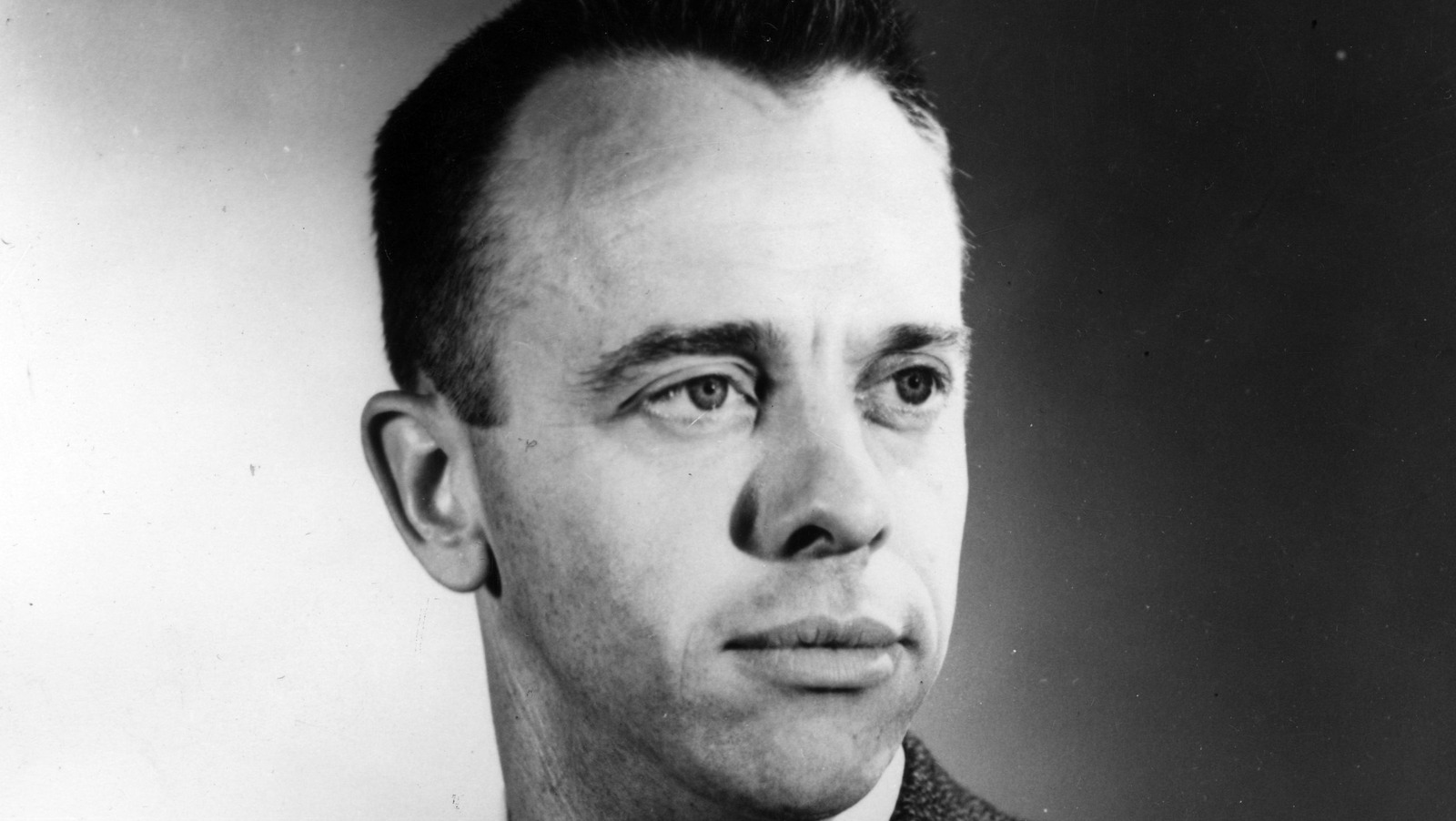
Alan Shepard died on July 21, 1998, at the age of 74, following a private two-year battle with leukemia. He passed away at the Community Hospital of the Monterey Peninsula in California. As the first American in space and the commander of Apollo 14, his death marked the loss of a foundational figure in the history of human spaceflight and exploration.
The Circumstances of Alan Shepard’s Death
The passing of Rear Admiral Alan B. Shepard Jr. in the summer of 1998 resonated deeply across the aerospace community and the public. Shepard had been diagnosed with chronic lymphocytic leukemia (CLL) approximately two years prior to his death. Throughout this period, he maintained a high degree of privacy, a trait that characterized much of his post-NASA life. While the public was aware that the aging hero was less active in his final months, the severity of his illness was not widely known until his hospitalization.
Chronic lymphocytic leukemia is a type of cancer that starts in the white blood cells (lymphocytes) in the bone marrow. In 1998, treatment options were more limited than those available in 2026, and the progression of the disease eventually led to complications that his body could no longer fight. At the time of his death, Shepard was living in Pebble Beach, California, a place where he had spent much of his retirement enjoying his passion for golf and business.
His death occurred just four days after the 29th anniversary of the Apollo 11 moon landing and only a year before the 30th-anniversary celebrations he had hoped to attend. The timing served as a poignant reminder of the mortality of the "Mercury Seven," the original group of astronauts who became the face of the American space race. Shepard was the second member of that elite group to pass away, following Deke Slayton in 1993.
The Final Years: Life Beyond the Stars
Following his retirement from both NASA and the United States Navy in 1974, Alan Shepard transitioned into a highly successful second career in the private sector. Unlike many of his peers who remained solely in advisory or symbolic roles, Shepard was a shrewd businessman. He became a millionaire through investments in banking and real estate, and he served as the chairman of the Astronaut Scholarship Foundation, an organization dedicated to supporting the next generation of scientists and engineers.
In his final years, Shepard remained an advocate for the expansion of the space program. He often spoke about the necessity of returning to the Moon and eventually reaching Mars, viewing the Apollo missions not as a finished chapter but as a prologue. Despite his declining health in the late 1990s, he continued to participate in events that celebrated the history of the Mercury and Apollo programs, though he did so with the quiet dignity of a man who preferred the future over the past.
His residency in Pebble Beach allowed him to indulge in golf, the sport he famously introduced to the lunar surface. Neighbors and colleagues from that era often described him as intense and competitive, yet deeply committed to his family and his charitable endeavors. This period of his life was marked by a shift from the "steely-eyed missile man" persona of the 1960s to a respected elder statesman of American industry.
A Double Tragedy: The Passing of Louise Shepard
One of the most heart-wrenching aspects of Alan Shepard's death was the fate of his wife, Louise Brewer Shepard. The couple had been married for 53 years, a partnership that had survived the extreme pressures of the Cold War space race and the dangerous nature of Shepard’s test-pilot career.
Just five weeks after Alan passed away, Louise Shepard died suddenly on August 25, 1998, at the age of 76. She suffered a heart attack while aboard an airplane traveling from Monterey to Houston. Many family friends and historians have characterized her death as a result of a "broken heart," noting the profound bond the two shared.
The Shepards were often cited as the "ideal" NASA couple, maintaining a stable home life despite the media frenzy that surrounded the Mercury Seven. Their joint passing within such a short window of time led to a shared memorial service that celebrated their lives together. Their ashes were scattered at sea near their home in Pebble Beach, symbolizing a final journey taken together.
Chronology of a Historic Career
To understand the weight of Alan Shepard's death, one must examine the milestones that defined his life. From the cockpit of a fighter jet to the dusty plains of Fra Mauro, Shepard’s career was a series of "firsts" and "onlys."
| Date | Event | Mission/Organization | Significance |
|---|---|---|---|
| May 5, 1961 | First American in Space | Mercury-Redstone 3 (Freedom 7) | Completed a 15-minute suborbital flight, proving humans could function in space. |
| 1963–1969 | Grounded for Health | NASA / Medical Leave | Diagnosed with Meniere's disease; served as Chief of the Astronaut Office. |
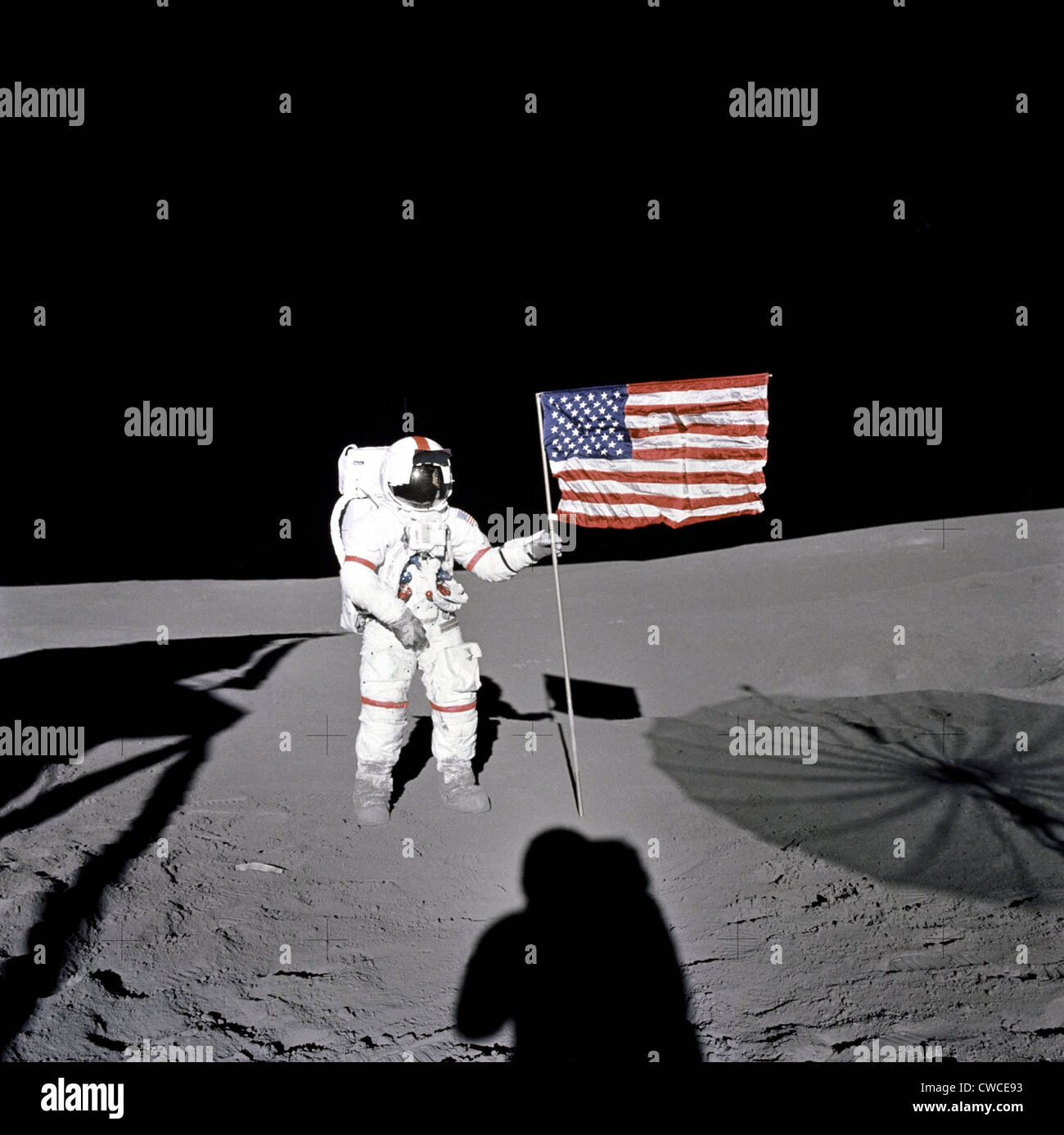
| Feb 5, 1971 | Fifth Person on the Moon | Apollo 14 | At age 47, became the oldest person to walk on the Moon during the third successful landing. |
| 1971 | Famous Lunar Golf Shot | Apollo 14 | Hit two golf balls with a makeshift 6-iron, creating an iconic cultural moment. |
| 1974 | Retirement | US Navy / NASA | Retired with the rank of Rear Admiral. |
| 1984 | Foundation Launch | Astronaut Scholarship Foundation | Co-founded the organization to provide scholarships to STEM students. |
The Battle with Meniere’s Disease: A Technical Hurdle
A significant part of Shepard’s legacy is his resilience in the face of medical adversity. In 1963, shortly after his historic Mercury flight, Shepard was diagnosed with Meniere’s disease, an inner ear disorder characterized by episodes of vertigo, tinnitus, and hearing loss. For an astronaut, this was a career-ending diagnosis, as it affected the vestibular system critical for orientation in flight.
Shepard was grounded for several years, during which he served as the Chief of the Astronaut Office, overseeing the selection and training of crews for the Gemini and Apollo missions. However, his determination to return to space led him to undergo an experimental surgery in 1968. The procedure involved inserting a small silicone tube (a shunt) to drain excess fluid from the inner ear.
The surgery was a success, and Shepard was restored to full flight status in 1969. This medical "comeback" allowed him to command Apollo 14. His ability to overcome a debilitating condition to eventually walk on the Moon remains an inspiration to pilots and astronauts today, demonstrating the intersection of medical innovation and personal willpower.
The Apollo 14 Legacy and the "Golf Ball" Moment
While Shepard is most famous for being the first American in space, his command of Apollo 14 in 1971 provided the scientific and cultural highlights of his career. Following the near-disaster of Apollo 13, the pressure on Shepard and his crew (Edgar Mitchell and Stuart Roosa) was immense. A failure on Apollo 14 could have resulted in the cancellation of the remaining Apollo missions.
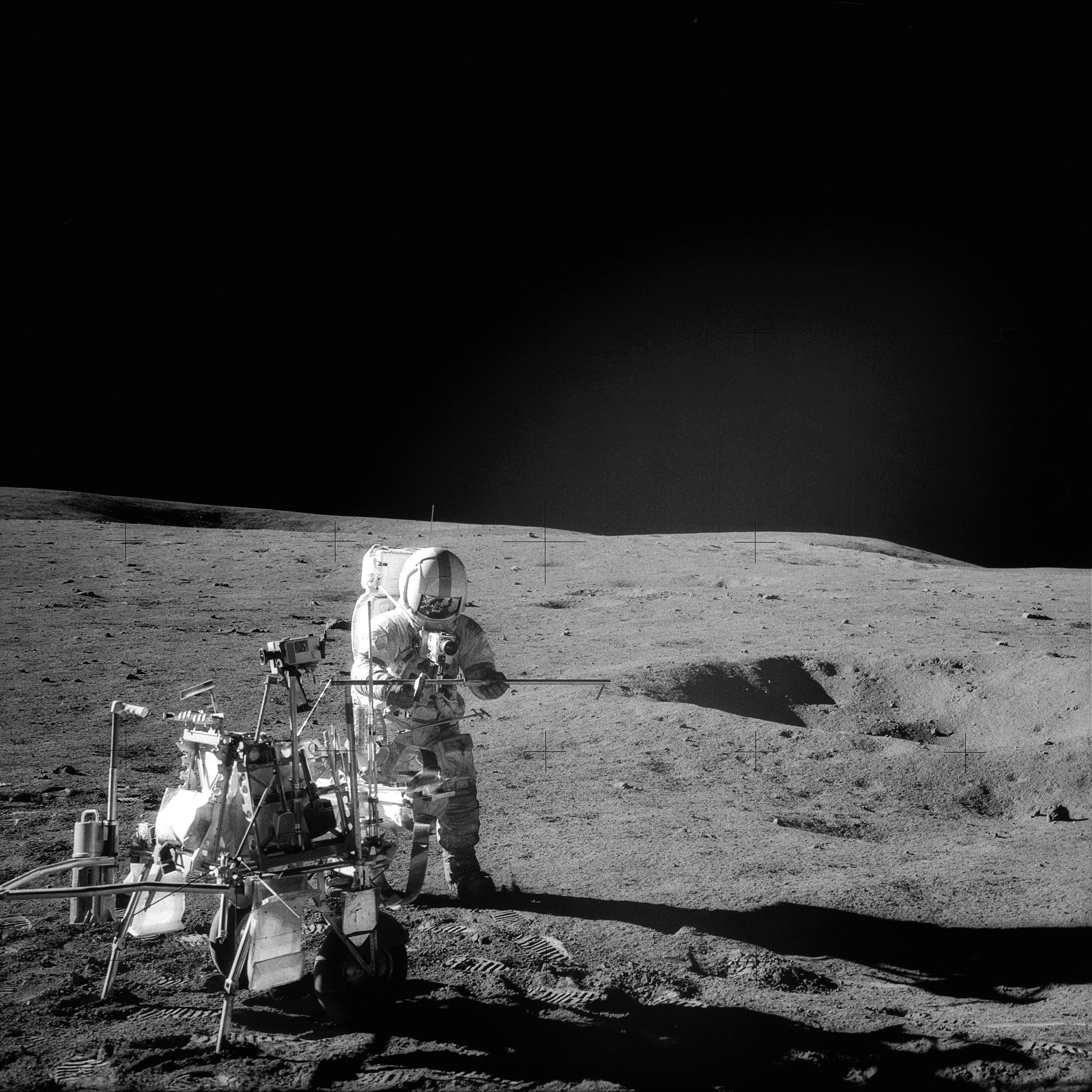
The mission was a technical triumph. Shepard and Mitchell spent over 33 hours on the lunar surface, collecting 94 pounds of moon rocks and deploying a suite of scientific instruments. However, the most enduring image of the mission is Shepard’s golf swing. Using a makeshift club—a six-iron head attached to a sampling tool handle—Shepard struck two golf balls. He famously claimed the second one went for "miles and miles and miles" in the low lunar gravity.
Beyond the humor, the golf swing served a psychological purpose, humanizing the space program at a time when public interest was beginning to wane. It showcased the "Right Stuff"—the combination of technical excellence and a cool, charismatic demeanor that Shepard embodied perfectly.
Posthumous Honors and Contemporary Recognition
As of 2026, Alan Shepard's influence continues to be felt through various honors and modern aerospace developments. His name is synonymous with the pioneering spirit of the 20th century, and several key entities preserve his memory:
- The Alan Shepard Discovery Center: Located in Concord, New Hampshire (his birthplace), this science museum and planetarium serves as a hub for STEM education.
- Blue Origin’s New Shepard: Jeff Bezos’s aerospace company named its suborbital launch vehicle "New Shepard" in honor of Alan Shepard’s suborbital flight in 1961. This vehicle has since carried dozens of civilians to the edge of space, continuing Shepard's legacy of suborbital exploration.
- The Astronaut Scholarship Foundation (ASF): The foundation Shepard helped start has awarded millions of dollars in scholarships. In 2026, the ASF remains one of the most prestigious academic support organizations for high-achieving science and engineering students in the United States.
- Navy Vessels: The USNS Alan Shepard (T-AKE-3), a Lewis and Clark-class dry cargo ship, was named in his honor, recognizing his rank as a Rear Admiral and his service as a naval aviator.
FAQ: Understanding Alan Shepard’s Final Journey
What type of cancer did Alan Shepard have?
Alan Shepard died from complications of chronic lymphocytic leukemia (CLL). This is a slow-growing cancer of the blood and bone marrow. He battled the disease for approximately two years before his death in 1998.
Did Alan Shepard really hit a golf ball on the Moon?
Yes, during the Apollo 14 mission in 1971, Shepard used a Wilson six-iron head attached to a lunar sampling tool handle to hit two golf balls. Due to the lack of atmosphere and low gravity, the balls traveled significantly further than they would on Earth, though modern estimates suggest they traveled a few hundred yards rather than "miles."
Why was Alan Shepard grounded for several years?
He was grounded due to Meniere's disease, an inner ear disorder that caused severe dizziness and nausea. He was unable to fly until an experimental surgery in 1968 successfully treated the condition, allowing him to return to flight status for the Apollo program.
Where is Alan Shepard buried?
Alan Shepard was not buried in a traditional grave. Following his death in 1998, his body was cremated. His ashes, along with those of his wife Louise, were scattered at sea by the U.S. Navy off the coast of Pebble Beach, California.
Was Alan Shepard the first person in space?
No, he was the first American in space. The first human in space was the Soviet cosmonaut Yuri Gagarin, who completed an orbital flight on April 12, 1961, just weeks before Shepard’s suborbital flight on May 5, 1961.
Honoring the Shepard Legacy Today
For those looking to connect with the history of Alan Shepard and the early days of space exploration, several modern avenues exist. Visiting the Alan Shepard Discovery Center in New Hampshire provides an intimate look at his early life and the technical specifications of the Mercury-Redstone missions.
Furthermore, supporting the Astronaut Scholarship Foundation is perhaps the most direct way to honor his final mission of fostering scientific excellence. As NASA moves forward with the Artemis program to return humans to the Moon, Shepard’s role as the fifth lunar explorer serves as a bridge between the foundational achievements of the 1970s and the multi-planetary goals of the mid-21st century.
By studying his life—from the risks of Freedom 7 to the resilience required to overcome Meniere's disease—future explorers can learn that the journey to the stars is often paved by overcoming significant earthly challenges.