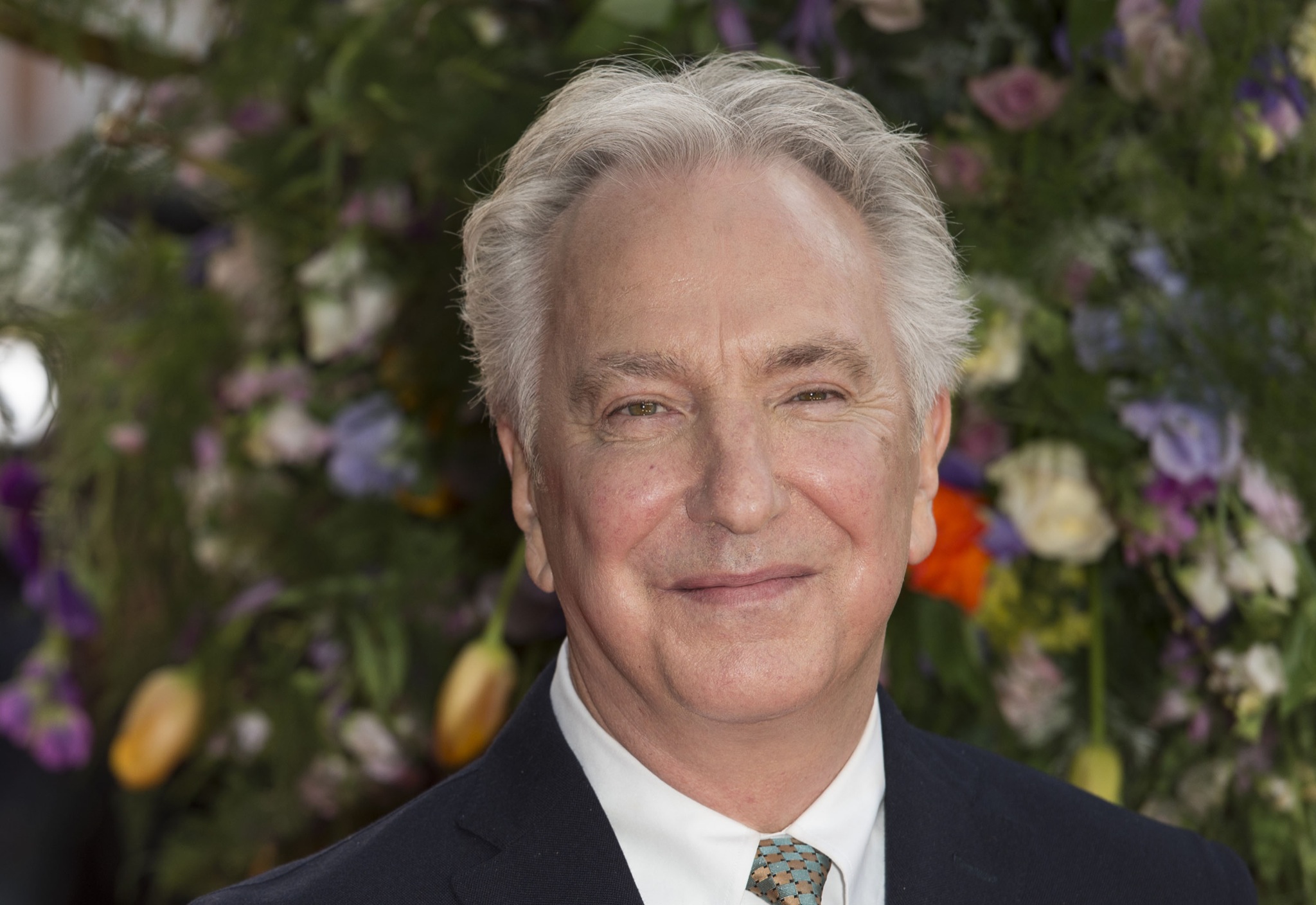
Alan Rickman’s filmography spans nearly four decades, featuring over 50 film and television credits that define the standard for character acting. From his legendary debut as Hans Gruber in Die Hard (1988) to his decade-long portrayal of Severus Snape in the Harry Potter series, Rickman established himself as one of cinema’s most versatile, commanding, and beloved performers.
The Evolution of a Screen Icon: From Stage to Hollywood
Before Alan Rickman became a household name in cinema, he was a formidable presence in British theater. A graduate of the Royal Academy of Dramatic Art (RADA), Rickman spent years honing his craft with the Royal Shakespeare Company. His transition to film was unusually late for a modern star; he was 41 years old when he landed his first major film role. However, that role—Hans Gruber in Die Hard—changed the trajectory of action cinema forever.
The "Rickman Villain" became a trope of its own: a sophisticated, highly educated, and often witty antagonist who felt more dangerous because of his intellect than his physical prowess. Yet, to pigeonhole Rickman as merely a villain is to ignore the immense depth he brought to romantic dramas and deadpan comedies. By the turn of the millennium, Rickman had successfully navigated the transition from a specialized character actor to a global superstar, largely thanks to his role in the Harry Potter franchise. As of 2026, his work continues to be studied by aspiring actors for its precision, vocal control, and emotional nuance.
The Definitive Alan Rickman Filmography (1978–2016)
The following table provides a comprehensive list of Alan Rickman’s credited film and major television movie roles. This list captures his progression from early television adaptations to his final posthumous releases.
| Year | Title | Role | Category/Note |
|---|---|---|---|
| 1978 | Romeo & Juliet | Tybalt | TV Movie (BBC) |
| 1982 | The Barchester Chronicles | Obadiah Slope | TV Mini-series |
| 1988 | Die Hard | Hans Gruber | Feature Film Debut |
| 1989 | The January Man | Ed the Painter | Mystery/Thriller |
| 1990 | Quigley Down Under | Elliott Marston | Western |
| 1990 | Truly, Madly, Deeply | Jamie | Romantic Fantasy |
| 1991 | Robin Hood: Prince of Thieves | Sheriff of Nottingham | BAFTA Winner |
| 1991 | Close My Eyes | Sinclair Bryant | Drama |
| 1991 | Closet Land | The Interrogator | Psychological Drama |
| 1992 | Bob Roberts | Lukas Hart III | Satirical Mockumentary |
| 1994 | Mesmer | Franz Mesmer | Biographical Drama |
| 1995 | An Awfully Big Adventure | P.L. O'Hara | Comedy/Drama |
| 1995 | Sense and Sensibility | Colonel Christopher Brandon | Period Drama |
| 1996 | Rasputin: Dark Servant of Destiny | Grigori Rasputin | Emmy & Golden Globe Winner |
| 1996 | Michael Collins | Éamon de Valera | Historical Drama |
| 1997 | The Winter Guest | Man on Street | Also Directed/Co-wrote |
| 1998 | Judas Kiss | Detective David Friedman | Crime/Noir |
| 1998 | Dark Harbor | David Weinberg | Thriller |
| 1999 | Dogma | Metatron | Comedy/Fantasy |
| 1999 | Galaxy Quest | Alexander Dane / Dr. Lazarus | Sci-Fi Comedy |
| 2000 | Help! I'm a Fish | Joe | Voice Role |
| 2001 | Blow Dry | Phil Allen | Comedy |
| 2001 | Harry Potter and the Philosopher's Stone | Severus Snape | Franchise Debut |
| 2001 | The Search for John Gissing | John Gissing | Comedy |
| 2002 | Harry Potter and the Chamber of Secrets | Severus Snape | Fantasy |
| 2003 | Love Actually | Harry | Romantic Comedy |
| 2004 | Something the Lord Made | Dr. Alfred Blalock | TV Movie |
| 2004 | Harry Potter and the Prisoner of Azkaban | Severus Snape | Fantasy |
| 2005 | Harry Potter and the Goblet of Fire | Severus Snape | Fantasy |
| 2005 | The Hitchhiker's Guide to the Galaxy | Marvin the Paranoid Android | Voice Role |
| 2006 | Perfume: The Story of a Murderer | Antoine Richis | Period Thriller |
| 2006 | Snow Cake | Alex Hughes | Indie Drama |
| 2007 | Harry Potter and the Order of the Phoenix | Severus Snape | Fantasy |
| 2007 | Sweeney Todd: The Demon Barber of Fleet Street | Judge Turpin | Musical |
| 2007 | Nobel Son | Eli Michaelson | Dark Comedy/Drama |
| 2008 | Bottle Shock | Steven Spurrier | Comedy/Drama |
| 2009 | Harry Potter and the Half-Blood Prince | Severus Snape | Fantasy |
| 2010 | Alice in Wonderland | Absolem the Caterpillar | Voice Role |
| 2010 | Harry Potter and the Deathly Hallows – Part 1 | Severus Snape | Fantasy |
| 2011 | Harry Potter and the Deathly Hallows – Part 2 | Severus Snape | Franchise Finale |
| 2012 | Gambit | Lord Shahbandar | Comedy |
| 2013 | The Butler | Ronald Reagan | Historical Drama |
| 2013 | A Promise | Karl Hoffmeister | Period Romance |
| 2013 | CBGB | Hilly Kristal | Biographical Drama |
| 2014 | A Little Chaos | King Louis XIV | Also Directed/Co-wrote |
| 2015 | Eye in the Sky | Lieutenant General Frank Benson | Final Live-Action Role |
| 2016 | Alice Through the Looking Glass | Absolem (Voice) | Posthumous Release |
Defining Archetypes: The Villain, The Romantic, and The Wit
Alan Rickman’s career was defined by his ability to inject humanity into characters that, on paper, might seem one-dimensional. He avoided the trap of being "just a villain" by diversifying his roles precisely when Hollywood began to typecast him.
The Sophisticated Antagonist
Rickman’s portrayal of Hans Gruber in Die Hard remains the blueprint for the modern cinematic villain. Unlike the muscle-bound antagonists of the early 80s, Gruber was a "gentleman terrorist" with an appreciation for fine tailoring and classical education. He followed this with a scenery-chewing, BAFTA-winning performance as the Sheriff of Nottingham in Robin Hood: Prince of Thieves. In both instances, Rickman used his distinctive baritone voice and deliberate pacing to dominate every scene he inhabited.
The Romantic and Internalized Hero
In 1995, Rickman subverted his "bad guy" image by playing Colonel Brandon in Jane Austen’s Sense and Sensibility. His performance was a masterclass in restraint, portraying a man of deep feeling who communicates through subtle glances rather than grand gestures. Similarly, in Truly, Madly, Deeply, he played a ghost returning to comfort his grieving partner, showcasing a vulnerability and musicality that surprised audiences used to his harsher roles.
The Master of Deadpan Comedy
Rickman possessed an impeccable sense of comic timing, often rooted in world-weariness or dry sarcasm. As the Shakespearean-trained Alexander Dane in Galaxy Quest, he portrayed the indignity of a "serious" actor trapped in a sci-fi trope—a role that mirrored his own life with a wink to the audience. His work in Kevin Smith’s Dogma as the Metatron (the voice of God) further cemented his ability to handle absurdist dialogue with absolute gravity, making the humor even more effective.
The Snape Legacy: A Decade of Mystery
No discussion of Alan Rickman’s movies is complete without the Harry Potter series. Across eight films, Rickman portrayed Severus Snape with a consistency that is rare in long-running franchises. Famously, Rickman was one of the few people J.K. Rowling entrusted with the truth about Snape’s ultimate motivations long before the final book was published.
This "insider knowledge" allowed Rickman to layer his early performances with subtle cues that only made sense upon a second viewing after the series' conclusion. The role of Snape required a delicate balance of cruelty and hidden heroism, which Rickman delivered through his trademark pauses and clipped articulation. By the time Harry Potter and the Deathly Hallows – Part 2 was released in 2011, Rickman had turned a secondary antagonist into the emotional heart of the entire saga.
Behind the Camera: Rickman as Director
Though primarily known for his acting, Rickman was also an accomplished director. His directorial debut, The Winter Guest (1997), starring Emma Thompson and her mother Phyllida Law, was a stark, beautiful exploration of grief and mother-daughter dynamics set in a frozen Scottish town.
Nearly two decades later, he directed and starred in A Little Chaos (2014). This film, a period drama about the construction of the gardens at Versailles, reunited him with Kate Winslet. Rickman’s directorial style was much like his acting: patient, visually attentive, and deeply focused on the emotional truth of the characters. His dual role as director and as King Louis XIV demonstrated his enduring commitment to the collaborative nature of filmmaking.
Critical Recognition and Major Awards
While Alan Rickman is often cited as one of the best actors never to receive an Academy Award nomination, his trophy cabinet was far from empty. His peers and critics consistently recognized his contributions to both film and television.
- BAFTA Award: Won Best Actor in a Supporting Role for Robin Hood: Prince of Thieves (1991). He received three other BAFTA nominations for Truly, Madly, Deeply, Sense and Sensibility, and Michael Collins.
- Golden Globe & Emmy Awards: Won both for his transformative performance in the title role of the TV movie Rasputin: Dark Servant of Destiny (1996).
- Screen Actors Guild (SAG) Award: Won for Rasputin and received multiple nominations for the Harry Potter ensemble and Something the Lord Made.
In the years since his passing in 2016, there has been a significant retrospective appreciation of his work. His published diaries, Madly, Deeply, released in the early 2020s, provided fans and scholars with a deeper understanding of his rigorous approach to his roles and his often-humorous critiques of the film industry.
FAQs About Alan Rickman’s Film Career
What was Alan Rickman's last movie?
Alan Rickman’s final live-action appearance was in the drone warfare thriller Eye in the Sky (2015), where he played Lieutenant General Frank Benson. However, his final film credit overall was the voice of Absolem the Caterpillar in Alice Through the Looking Glass, which was released posthumously in 2016.
Did Alan Rickman do his own singing in Sweeney Todd?
Yes, Alan Rickman performed his own vocals for the role of Judge Turpin in Tim Burton's 2007 adaptation of Sweeney Todd: The Demon Barber of Fleet Street. Rickman had a musical background and had previously demonstrated his vocal abilities in various stage and film productions.
How many Harry Potter movies was Alan Rickman in?
Alan Rickman appeared in all eight Harry Potter films. He is one of a select group of actors, including Daniel Radcliffe, Emma Watson, Rupert Grint, and Robbie Coltrane, who maintained their roles throughout the entire decade-long production of the franchise (2001–2011).
Why was Alan Rickman so famous for his voice?
Rickman's voice was characterized by a deep, languid tone and impeccable "Received Pronunciation" (RP) English. Researchers have famously referred to it as the "perfect" male voice due to its frequency and reliability. His ability to use silence and specific word emphasis—often called the "Rickman Pause"—became a hallmark of his acting style.
Was Alan Rickman ever in a Western?
Yes, Rickman played the primary antagonist, Elliott Marston, in the 1990 Western Quigley Down Under opposite Tom Selleck. His portrayal of a refined but ruthless land-grabber in the Australian outback showcased his ability to bring his "sophisticated villain" archetype to a variety of genres.
Experiencing the Rickman Filmography
To truly appreciate Alan Rickman’s range, one should look beyond the blockbusters. While Die Hard and Harry Potter provide the foundation of his fame, his work in independent films like Snow Cake—where he plays a man befriending an autistic mother (Sigourney Weaver)—offers a glimpse into his capacity for understated empathy.
For those looking to explore his career in 2026, many of his films are available through major streaming archives and boutique physical media releases that feature his extensive commentary tracks. Starting with the "Villain Trilogy" (Die Hard, Robin Hood, and Harry Potter) followed by his romantic works (Sense and Sensibility, Love Actually) provides the most comprehensive view of an actor who refused to be limited by his own iconic voice.