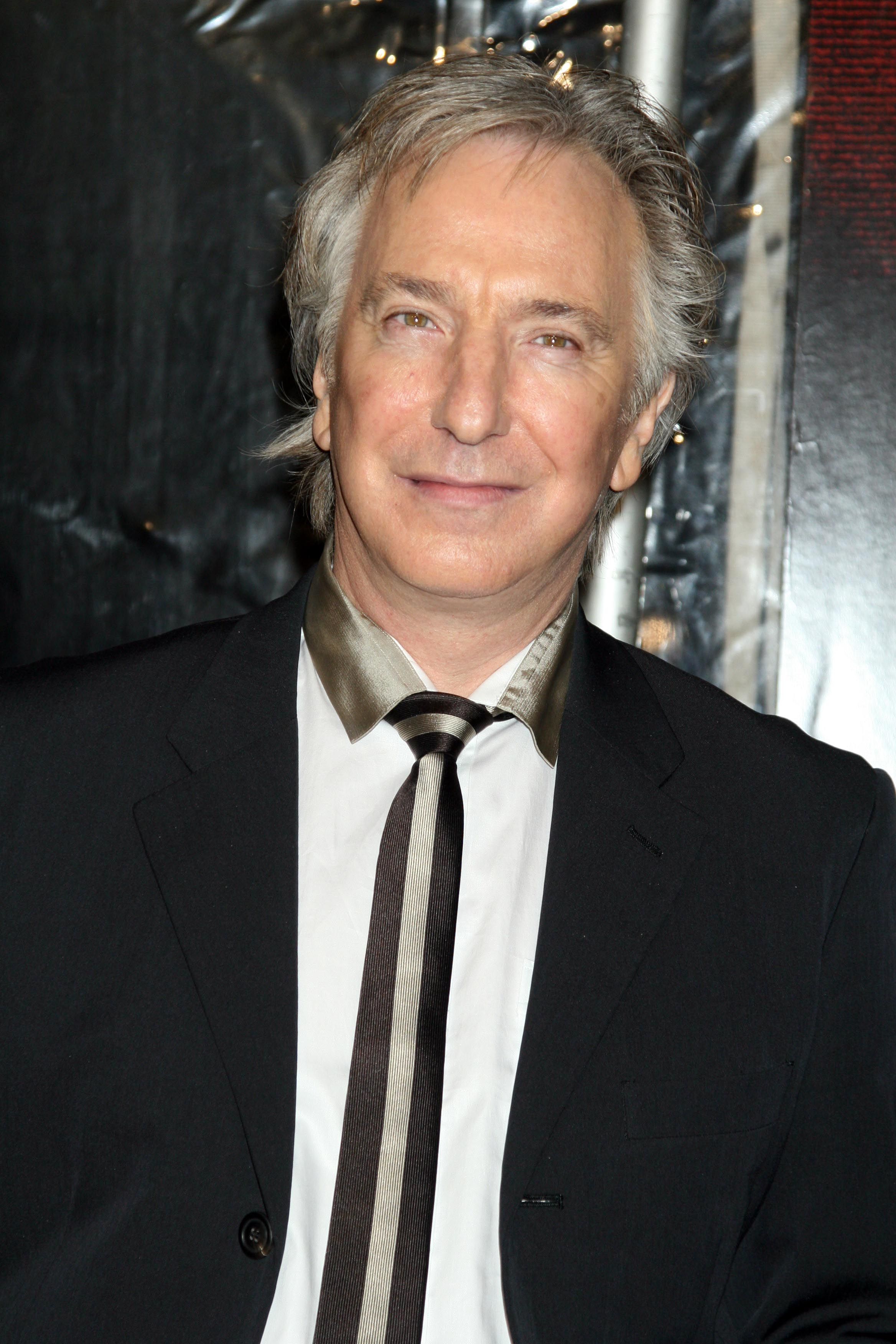
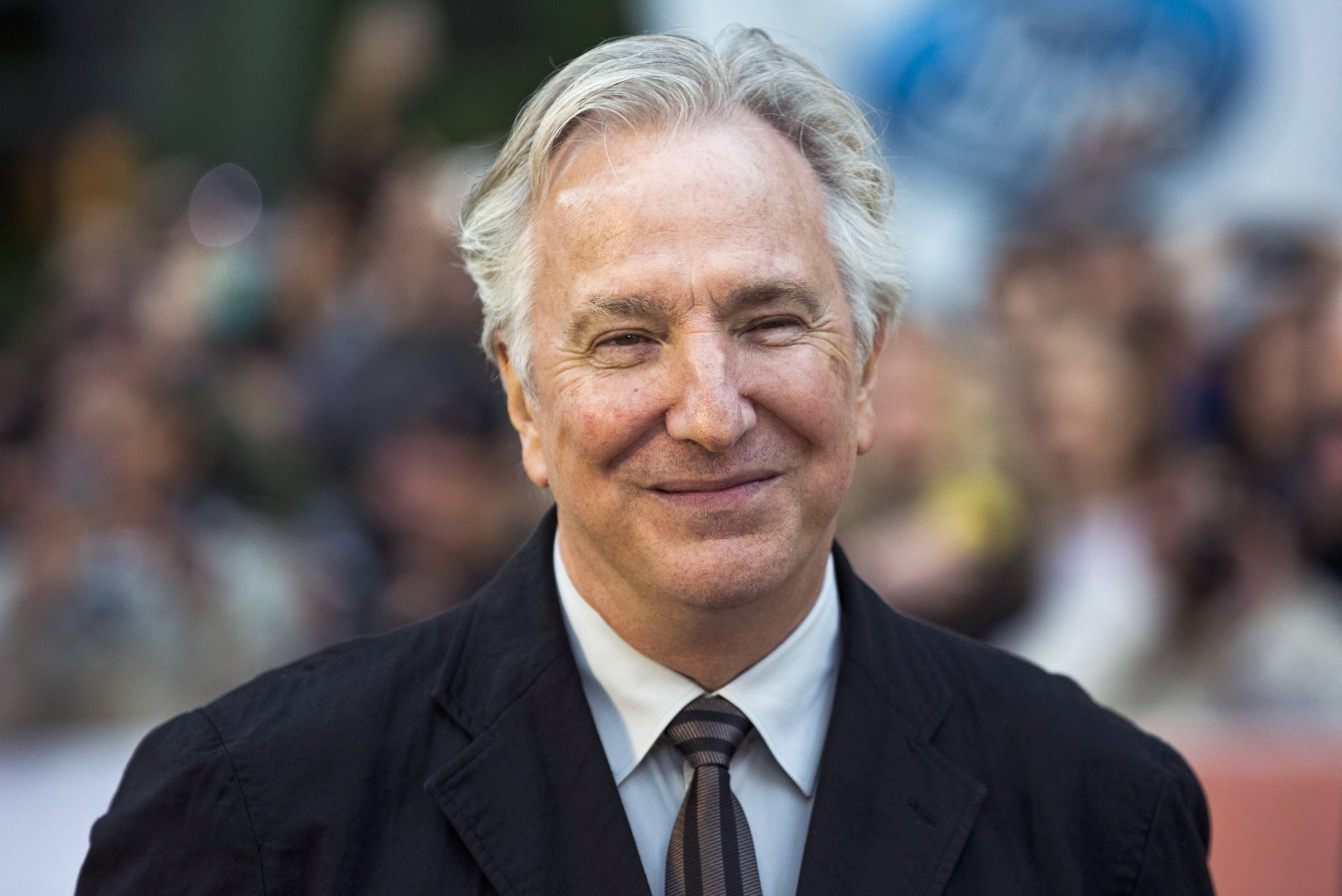
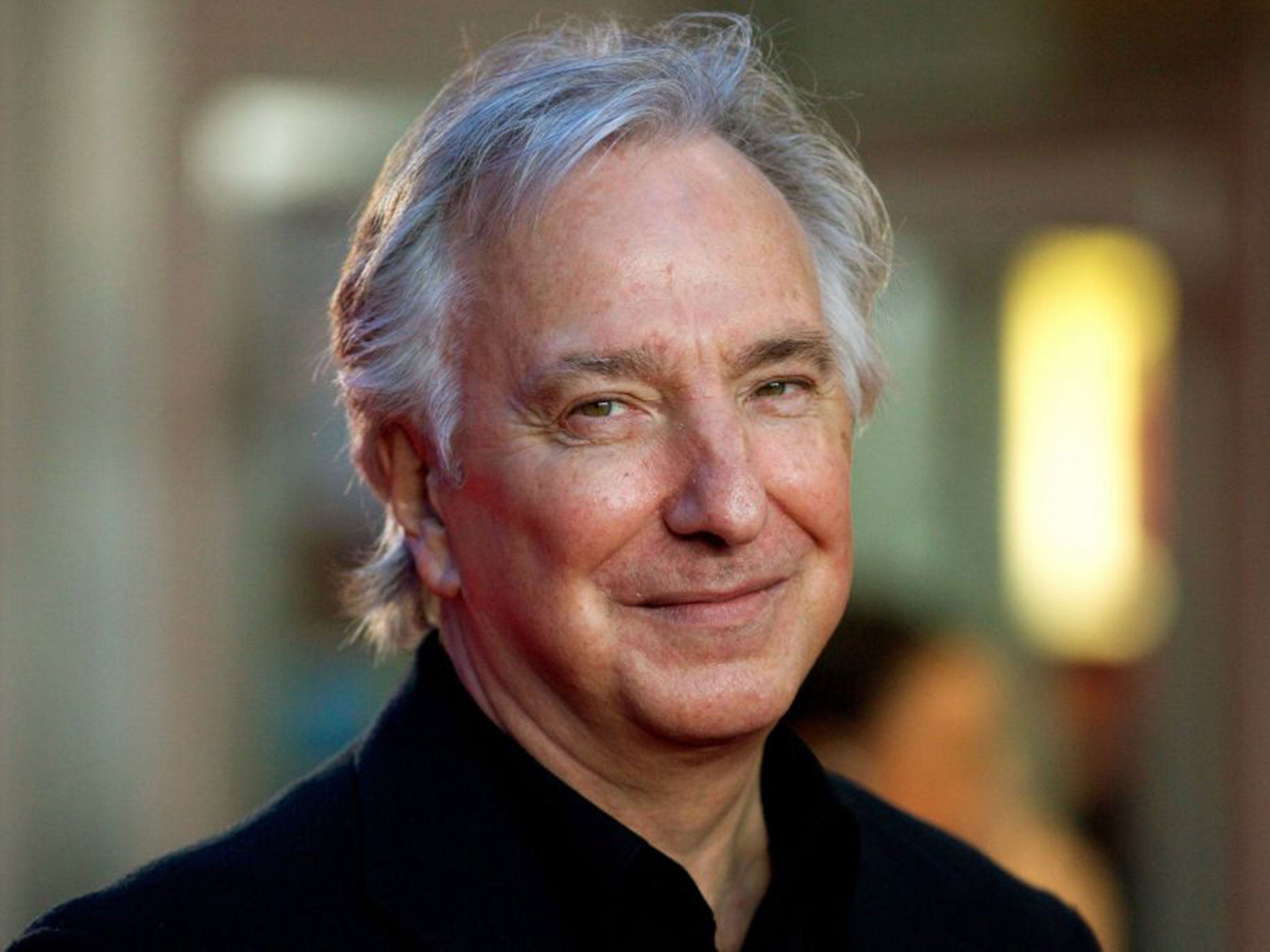
Alan Rickman was a transformative British actor and director whose career spanned four decades, characterized by his unmistakable languid voice and remarkable emotional range. Best known globally as Severus Snape in the Harry Potter franchise and Hans Gruber in Die Hard, he bridged the gap between classical Shakespearean theater and modern Hollywood cinema.
The Formative Years and the Transition from Design to Drama
Alan Sidney Patrick Rickman was born on February 21, 1946, in Acton, London, into a working-class family. His early life was marked by the loss of his father at age eight, leaving his mother to raise four children. This period of his life instilled a sense of pragmatism that initially led him away from the performing arts. Rickman was a talented graphic artist, attending the Chelsea College of Art and Design and later the Royal College of Art. Before fully committing to acting, he co-founded a successful graphic design studio called Graphiti.
However, the allure of the stage persisted. At the age of 26, a relatively late start for the profession, he wrote to the Royal Academy of Dramatic Art (RADA) requesting an audition. His acceptance into RADA marked the beginning of a rigorous period of classical training. Between 1972 and 1974, Rickman immersed himself in the works of Shakespeare and Chekhov, winning several prestigious awards including the Emile Littler Prize and the Bancroft Gold Medal. This classical foundation became the bedrock of his later success, providing him with the vocal control and physical presence that would become his professional signatures.
Upon leaving RADA, Rickman worked extensively with British repertory and experimental theater groups. His time with the Royal Shakespeare Company (RSC) was particularly influential. It was here that he developed the nuance required for high-stakes drama, though his relationship with the institution was occasionally fraught due to his preference for more contemporary, evolving performance styles.
The "Rickman Drawl" and the Architecture of a Villain
One cannot discuss Alan Rickman without addressing his voice. Often described as a "sonorous" or "languid" bass-baritone, it was the result of a physiological quirk—a tight jaw—that he transformed into a powerful acting tool. In 1985, his performance as the Vicomte de Valmont in the RSC’s production of Les Liaisons Dangereuses became a sensation. When the play moved to Broadway in 1987, Rickman received a Tony Award nomination, and his performance caught the eye of Hollywood producers.
This led directly to his film debut in 1988 as Hans Gruber in Die Hard. Rickman’s portrayal of the sophisticated, ruthless German terrorist redefined the "action movie villain." Rather than a caricatured brute, Gruber was an intellectual mirror to Bruce Willis’s John McClane. Rickman’s decision to play the character with a sense of refined boredom and meticulous planning set a new standard for the genre.
Following the success of Die Hard, Rickman was frequently cast as the antagonist, most notably as the Sheriff of Nottingham in Robin Hood: Prince of Thieves (1991). He famously accepted the role only on the condition that he be allowed total creative freedom with his lines. The result was a performance so charismatic and darkly comedic that it earned him a BAFTA for Best Actor in a Supporting Role, despite the film itself receiving mixed reviews.
Versatility Beyond the Antagonist: Romantic Leads and Comedy
While Hollywood often attempted to pigeonhole him as the villain, Rickman fought against this perception by seeking out diverse and emotionally complex roles. In 1990, he starred in Anthony Minghella’s Truly, Madly, Deeply, a poignant exploration of grief where Rickman played Jamie, a cellist who returns as a ghost to comfort his partner. This role showcased his capacity for immense tenderness and vulnerability, proving he could carry a romantic drama with as much weight as a blockbuster.
His range was further evidenced by his portrayal of Colonel Brandon in Ang Lee’s Sense and Sensibility (1995). Opposite Emma Thompson and Kate Winslet, Rickman delivered a masterclass in restrained longing. His performance remains a favorite among Jane Austen enthusiasts for its quiet strength and dignity.
Rickman also possessed a sharp comedic timing, often leaning into self-parody. In the sci-fi cult classic Galaxy Quest (1999), he played Alexander Dane, a classically trained actor embittered by his typecasting as an alien in a television series—a role that mirrored his own experiences with fame and typecasting. His delivery of the line, "By Grabthar's hammer, by the suns of Worvan, you shall be avenged," remains one of the most cited moments in comedic cinema.
The Severus Snape Era and the Harry Potter Phenomenon
In 2001, Rickman took on the role that would define him for a new generation: Severus Snape in Harry Potter and the Sorcerer's Stone. Throughout the eight-film series, Rickman portrayed the Potions Master with a combination of icy disdain and hidden depth.
Unique among the cast, Rickman was one of the few people to whom J.K. Rowling confided the ultimate trajectory of his character long before the final books were written. Rowling shared the secret behind the word "Always," explaining Snape’s lifelong devotion to Lily Potter. This knowledge allowed Rickman to infuse his early performances with subtle layers of protection and internal conflict that only became clear to the audience in the final film, Harry Potter and the Deathly Hallows – Part 2 (2011).
The complexity he brought to Snape transformed the character from a simple schoolroom antagonist into a tragic hero. His performance in the final installments is widely regarded as one of the finest in the entire franchise, balancing the character's bitterness with a profound, sacrificial love.
Directorial Pursuits and Artistic Contributions
Rickman was not content solely with performance; he had a deep-seated interest in the mechanics of storytelling and direction. In 1997, he directed The Winter Guest, starring Emma Thompson and her mother, Phyllida Law. The film, adapted from a play he had also directed, was a stark, beautiful meditation on the relationship between a mother and daughter in a frozen Scottish town. It received critical acclaim for its visual composition and sensitive handling of its subject matter.
His second directorial effort, A Little Chaos (2014), saw him take on the role of King Louis XIV while directing Kate Winslet. The film focused on the construction of the gardens at Versailles. As a director, Rickman was known for his "actor-first" approach, providing a collaborative environment that prioritized emotional truth over technical spectacle.
Key Career Milestones and Filmography Analysis
The following table highlights the pivotal roles that defined Alan Rickman’s career across various genres.
| Year | Title | Role | Category | Notable Recognition |
|---|---|---|---|---|
| 1985 | Les Liaisons Dangereuses | Le Vicomte de Valmont | Stage | Tony Award Nomination |
| 1988 | Die Hard | Hans Gruber | Film (Action) | Iconic Villain Debut |
| 1991 | Robin Hood: Prince of Thieves | Sheriff of Nottingham | Film (Adventure) | BAFTA Winner |
| 1991 | Truly, Madly, Deeply | Jamie | Film (Drama) | BAFTA Nomination |
| 1995 | Sense and Sensibility | Colonel Brandon | Film (Period Drama) | Screen Actors Guild Nom. |
| 1996 | Rasputin: Dark Servant of Destiny | Grigori Rasputin | TV Movie | Golden Globe & Emmy Winner |
| 1999 | Galaxy Quest | Alexander Dane | Film (Comedy) | Saturn Award Nomination |
| 2001-11 | Harry Potter Series | Severus Snape | Film (Fantasy) | Worldwide Recognition |
| 2014 | A Little Chaos | King Louis XIV | Film (History) | Director and Actor |
Personal Life and The Final Chapter
Despite his global fame, Rickman was intensely private. He met Rima Horton in 1965 when he was 19 and she was 18. They remained a devoted couple for the rest of his life, finally marrying in a private ceremony in New York City in 2012, though they did not announce it to the public until 2015. Horton was a labor party councillor and an economics lecturer, and their relationship was often cited as one of the most stable and enduring in the industry.
In August 2015, Rickman suffered a minor stroke, which led to the diagnosis of pancreatic cancer. He kept his illness extremely private, continuing to work and socialized with close friends. His death on January 14, 2016, at the age of 69, came as a profound shock to the world. The outpouring of grief from colleagues like Daniel Radcliffe, Emma Watson, and Sir Ian McKellen highlighted his reputation as a mentor, a loyal friend, and a man of great humor and generosity.
The Legacy of "Madly, Deeply" in 2026
A decade after his passing, Rickman’s influence remains palpable in the acting community. The 2022 publication of his diaries, Madly, Deeply: The Diaries of Alan Rickman, provided an unprecedented look into his internal world. In 2026, these diaries continue to be a vital resource for aspiring actors, revealing his frustrations with the industry, his meticulous preparation for roles, and his deep love for the theater.
His legacy is also preserved through the various charities he supported, including Saving Faces and the International Performers' Aid Trust (IPAT). Rickman was a firm believer in the power of art to affect social change and spent much of his later life mentoring young actors and supporting the arts in underserved communities.
Frequently Asked Questions
What was unique about Alan Rickman's voice?
Alan Rickman’s voice was a deep, resonant bass-baritone characterized by a slow, deliberate pace and precise diction. Linguists and vocal coaches often pointed to his ability to use "vocal fry" and pauses to create tension. His distinctive delivery was actually a result of a speech impediment he had as a child—a tight lower jaw—which he successfully trained into a unique stylistic asset.
Did Alan Rickman enjoy playing villains?
While Rickman found great success playing villains like Hans Gruber and the Sheriff of Nottingham, he often expressed a desire to avoid being typecast. He famously stated, "I don't play villains, I play very interesting people." He preferred roles with complexity and depth, which is why he gravitated toward characters like Severus Snape, who bridged the gap between hero and antagonist.
What awards did Alan Rickman win during his career?
Alan Rickman won several major awards, including a BAFTA for Robin Hood: Prince of Thieves, a Golden Globe, an Emmy, and a Screen Actors Guild Award for his title role in the 1996 TV movie Rasputin: Dark Servant of Destiny. Despite his critical acclaim, he never won an Academy Award, a fact often cited by critics as a notable oversight by the Oscars.
How did Alan Rickman feel about the Harry Potter films?
Rickman had a complex relationship with the Harry Potter franchise. His diaries revealed that he occasionally felt frustrated by the filmmaking process and debated leaving the role of Snape. However, his commitment to the character remained steadfast because of the "secret" J.K. Rowling told him about Snape's true motivations, which he felt gave the character a necessary arc of redemption.
What was Alan Rickman's final film role?
Alan Rickman’s final on-screen role was in the 2015 thriller Eye in the Sky, where he played Lieutenant General Frank Benson. His final voice performance was as Absolem the Caterpillar in Alice Through the Looking Glass (2016), which was released posthumously and dedicated to his memory.
Exploring the Rickman Archive
To truly appreciate the depth of Alan Rickman’s craft, audiences are encouraged to look beyond his most famous blockbusters. While Die Hard and Harry Potter are essential viewing, his work in independent films and filmed stage performances reveals the true extent of his versatility.
For those interested in his directorial vision, The Winter Guest offers a profound look at his aesthetic sensibilities. Additionally, reading his published diaries provides a rare, unfiltered perspective on the life of a working actor who never lost his sense of curiosity or his commitment to artistic integrity. In 2026, the best way to honor his memory remains the continued study and enjoyment of his remarkably diverse body of work.