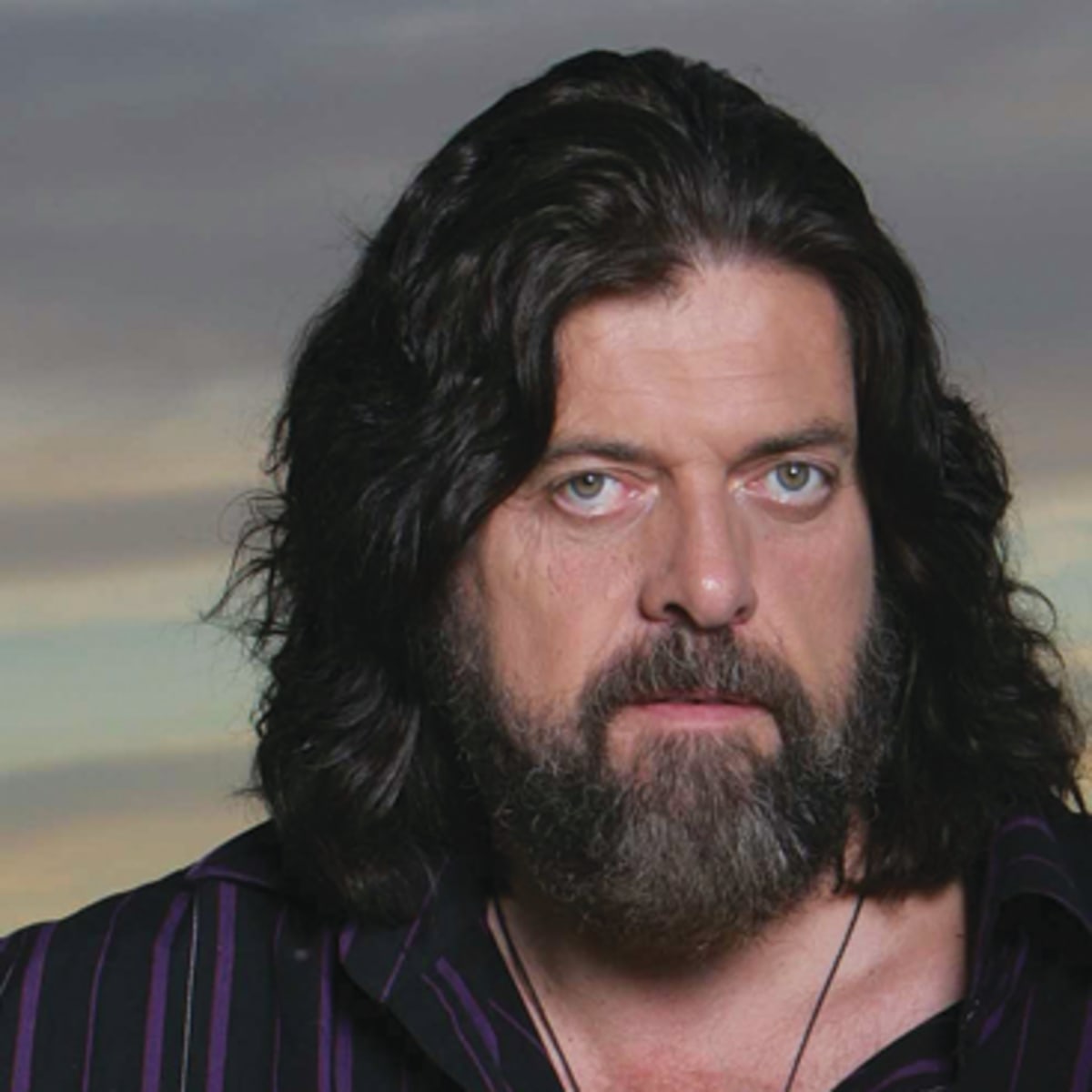
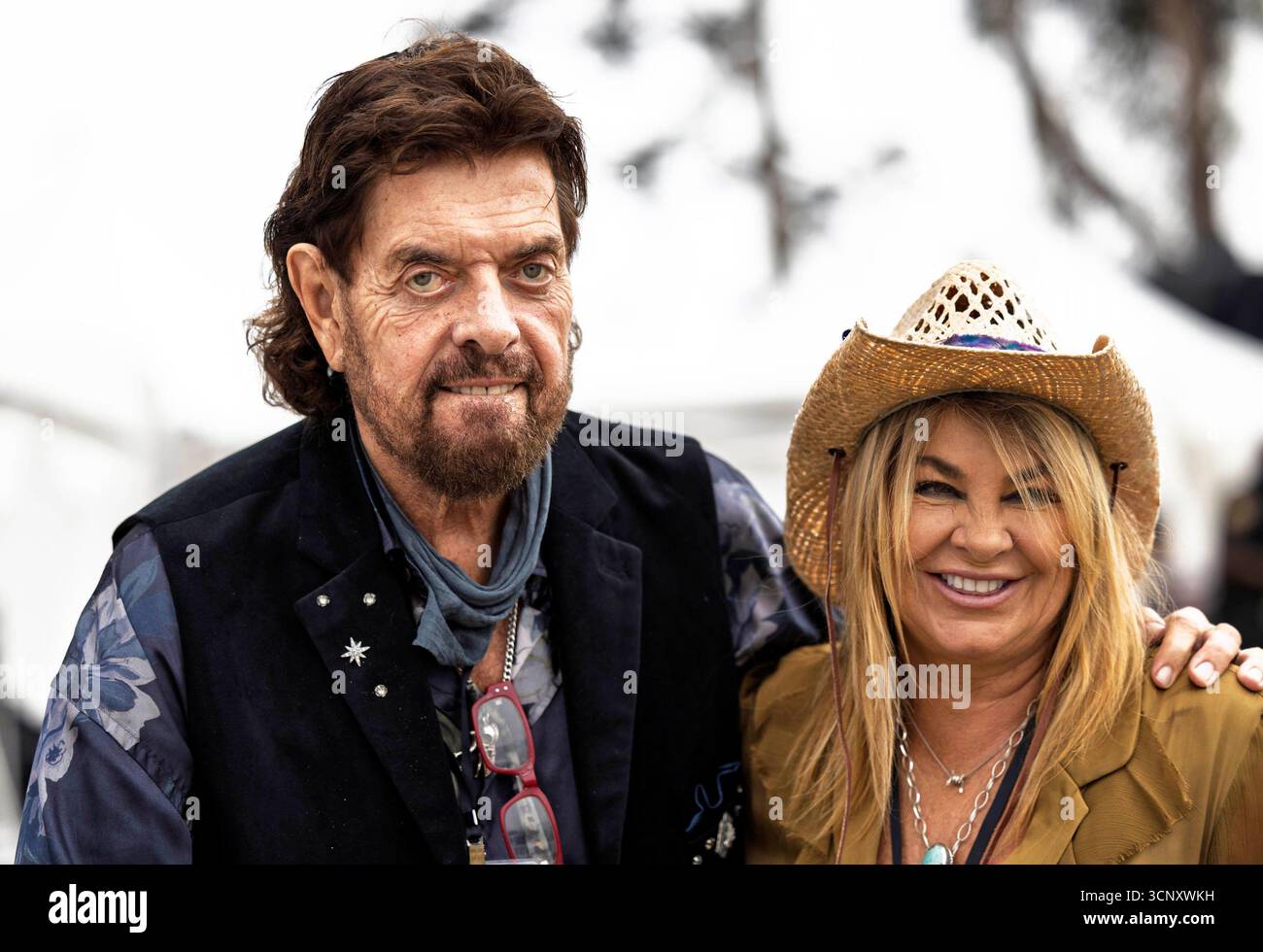
As of 2026, Alan Parsons is 77 years old. Born on December 20, 1948, in London, England, he will celebrate his 78th birthday toward the end of this year. Parsons remains an active and revered figure in the music industry, continuing his legacy as a pioneering producer, engineer, and performer.
The Early Foundations of a Sonic Visionary
Alan Parsons was born in post-World War II London, a city that would soon become the epicenter of a global musical revolution. His path into the world of sound was influenced by a blend of artistic lineage and a deep-seated curiosity about the mechanics of audio. His father, Denys Parsons, was a scientist and musician who developed the "Parsons Code," a system for identifying musical themes—a clear indicator of the analytical yet creative environment in which Alan was raised.
By the time he was a teenager, Parsons was already exploring the intersection of electronics and music. In the late 1960s, a period of immense experimentation in recording technology, he secured a position at EMI’s Abbey Road Studios as an assistant engineer. At just 19 years old, he found himself in the presence of the industry's titans. This early exposure was not merely a job; it was an apprenticeship during the most transformative era of modern music.
Working as an assistant engineer on The Beatles' Abbey Road (1969) and Let It Be (1970), Parsons witnessed firsthand the meticulous layering and innovative techniques used by George Martin and the "Fab Four." These experiences formed the bedrock of his philosophy: the studio itself is an instrument. As he moved into his 20s, he transitioned from an assistant to a primary engineer, setting the stage for one of the most significant technical achievements in rock history.
Engineering the Sound of the Century: The Pink Floyd Era
The transition from the late 1960s to the early 1970s marked a shift from 4-track to 16-track and 24-track recording. Alan Parsons was at the forefront of this shift. In 1973, at the age of 24, he served as the engineer for Pink Floyd’s The Dark Side of the Moon. This project remains his most cited technical masterpiece.
Parsons' contribution to the album went far beyond simple level-setting. He was instrumental in creating the sonic textures that define the record, from the seamless transitions between tracks to the iconic use of non-musical sounds. His work on the track "Time," specifically the intricate synchronization of antique clocks recorded at a jewelry shop, showcased his patience and dedication to "found sound" integration.
Despite the album’s astronomical success, Parsons has often spoken about the modest financial compensation he received as a staff engineer—a reality that eventually pushed him toward the role of producer and artist. His work with Pink Floyd earned him his first Grammy nomination for Best Engineered Album, Non-Classical, cementing his reputation as a "golden-eared" technician before he had even reached the age of 25.
The Rise of The Alan Parsons Project
By the mid-1970s, Parsons sought more creative control over his output. In 1975, he met Eric Woolfson, a songwriter and producer, at the Abbey Road canteen. The two realized they shared a vision for a new type of musical endeavor: one where the producer and the concept were the stars, rather than a traditional front-man or band lineup. This led to the formation of The Alan Parsons Project (APP).
The Project was unique because it utilized a revolving door of session musicians and vocalists, selected specifically for the needs of each song. This allowed Parsons to maintain a consistent sonic identity while exploring various genres, from progressive rock to synth-pop. Their debut album, Tales of Mystery and Imagination (1976), based on the works of Edgar Allan Poe, set the standard for "concept albums" in the late 70s.
Throughout his 30s, Parsons and Woolfson produced a string of highly successful albums, including I Robot (1977), Pyramid (1978), and the massive commercial hit Eye in the Sky (1982). By the time he was in his early 40s, Parsons had transitioned from the backroom of the studio to being a household name in progressive music. The Project officially dissolved in 1990, but the catalog remains a staple of classic rock radio and audiophile testing sessions.
Key Milestones in the Career of Alan Parsons
To understand the longevity of Alan Parsons, it is helpful to look at his career milestones in relation to his age and the evolution of the recording industry.
| Year | Milestone | Age | Significance |
|---|---|---|---|
| 1948 | Born in London, England | 0 | Birth of a future audio pioneer. |
| 1967 | Hired at Abbey Road Studios | 18 | Entry into the professional audio industry. |
| 1973 | Engineered The Dark Side of the Moon | 24 | Landmark achievement in audio engineering. |
| 1976 | Released Tales of Mystery and Imagination | 27 | Debut of The Alan Parsons Project. |
| 1982 | Released Eye in the Sky | 33 | Peak commercial success; title track is a global hit. |
| 2012 | Launched The Art & Science of Sound Recording | 63 | Formalized his role as an educator for new engineers. |
| 2019 | Won Grammy Award | 70 | Best Immersive Audio Album for Eye in the Sky (35th Anniv.). |
| 2022 | Released From the New World | 73 | Continued solo output and return to live performance. |
| 2026 | Current Year | 77 | Celebrating nearly 60 years in the music industry. |
The Master of Immersive Audio and Education
As the music industry shifted into the digital age, many veterans of the analog era struggled to adapt. Parsons, however, leaned into the change. In his 60s and 70s, he became a vocal advocate for high-fidelity audio and immersive sound formats like Dolby Atmos and 5.1 surround sound.
His 2019 Grammy win for the 35th Anniversary Edition of Eye in the Sky was a poignant moment, coming decades after his initial work on the album. It validated his career-long pursuit of "perfect" sound. Beyond his own music, Parsons has dedicated a significant portion of his later years to education. His project, The Art & Science of Sound Recording (ASSR), features a comprehensive video series and a textbook that serve as the definitive guide for aspiring engineers.
Parsons’ transition into teaching is a natural extension of his personality. He has always been more of a "professor of sound" than a traditional rock star. Through his masterclass sessions and keynote speeches at industry events like NAMM and AES, he continues to bridge the gap between the legendary analog techniques of the 1970s and the sophisticated digital workflows of 2026.
Health and Touring in the 2020s
Longevity in the music industry often comes with physical challenges. In mid-2022, Alan Parsons faced a significant health hurdle when he was forced to cancel a European tour due to a serious spinal issue that required urgent surgery. This news concerned fans worldwide, as Parsons was 73 at the time.
Fortunately, the surgery was successful. Demonstrating a remarkable resilience, Parsons returned to the stage shortly after his recovery period. In 2026, he continues to perform select dates with the Alan Parsons Live Project. While his touring schedule is more curated than it was in his younger years, the quality of the performances remains exceptionally high. He prioritizes venues with superior acoustics, ensuring that the live experience lives up to his exacting studio standards.
His current lifestyle in Santa Barbara, California, provides a balance between his creative work in his private studio (ParSonics) and a more relaxed pace of life. This balance is likely a key factor in his ability to remain productive and engaged as he approaches his 80s.
The Enduring Legacy of an Audio Icon
Alan Parsons' age is more than just a number; it represents a living timeline of modern music history. He is one of the few remaining figures who can provide a direct link from the tape-splicing days of The Beatles to the AI-assisted mixing tools of 2026.
His legacy is defined by a refusal to settle for "good enough." Whether he was engineering for Pink Floyd in his 20s or mixing his solo album From the New World in his 70s, his commitment to sonic clarity and emotional resonance has never wavered. For fans and professionals alike, Alan Parsons is a reminder that technical mastery and creative vision are not mutually exclusive—they are the two pillars upon which great art is built.
Frequently Asked Questions
What is Alan Parsons' date of birth?
Alan Parsons was born on December 20, 1948. He was born in London, England, and currently resides in the United States.
Is Alan Parsons still touring in 2026?
Yes, Alan Parsons continues to perform live with the Alan Parsons Live Project. While his schedule is more selective than in previous decades, he remains active in the concert circuit, focusing on high-quality production and immersive sound experiences.
Did Alan Parsons ever win a Grammy?
Alan Parsons has been nominated for 13 Grammy Awards throughout his career. He won his first Grammy in 2019 for Best Immersive Audio Album for the 35th Anniversary Edition of Eye in the Sky. This win was seen by many in the industry as a long-overdue recognition of his contributions to audio engineering.
What was Alan Parsons' role with The Beatles?
Parsons started his career as an assistant engineer at EMI Studios (now Abbey Road Studios). He worked under legendary producer George Martin and engineer Geoff Emerick on the albums Abbey Road and Let It Be. He is notably credited as an engineer on the famous rooftop concert recording.
What is Alan Parsons' most famous song?
As a producer/artist with The Alan Parsons Project, his most famous and commercially successful song is "Eye in the Sky," released in 1982. Another widely recognized track is "Sirius," the instrumental intro to the Eye in the Sky album, which became famous as the intro music for the Chicago Bulls during the Michael Jordan era.
How did Alan Parsons' health issue in 2022 affect his career?
In 2022, Parsons underwent major spinal surgery. While it required him to pause his touring activities for several months, he made a full recovery and returned to both studio work and live performances. His resilience has allowed him to maintain a steady career into his late 70s.
Exploring the Alan Parsons Catalog Today
For those looking to appreciate the work of Alan Parsons in 2026, the best approach is to listen to his "Big Three" contributions: The Dark Side of the Moon (as engineer), I Robot, and Eye in the Sky. For a deeper dive into his technical mind, the Art & Science of Sound Recording remains the gold standard for understanding how he achieved his signature sound. Whether you are a casual listener or an aspiring producer, his body of work offers an masterclass in the evolution of recorded music.