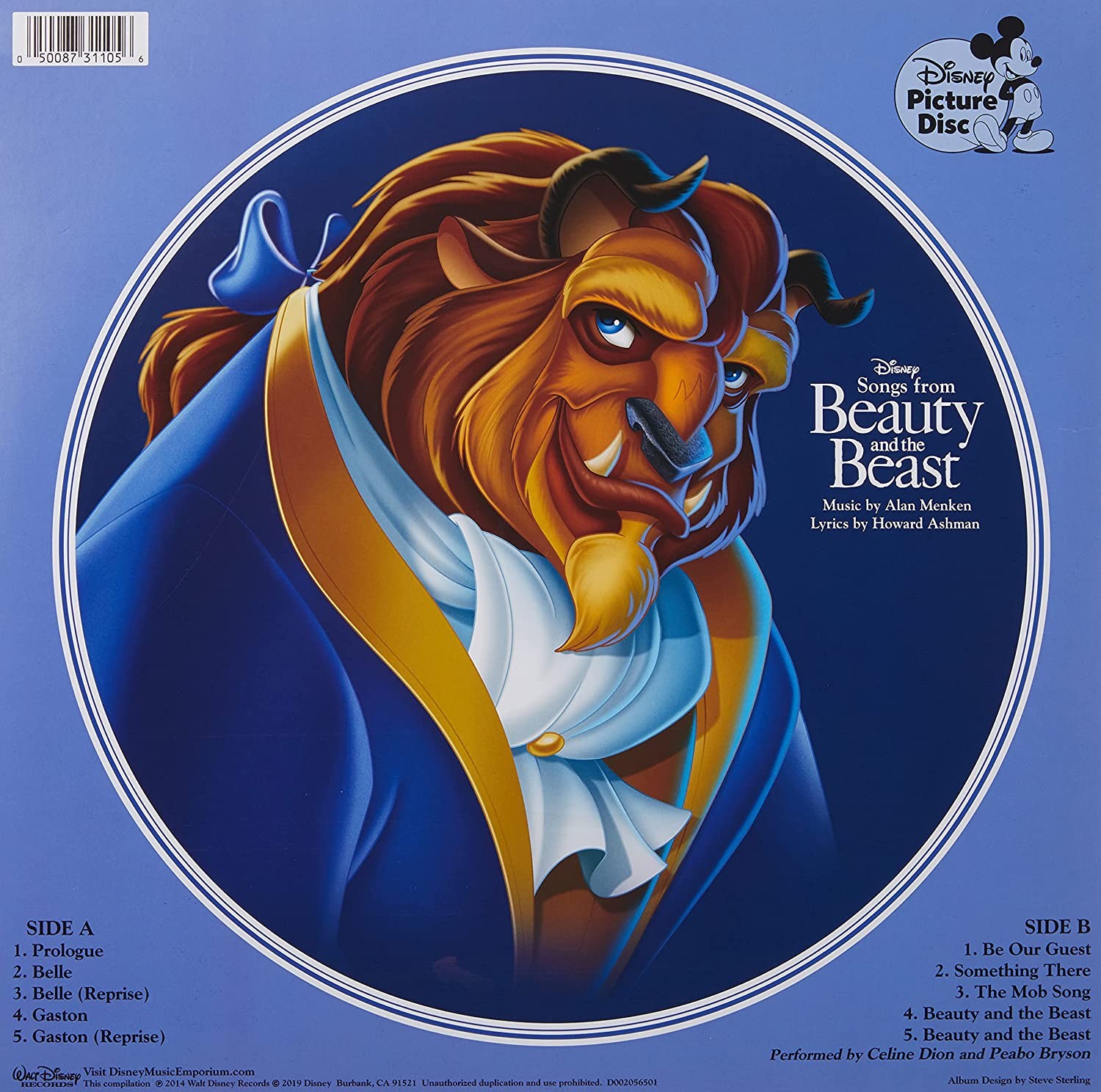
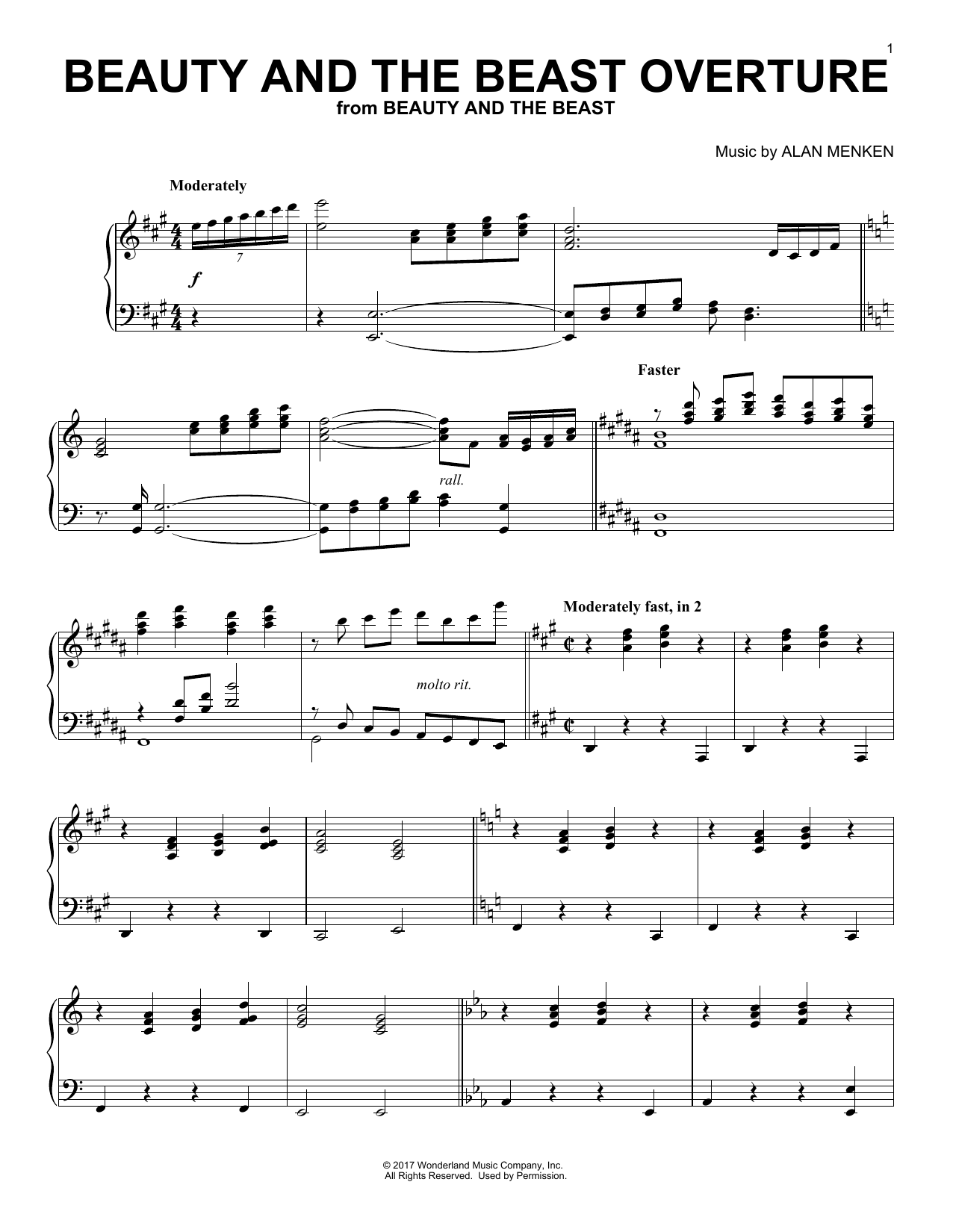
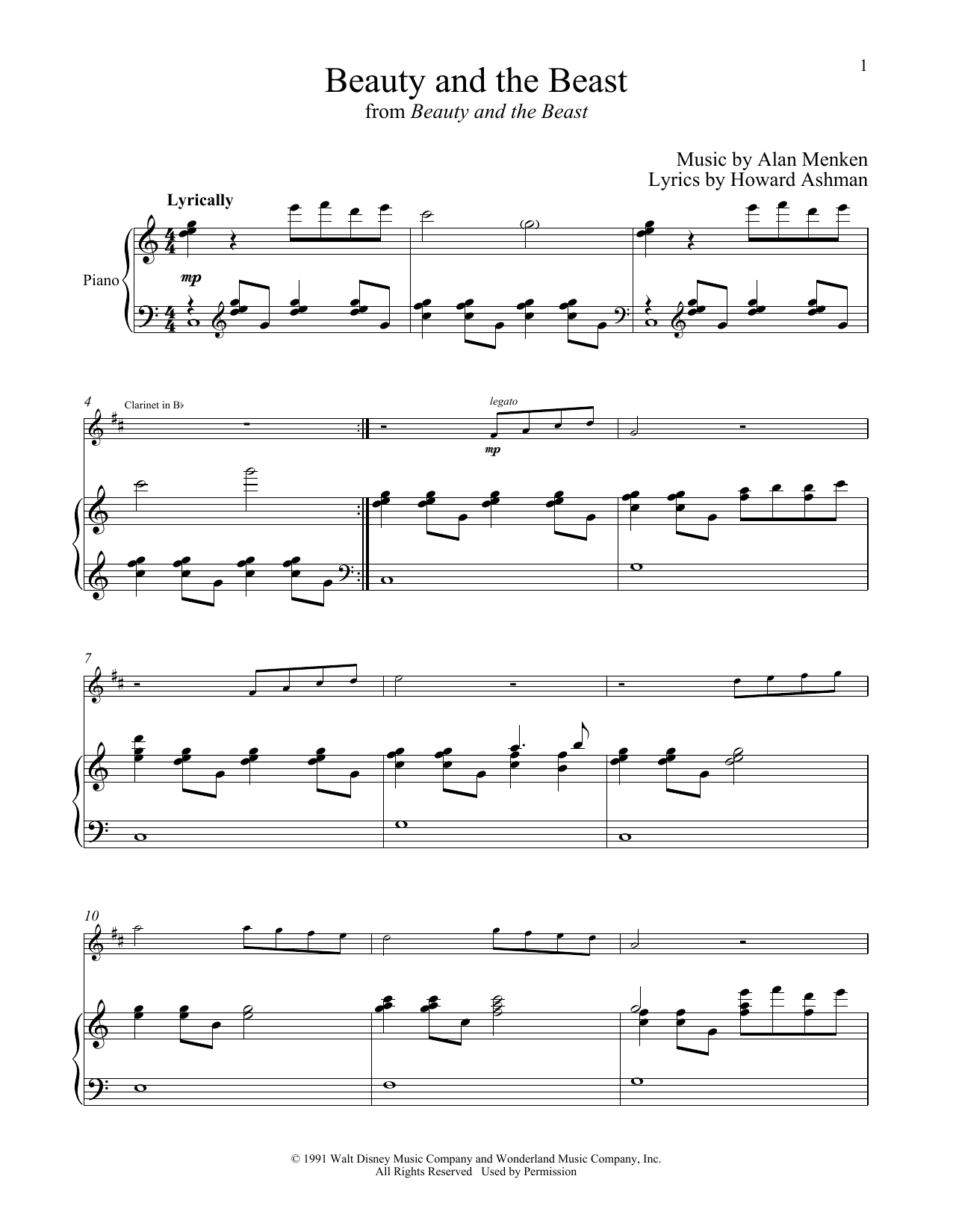
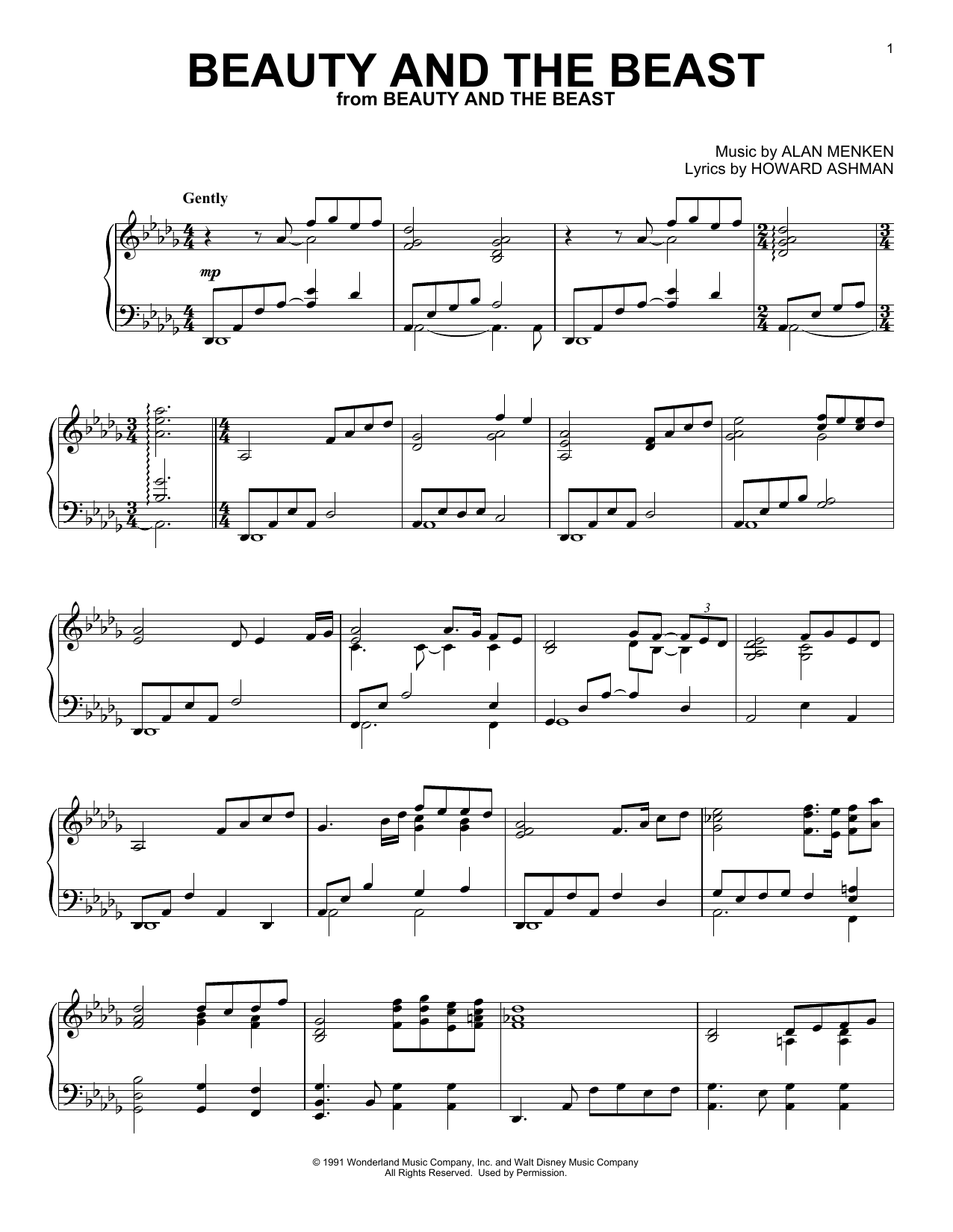
As of 2026, legendary composer Alan Menken’s net worth is estimated to be approximately $125 million. This substantial fortune is the result of decades of dominance in film scoring, musical theater, and a sophisticated portfolio of recurring royalties stemming from timeless masterpieces like Beauty and the Beast, The Little Mermaid, and Aladdin.
Alan Menken is more than a composer; he is the architect of the "Disney Renaissance." While many associate a composer’s wealth with one-time film fees, Menken’s financial trajectory is a masterclass in intellectual property (IP) management. By creating music that translates seamlessly from animated films to Broadway stages and live-action remakes, he has ensured a perpetual stream of income that continues to grow well into 2026.
The Financial Landscape of a Disney Legend
To understand Alan Menken’s $125 million valuation, one must look past the 8 Academy Awards and 11 Grammy Awards. In the entertainment industry, wealth for a composer is built on the "long tail" of licensing. Menken’s work for Disney during the late 1980s and 1990s created a catalog of music that is arguably the most valuable in the history of cinema.
Unlike many composers who work for hire and relinquish all rights, Menken’s status allowed him to retain significant royalty participation. Every time a child streams "Under the Sea" on a digital platform in 2026, or a high school drama department licenses the stage rights for Beauty and the Beast, a percentage of those fees flows back to the Menken estate. This "passive" income is the bedrock of his net worth, providing financial stability that far outweighs the upfront "creative fee" for any single film.
How the Beauty and the Beast Overture Composed a Fortune
The phrase "composed a fortune" is literal when discussing the Beauty and the Beast Overture. This specific piece of music serves as the thematic DNA for a franchise that has generated billions of dollars in revenue across multiple media formats. The Overture isn't just a musical introduction; it is a high-value asset.
The Multi-Generational Revenue Loop
The Beauty and the Beast Overture first appeared in the 1991 animated classic. However, its financial utility did not end there. The music was adapted for the Broadway production (which ran for over 13 years), the 2017 live-action remake (which grossed over $1.2 billion), and various international touring companies.
Each iteration of the music requires a specific license. When the 2017 film was produced, Menken did not just receive a salary; he received new "sync" (synchronization) fees and performance royalties for the updated arrangements. In 2026, with the 1991 original and the 2017 remake both staples on Disney+, the residual checks from streaming alone represent a significant portion of his annual earnings.
Mechanical and Performance Royalties
Every time the Beauty and the Beast soundtrack is sold or streamed, Menken earns "mechanical royalties." Additionally, "performance royalties" are collected by organizations like BMI or ASCAP whenever the music is played in a public setting—ranging from radio airplay to theme park background music. Given that "Beauty and the Beast" is a foundational element of Disney’s theme park presence globally, the sheer volume of public performances creates a compounding effect on his wealth.
Revenue Streams: How a Composer Builds $125 Million
The diversification of Alan Menken’s income is what separates him from standard Hollywood composers. His wealth is categorized into four primary pillars:
- Film Scoring Fees: High-upfront payments for original scores and songs. For a composer of Menken's stature, these fees can reach several million dollars per project, especially when including bonuses for box office milestones.
- Broadway Royalties: This is perhaps the most lucrative pillar. Broadway composers often receive a percentage of the weekly "Gross Weekly Box Office Receipts" (GWBOR). With long-running hits like Aladdin and Newsies, Menken receives weekly checks that can total millions over a single year.
- Synchronization Licenses: These are fees paid to use his music in commercials, trailers, and other films. The "Overture" style from Beauty and the Beast is frequently licensed for promotional material that requires a "magical" or "classic" feel.
- Publishing Rights: By owning or co-owning the publishing rights to his catalog, Menken exerts control over how the music is used and ensures the largest possible share of the revenue stays with him.
| Revenue Source | Est. Percentage of Wealth | Description |
|---|---|---|
| Film & TV Residuals | 35% | Ongoing payments from Disney+ streaming, cable broadcasts, and digital sales. |
| Theatrical Licensing | 30% | Royalties from Broadway, West End, and thousands of worldwide amateur productions. |
| Upfront Scoring Fees | 15% | Initial payments for new projects (e.g., Spellbound, live-action remakes). |
| Mechanical/Sync Royalties | 20% | Commercial use, soundtrack sales, and digital streaming performance. |
The "Menken Method": Strategic Longevity in Hollywood
One reason Menken’s net worth continues to climb in 2026 is his ability to reinvent his own work. This strategy, often called "IP recycling," is highly efficient. When Disney decided to transition their animated library into live-action blockbusters, Menken was the natural choice to return as composer.
By returning to projects like The Little Mermaid (2023) or the live-action Beauty and the Beast, Menken effectively "updates" his portfolio. He creates new songs (which generate new copyrights) while maintaining his grip on the legacy themes. This allows him to capture the attention of a new generation of listeners—and their parents’ wallets—without having to build a brand from scratch. This efficiency in wealth creation is rare; most composers must constantly seek new projects, whereas Menken’s past work continues to work for him.
Comparative Value: Menken vs. Other Industry Giants
In the world of film scoring, Alan Menken sits in a unique financial bracket. While composers like Hans Zimmer or John Williams may have higher "per-film" fees due to their work on massive action franchises, Menken’s wealth is uniquely tied to the theatrical and lyrical markets.
John Williams relies heavily on the orchestral performance of Star Wars and Jurassic Park. Hans Zimmer has built a massive production house (Remote Control Productions). Menken, however, dominates the musical theater space. The "royalty-per-ticket" model of Broadway is generally more lucrative over 20 years than a single blockbuster film's back-end points. If a movie flops, the composer still gets paid, but if a musical becomes a "perennial" (like Beauty and the Beast), the composer becomes a centimillionaire.
The Impact of the 2017 Live-Action Remake and Beyond
The 2017 release of Beauty and the Beast was a turning point for Menken’s modern valuation. It proved that his 1991 scores were not just nostalgic relics but were capable of driving billion-dollar modern box offices. For Menken, this meant a massive infusion of capital.
Beyond the box office, the 2017 film led to a resurgence in soundtrack sales and a "halo effect" for the Broadway show’s licensing. In the years leading up to 2026, Disney has continued this trend, ensuring that Menken’s music remains at the forefront of the cultural conversation. His work on Spellbound and other modern projects shows that he is not strictly tied to his legacy, but his legacy is certainly what pays the highest dividends.
FAQ
How much does Alan Menken make from Disney+?
While exact figures are proprietary, composers of Menken's level receive residuals based on the number of streams and the prominence of the music within the content. Given the high "replay value" of Disney animated films, Menken’s streaming income is estimated in the high six to low seven figures annually.
Does Alan Menken own the rights to the "Beauty and the Beast" Overture?
Disney typically owns the "Work for Hire" master recordings and the underlying copyright. However, Menken retains "Writer's Share" royalties, which are paid out through Performing Rights Organizations (PROs). This ensures he is compensated every time the music is played, regardless of who owns the paper copyright.
Is Alan Menken the richest film composer?
While he is among the wealthiest, he is generally surpassed by composers like Hans Zimmer, who have large-scale business operations, or Danny Elfman, who has a vast catalog across diverse genres. However, Menken’s wealth is arguably the most "stable" due to its heavy reliance on the evergreen Disney brand.
How do Broadway royalties contribute to his net worth?
Broadway composers typically earn between 2% and 4.5% of the gross weekly box office. For a hit like Aladdin, which can gross $1.5 million in a single week, Menken’s share could be upwards of $30,000 to $60,000 per week, per production.
What is Alan Menken's most profitable song?
Financially, "Beauty and the Beast" (the title song) and "Under the Sea" are his top performers. "Beauty and the Beast" has been covered by numerous artists (Celine Dion, Peabo Bryson, Ariana Grande, John Legend), and each cover generates massive "mechanical" and "performance" royalties.
Securing a Legacy: Financial Planning for the Future
As Alan Menken moves through 2026, his focus has shifted toward securing the longevity of his catalog for his heirs. Musical catalogs are increasingly being viewed as "alternative assets," similar to real estate or gold. In the current market, composers are selling their publishing rights for 15x to 20x their annual royalty income.
If Menken were to ever sell his catalog, it would likely command a price significantly higher than his current $125 million net worth, potentially reaching $300 million or more. For now, however, the "Disney Legend" seems content to let the music play, allowing the Beauty and the Beast Overture and his other iconic scores to continue composing a fortune one note at a time. To build a similar path, aspiring composers should focus not just on the art of the score, but on the legal intricacies of royalty participation and the strategic value of "evergreen" intellectual property.