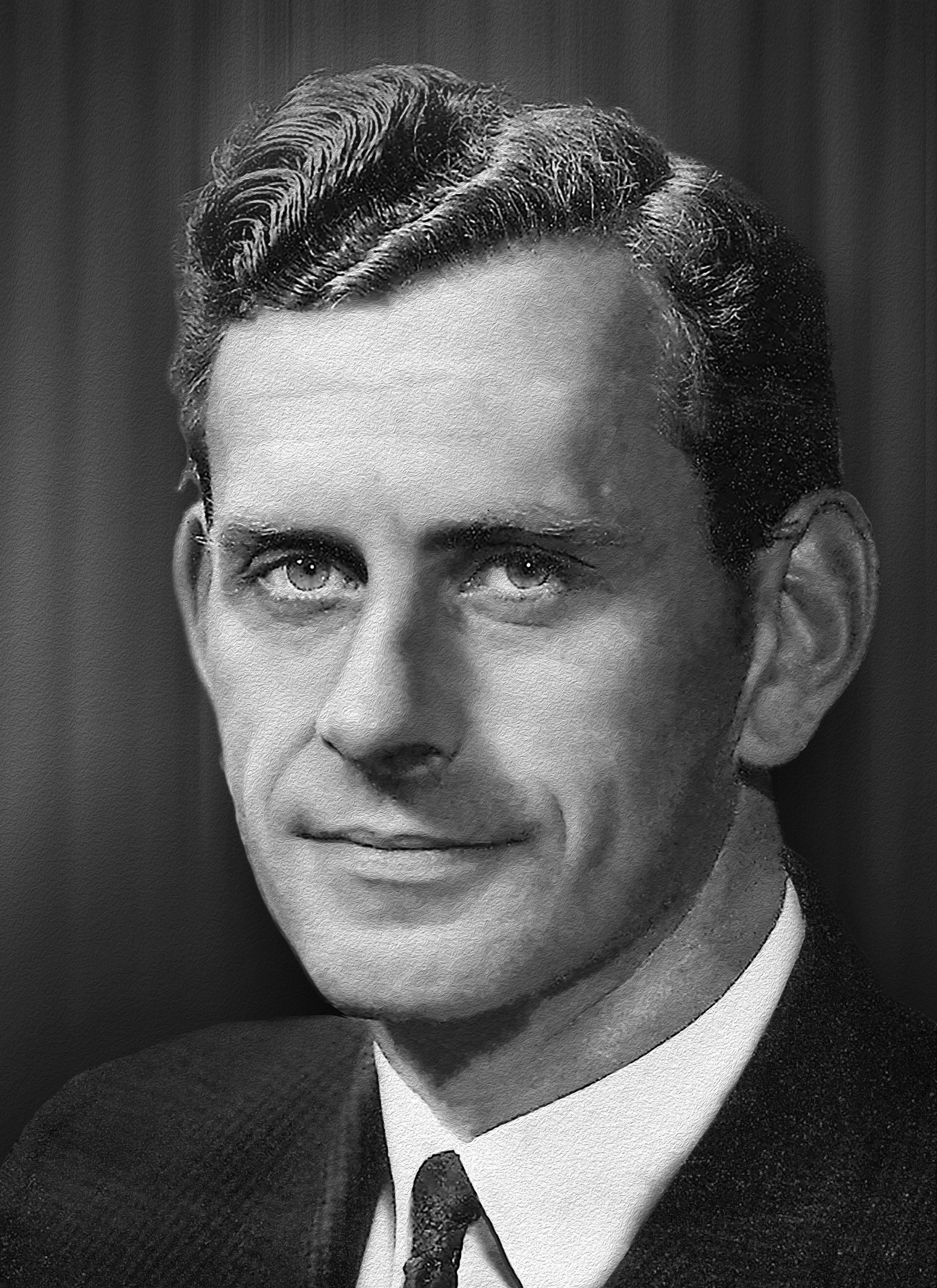
Alan King died on May 9, 2004, at the age of 77. The official cause of death was lung cancer. He passed away at the Memorial Sloan-Kettering Cancer Center in Manhattan, New York, following a relatively brief but aggressive battle with the disease that had been diagnosed only months earlier.
The Medical Circumstances of Alan King’s Passing
Alan King’s death marked the end of an era for American entertainment. While King was famously associated with his trademark cigar—an accessory that became as much a part of his persona as his tailored suits—he had reportedly stopped smoking years before his diagnosis. Despite this lifestyle change, the long-term effects of heavy smoking during his early career were a significant factor in his health decline.
He was admitted to the Memorial Sloan-Kettering Cancer Center, one of the world's premier institutions for oncological research and treatment, as his condition worsened in the spring of 2004. According to statements from his family and representatives at the time, King remained sharp and witty until near the end, maintaining the "angry young man" persona that had endeared him to audiences for over five decades. His death occurred on Mother's Day, a poignant detail noted by many of his contemporaries who recalled his frequent comedic observations about family life and Jewish motherhood.
Lung cancer remains one of the leading causes of mortality in the United States, particularly among individuals who spent decades in the smoke-filled environments of mid-20th-century nightclubs and television studios. At the time of his passing, the medical community emphasized that even former smokers like King remained at elevated risk for pulmonary malignancies, highlighting the importance of early screening and the long-term latency of the disease.
From Irwin Kniberg to Alan King: The Formative Years
To understand the impact of Alan King's death, one must examine the depth of his life. Born Irwin Alan Kniberg on December 26, 1927, in New York City, he grew up in the tough neighborhoods of Brooklyn and the Lower East Side. His early life was defined by the Great Depression, an era that shaped his world-view and his later comedic focus on the frustrations of the "little man" struggling against bureaucratic and social systems.
King’s entry into show business followed the classic trajectory of the "Borscht Belt" comedians. He started as a drummer but quickly realized his talent lay in his ability to talk to an audience rather than play for them. He began performing at resort hotels in the Catskill Mountains, a training ground for legendary figures like Milton Berle and Jerry Lewis.
In these early years, King performed standard "one-liner" comedy. However, a pivotal moment in his career occurred when he saw the Danny Thomas style of storytelling. King realized that he didn't need to tell "jokes"; he needed to tell truths. He transitioned into a monologist, a move that would eventually establish him as one of the most sophisticated comedians of his generation. By the time he reached the height of his fame, his comedy was less about punchlines and more about a shared sense of indignation with his audience.
The "Angry Man" of Comedy
Alan King’s primary contribution to the evolution of stand-up was the development of his "angry man" persona. Unlike the slapstick or absurdist comedians of the 1950s, King dressed like a corporate executive—always in a well-pressed suit—and delivered scathing, articulate tirades against the mundane irritations of modern life.
His targets were varied but relatable:
- Airlines: He was one of the first comedians to turn the frustrations of commercial air travel into a mainstay of his routine.
- Insurance Companies: His legendary rants about the fine print in insurance policies resonated with the growing American middle class.
- Physicians and Lawyers: He frequently lampooned the self-importance of professional classes.
- Family Life: His observations on marriage and suburban living paved the way for modern observational comedy.
This style was highly influential. It moved comedy away from the "Take my wife, please" era of Henny Youngman and toward the sophisticated social commentary that would later be perfected by artists like Jerry Seinfeld and Larry David. King’s anger was never directed at people; it was directed at the "system." This made him an incredibly empathetic figure to his audience, who saw him as a champion for the common citizen.
A Versatile Career: Film, Television, and the Stage
While stand-up comedy was his foundation, Alan King’s career was remarkably diverse. He was a frequent guest on The Ed Sullivan Show, appearing dozens of times and becoming a household name across America. His presence was so reliable that Sullivan often used him to fill time if a previous act ran short, knowing King could engage the audience instantly.
In the realm of cinema, King proved to be a formidable character actor. His most notable roles often played on his natural authority and New York roots.
- Casino (1995): Under the direction of Martin Scorsese, King played Andy Stone, a role that showcased his ability to handle dramatic tension alongside giants like Robert De Niro and Joe Pesci.
- The Anderson Tapes (1971): A classic heist film where King held his own in an ensemble cast.
- Rush Hour 2 (2001): King’s later career included roles that introduced him to a younger generation, playing a wealthy high-society figure.
Beyond acting, King was a successful producer. Through his company, King-Hitzig Productions, he was involved in bringing films like Wolfen (1981) and Cattle Annie and Little Britches (1981) to the screen. He also authored several books, including "Anybody Who Owns His Own Home Deserves It" and "Help! I’m a Prisoner in a Chinese Bakery," both of which became bestsellers and further solidified his reputation as a master of observational humor.
Philanthropy and the Alan King Medical Center
One of the most significant aspects of Alan King’s legacy, which provides context to his death in a medical facility, was his lifelong commitment to healthcare and philanthropy. He was instrumental in the establishment of the Alan King Diagnostic Medical Center in Jerusalem.
King’s involvement in healthcare wasn't merely about writing checks; he was deeply engaged in the mission of providing advanced medical care to diverse populations. This dedication stemmed from his belief that those who had achieved success had a moral obligation to improve the infrastructure of society. It is a bitter irony that a man who spent so much of his life supporting medical progress eventually succumbed to a disease that continues to challenge modern medicine.
Comparing Comedy Legends of the Era
To understand Alan King's place in history, it is helpful to compare him to other giants of his generation who shaped the landscape of American humor.
| Comedian | Primary Style | Notable Work | Lifespan | Cause of Death |
|---|---|---|---|---|
| Alan King | Observational Monologue | The Ed Sullivan Show, Casino | 1927–2004 | Lung Cancer |
| Don Rickles | Insult Comedy | The Tonight Show, Toy Story | 1926–2017 | Kidney Failure |
| Joan Rivers | Self-Deprecating/Social | The Late Show, Fashion Police | 1933–2014 | Surgical Complication |
| Milton Berle | Slapstick/Vaudeville | The Milton Berle Show | 1908–2002 | Colon Cancer |
| George Carlin | Counter-culture/Satire | Seven Dirty Words | 1937–2008 | Heart Failure |
As shown in the table, King was part of a cohort that transitioned comedy from the Vaudeville traditions of the early 20th century into the media-driven era of television and film. His longevity in the industry—lasting over 50 years—is a testament to his ability to adapt his "angry" persona to the changing times.
Alan King’s Legacy in 2026
As of 2026, Alan King’s influence remains palpable in the world of entertainment. He is frequently cited by contemporary comedians as the "godfather of the monologue." The Friars Club, where King served as "Abbot" for many years, still honors his memory as the quintessential "Toastmaster General." His ability to command a room with nothing but a microphone and a well-timed pause remains the gold standard for comedic timing.
His death from lung cancer also serves as a historical marker for the era of the "smoking comedian." In 2026, where public health standards and the perception of smoking have shifted dramatically, King’s struggle with the disease is often referenced in discussions about the long-term health impacts on entertainers from the mid-century period.
Furthermore, his work in film continues to be studied. His performance in Casino is often used in acting schools to demonstrate how a comedian can transition into a "straight" role by utilizing the same timing and presence required for stand-up.
Frequently Asked Questions
When exactly did Alan King die?
Alan King passed away on May 9, 2004. This occurred on a Sunday, which happened to be Mother's Day that year. He was 77 years old at the time of his death.
Where was Alan King treated for his illness?
He was treated at the Memorial Sloan-Kettering Cancer Center in Manhattan, New York. This facility is renowned for its specialization in cancer research and treatment, and King had been a patient there during the final months of his battle with lung cancer.
Did Alan King smoke during his career?
Yes, for much of his career, Alan King was famously associated with large cigars. They were a staple of his stage act and public persona. Although he reportedly quit smoking several years before his death, the long-term exposure was a contributing factor to his eventual diagnosis of lung cancer.
What was Alan King’s real name?
Alan King was born Irwin Alan Kniberg. Like many entertainers of his era, he adopted a stage name that was shorter and more easily remembered by audiences and booking agents.
Is there a memorial for Alan King?
Alan King is buried at Mount Hope Cemetery in Hastings-on-Hudson, New York. Beyond his physical resting place, his most significant living memorial is the Alan King Diagnostic Medical Center in Jerusalem, which continues to provide vital healthcare services.
Honoring Alan King’s Contribution to Arts and Medicine
For those looking to explore the work of Alan King today, his legacy is easily accessible through digital archives. To truly appreciate his genius, one should look beyond the short clips and seek out his full-length monologues from the 1960s and 70s. These recordings reveal a master craftsman who understood the rhythm of the English language and the psychology of the American public.
Additionally, supporting cancer research organizations remains a practical way to honor the memory of King and many of his contemporaries who were lost to the disease. The evolution of treatment since 2004 has been significant, but the core challenges of lung cancer remain a priority for the medical community. By reflecting on his life and the circumstances of his passing, we acknowledge both the brilliance of his art and the ongoing importance of medical advancement.
External Sources for Further Reading: