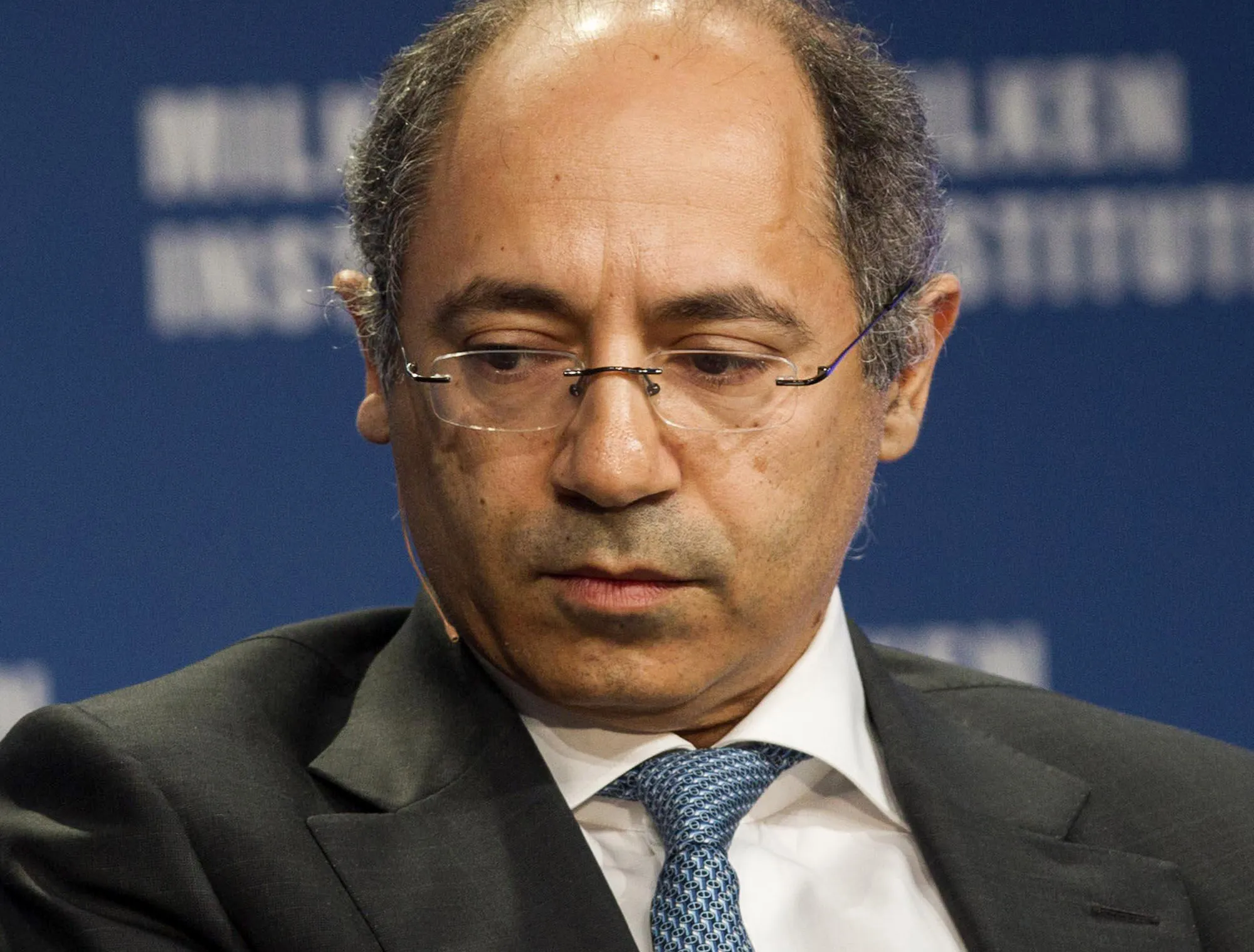
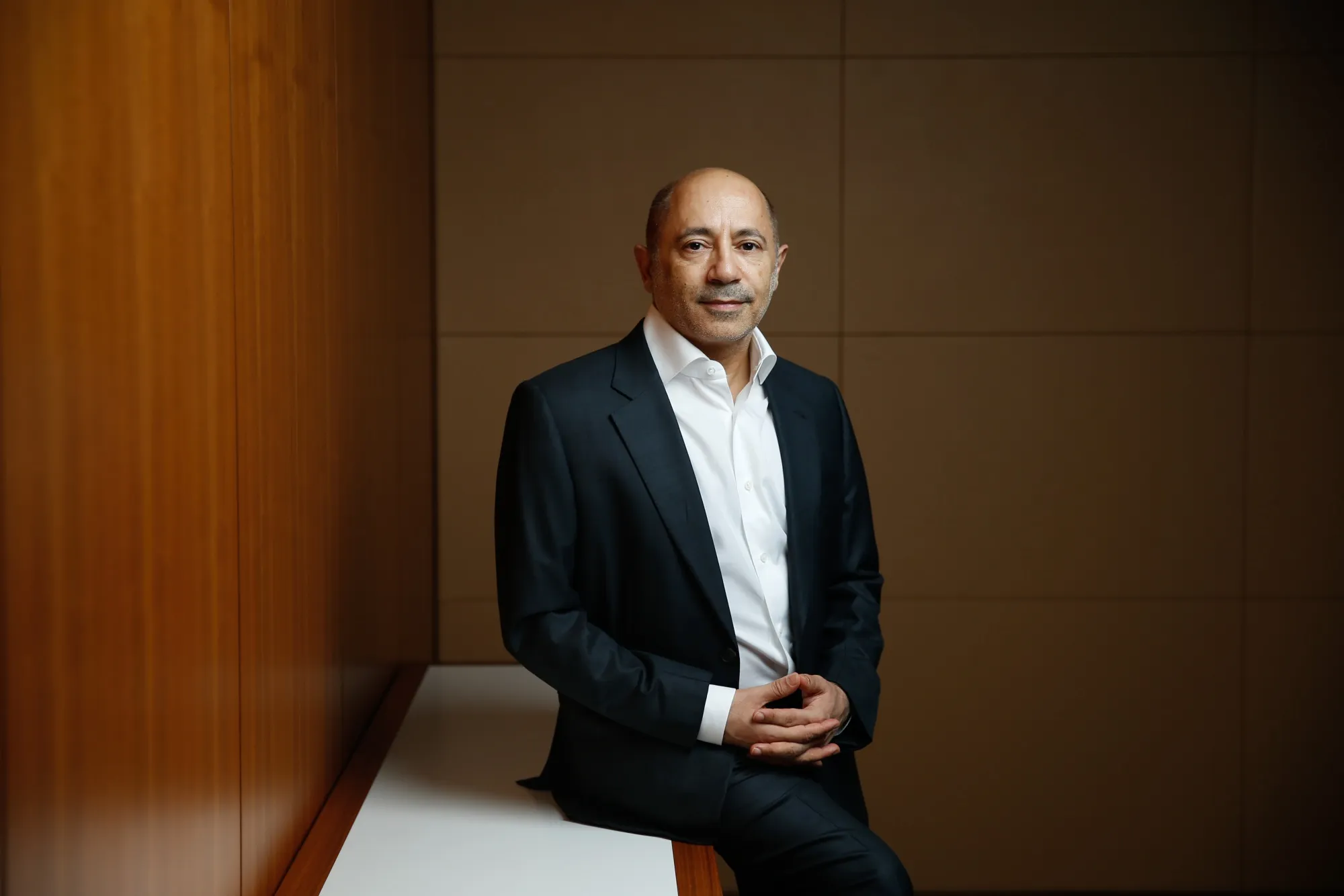
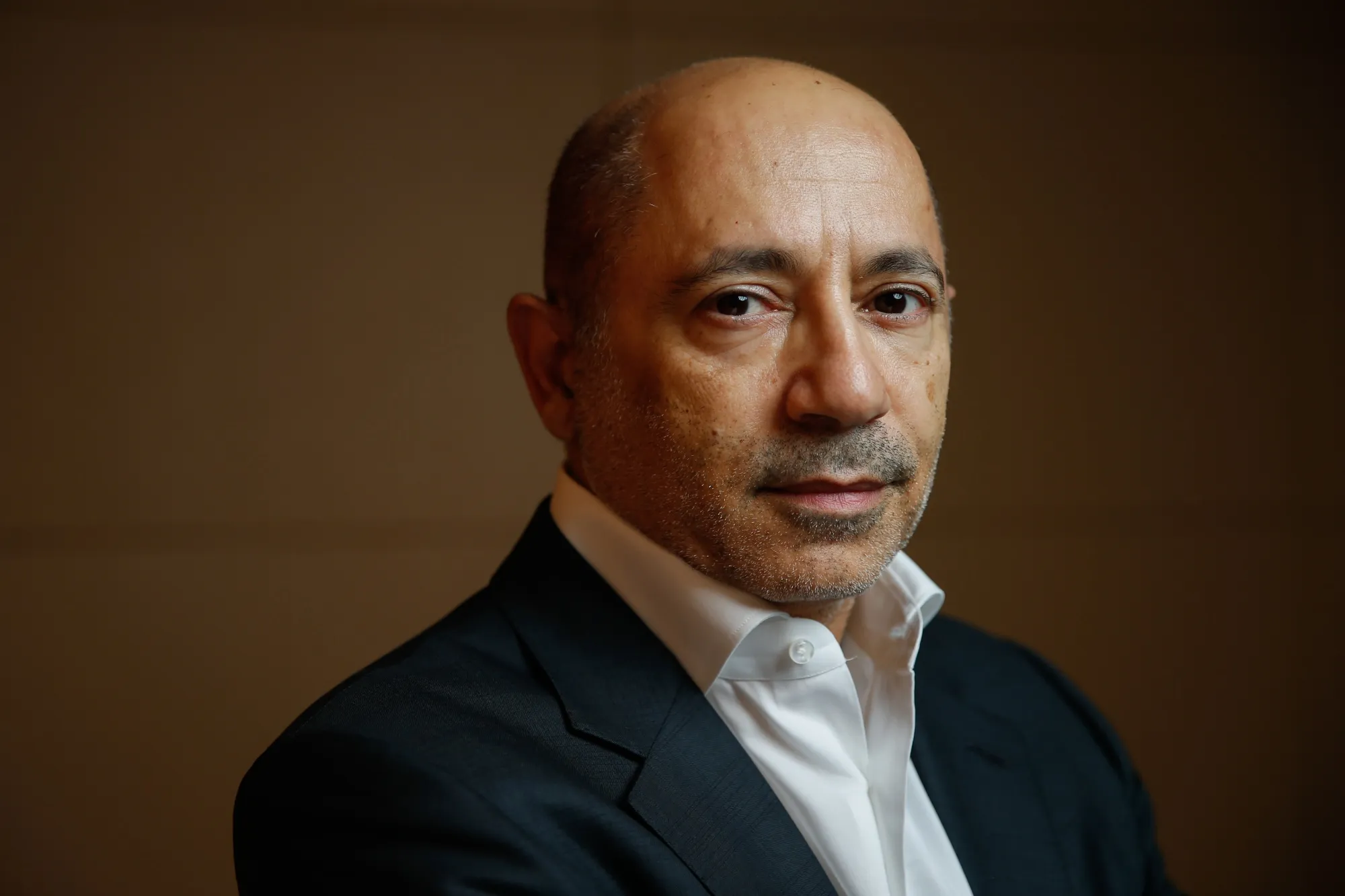
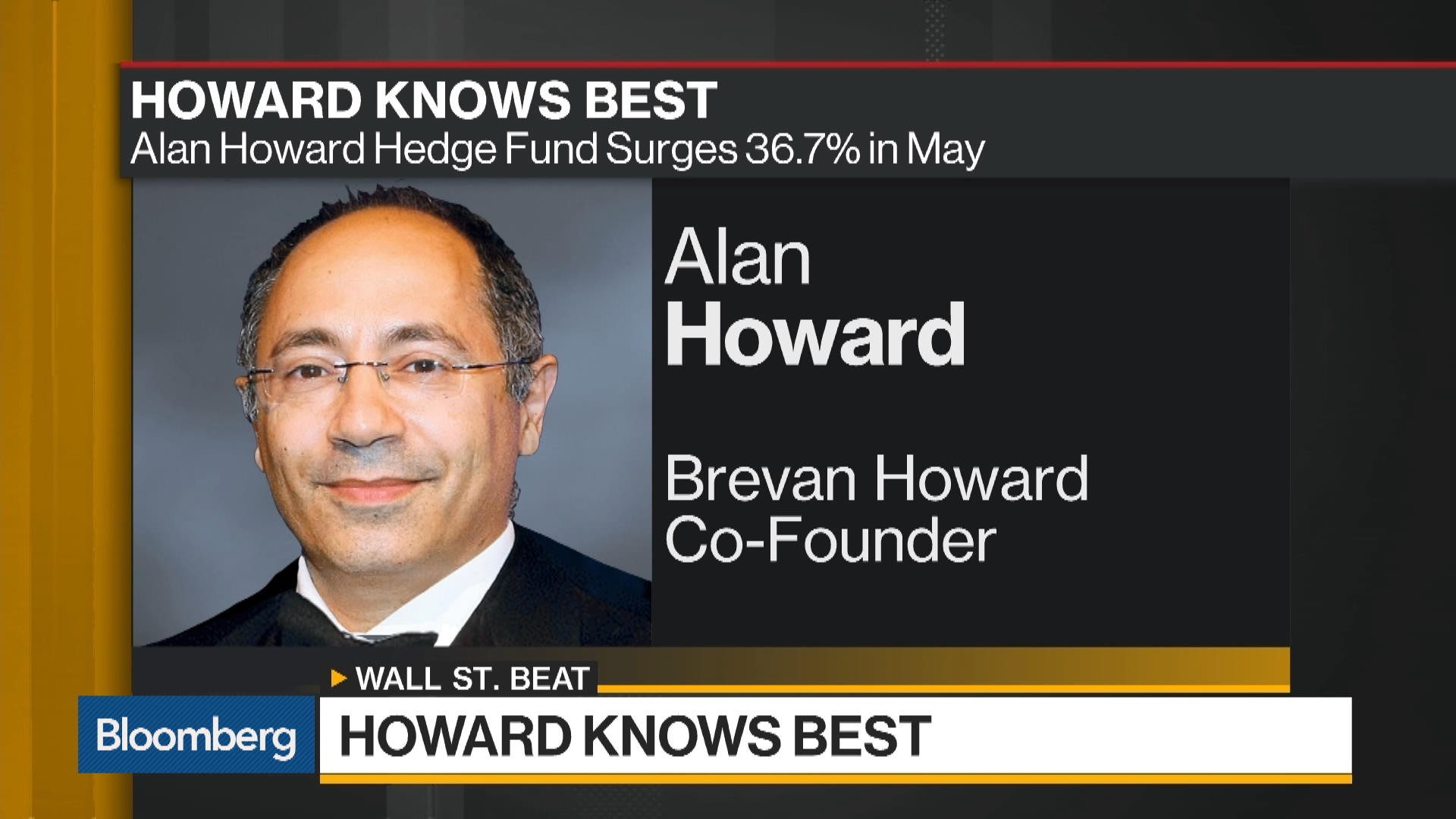
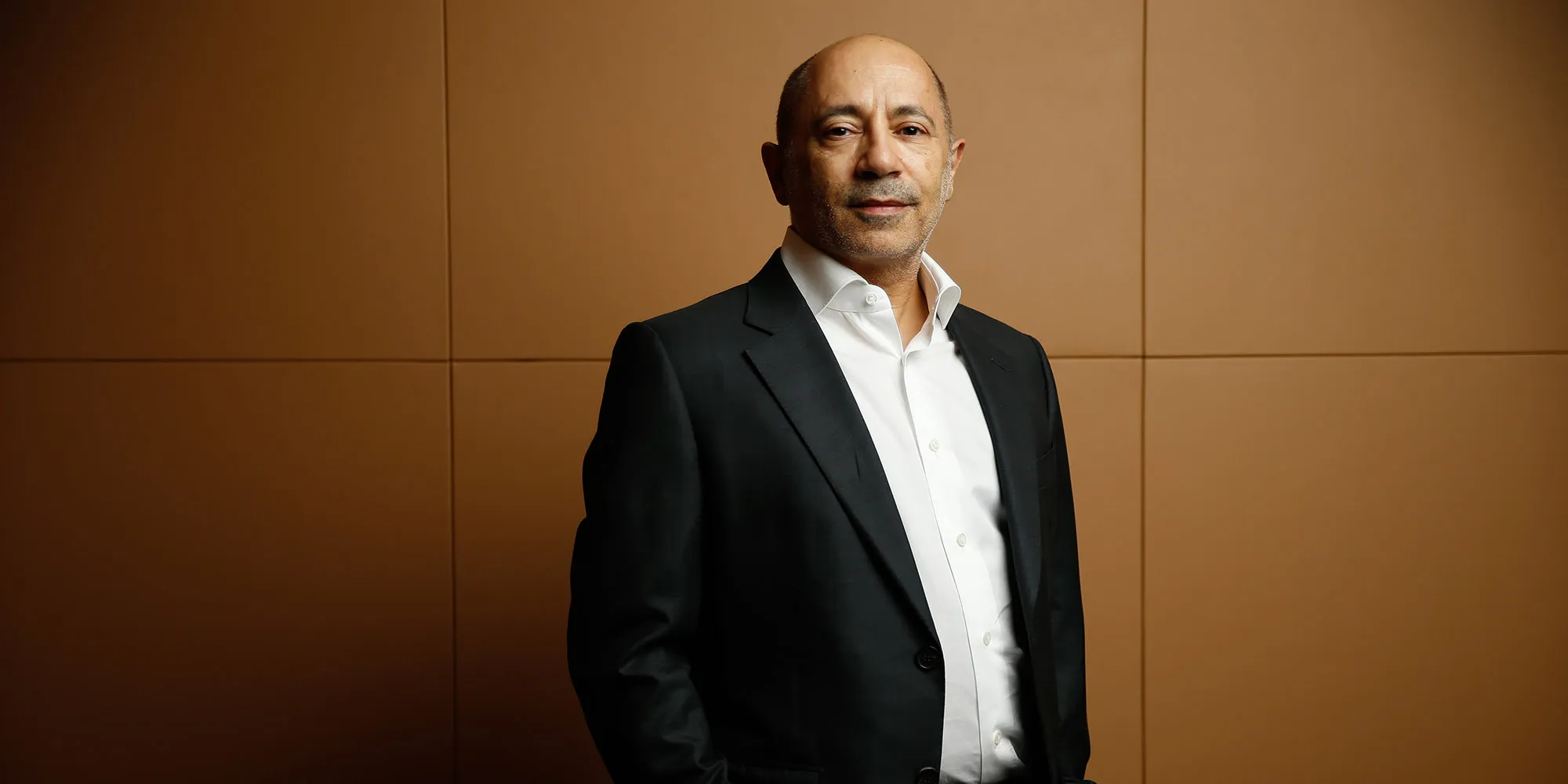
Alan Howard is a co-founder of Brevan Howard Asset Management and is widely regarded as one of the most successful global macro traders of his generation. His investment strategy focuses on high-conviction, asymmetric bets within the fixed income and foreign exchange markets, prioritizing capital preservation and risk-adjusted returns. Since the firm's inception in 2002, Howard has maintained a reputation for delivering significant alpha during periods of extreme market volatility, most notably during the 2008 financial crisis and the 2020 pandemic-induced market shifts.
The Foundations of the Brevan Howard Strategy
To understand Alan Howard’s performance, one must first analyze the institutional framework of Brevan Howard Asset Management. Founded alongside four other former Credit Suisse First Boston traders, the firm was built to institutionalize global macro trading. Unlike "star manager" shops that rely on the intuition of a single individual, Howard built a platform that combines rigorous proprietary technology with a disciplined risk management overlay.
The core of the strategy is Global Macro, a hedge fund style that seeks to profit from broad changes in the global economy, often triggered by shifts in government policy, interest rate movements, or geopolitical events. Howard’s specific edge lies in his ability to identify "asymmetric" opportunities—trades where the potential downside is strictly limited, but the potential upside is many multiples of the initial risk.
In the current landscape of 2026, this approach remains highly relevant. As central banks navigate the long-tail effects of the inflationary spikes seen earlier in the decade, Howard’s focus on interest rate volatility continues to be the primary engine of the firm’s returns. The strategy does not typically involve picking individual stocks; instead, it utilizes liquid instruments such as sovereign bonds, interest rate swaps, and major currency pairs to express a directional view of the world’s largest economies.
Core Pillars of the Investment Philosophy
Alan Howard’s investment philosophy is defined by three distinct pillars: capital preservation, liquidity, and convexity. These elements have allowed his funds to survive and thrive in environments that decimated other macro managers.
Capital Preservation and "Draconian" Risk Management
The hallmark of Howard’s management style is an intolerance for significant drawdowns. The firm employs a risk management system often described by insiders as "draconian." Traders at Brevan Howard are assigned strict "stop-loss" limits. If a trader loses a pre-defined percentage of their allocated capital, their trading limit is automatically reduced. If losses continue, the capital is pulled entirely. This prevents the "gambler’s fallacy" where a trader doubles down on a losing position, ensuring that the fund lives to fight another day.
Asymmetry and Convexity
Howard frequently seeks "convex" payouts. This involves using options or complex derivatives to create a payoff profile that is non-linear. For example, a trade might be structured so that a 1% move in interest rates yields a 10% return for the fund, while a move in the opposite direction only results in a 0.5% loss. By "buying optionality" when volatility is mispriced, Howard can capture massive gains during market "black swan" events.
Focus on Liquid Markets
By trading almost exclusively in the most liquid markets in the world (such as US Treasuries, Eurodollars, and G10 currencies), Howard ensures that the fund can exit positions quickly. This liquidity is a vital component of his risk management, allowing for rapid deleveraging when the macro thesis changes or when market correlations break down.
Historical Performance and Market Cycles
The track record of the Brevan Howard Master Fund serves as a benchmark for the global macro industry. While the firm has expanded into multi-strategy and digital asset offerings, the flagship performance remains the primary indicator of Howard’s skill.
| Period | Market Context | Strategy Performance | Key Drivers |
|---|---|---|---|
| 2008 | Global Financial Crisis | ~20% Return | Shorting subprime-linked credits; directional bets on falling rates. |
| 2013-2017 | Low Volatility / QE Era | Flat to Low Single Digits | Challenging environment for macro due to suppressed interest rate volatility. |
| 2020 | COVID-19 Pandemic | ~27% Return | Capitalizing on extreme volatility and rapid central bank interventions. |
| 2022-2024 | Inflationary Pivot | Strong Alpha Generation | Profiting from the end of "Zero Interest Rate Policy" (ZIRP) and aggressive rate hikes. |
| 2025-2026 | Post-Inflation Stability | Consistent Mid-Single Digits | Focus on relative value trades and central bank "normalization" cycles. |
The mid-2010s were a historically difficult period for Howard. As central banks suppressed volatility through quantitative easing, the "macro" opportunities he thrived on became scarce. However, the return of inflation and the subsequent normalization of interest rates in the early 2020s revitalized the strategy. As of 2026, the firm has successfully pivoted to a multi-PM (Portfolio Manager) model, reducing the "key man risk" associated with Howard himself while still maintaining his core trading principles.
The Digital Pivot: BH Digital and Web3
One of the most significant evolutions in Alan Howard’s strategy over the last five years has been his aggressive expansion into digital assets. Howard was an early institutional adopter of Bitcoin and Ethereum, viewing them not just as "digital gold" but as a new frontier for macro volatility and asymmetric trading.
In 2021, the firm launched BH Digital, a dedicated division focused on the cryptocurrency ecosystem. This move was not a departure from his macro roots but an extension of them. Howard realized that the crypto markets offered the same high-volatility, high-convexity opportunities that the bond markets offered in the 1990s.
His digital strategy involves three layers:
- Liquid Token Trading: Applying macro trading discipline to Bitcoin, Ethereum, and other large-cap assets.
- Venture Capital: Direct investments in blockchain infrastructure and decentralized finance (DeFi) protocols.
- Credit and Staking: Generating yield through institutional-grade lending and participation in network consensus.
By 2026, BH Digital has become one of the largest institutional players in the space, proving that traditional macro techniques—risk limits, liquidity management, and economic analysis—can be successfully applied to the highly volatile world of digital finance.
Organizational Evolution and the Multi-Strategy Shift
Alan Howard stepped back from the CEO role in 2019 to focus more on his personal trading and the broader strategic vision of the firm. Under the leadership of CEO Aron Landy, Brevan Howard transitioned from being a single-fund shop to a diversified asset management platform.
This shift was essential for maintaining performance. By launching specialized funds—such as the Alpha Strategies fund, the Global Volatility fund, and various Private Credit vehicles—the firm can capture niche opportunities that are too small for the multi-billion dollar Master Fund. This "platform" model allows the firm to attract top-tier talent by offering them the autonomy to run their own "books" within the Brevan Howard risk framework.
For investors, this evolution means that the performance is less dependent on Alan Howard’s personal trades and more on the collective "intelligence" of the firm’s technology and risk systems. However, Howard’s DNA remains present in every trade, particularly the insistence that no single loss should ever be allowed to threaten the fund's survival.
Challenges and Criticisms
Despite his success, Howard’s approach is not without its critics. The high fees traditionally associated with macro hedge funds (often the "2 and 20" model) have come under scrutiny, especially during years of flat performance. Furthermore, the extreme focus on risk management can sometimes lead to "whipsawing," where the fund exits a position due to a short-term spike in volatility, only to see the original thesis eventually play out.
Additionally, the firm's foray into digital assets, while profitable in the long run, introduced a level of headline risk and volatility that some conservative institutional investors found difficult to digest. However, Howard’s ability to navigate the 2022 crypto contagion without significant losses to the firm’s core capital reinforced the efficacy of his risk-first philosophy.
Financial Disclosure: This article is for informational purposes only and does not constitute financial, investment, or legal advice. Hedge fund investments are typically restricted to "accredited" or "qualified" investors and involve significant risk of loss. Past performance is not indicative of future results.
Frequently Asked Questions
What is Alan Howard's net worth as of 2026?
While exact figures vary based on market fluctuations and private holdings, Alan Howard remains one of the wealthiest individuals in the United Kingdom. His wealth is primarily derived from his ownership stake in Brevan Howard Asset Management and his successful personal trading, particularly in the macro and digital asset sectors.
How can individual investors access Alan Howard’s strategies?
Direct investment in Brevan Howard’s flagship funds generally requires a very high minimum investment (often $5 million to $10 million) and status as a qualified purchaser. However, some of the firm’s strategies are accessible through institutional sub-advised funds or specialized UCITS-compliant vehicles in certain jurisdictions.
Why is Alan Howard so focused on "asymmetry"?
Asymmetry is the core of Howard's risk-reward calculus. By finding trades where the potential for profit far outweighs the potential for loss, he can afford to be "wrong" on the direction of the market more than 50% of the time and still remain profitable. This approach is designed to protect capital during market crashes.
What happened to the Brevan Howard Master Fund during the 2022 market downturn?
In 2022, while many equity-heavy funds saw double-digit losses, the Brevan Howard Master Fund performed exceptionally well. The fund was able to capitalize on the sharp rise in global interest rates and the "de-correlation" of assets, proving the value of a macro hedge during an inflationary cycle.
Does Alan Howard still trade personally?
Yes, although he has stepped back from day-to-day administrative management, Howard remains a "Principal Trader." He continues to manage a significant portion of the firm's capital and is heavily involved in the strategic direction of the digital asset and macro portfolios.
Recommendations for Institutional Investors
For institutional investors looking to allocate to global macro or follow Alan Howard’s lead, the primary takeaway is the importance of portfolio diversification through non-correlated assets. In a market environment where traditional 60/40 (stock/bond) portfolios may struggle with rising correlations, a macro strategy that thrives on volatility can act as a powerful hedge.
Investors should seek managers who prioritize risk management and capital preservation over "chasing" returns. Verification of a manager’s "drawdown history" is more critical than their peak returns. As we progress through 2026, the ability to pivot between traditional sovereign debt and emerging digital asset classes—as Howard has done—will likely be the defining characteristic of the next generation of successful macro managers.