Alan Horn served as the Chairman and later Co-Chairman of Walt Disney Studios from 2012 to 2021, a decade defined by unprecedented commercial success and creative expansion. By implementing a high-quality "tentpole" strategy, integrating major acquisitions like Lucasfilm and 21st Century Fox, and fostering a creative-first culture, Horn transformed Disney into a dominant force in global entertainment.
The Architect of the Modern Blockbuster Era
When Alan Horn arrived at Walt Disney Studios in 2012, the company was at a crossroads. Despite the success of its animation department and the early days of the Marvel Cinematic Universe, the studio’s live-action slate was struggling with high-profile misses like John Carter. Horn, who had previously led Warner Bros. through the era of Harry Potter and Christopher Nolan’s Dark Knight trilogy, was brought out of a brief retirement by then-CEO Bob Iger to steady the ship.
Horn’s primary contribution was the refinement of the "tentpole" strategy. Rather than producing dozens of mid-budget films that faced uncertain theatrical prospects, Horn focused the studio’s resources on a curated selection of eight to ten massive event films per year. This strategy prioritized recognizable IP (Intellectual Property) and guaranteed that every Disney release was an "event" that commanded the global conversation. Under his leadership, Disney became the first studio in history to surpass $10 billion at the global box office in a single year (2019), a record that stands as a testament to his strategic foresight.
The "Creative-First" Philosophy and Executive Mentorship
One of the most significant aspects of the Alan Horn legacy is his unique approach to creative management. Unlike many executives who prioritize spreadsheets over scripts, Horn was known for his "creative-first" mentality. He possessed a rare ability to give notes that respected the filmmaker's vision while ensuring the product met Disney’s brand standards for quality and broad appeal.
Horn acted as a critical bridge between the corporate demands of the Walt Disney Company and the visionary needs of its various studio heads. He provided the necessary autonomy for Kevin Feige (Marvel Studios), Kathleen Kennedy (Lucasfilm), and the leadership at Pixar and Disney Animation to flourish. His leadership style was characterized by:
- Radical Candor and Humility: Horn was famous for his polite but firm feedback, often sitting in editing rooms to help find the "heart" of a story.
- Decisive Gatekeeping: He was the final arbiter of what made a "Disney movie," ensuring that even as the company grew to include edgier content from Fox, the core Disney brand remained synonymous with family-friendly excellence.
- Stability Amidst Chaos: During the rapid integration of Lucasfilm and the later acquisition of 21st Century Fox, Horn provided a steady hand that prevented corporate friction from stifling creative output.
Integrating the Titans: Lucasfilm and 21st Century Fox
The acquisition of Lucasfilm in 2012 occurred almost simultaneously with Horn’s appointment. He was tasked with the immense responsibility of relaunching the Star Wars franchise for a new generation. While the sequel trilogy faced varied critical reception, its commercial performance—led by The Force Awakens—was staggering. Horn’s ability to manage the high expectations of the fanbase while satisfying the financial requirements of the Disney board was a masterclass in executive balancing.
Furthermore, the 2019 acquisition of 21st Century Fox presented a massive structural challenge. Horn had to integrate a studio with a drastically different culture (Fox Searchlight and 20th Century Studios) into the Disney ecosystem. He successfully preserved the prestige of Fox Searchlight, ensuring that Disney would remain a player in the Academy Awards and independent film circles, while leveraging 20th Century’s assets to bolster the Disney+ streaming service.
Comparing the Disney Studio Eras
To understand the magnitude of Alan Horn’s impact, it is helpful to look at the metrics and strategic shifts that occurred during his tenure compared to the period immediately preceding it.
| Feature | Pre-Horn Era (2000s - 2011) | Alan Horn Era (2012 - 2021) |
|---|---|---|
| Primary Strategy | High volume, diverse genres, experimental live-action. | Fewer, larger "tentpole" event films. |
| Core Brands | Disney Animation, Pixar (acquired 2006), Touchstone. | Disney, Pixar, Marvel, Lucasfilm, 20th Century. |
| Box Office Focus | Domestic focus with international growth. | Aggressive global dominance; focus on $1B+ hits. |
| Creative Leadership | Segmented management; frequent executive turnover. | Unified oversight with autonomy for brand heads. |
| Key Achievements | Pirates of the Caribbean, Toy Story 3. | Avengers: Endgame, Star Wars: The Force Awakens, Frozen. |
The Legacy of Quality and Brand Stewardship
As we look back from the vantage point of 2026, Alan Horn’s legacy is viewed not just through box office receipts, but through the sustained health of the brands he nurtured. He understood that Disney’s greatest asset was not its technology or its theme parks, but its emotional connection with the audience.
Horn often spoke about the "Disney Magic" as something that had to be earned with every release. He resisted the urge to over-saturate the market, a discipline that sometimes put him at odds with the demands for constant growth but ultimately protected the long-term value of the franchises. His retirement marked the end of a specific type of Hollywood leadership—the "gentleman executive" who combined old-school storytelling sensibilities with modern corporate scale.
How Horn Influenced the Streaming Era
Though Horn was primarily a theatrical champion, his leadership was instrumental in the successful launch of Disney+. By ensuring that the studio’s film slate remained the "gold standard" of entertainment, he created a library of content that made the streaming service instantly competitive with Netflix and HBO. The quality control he established for theatrical releases translated into a high perceived value for the digital library, proving that a strong theatrical brand is the best foundation for a digital future.
Challenges and the Transition of Power
No legacy is without its complications. Horn’s tenure also saw challenges, including the difficult balance of creative freedom versus corporate synergy and the disruption caused by the global pandemic in 2020. However, the transition of leadership to his successors was largely seamless because Horn had spent years building a robust organizational structure. He left Disney with a clear blueprint: respect the creator, protect the brand, and never settle for a "good enough" script.
Frequently Asked Questions
When did Alan Horn officially retire from Disney?
Alan Horn officially retired from his role as Co-Chairman of Walt Disney Studios on December 31, 2021. However, he remained a consultant for the company through mid-2022 to assist with the transition. His departure was viewed as a major milestone, ending a decade of unprecedented growth for the studio.
What was Alan Horn's role at Warner Bros. before Disney?
Before joining Disney, Alan Horn was the President and COO of Warner Bros. from 1999 to 2011. During this time, he oversaw the Harry Potter series, The Dark Knight trilogy, and The Lord of the Rings (via New Line Cinema). His success at Warner Bros. is what made him the prime candidate to lead Disney’s studio division.
How did Alan Horn change Marvel Studios?
While Kevin Feige is the creative architect of Marvel, Alan Horn provided the executive support and resources necessary for the MCU to expand. Horn helped navigate the internal restructuring that allowed Feige to report directly to the studio chairman rather than through Marvel Entertainment, which many credit with the creative explosion of the "Phase 3" and "Phase 4" films.
Is Alan Horn still active in the film industry in 2026?
As of 2026, Alan Horn is largely retired from active studio management, though he continues to serve as a mentor and consultant for various industry leaders. His influence is still felt through the many executives and producers he mentored during his long career at Warner Bros. and Disney.
What is considered Alan Horn’s greatest achievement at Disney?
Most industry analysts consider his greatest achievement to be the successful integration of Marvel and Lucasfilm into the Disney brand. He managed to make these diverse "worlds" feel like they belonged under the Disney umbrella without losing their unique identities, resulting in the most successful film slate in cinematic history.
Strategic Lessons for Modern Leadership
For those looking to replicate the "Horn Touch," the lesson is clear: long-term success in a creative industry requires a balance of rigorous fiscal discipline and deep respect for the artistic process. Leaders should focus on finding "the signal in the noise"—identifying the core elements of a story that will resonate across cultures and generations.
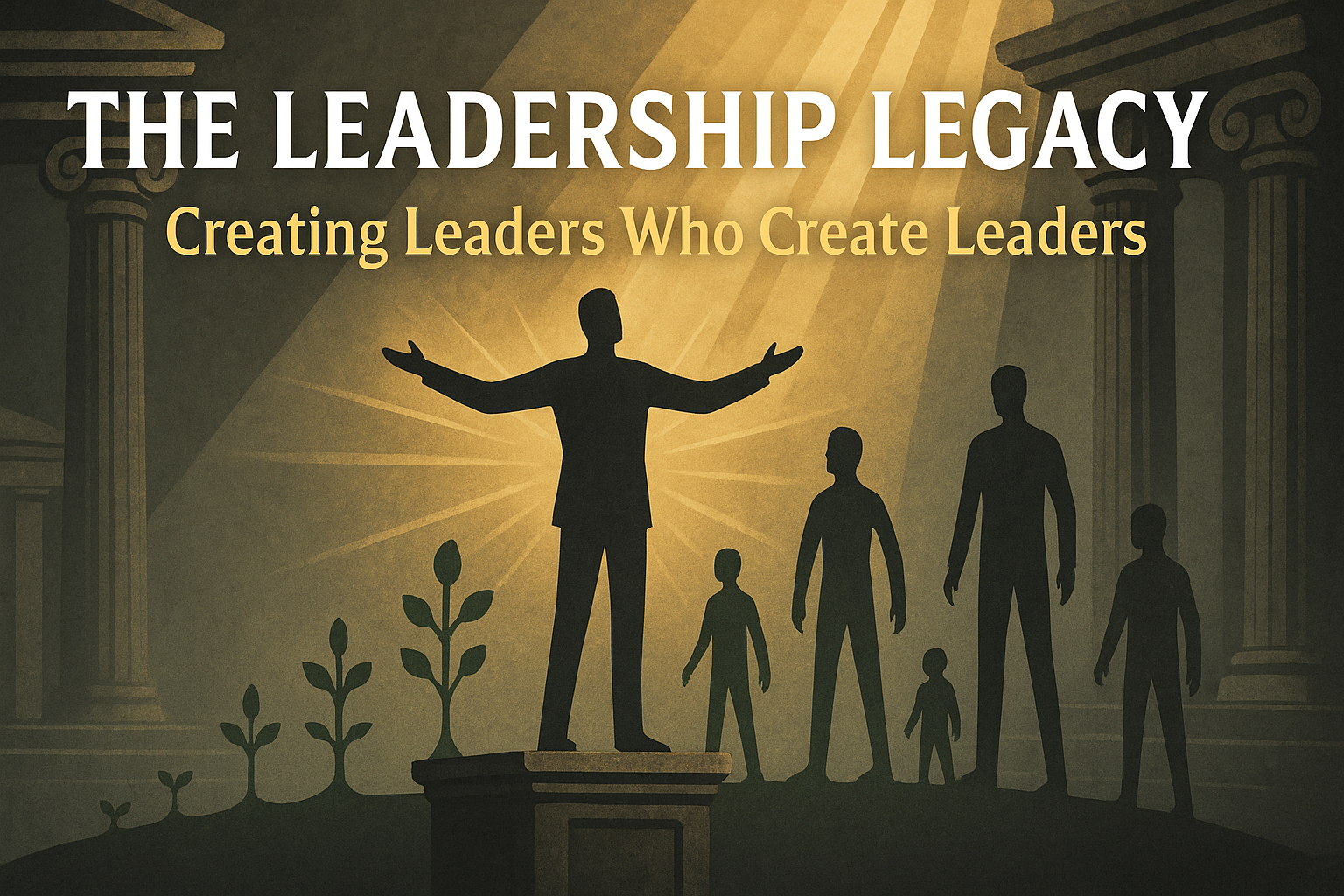
The leadership legacy of Alan Horn serves as a reminder that even in an age of data and algorithms, the most important factor in the "magic" is the human element. His career demonstrates that a studio is only as strong as its relationships with its creators. Moving forward, the industry continues to look to the Horn era as a benchmark for how to scale a business without losing its soul.