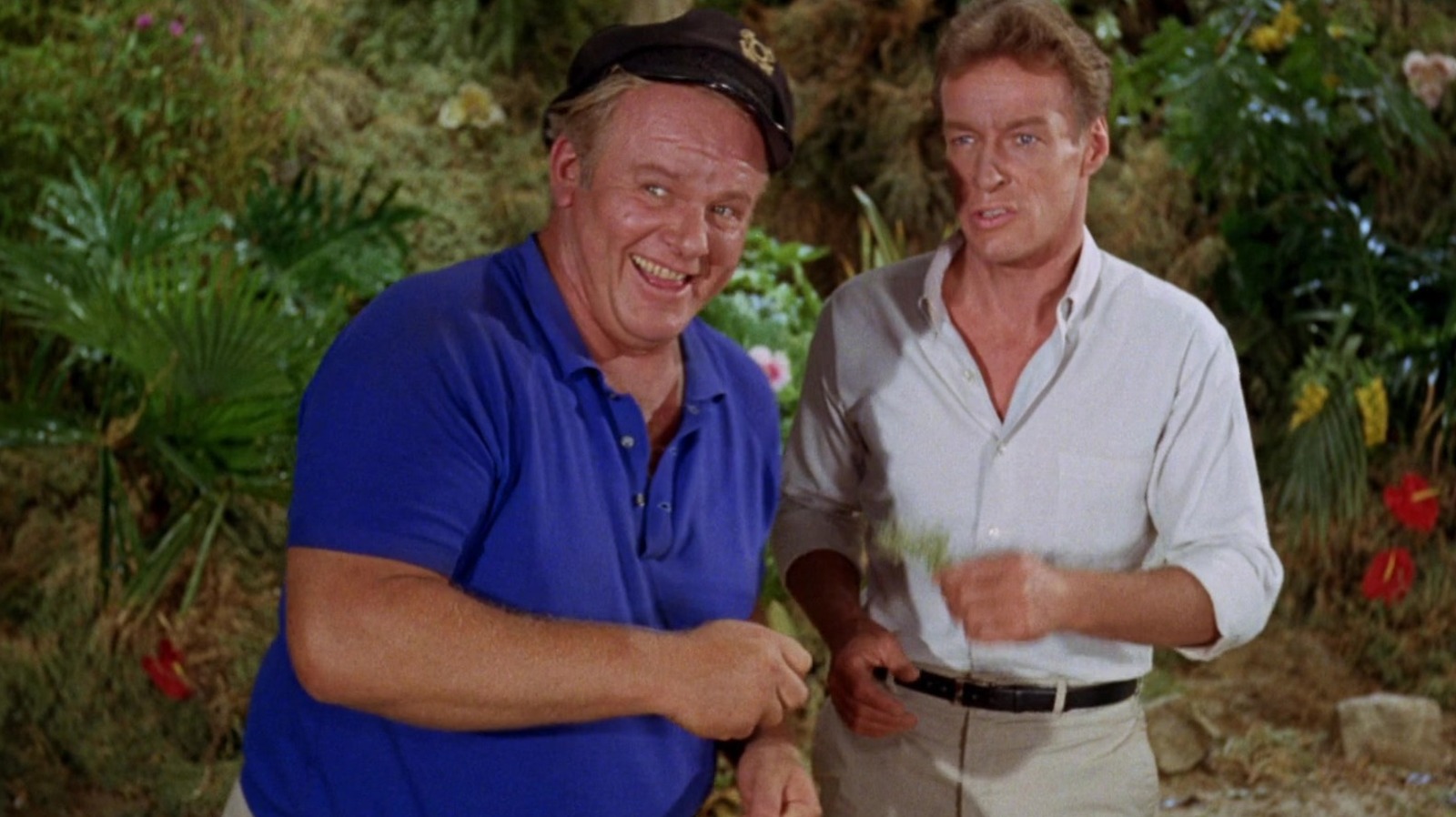
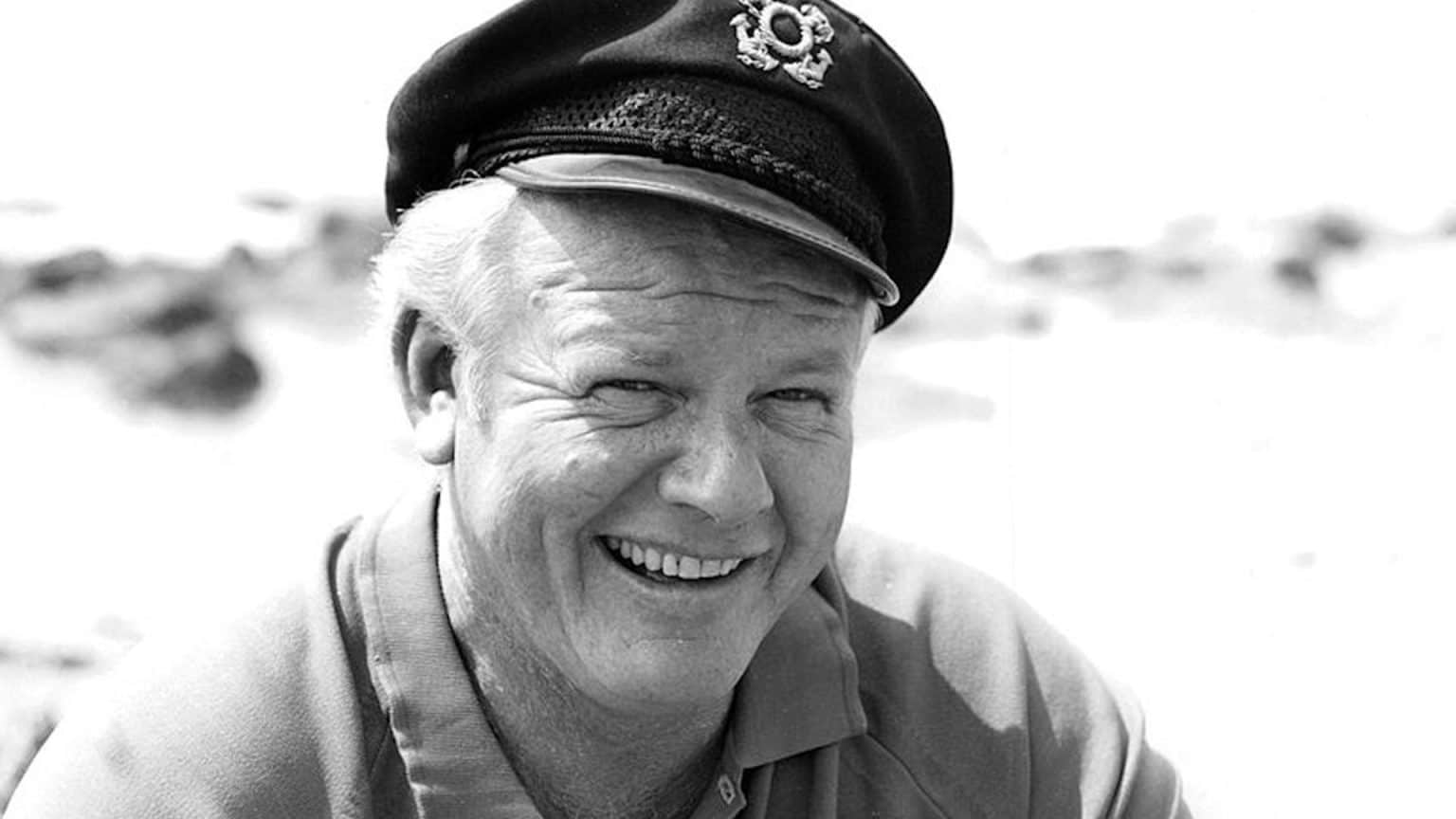
As of various retrospective financial analyses conducted through 2018 and into 2026, the estimated net worth of Alan Hale Jr. at the time of his passing—adjusted for inflation and asset growth—sits at approximately $6 million. Despite his global fame as "The Skipper" on Gilligan’s Island, his wealth was primarily derived from a prolific 50-year career in film and television, successful restaurant ventures, and a diverse portfolio of business interests rather than television residuals.
The Financial Reality of the "Skipper": An Overview
To understand Alan Hale Jr.’s net worth, one must distinguish between the perceived wealth of a television icon and the actual economic structures of 1960s Hollywood. While modern television stars often secure massive syndication deals, Hale belonged to an era where "buyout" contracts were the norm. Consequently, the massive, multi-decade success of Gilligan's Island in reruns did not result in a continuous stream of income for the actor.
However, Hale was far from a "struggling actor." Born into Hollywood royalty, he possessed a keen business sense that allowed him to parlay his "Skipper" persona into lucrative secondary ventures. By 2018, when interest in classic television earnings spiked among digital researchers, analysts began to piece together a more accurate picture of his estate. His wealth was built on the foundation of over 200 acting credits and a legendary hands-on approach to his business investments in Los Angeles.
Early Career and Hollywood Pedigree: Foundations of Wealth
Alan Hale Jr. was the son of Alan Hale Sr., one of the most successful character actors in the history of cinema and a frequent collaborator with Errol Flynn. This lineage provided Alan Jr. with more than just a famous name; it gave him an early understanding of the "business" side of show business.
Starting his career in the early 1940s, Hale did not rely on his father's shadow. He established himself as a reliable, physically imposing character actor who could handle both comedy and drama. During the 1940s and 1950s, he appeared in dozens of films and early television series, including The West Point Story and Biff Baker, U.S.A. These roles provided a steady, respectable income during the "Golden Age" of the studio system, where contract players earned consistent weekly salaries that, while not astronomical by today's standards, allowed for significant capital accumulation.
The Gilligan’s Island Era: Salary vs. Legend
When Alan Hale Jr. signed on to play Jonas "The Skipper" Grumby in 1964, he was already a veteran performer. For the three seasons that Gilligan's Island aired on CBS, Hale earned a salary that was standard for a lead character actor of the time. While exact contract figures from the mid-1960s are often kept in private archives, industry standards suggest a range of $2,500 to $5,000 per episode during the show's peak.
With 98 episodes produced, his direct earnings from the initial run were substantial for the mid-60s but were not enough to sustain a lifetime of luxury on their own. The real "value" of the role was the international recognition it provided, which Hale used to fuel his later career and business interests. It is a common misconception that the cast lived off the show's success for decades; in reality, the primary financial beneficiary of the show's longevity was the producer, Sherwood Schwartz.
The Residuals Myth: Why the Cast Didn't Get Rich from Syndication
One of the most frequent questions regarding Alan Hale Jr.’s net worth in 2018 and beyond concerns residuals. Fans often assume that because Gilligan's Island has never stopped airing somewhere in the world, the actors must have been millionaires many times over.
The truth is much bleaker from a labor perspective. In the 1960s, the Screen Actors Guild (SAG) had not yet negotiated the robust residual structures that exist today. Most actors were paid for the initial broadcast and a limited number of reruns (usually up to five or six airings). Once that cap was hit, the actors received no further compensation, regardless of how many thousands of times the episodes were broadcast. Hale famously noted in interviews that while he loved the fans and the role, the financial "pot of gold" from syndication simply didn't exist for the cast. This lack of residual income is why his net worth relied so heavily on his work ethic post-1967.
Business Ventures Beyond Acting: The Lobster Barrel and More
Recognizing that acting income could be mercurial, Alan Hale Jr. pivoted toward entrepreneurship. His most successful venture was Alan Hale’s Lobster Barrel, a highly popular restaurant located on La Cienega Boulevard’s "Restaurant Row" in Los Angeles.
This was not a mere celebrity endorsement. Hale was frequently at the restaurant, often wearing his Skipper hat, greeting guests, and ensuring the quality of the service. The restaurant became a landmark and a significant source of cash flow for Hale during the 1970s and 1980s.
In addition to the restaurant, Hale owned and operated:
- A Travel Agency: Leveraging his "Skipper" brand, he helped fans and clients navigate their own "tours," albeit much safer than the S.S. Minnow's three-hour tour.
- A Wholesale Boat Company: His affinity for the nautical life extended into the retail and wholesale sector of the maritime industry.
These diversified interests ensured that his net worth continued to grow even when he wasn't in front of a camera.
Alan Hale Jr. Net Worth Estimates: Comparative Breakdown
To provide context on how his earnings were distributed and how the $6 million retrospective valuation is reached, the following table outlines his primary income streams throughout his career.
| Income Category | Primary Era | Estimated Financial Impact | Source of Value |
|---|---|---|---|
| Early Film/TV Contracts | 1941–1960 | Moderate-High | Weekly studio salaries and character roles. |
| Gilligan's Island Salary | 1964–1967 | High (Per Year) | Fixed episodic fees for 98 episodes. |
| The Lobster Barrel | 1970s–1980s | Very High | Direct business ownership and profit. |
| Classic TV Appearances | 1970s–1980s | Moderate | Guest spots on The Love Boat, Fantasy Island, etc. |
| Commercial Endorsements | 1980s | Moderate | Nostalgia-based advertising and public appearances. |
| Real Estate/Investments | Throughout | High | Long-term appreciation of Los Angeles property. |
Philanthropy and Personal Lifestyle: Where the Money Went
Alan Hale Jr. was known in Hollywood as a "gentle giant" with a legendary sense of generosity. While some actors of his era lived ostentatiously, Hale was more focused on community and personal fulfillment.
A significant portion of his "real earnings" was directed toward charitable causes. He was famously dedicated to visiting children in hospitals, often appearing in full Skipper costume to bring joy to young fans. While these were not tax-shelter maneuvers, his philanthropic reputation increased his marketability for public appearances, which remained a steady source of income until his health declined in the late 1980s. His lifestyle was comfortable—living in the affluent areas of Los Angeles—but he avoided the financial pitfalls of excessive gambling or failed high-risk investments that claimed the fortunes of many of his contemporaries.
Legacy and Estate Value in the 21st Century
By the time of the 2018 retrospective look at his finances, it became clear that Alan Hale Jr.’s estate was managed with the same pragmatism he applied to his career. When he passed away in 1990, his assets were distributed among his family, including his wife Naomi and his children.
The $6 million figure often cited in 2018 and 2026 takes into account the valuation of his business holdings at the time of their sale, his real estate portfolio, and the adjusted value of his lifetime earnings. While he was never "Hollywood wealthy" in the sense of modern A-list movie stars, he was a millionaire several times over—a feat achieved through hard work and business diversification rather than the "easy money" of television residuals.
FAQ
Did Alan Hale Jr. receive any money from Gilligan's Island merchandise?
Generally, no. In the 1960s, likeness rights and merchandising royalties were rarely granted to actors. The rights were almost entirely owned by the production company and the network. While some later deals for reunions or specific licensed products may have provided small payments, they did not contribute significantly to his net worth.
How much did Alan Hale Jr. make per episode of Gilligan's Island?
While exact figures are proprietary, it is widely accepted that Hale earned between $2,500 and $5,000 per episode. This was a top-tier salary for a character lead in a sitcom during the mid-1960s, though it pales in comparison to the millions per episode earned by modern sitcom stars.
Was the Lobster Barrel restaurant profitable?
Yes, extremely. The Lobster Barrel was a staple of the Los Angeles dining scene for many years. Hale's active involvement and the restaurant's prime location on La Cienega Boulevard made it a cornerstone of his personal wealth outside of acting.
Did he inherit his father's wealth?
Alan Hale Sr. was a very successful actor, and Alan Jr. did receive an inheritance. However, the bulk of the $6 million valuation is attributed to Alan Jr.'s own 50-year career and his independent business ventures rather than family inheritance alone.
Why is the "2018" net worth figure important?
The year 2018 marked a significant resurgence in interest regarding the "True Cost of Fame" and the financial history of classic TV stars. Digital archives and estate records became more accessible, allowing financial historians to calculate more accurate "real earnings" for stars like Hale who operated before the era of public salary disclosures.
Verifying the Skipper's Financial Success
For those researching the financial history of classic Hollywood, the case of Alan Hale Jr. serves as a masterclass in professional longevity. To truly understand "how much he really earned," one must look past the red shirt and the captain's hat and view him as a small-business owner and a disciplined professional.
If you are looking to verify his impact or study the earnings of his era, it is recommended to look at the Screen Actors Guild (SAG-AFTRA) historical archives regarding 1960s contract structures or review Los Angeles business registry archives for Alan Hale’s Lobster Barrel. His story confirms that while the "three-hour tour" ended in 1967, his financial voyage was a long-term success built on a foundation of diversification and a relentless work ethic.