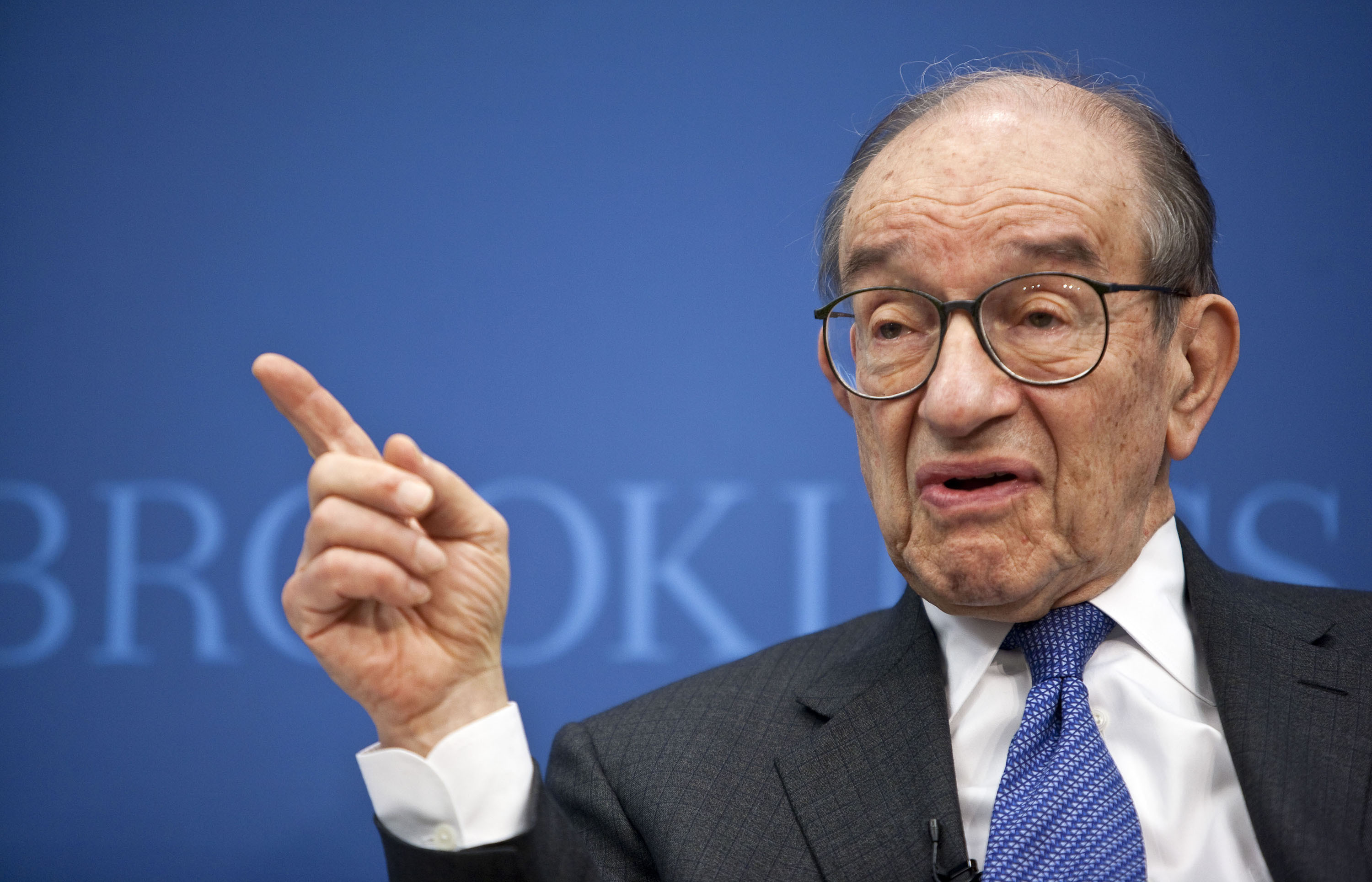
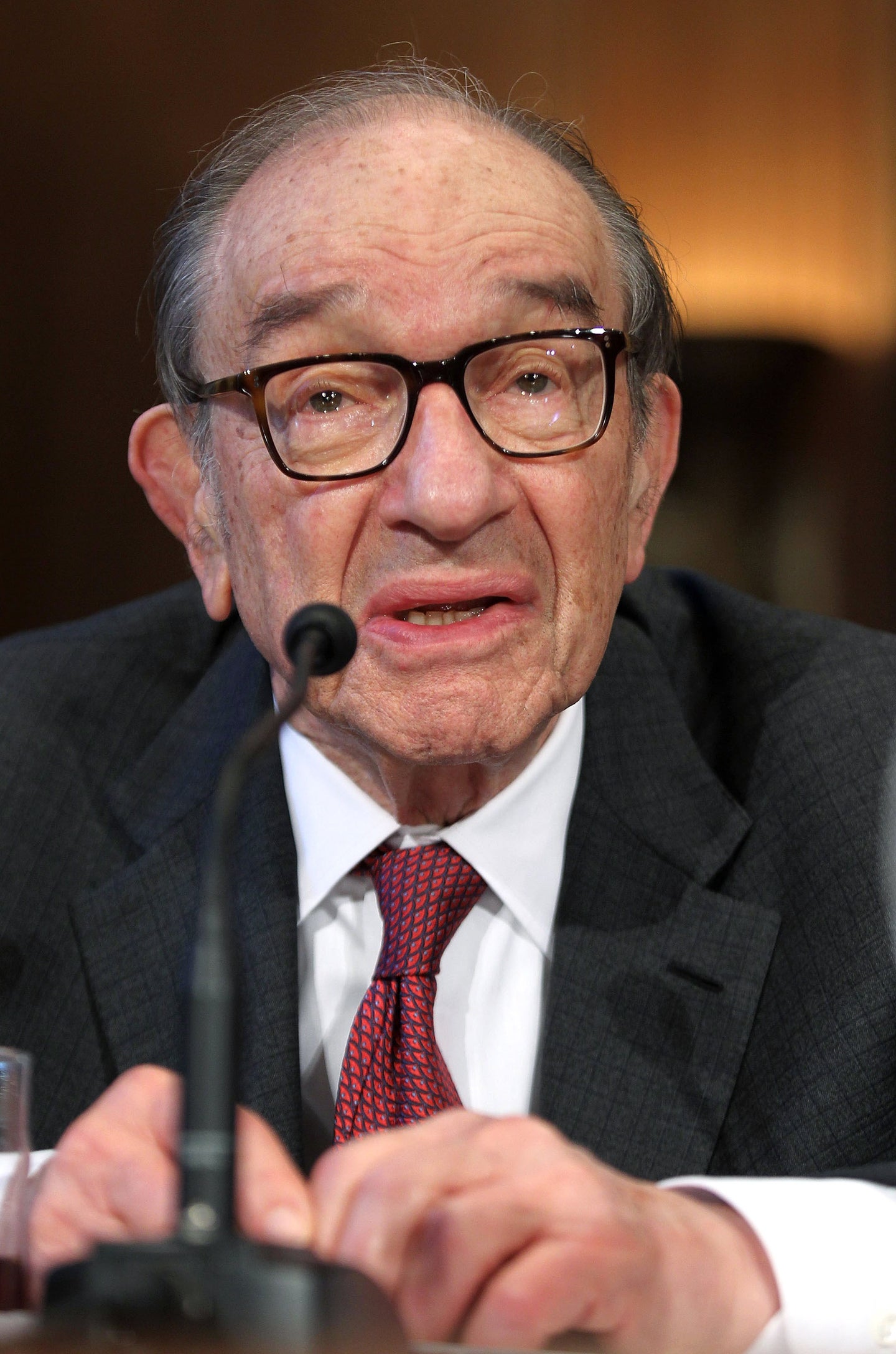
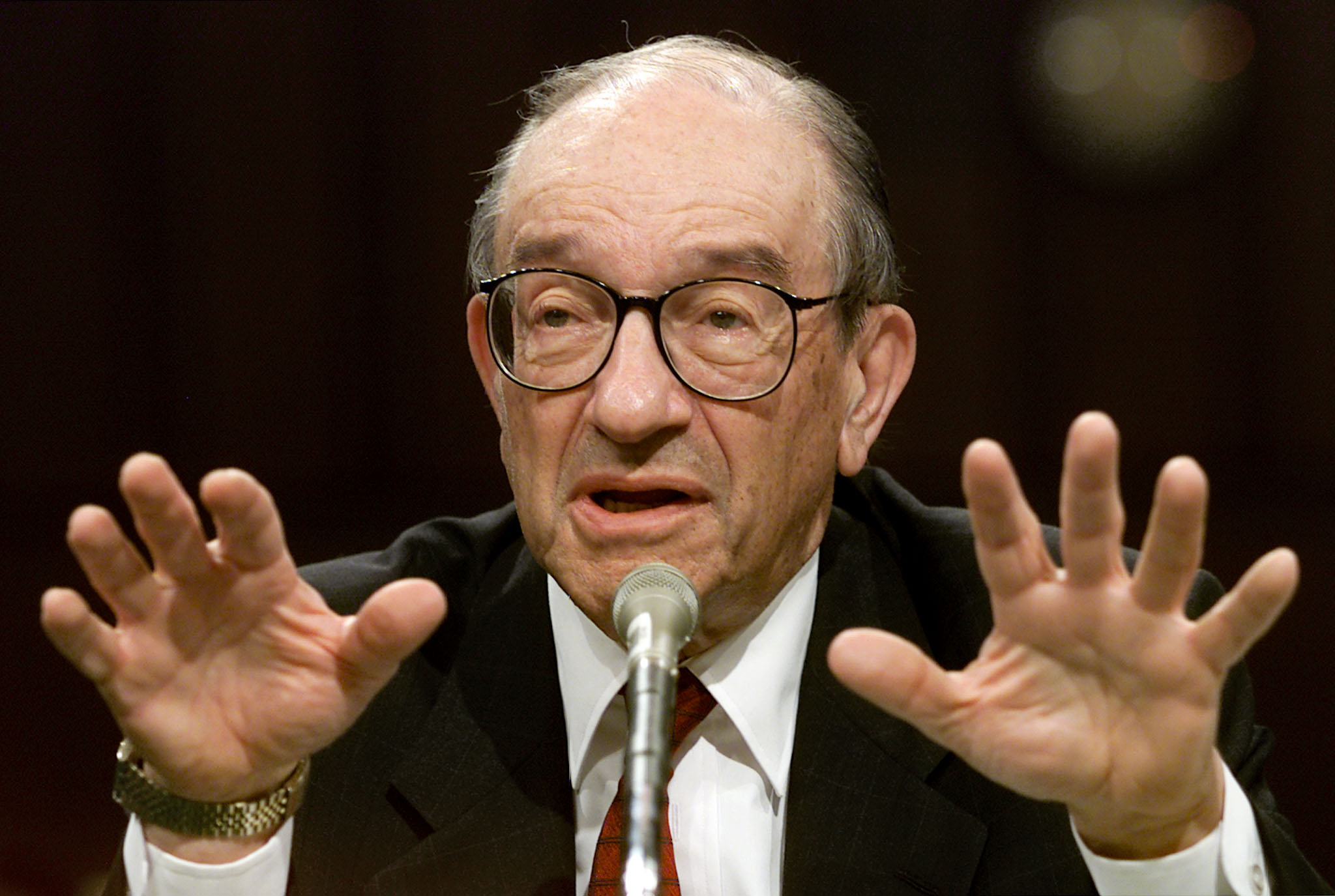
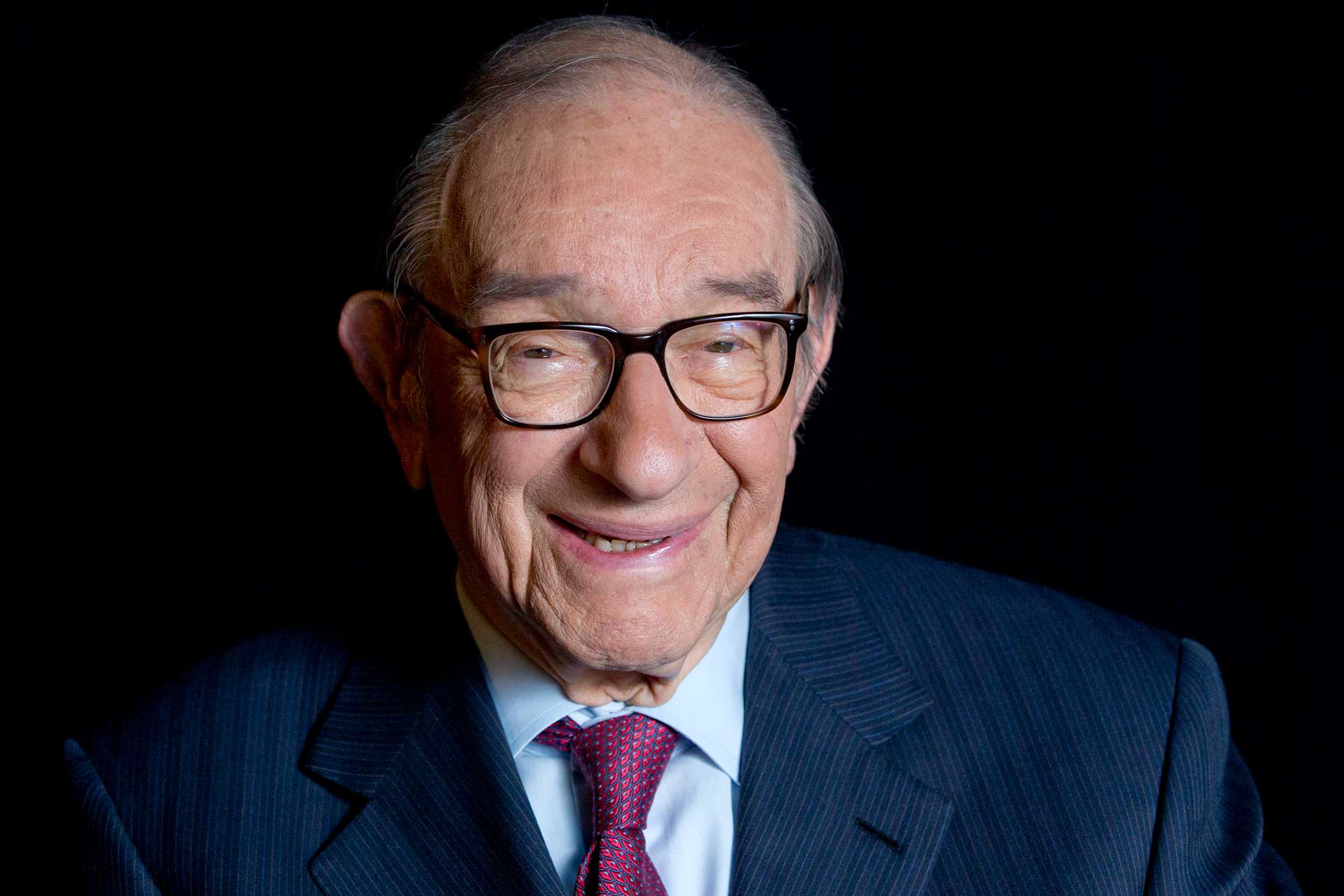
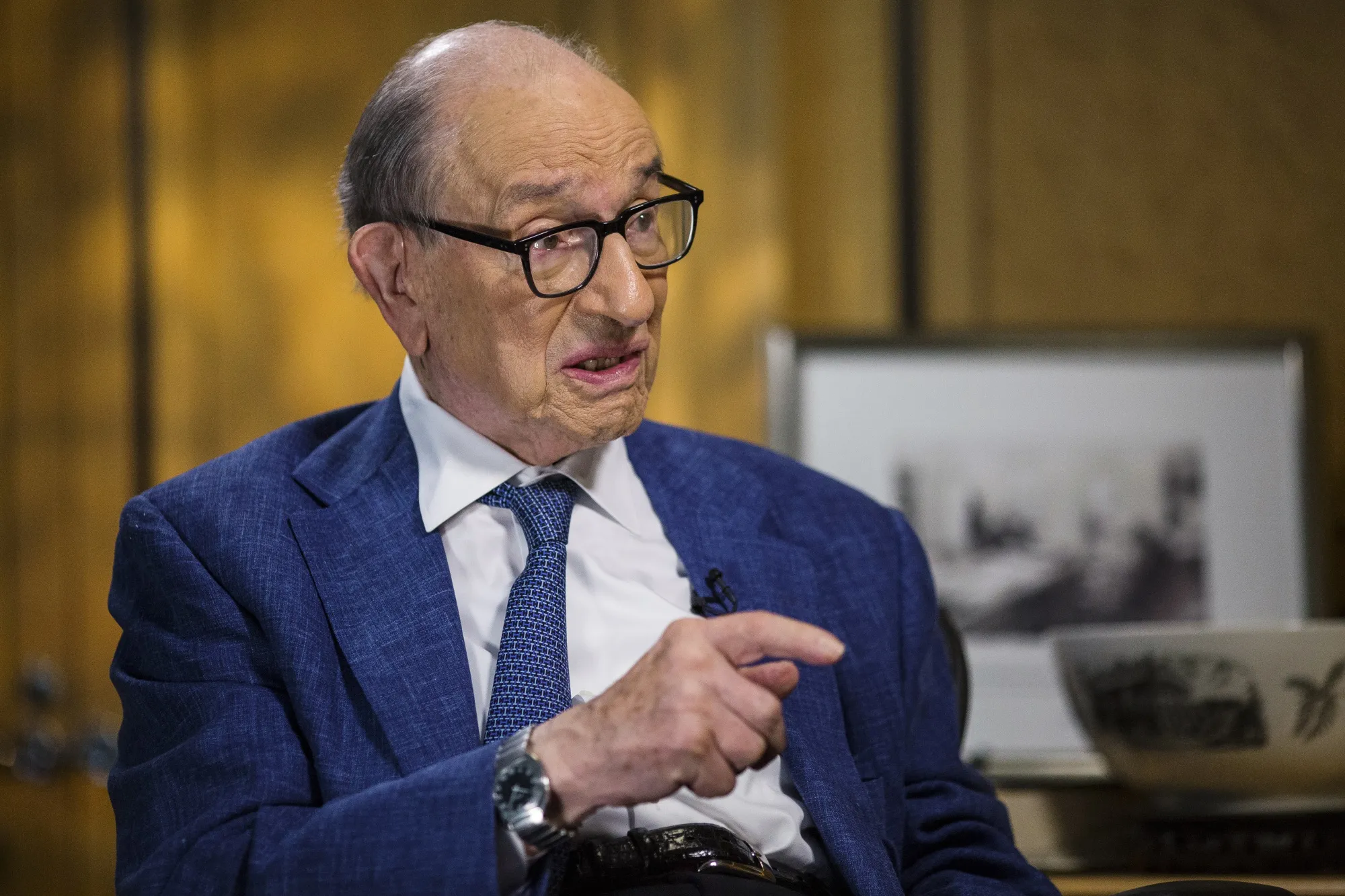
Alan Greenspan served as the 13th Chair of the Federal Reserve from 1987 to 2006, spanning the administrations of five U.S. presidents. Known for steering the American economy through the 1987 stock market crash, the 1990s technology boom, and the aftermath of 9/11, his tenure remains a subject of intense debate regarding deregulation and the roots of the 2008 financial crisis.
The Formative Years and the Influence of Objectivism
To understand Alan Greenspan’s approach to central banking, one must look at his early intellectual development. Born in 1926 in New York City, Greenspan initially pursued a career in music, attending the Juilliard School and playing saxophone in a professional jazz band. However, his interests soon shifted toward economics, leading him to earn degrees from New York University and later a PhD from the same institution.
In the 1950s, Greenspan became a core member of Ayn Rand’s inner circle, known as "The Collective." Rand’s philosophy of Objectivism—which champions laissez-faire capitalism and the moral superiority of self-interest—deeply influenced Greenspan’s worldview. During this period, he was a vocal advocate for the gold standard, arguing in his 1966 essay, Gold and Economic Freedom, that a central bank’s ability to expand credit is a "hidden confiscation of wealth."
This ideological foundation is critical because it explains his later reluctance to regulate complex financial instruments. While his role as Fed Chair required him to manage a fiat currency system he once criticized, his belief in the self-correcting nature of markets remained a cornerstone of his policy decisions for nearly two decades. His transition from a private economic consultant at Townsend-Greenspan & Co. to the Chairman of the Council of Economic Advisers under Gerald Ford set the stage for his eventual appointment to the Federal Reserve by Ronald Reagan in 1987.
Ascending to the Federal Reserve: The 1987 Market Crash
Alan Greenspan’s tenure began with a literal "baptism by fire." Only two months after taking office, on October 19, 1987, the Dow Jones Industrial Average plummeted 22.6% in a single day—an event known as "Black Monday." The speed of the crash threatened to freeze the global financial system.
Greenspan’s response was swift and became a blueprint for future central bank interventions. He issued a brief, one-sentence statement: "The Federal Reserve, consistent with its responsibilities as the Nation's central bank, affirmed today its readiness to serve as a source of liquidity to support the economic and financial system." By flooding the banking system with liquidity and encouraging banks to continue lending, Greenspan successfully prevented a broader economic depression.
This event gave birth to the concept of the "Greenspan Put." Investors began to believe that the Federal Reserve would always intervene to "backstop" the markets if prices fell too far. While this provided short-term stability, critics argue it created a moral hazard, encouraging excessive risk-taking because market participants felt protected from the full consequences of their losses.
The "Maestro" Era: Managing the 1990s Economic Expansion
The 1990s are often cited as the pinnacle of Greenspan’s career, earning him the nickname "The Maestro" on the cover of Bob Woodward’s 2000 biography. During this decade, the United States experienced one of its longest periods of economic growth, characterized by low inflation and high productivity gains driven by the burgeoning technology sector.
Greenspan’s brilliance during this era was his ability to recognize that the "Old Economy" rules had changed. While many economists feared that low unemployment would inevitably trigger inflation (based on the Phillips Curve), Greenspan correctly identified that advancements in computing and the internet were increasing productivity. He resisted calls to raise interest rates prematurely, allowing the economy to run "hot" and enabling millions of Americans to enter the workforce.
However, this period was not without controversy. In December 1996, Greenspan famously questioned whether "irrational exuberance" had unduly escalated asset values, referring to the burgeoning Dot-com bubble. Despite his own warning, he did not use interest rate hikes to pop the bubble, believing that central banks should not attempt to identify or prick asset bubbles but should instead focus on cleaning up the "fallout" after they burst.
Navigating the Dot-com Collapse and 9/11
The turn of the millennium brought a series of shocks that tested the Fed’s resolve. The bursting of the tech bubble in early 2000 was followed by the devastating terrorist attacks of September 11, 2001. In response, Greenspan led the Federal Open Market Committee (FOMC) in a series of aggressive interest rate cuts.
By July 2003, the federal funds rate had been lowered to 1%, the lowest level in nearly half a century. The goal was to stimulate spending and prevent a deflationary spiral. While this strategy was successful in stabilizing the economy in the short term, it had long-term consequences for the housing market.
With borrowing costs at historic lows, capital flooded into real estate. This era saw the proliferation of subprime mortgages and complex derivatives, such as mortgage-backed securities (MBS) and collateralized debt obligations (CDOs). Greenspan remained a staunch defender of these financial innovations, arguing that they distributed risk across the global financial system rather than concentrating it in a few large banks.
The Greenspan Put and the Great Moderation
As we look back from the vantage point of 2026, the period from the mid-1980s to 2007 is often referred to as the "Great Moderation." This was an era of reduced volatility in business cycles, which many attributed to Greenspan’s "artful" management of monetary policy. He relied heavily on "Fedspeak"—a term used to describe his intentionally ambiguous and complex public statements designed to avoid spooking the markets.
The table below compares the economic environment and policy stance during the major phases of Greenspan's tenure:
| Period | Primary Economic Challenge | Fed Funds Rate Trend | Major Policy Outcome |
|---|---|---|---|
| 1987–1990 | Stock Market Crash / Inflation | Rising (Post-Crash) | Successful containment of 1987 crash; brief 1990 recession. |
| 1991–1999 | Tech Boom / Productivity Shift | Stable to Rising | Extended expansion; "Irrational Exuberance" speech (1996). |
| 2000–2003 | Dot-com Bust / 9-11 | Sharply Falling (to 1%) | Avoided deep depression; fueled housing demand. |
| 2004–2006 | Housing Boom / Inflation | Rising (Measured pace) | Gradual tightening; credit bubble continued to expand. |
Greenspan’s decision to raise rates in a "measured" fashion (0.25% increments) between 2004 and 2006 is often criticized for being too slow to curb the housing frenzy. By the time he retired in January 2006, the seeds of the subprime mortgage crisis had already been sown.
Critical Analysis: The 2008 Financial Crisis and Beyond
The most significant challenge to Alan Greenspan’s legacy occurred two years after his retirement. As the global financial system buckled under the weight of toxic mortgage debt in 2008, many pointed the finger directly at his low-interest-rate policies and his opposition to regulating derivatives.
In a landmark Congressional testimony in October 2008, Greenspan admitted to a "flaw" in his ideology. He stated, "Those of us who have looked to the self-interest of lending institutions to protect shareholders' equity, myself especially, are in a state of shocked disbelief." This admission marked a pivotal moment in economic history, as it challenged the fundamental belief that markets are always self-regulating.
His critics, such as Nobel laureate Joseph Stiglitz, argued that Greenspan’s tenure was characterized by "deregulatory zeal" that stripped away the safeguards meant to prevent systemic collapse. Conversely, his supporters argue that he was a victim of his own success—that the long period of stability he fostered made investors complacent, leading to the very risks that eventually triggered the crisis.
Comparing the Chairmanships: From Volcker to the Modern Era
To understand Greenspan's impact, it is helpful to contrast his approach with his predecessor and successors. While Paul Volcker was the "inflation hawk" who used blunt force (high interest rates) to break the back of 1970s inflation, Greenspan was a "fine-tuner" who prioritized economic growth and market liquidity.
His successors, including Ben Bernanke, Janet Yellen, and Jerome Powell, have all had to contend with the "post-Greenspan" reality. They have adopted more transparent communication styles (abandoning Fedspeak) and have had to engage in "Quantitative Easing" (QE)—a massive expansion of the Fed's balance sheet that goes far beyond the liquidity injections Greenspan used in 1987.
As of 2026, the Federal Reserve's toolkit is much larger, but the fundamental question Greenspan raised remains: To what extent should a central bank intervene in asset markets? The "Greenspan Put" has evolved into a broader expectation of permanent central bank support, a development that continues to influence modern investment strategies and risk assessments.
Applying the Lessons of the Greenspan Tenure in 2026
For investors and policymakers in 2026, the life and career of Alan Greenspan offer several enduring lessons. First, it highlights the danger of relying on a single economic ideology in a rapidly changing world. The "flaw" Greenspan discovered was the assumption that private firms would always act as their own best regulators.
Second, his career demonstrates the "lag effect" of monetary policy. The decisions made in 2001 to lower rates to 1% didn't manifest their full impact on the housing market until years later. This serves as a reminder for today's market participants that the consequences of current central bank actions may not be fully understood for a decade or more.
Finally, Greenspan’s legacy emphasizes the importance of adaptability. Whether it was recognizing the productivity boom of the 1990s or managing the immediate aftermath of 9/11, his ability to synthesize vast amounts of data—sometimes looking at unconventional indicators like scrap metal prices—remains a hallmark of his professional life.
Frequently Asked Questions
What was the "Greenspan Put"?
The Greenspan Put was an investor belief that the Federal Reserve, under Alan Greenspan, would lower interest rates or inject liquidity to prevent a significant market decline. This acted as a perceived insurance policy (a "put option") for investors, which many believe encouraged excessive risk-taking by reducing the perceived downside of aggressive investments.
Why was Alan Greenspan called "The Maestro"?
The nickname was popularized by Bob Woodward’s book Maestro: Greenspan's Fed and the American Economic Boom. It referred to his perceived ability to "conduct" the U.S. economy with precision, balancing growth and inflation through subtle adjustments to interest rates during the prosperous 1990s.
Did Alan Greenspan cause the 2008 financial crisis?
Economists are divided. Critics argue his low-interest-rate policy in the early 2000s fueled the housing bubble and that his opposition to regulating credit default swaps allowed systemic risk to build. Supporters argue the crisis was caused by broader factors, including global capital imbalances and failures in private-sector risk management that no central banker could have fully controlled.
What are Greenspan's views on the gold standard today?
While he managed a fiat currency system for 18 years, Greenspan has occasionally revisited his early support for gold. In various interviews after leaving the Fed, he has noted that gold is the "ultimate currency" because it is the only one that does not require a third-party guarantee, though he has not advocated for a return to the gold standard in a practical, modern context.
Professional Guidance for Monitoring Central Bank Policy
To effectively navigate the economic landscape in 2026, it is essential to look beyond the "Maestro" myth and analyze the raw data of the Federal Reserve’s Summary of Economic Projections. Understanding how today’s Fed Chairs balance the dual mandate of maximum employment and price stability—while avoiding the "Greenspan-era" trap of ignoring asset bubbles—is the key to long-term financial planning. Investors should prioritize a diversified portfolio that accounts for "lagged" policy effects, ensuring that their risk exposure is not overly dependent on a perceived "central bank backstop."