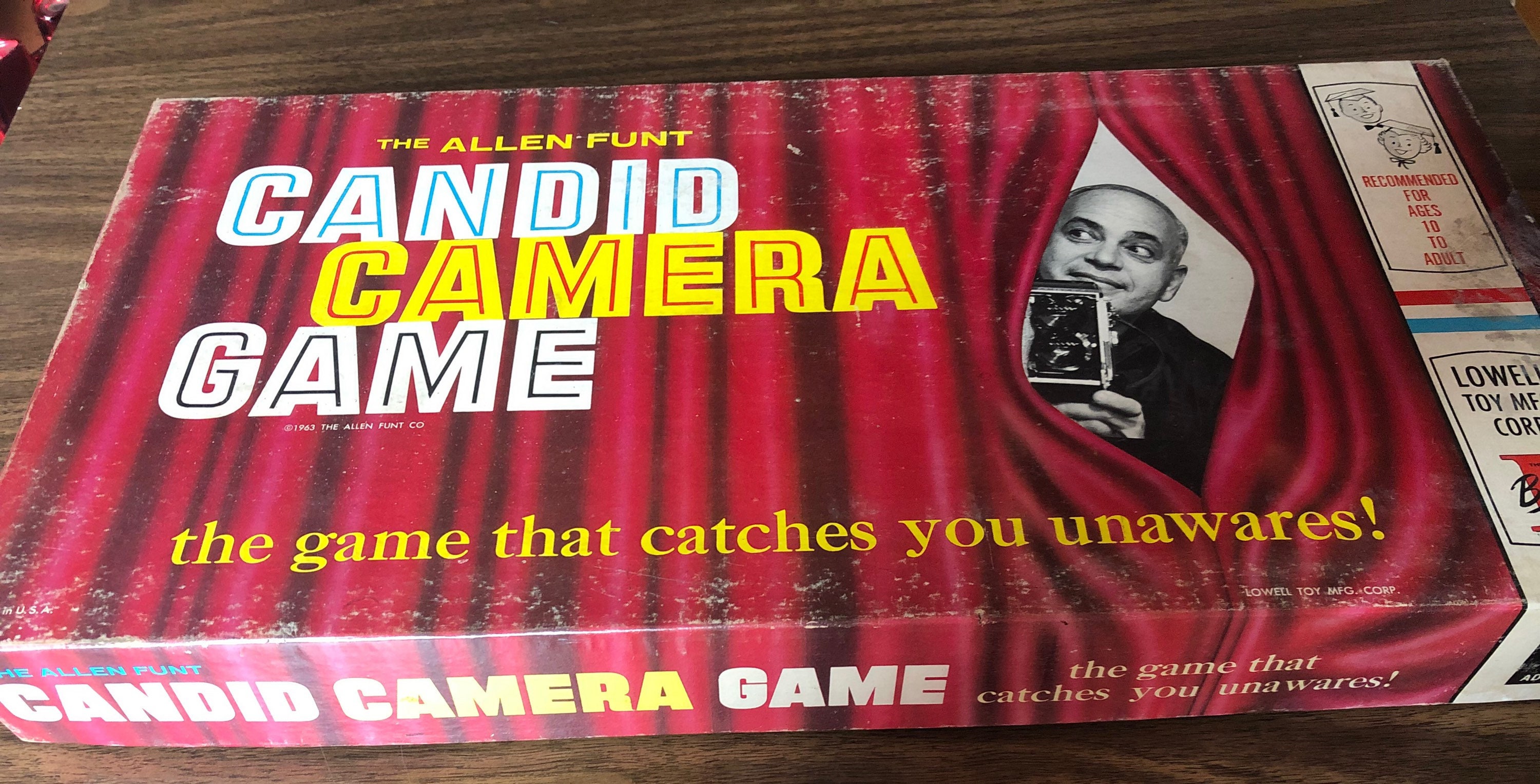
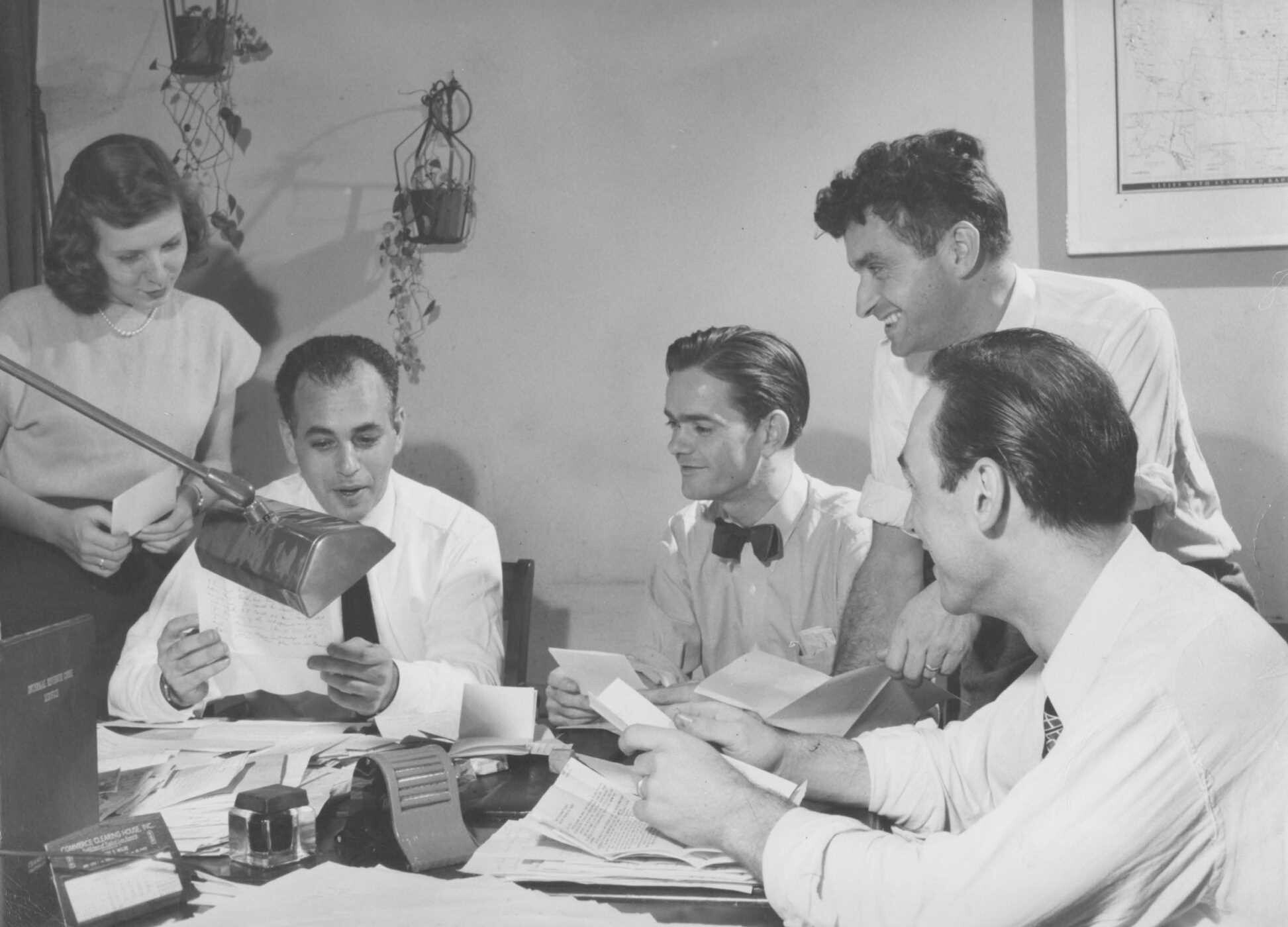
Alan Funt and Candid Camera represent the foundational pillar of hidden camera television, a genre that revolutionized broadcasting by capturing "people in the act of being themselves." Originally debuting as the radio show Candid Microphone in 1947 before transitioning to television in 1948, the program used hidden recording devices to document the genuine, often hilarious, reactions of ordinary people to contrived, surreal situations.
As we look back from 2026, the influence of Alan Funt remains more relevant than ever. In an era dominated by viral pranks and social media "social experiments," the techniques and ethical frameworks established by Funt more than 75 years ago serve as the blueprint for modern reality media. This profile explores the history, technical innovations, and psychological impact of the show that taught the world to smile when they least expected it.
The Genesis of Hidden Media: From Microphone to Camera
Before there were hidden cameras, there were hidden microphones. Alan Funt, a graduate of Cornell University with a background in fine arts and psychology, served in the Army Signal Corps during World War II. It was during his military service that Funt first experimented with recording soldiers' candid gripes using wire recorders. This sparked an obsession with capturing human nature without the "performance" that usually accompanies a known camera or microphone.
In 1947, Funt launched Candid Microphone on ABC Radio. The show was an immediate hit, but Funt quickly realized that the visual element—the look of bewilderment or the "double take"—was where the true comedy lay. In 1948, the show transitioned to television as Candid Camera, initially airing on ABC before moving through all the major networks (NBC, CBS, and even syndication) over the following decades.
The transition to television was technically daunting. In the late 1940s, cameras were massive, and lighting requirements were intense. Funt’s team had to innovate rapidly, using two-way mirrors, long-range lenses, and sophisticated sound-dampening boxes to hide the bulky equipment of the era. These innovations allowed Funt to move the show out of the studio and into the real world—the streets of New York, grocery stores, and auto shops.
The Philosophy of the "Candid" Moment
Alan Funt often described himself as an amateur sociologist. Unlike many modern prank shows that rely on "gotcha" moments or humiliation, Funt’s primary goal was to reveal the universal quirks of human behavior. He was fascinated by how people respond to authority, how they handle minor inconveniences, and how they attempt to remain polite in the face of the absurd.
One of the most famous segments involved a car with no engine rolling into a gas station. The attendant’s confusion as he looked under the hood and found an empty space was not meant to make him look foolish, but rather to highlight the human brain's struggle to process the impossible. Funt’s genius lay in the "reveal." The catchphrase "Smile, you're on Candid Camera!" became a cultural safety valve, releasing the tension of the prank and inviting the "victim" to share in the joke.
Ethical Standards and Consent
Funt was a pioneer in television ethics. He insisted that no segment could air without the written consent of the participant. If a person felt truly embarrassed or upset, the footage was discarded. This practice established a standard for reality television that persists today, though many modern creators have drifted away from Funt’s gentler, more respectful approach to the subjects.
Technical Innovations and Production Challenges
The production of Candid Camera required a level of logistical planning that was unprecedented for its time. Because Funt insisted on genuine reactions, there were no retakes. If a technical glitch occurred or a camera was spotted, the entire setup was ruined.
| Feature | Candid Camera (Classic Era) | Modern Hidden Camera Shows (2020s) |
|---|---|---|
| Primary Recording Tech | 16mm/35mm Film, Hidden Mics | Digital 4K, Pin-hole/IoT Cameras |
| Concealment Method | Two-way mirrors, Large props | Miniaturized sensors, Wearables |
| Setup Time | Days for lighting and carpentry | Hours for wireless deployment |
| Consent Process | Physical paper release forms | Digital releases / Public space laws |
| Editing Style | Narrative, slow-burn setups | High-paced, jump-cut heavy |
The show's reliance on film (rather than videotape) during its peak years gave it a distinct, cinematic quality that remains visually appealing in the 2026 digital archives. The use of the "Glastron" two-way mirror was particularly revolutionary, allowing cameras to stay hidden behind what appeared to be ordinary office glass or vending machine panels.
Evolution and the Peter Funt Era
Candid Camera enjoyed several distinct "lives" on television. After the initial 1948–1954 run, the show found its greatest success in the 1960s on CBS, where it often ranked in the top ten most-watched programs. During this period, Funt was joined by co-hosts like Arthur Godfrey and Bess Myerson, adding a variety-show flair to the hidden camera segments.
In the late 1980s and 1990s, Alan’s son, Peter Funt, became an integral part of the show, eventually taking over as the primary host and producer after Alan suffered a stroke in 1993. Peter maintained the show's focus on "the act of being themselves," but modernized the scenarios to reflect contemporary life—pranking people with early cell phones, automated kiosks, and evolving social norms.
The show's longevity is a testament to its format. It returned for a successful run on CBS (1998–2004), a stint on TV Land (2014), and has since seen various specials and digital revivals. The Funt family has meticulously preserved the archive, which contains over 1,000 hours of footage documenting human nature across eight decades.
The Psychological Impact and Cultural Legacy
Psychologists have frequently cited Candid Camera as a valuable resource for studying social psychology. The show demonstrated "the power of the situation"—the idea that people are often more influenced by their immediate environment than by their internal personality traits. When a sign said "Don't Walk on the Wood," people would awkwardly hop across a floor, even if the instruction made no sense.
Funt’s work also influenced the broader media landscape:
- Reality TV Roots: Programs like Survivor, Big Brother, and The Real World all owe their existence to Funt's discovery that unscripted "real people" could be more compelling than professional actors.
- Social Media Pranks: While platforms like TikTok and YouTube are filled with hidden camera content, they often lack Funt’s psychological depth, frequently opting for shock value over character study.
- Surveillance Culture: Funt’s work began at a time when hidden cameras were a novelty. Today, as cameras are ubiquitous in public life, Candid Camera is often viewed through a more complex lens regarding privacy and the "constant gaze."
Essential Alan Funt and Candid Camera FAQs
Where can I watch classic episodes of Candid Camera in 2026?
Most of the Candid Camera library has been digitized and is available through the official Candid Camera website and various streaming platforms. The Funt family also maintains an active YouTube presence where they share remastered "Best Of" segments categorized by decade.
Did Alan Funt really invent the hidden camera genre?
While surveillance existed for military and legal purposes, Alan Funt is credited with inventing the hidden camera for entertainment and social observation. His 1947 radio show Candid Microphone is the direct ancestor of all unscripted reality programming.
What happened to the famous "talking mailbox" and other props?
Many of the original props from the show, including the famous talking mailbox and various rigged vending machines, have been preserved by the Funt family or donated to institutions like the National Comedy Center and the Smithsonian. These items are occasionally featured in museum exhibits about the history of American television.
How did the show ensure people weren't too angry after a prank?
The "Reveal" was the most important part of the production. Funt found that letting the person know they were being filmed immediately transformed their confusion into relief and amusement. The crew was trained to handle reactions with empathy, and if someone was genuinely distressed, the cameras were stopped immediately and the footage was never used.
Is the Funt family still involved in the show's legacy?
Yes, Peter Funt continues to manage the brand and the extensive archive. He frequently lectures on the ethics of hidden cameras and has authored several books about his father's life and the show's impact on American culture.
Researching the Archive: Next Steps for Enthusiasts
For those interested in the technical or sociological history of Candid Camera, the best way to proceed is to explore the remastered collections. In 2026, the primary repository for scholarly research into the Funt archives is the Museum of Broadcast Communications, which offers detailed breakdowns of the show's production logs and Alan Funt's original notes.
If you are a content creator looking to understand the "proper" way to execute hidden camera media, studying Funt's 1952 book, Eavesdropping on America, or Peter Funt’s later writings, provides essential guidance on balancing humor with human dignity. For casual fans, a "Decades" marathon remains the most effective way to see how American social cues and fashions have shifted since 1948, all through the lens of a hidden camera that never stopped watching.