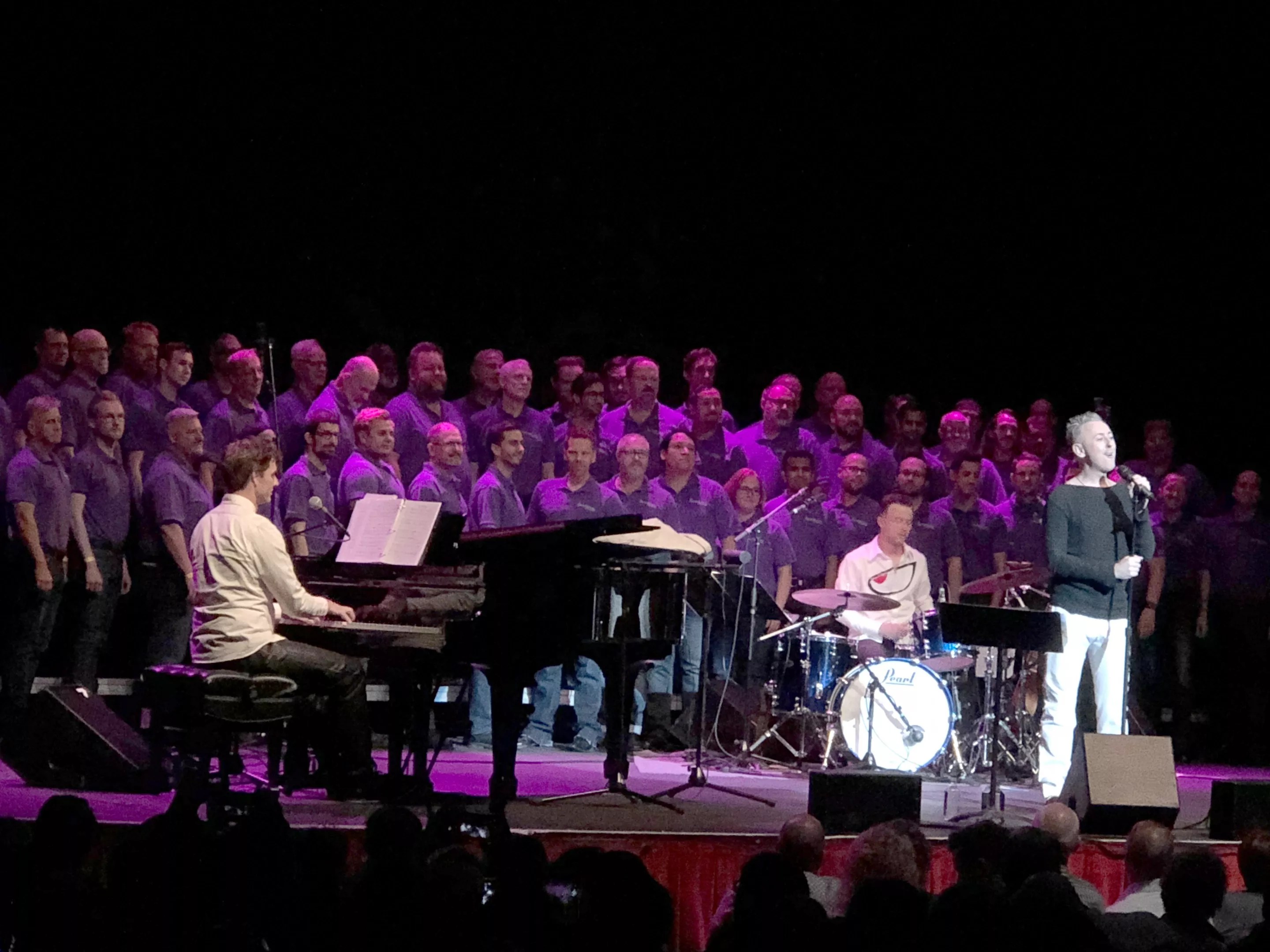
Alan Cumming’s transition from a Scottish stage actor to a naturalized United States citizen is a definitive legal immigrant success story, marked by professional excellence and civic engagement. Since obtaining his citizenship in 2008, Cumming has utilized his platform to advocate for immigrant rights while maintaining a prolific career across film, television, and theater. His journey provides critical insights into the O-1 visa process, the complexities of dual nationality, and the integration of cultural identity within the American legal framework.
The Foundation of a Global Career: From Aberfeldy to Broadway
Alan Cumming’s immigration journey did not begin with a desire to leave Scotland, but rather with a professional opportunity that demanded his presence in the United States. In the mid-1990s, Cumming was already an established performer in the United Kingdom, having studied at the Royal Scottish Academy of Music and Drama. However, his "breakout" in the American consciousness occurred with the 1998 Broadway revival of Cabaret, where he played the Emcee—a role that earned him a Tony Award and solidified his status as an "alien of extraordinary ability."
For high-profile artists, the path to legal immigration often begins with the O-1 non-immigrant visa. This specific category is reserved for individuals who possess extraordinary ability in the sciences, arts, education, business, or athletics. In Cumming's case, his proven track record in British theater provided the necessary evidentiary support to satisfy the United States Citizenship and Immigration Services (USCIS) requirements. The O-1 visa is a critical tool for the American entertainment industry, allowing productions to bring in world-class talent legally, though it remains a temporary solution that requires frequent renewals and a high threshold of proof.
Cumming’s success highlights a primary insight for aspiring international professionals: the importance of establishing a "paper trail" of excellence. His legal entry was predicated on his documented achievements—awards, critical reviews, and high-level memberships—which transformed his immigration process from a struggle for entry into a strategic career move.
Navigating the Path to Permanent Residency and Citizenship
While many international actors remain on temporary work visas for the duration of their American careers, Cumming sought the stability of permanent residency and, eventually, naturalization. The transition from an O-1 visa to a Permanent Resident Card (Green Card) is a significant legal hurdle. For individuals in Cumming's position, this often involves the EB-1 visa category, which mirrors the "extraordinary ability" requirements but grants permanent status.
The decision to move from a Green Card to full citizenship is often motivated by a desire for civic participation. Cumming has been vocal about his decision to become a citizen in 2008, a year of significant political transition in the United States. He has frequently noted that after living and working in the country for over a decade, paying taxes, and contributing to the cultural fabric, he felt a moral and practical obligation to participate in the democratic process.
The Significance of the 2008 Naturalization
Cumming’s naturalization ceremony took place in New York City. By becoming a citizen, he gained the right to vote, which he has described as a primary motivator. This move is a common milestone in the "success story" narrative, as it represents a shift from being a guest in a country to being a stakeholder. For Cumming, this wasn't about abandoning his Scottish roots—a common misconception about naturalization—but about expanding his identity.
His experience provides a clear lesson in the legal benefits of citizenship for performers:
- Travel Freedom: Elimination of the need for complex reentry permits and work-specific visas.
- Civic Voice: The ability to vote and engage in political activism without the restrictions often placed on foreign nationals.
- Security: Protection against changes in immigration policy that might affect visa holders or permanent residents.
Dual Nationality and the Preservation of Identity
A complex aspect of Alan Cumming's success is his status as a dual citizen of the United Kingdom and the United States. Under U.S. law, the government does not require a naturalized citizen to choose one nationality over another, although the oath of citizenship involves a formal renunciation of "allegiance and fidelity" to any foreign prince or state. In practice, the U.S. recognizes that dual nationality exists.
Cumming has remained a fierce advocate for Scottish culture and independence, demonstrating that legal immigration to the United States does not necessitate cultural assimilation. In 2026, he remains a prominent figure in the "Global Scots" network, proving that a legal immigrant's success is often bolstered by their ability to bridge two worlds. He famously returned his OBE (Officer of the Order of the British Empire) in 2023, citing his evolved views on the British Empire's legacy, a move that highlighted his autonomy as a global citizen who is not afraid to challenge the institutions of his birth country or his adopted one.
Legal Immigration Pathways for Extraordinary Talent
To understand the mechanics of a success story like Cumming’s, it is helpful to compare the legal pathways available to international professionals in the arts. The following table outlines the requirements and benefits of the routes typically taken by high-achieving immigrants.
| Visa/Status Category | Target Audience | Primary Requirement | Duration & Path |
|---|---|---|---|
| O-1 Visa | Individuals with Extraordinary Ability | Documentation of national or international acclaim (awards, press, high salary). | Temporary (up to 3 years); renewable indefinitely. |
| EB-1 Green Card | Extraordinary Ability (Permanent) | Meeting at least 3 of 10 USCIS criteria for excellence in their field. | Permanent residency; path to citizenship after 5 years. |
| P-1B Visa | Members of Internationally Recognized Entertainment Groups | Proof of the group's sustained international recognition. | Duration of the specific performance or event. |
| Naturalization | Permanent Residents (LPRs) | 5 years of residency, good moral character, and passing the civics/English test. | Lifetime; grants voting rights and U.S. passport. |
Insights for Modern Immigrants and Professionals
Cumming’s narrative offers several actionable insights for those looking to replicate a "legal success story" in any professional field.
1. The Necessity of Specialist Legal Counsel
Throughout his career, Cumming has emphasized the importance of professional guidance. Immigration law in the United States is notoriously complex and subject to administrative shifts. For an artist or professional, "extraordinary ability" is not just a self-assessment; it is a legal standard that must be argued with evidence. Success stories are rarely "do-it-yourself" projects; they involve immigration attorneys who specialize in O and EB visa categories.
2. Building a Global Portfolio
One of the most significant insights from Cumming’s story is that his American success was built on a foundation of international achievement. Legal immigration systems favor those who can prove they are an asset before they arrive. By excelling in the UK, Cumming made his legal entry to the U.S. a formality rather than a gamble.
3. Civic Integration as a Career Multiplier
Cumming’s career saw a second "wind" after his naturalization. His role as Eli Gold on The Good Wife mirrored his real-life interest in American politics. By becoming a citizen and engaging with the community, he opened doors to roles and public speaking opportunities that require a deep understanding of the American social landscape. This suggests that "success" for an immigrant involves more than professional output; it involves social and civic investment.
Challenges and Advocacy in the Current Era
Even for a successful, wealthy immigrant like Alan Cumming, the process is not without its frustrations. He has often spoken about the "privilege" inherent in his journey. As a white, English-speaking European with a high income, he faced fewer systemic hurdles than immigrants from other regions or socio-economic backgrounds.
In his public discourse, Cumming uses his "success story" status to shine a light on the flaws of the immigration system, including:
- The Backlog: The significant wait times for visa processing that can derail artistic projects.
- The Cost: The thousands of dollars in legal and filing fees required to maintain legal status.
- The Human Element: The anxiety of living under a "non-immigrant" status where one's right to remain is tied strictly to employment.
By acknowledging these hurdles, Cumming provides a more grounded and realistic insight into the "success" narrative. It is not just about the final achievement of citizenship, but about the endurance required to navigate a bureaucracy that is often indifferent to individual circumstances.
FAQ: Understanding Alan Cumming's Immigration Status
When did Alan Cumming become a U.S. citizen?
Alan Cumming officially became a naturalized U.S. citizen in 2008. He took the oath of citizenship at a ceremony in New York City, a move he timed specifically to participate in the historic 2008 presidential election. He has since maintained dual citizenship with the United Kingdom, allowing him to live and work freely between the two nations.
What visa did Alan Cumming use to first enter the U.S. professionally?
While specific private records are not public, Cumming’s professional trajectory is consistent with the O-1 visa for individuals with extraordinary ability. This visa is the standard requirement for actors of his caliber who come to the U.S. for major Broadway or film productions. His subsequent transition to a Green Card and then citizenship followed the standard legal timeline for "extraordinary ability" immigrants.
Does Alan Cumming advocate for immigration reform?
Yes, Cumming has been a vocal supporter of immigrant rights and has used his platform to discuss the complexities of the immigration system. He often highlights the disparity between the treatment of high-profile "talent" immigrants and those seeking asylum or working in lower-wage sectors. His advocacy is centered on the idea that the immigration system should be more humane and accessible.
Can an artist apply for a Green Card directly like Alan Cumming?
While it is possible to apply for an EB-1 (Extraordinary Ability) Green Card without a prior visa, most artists follow Cumming's path: they first enter on a temporary O-1 visa to establish their presence and career in the U.S. before petitioning for permanent residency. The EB-1 requires a very high level of documentation, often referred to as the "Einstein Visa," because it requires proving you are at the very top of your field.
Has his citizenship affected his career in the UK or Scotland?
Cumming’s U.S. citizenship has not hindered his career in his home country. In fact, he has continued to host major events, such as the Scottish BAFTAs, and star in UK-based productions. His dual citizenship allows him to accept work in both jurisdictions without the need for complicated work permits, making him a more versatile and "hireable" actor globally.
Taking the Next Steps in an Immigration Journey
For those inspired by Alan Cumming’s success, the path forward involves a mixture of professional development and legal due diligence. Success in the American legal immigration system is a marathon, not a sprint.
If you are a professional in the arts or a specialized field looking to follow a similar path, your first step should be to audit your professional portfolio against the USCIS "extraordinary ability" criteria. This includes gathering evidence of awards, published material about your work, and records of your leading roles in distinguished productions or organizations. Simultaneously, consulting with a specialized immigration attorney is essential to determine whether an O-1 or an EB-1 petition is the most viable route for your specific circumstances. Like Cumming, your goal should be to transform your talent into a legal asset that the U.S. system is designed to welcome.