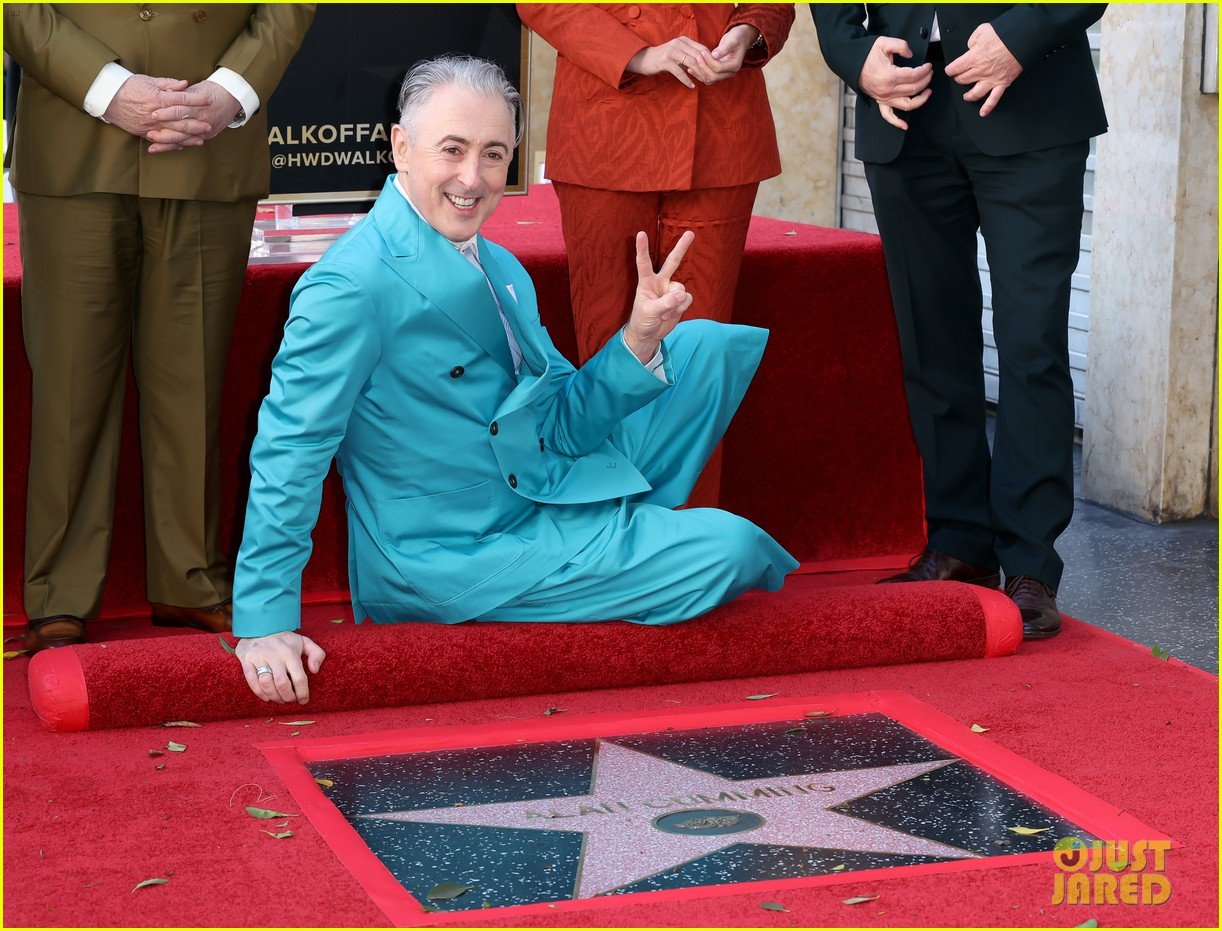
Alan Cumming is a polymathic Scottish-American performer whose career spans four decades across stage, film, television, and literature. Known for his transformative 1998 Broadway performance in Cabaret and his long-running role as Eli Gold on The Good Wife, Cumming has evolved into a high-profile cultural icon, activist, and Emmy-winning television host.
Throughout his professional journey, Cumming has maintained a rare balance between mainstream commercial success and avant-garde artistic experimentation. As of 2026, he remains a singular figure in the entertainment industry, blending a mischievous, flamboyant public image with a deeply serious commitment to social justice and the literary arts.
The Scottish Foundations: Early Career and Stage Origins
The trajectory of Alan Cumming’s career began in the early 1980s in Scotland, specifically at the Royal Scottish Academy of Music and Drama (now the Royal Conservatoire of Scotland). His early work was rooted in the vibrant Scottish theatre scene, where he quickly gained a reputation for his kinetic energy and comedic timing.
In the mid-1980s, Cumming formed the comedy duo "Victor and Barry" with Forbes Masson. This partnership was instrumental in honing his public persona—a mixture of sharp wit, camp sensibility, and satirical observation. The duo became a staple of the Edinburgh Festival Fringe and eventually transitioned to television with the sitcom The High Life (1994), which Cumming co-wrote and starred in. This period established his ability to handle multifaceted creative responsibilities, serving as both creator and performer.
Before conquering Broadway, Cumming solidified his status in the United Kingdom with a series of acclaimed stage performances. His portrayal of the lead in Accidental Death of an Anarchist at the Royal National Theatre earned him an Olivier Award in 1991. This role demonstrated his capacity for physical comedy and political subtext, traits that would define his later American breakthroughs.
The Broadway Paradigm Shift: Cabaret and the Emcee
If there is a single "before and after" moment in Alan Cumming’s career overview, it is the 1998 revival of Cabaret at Studio 54. Directed by Sam Mendes and Rob Marshall, the production reimagined the character of the Emcee as a hyper-sexualized, menacing, and tragic figure.
Cumming’s performance was revolutionary. Moving away from the previous interpretations—most notably Joel Grey’s iconic version—Cumming introduced a raw, voyeuristic edge that captured the decadence and impending doom of Weimar Republic Germany. The performance earned him the Tony Award for Best Actor in a Musical and transformed him into an overnight sensation in the United States.
This role did more than just garner awards; it established the "Alan Cumming" aesthetic in the American consciousness. It was during this time that his public persona began to align with themes of sexual fluidity, bold fashion, and a refusal to conform to traditional Hollywood leading-man tropes. He reprised this role in 2014, further cementing his legacy as one of the definitive stage performers of his generation.
Versatility in Film: From Nightcrawler to Art-House Cinema
Cumming’s film career is characterized by an refusal to be typecast. He has successfully navigated the space between massive studio blockbusters and intimate independent films.
In the early 2000s, Cumming gained global recognition for his role as Kurt Wagner (Nightcrawler) in X2: X-Men United. This role required significant physical commitment, including hours of prosthetic makeup, and displayed his ability to bring pathos to a character hidden under blue skin. Despite the film's success, Cumming largely eschewed the superhero genre afterward, favoring roles that allowed for more character nuance.
His filmography includes high-energy comedic roles in movies like Romy and Michele's High School Reunion (1997) and the Spy Kids franchise, as well as more experimental work. He co-wrote, co-directed, and starred in The Anniversary Party (2001) alongside Jennifer Jason Leigh, a film that examined the anxieties of Hollywood elite. This project reinforced his standing as a serious filmmaker capable of assembling high-caliber ensembles.
Television Success: The Power of Eli Gold and The Traitors
While theatre provided his artistic foundation, television provided the platform for Cumming’s most sustained public exposure. His portrayal of Eli Gold, the ruthless and brilliant political strategist in The Good Wife (2010–2016), earned him multiple Emmy and Golden Globe nominations.
The character of Eli Gold was a departure from Cumming’s more flamboyant stage roles. It required a tightly wound, fast-talking intensity that showcased his range as a dramatic actor. The success of the character led to his return in the spin-off The Good Fight, maintaining his presence in the "Kings" television universe for over a decade.
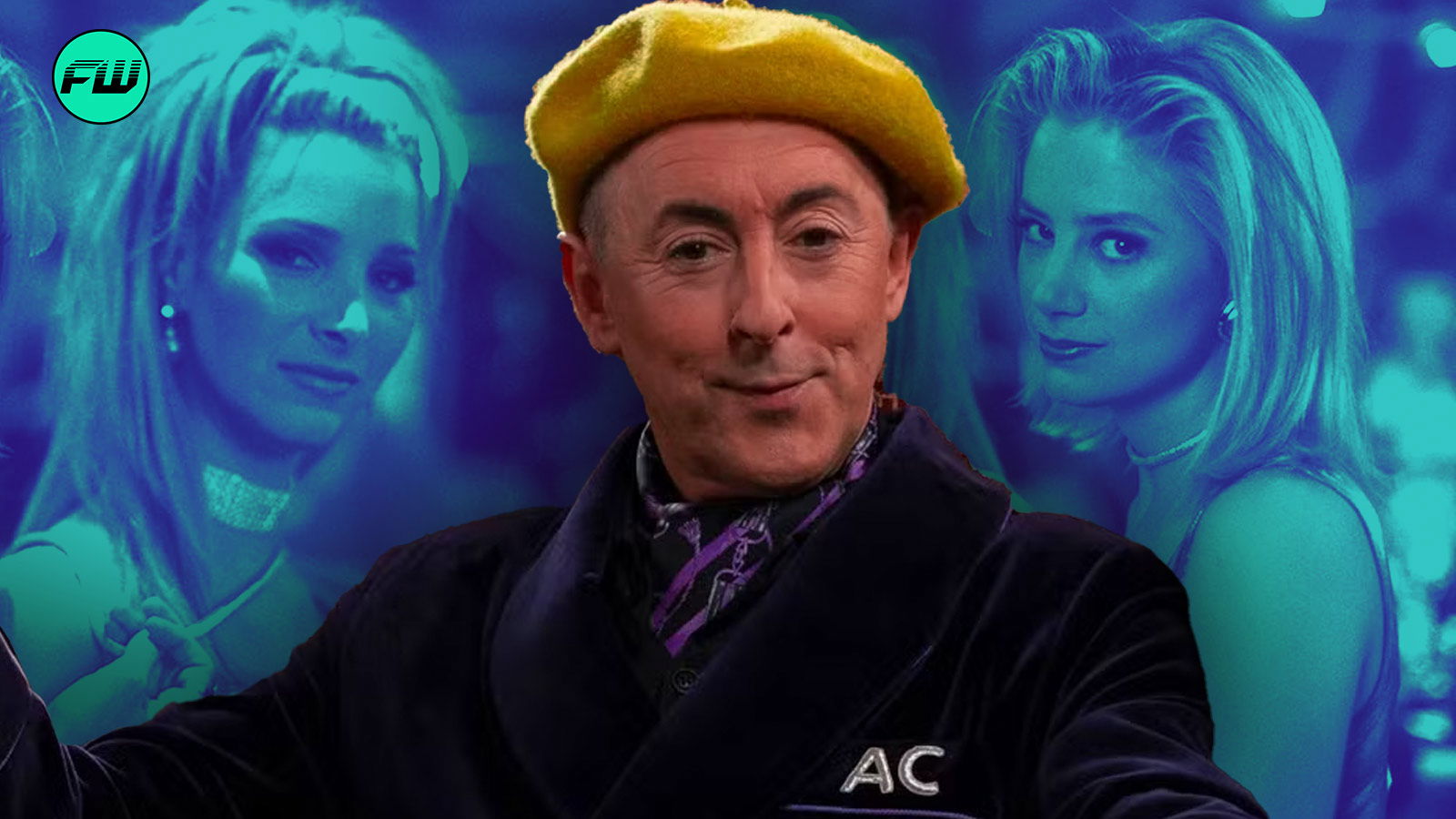
In the 2020s, Cumming underwent a significant career pivot by embracing the role of a reality television host. As the host of the U.S. version of The Traitors, Cumming leaned fully into a stylized, theatrical persona. Dressed in extravagant Highland-inspired fashion and inhabiting a persona of a "murder-mystery" mastermind, he brought a level of gravitas and camp to the genre that was previously unseen. By 2026, his work on The Traitors has become a cultural touchstone, earning him critical acclaim and a new generation of fans who recognize him as the face of psychological competition TV.
Comparative Highlights of Alan Cumming's Career Segments
The following table outlines the key distinctions between the primary areas of Cumming’s professional life, illustrating how he balances different creative demands.
| Category | Representative Work | Primary Awards/Recognition | Core Persona Trait |
|---|---|---|---|
| Theatre | Cabaret, Macbeth, Hamlet | Tony Award, Olivier Award | Transformative, boundary-pushing |
| Television | The Good Wife, The Traitors | Emmy & Golden Globe Nominee | Precise, charismatic, witty |
| Film | X2, The Anniversary Party | Independent Spirit Nominee | Versatile, character-driven |
| Literature | Not My Father's Son, Baggage | NYT Best Seller | Vulnerable, honest, radical |
| Activism | LGBTQ+ Advocacy, UNICEF | OBE (Officer of the Order of the British Empire) | Principled, outspoken |
Authorship and the Cultivation of an Authentic Persona
Beyond performance, Alan Cumming has established himself as a formidable writer. His memoirs, particularly Not My Father's Son (2014) and Baggage: Tales from a Fully Packed Life (2021), have played a crucial role in shaping his public persona.
In Not My Father's Son, Cumming detailed a childhood marked by his father's emotional and physical abuse. The book was a departure from the typical celebrity memoir, offering a raw look at trauma, identity, and the search for truth. By sharing these experiences, Cumming transitioned in the public eye from a "fun, camp performer" to a person of significant emotional depth and resilience.
His writing often explores the themes of bisexuality and the complexities of identity. As an openly bisexual man in Hollywood, he has been a trailblazer for LGBTQ+ visibility. His public persona is inextricably linked to his activism; he uses his platform to challenge heteronormative standards and advocate for civil rights. This authenticity has fostered a deep sense of trust and connection with his audience, making him one of the most respected figures in the industry by 2026.
The "Alan Cumming" Brand: Style, Spirit, and Cultural Impact
The "public persona" of Alan Cumming is a carefully curated yet authentic brand. It is characterized by several key elements:
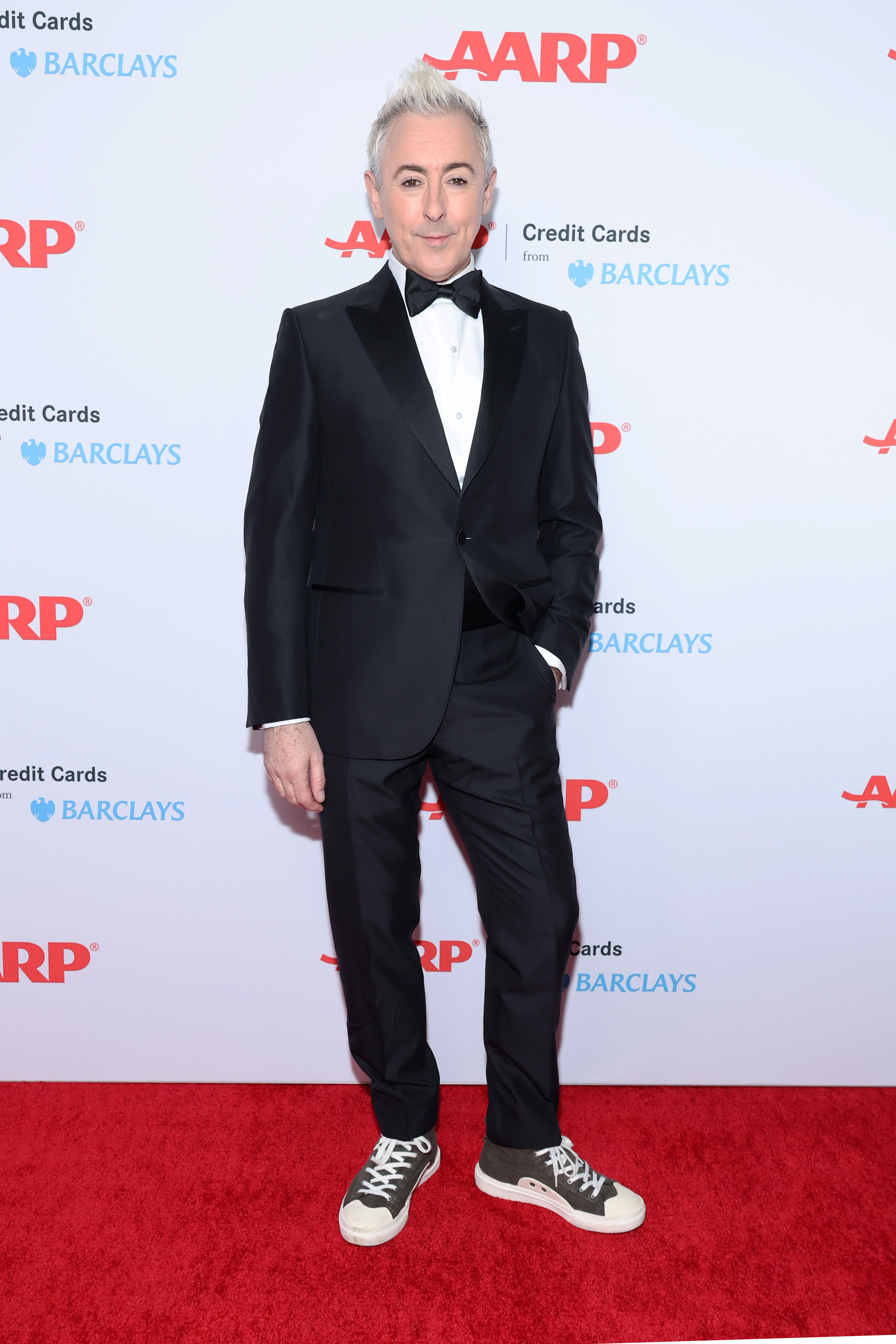
- Fashion as Performance: Cumming treats the red carpet and his television hosting duties as extensions of his theatrical work. His use of tartans, skirts, and avant-garde tailoring celebrates his Scottish heritage while defying gender norms.
- Intellectual Mischief: Whether in interviews or on social media, Cumming maintains a "twinkle in the eye." He often uses humor to navigate complex social issues, making his advocacy more accessible.
- The Renaissance Man: He is not "just an actor." He is a club owner (Club Cumming in NYC), a photographer, a director, and a singer. This multi-hyphenate status suggests a person who is perpetually curious and refuses to be limited by industry expectations.
By 2026, the "Alan Cumming" brand represents a form of radical self-acceptance. He has demonstrated that one can be both a high-fashion icon and a serious political advocate, a television host and a Shakespearean actor.
Common Questions About Alan Cumming’s Career
What is Alan Cumming's most famous role?
Most critics and historians point to his role as the Emcee in the 1998 Broadway revival of Cabaret as his most influential performance. However, for television audiences, he is most widely recognized as Eli Gold from The Good Wife or as the flamboyant host of The Traitors.
Has Alan Cumming won an Oscar?
As of 2026, Alan Cumming has not won an Academy Award. However, he has won a Tony Award for Cabaret, an Olivier Award for his theatre work in London, and has received multiple Emmy and Golden Globe nominations for his work in television.
Is Alan Cumming still active in theatre?
Yes, Cumming continues to prioritize the stage. Throughout the 2020s, he has engaged in various solo shows, cabaret tours, and limited-run theatrical productions in both London and New York. His commitment to live performance remains the core of his professional identity.
Why did he decide to host The Traitors?
Cumming has stated in various interviews that the role of the "host" in The Traitors allowed him to combine his love for storytelling, mystery, and fashion. It provided a way to reach a broad audience while maintaining a character-like persona that is both entertaining and slightly theatrical.
Does Alan Cumming still live in Scotland?
While he maintains a strong connection to his Scottish roots and often works in the UK, Cumming has been a naturalized U.S. citizen for many years and is primarily based in New York City. His Scottish identity remains a central theme in his public life and creative work.
What are his primary advocacy areas?
His activism is largely focused on LGBTQ+ rights, mental health awareness (specifically regarding childhood trauma), and various humanitarian efforts through organizations like UNICEF. He is also a vocal supporter of the arts in education.
Pursuing a Career Path Similar to Alan Cumming
For those looking to understand or emulate the career longevity of Alan Cumming, the key takeaway is the importance of diversification. Cumming never allowed himself to be defined by a single medium or a single type of role. By 2026, his career serves as a blueprint for the "modern creative": someone who creates their own opportunities through writing, produces their own content, and remains authentically themselves regardless of the platform.
To follow his trajectory, one must focus on building a strong technical foundation (such as his classical training in Scotland) while remaining open to the shifting landscapes of the entertainment industry—whether that means moving from a Shakespearean stage to a reality television castle.