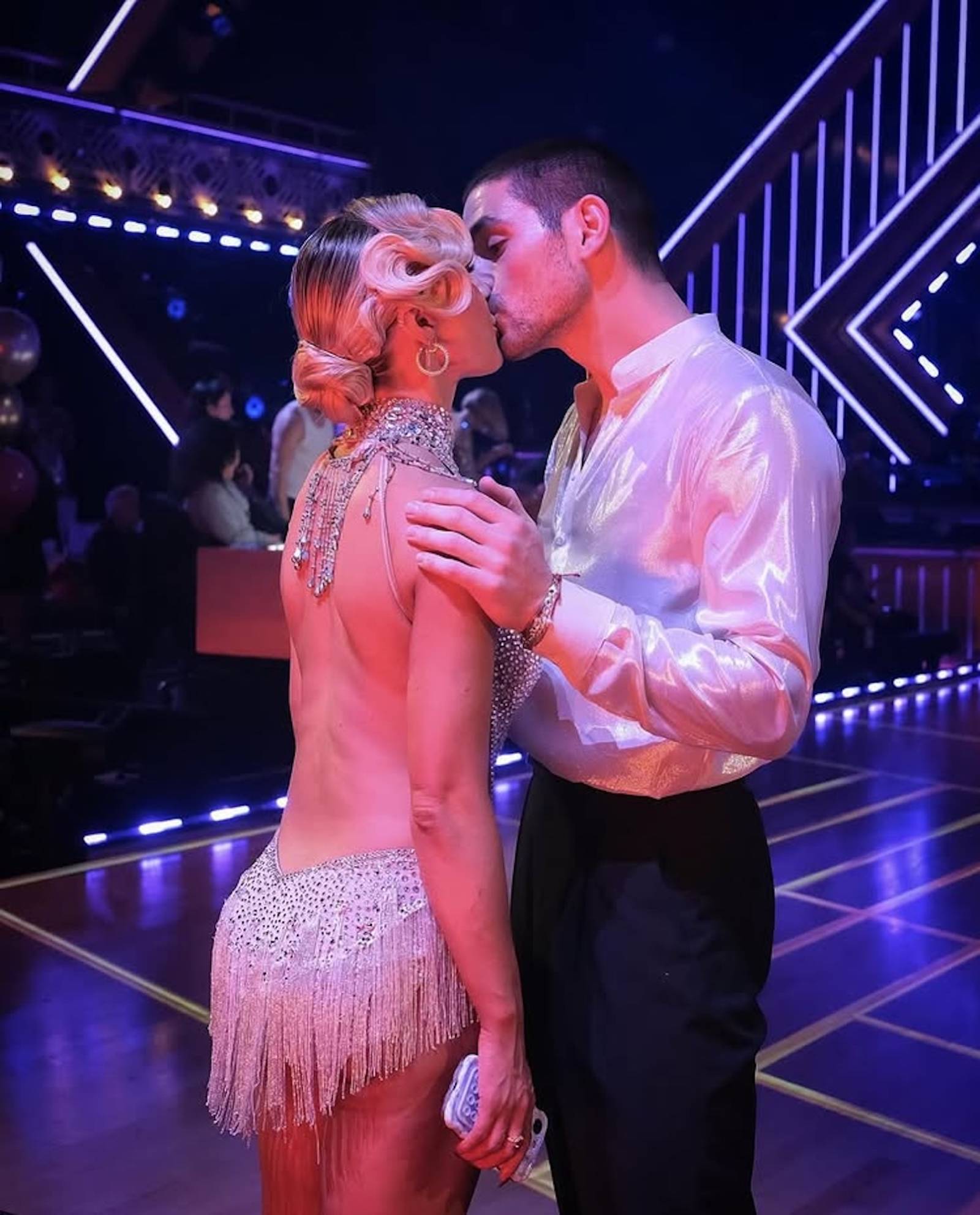
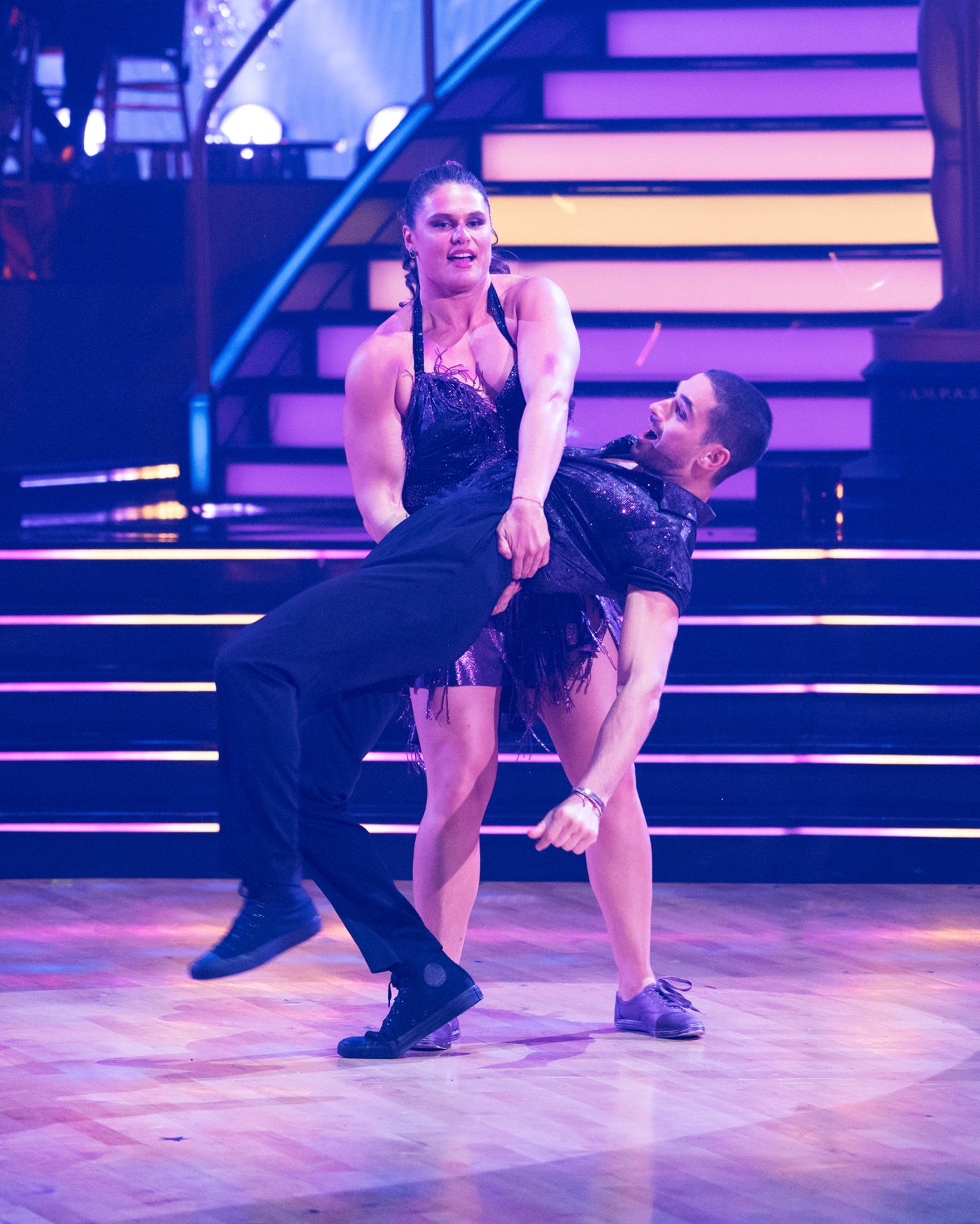
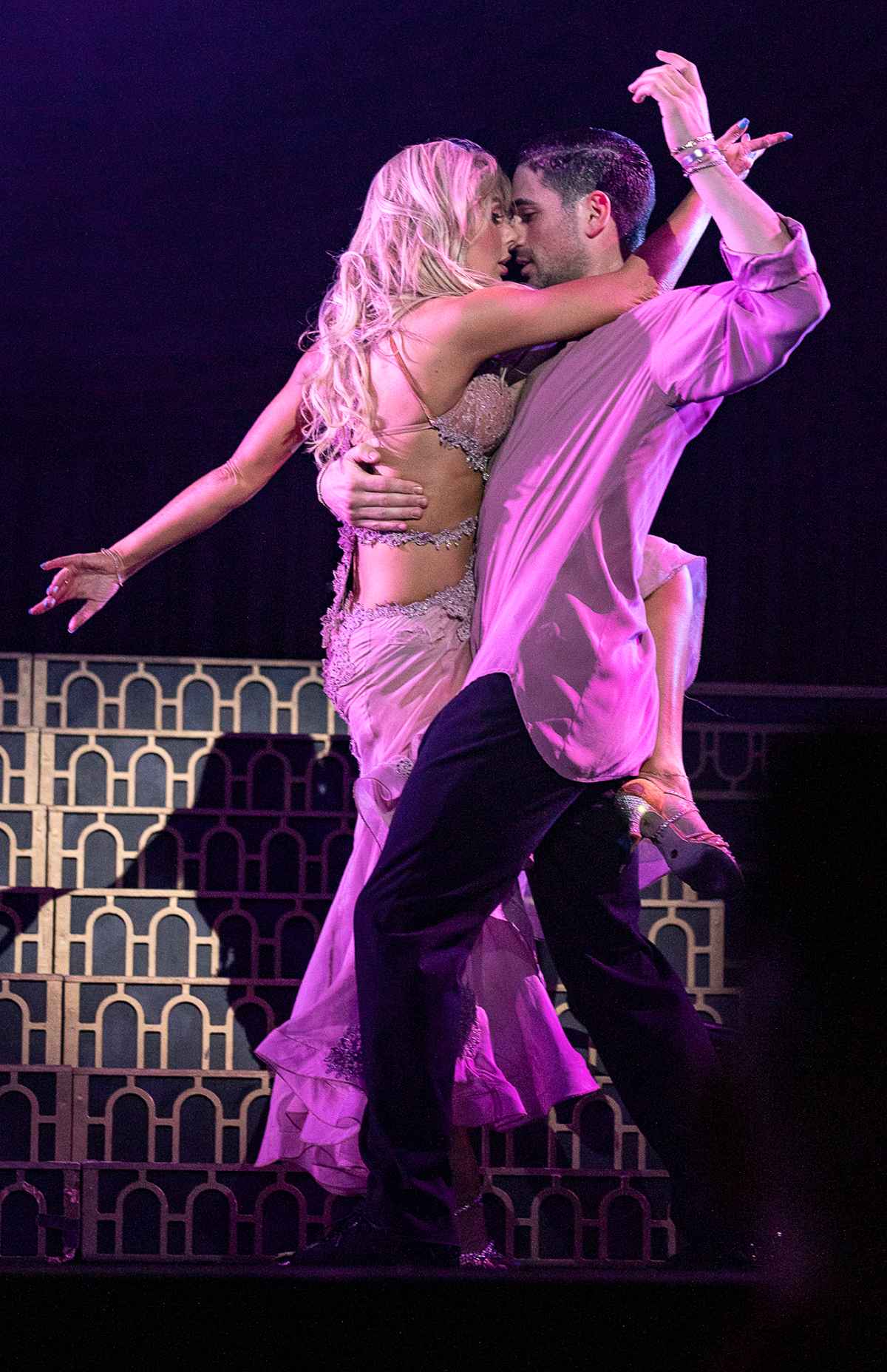
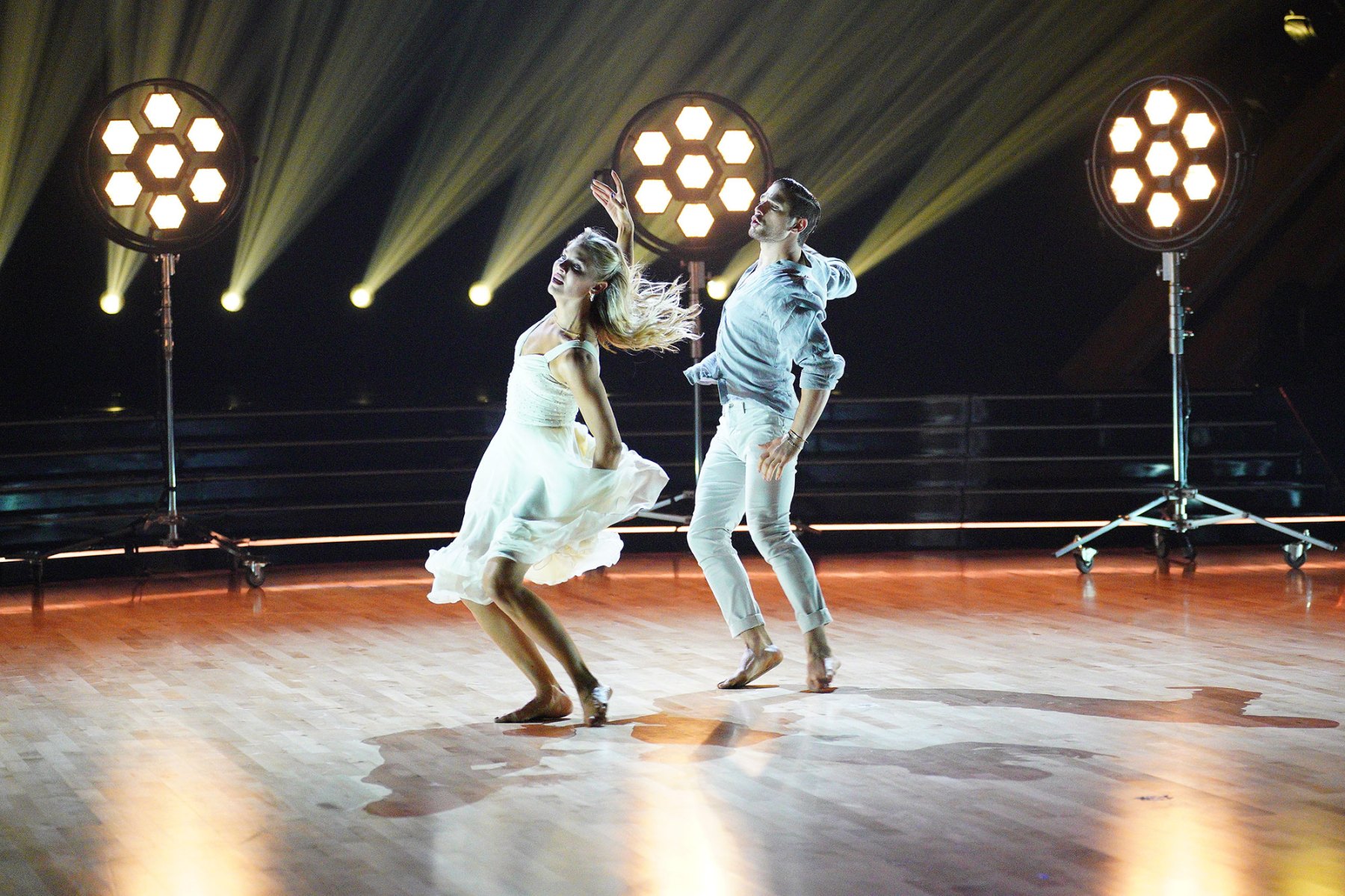
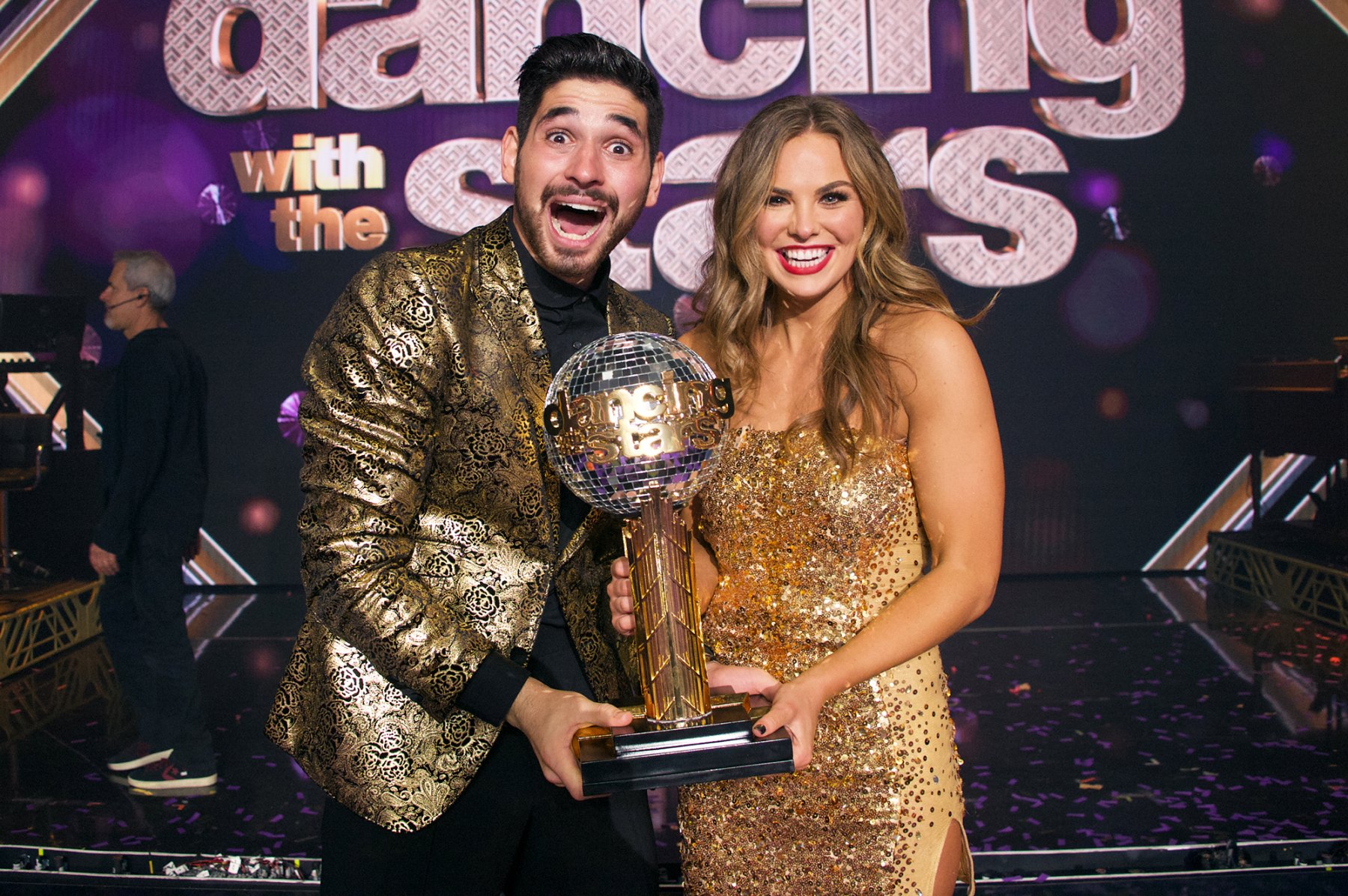
Alan Bersten has solidified his legacy on Dancing with the Stars through a combination of technical precision, high-energy choreography, and an innate ability to connect with his partners. His most iconic "winning moves" culminated in the Season 28 Mirrorball Trophy with Hannah Brown, while his jaw-dropping moments range from gravity-defying lifts to emotionally resonant contemporary routines that have left audiences and judges in awe.
Since his promotion to a professional dancer in Season 25, Alan Bersten has transitioned from a promising troupe member to one of the most reliable and creative forces on the Dancing with the Stars (DWTS) ballroom floor. As of 2026, his career serves as a masterclass in how to balance the rigid requirements of ballroom technique with the spectacle required for primetime television. Whether he is performing a lightning-fast Jive or a poignant Contemporary, Bersten’s footprint on the show is defined by a commitment to storytelling and athletic excellence.
The Rise of a Champion: From Troupe to Pro Dominance
Alan Bersten’s journey to becoming a DWTS household name did not happen overnight. After gaining initial fame as a finalist on So You Think You Can Dance, he joined the DWTS troupe in Season 20. His path to the "Pro" ranks was unique; he frequently stepped in for injured professionals, most notably replacing Maksim Chmerkovskiy for several weeks in Season 24. This period allowed him to showcase his versatility before officially earning his own celebrity partner.
His promotion in Season 25 marked a shift in the show's dynamic. Bersten brought a youthful, athletic energy that appealed to a new generation of viewers. His ability to adapt his teaching style to a diverse range of celebrities—from Olympic athletes to reality TV stars—became his hallmark. By the time he reached his peak winning years, he had already established a reputation for "jaw-dropping" choreography that often pushed the physical limits of his partners.
The Season 28 Victory: Analysis of the Winning Moves
The pinnacle of Bersten’s career remains his Season 28 victory with The Bachelorette star Hannah Brown. This season was a perfect storm of technical growth and narrative arc. The "winning moves" in this partnership were not just about the steps, but about the psychological journey of the duo.
The Power of the Freestyle
In the Season 28 finale, Alan and Hannah delivered a Freestyle that is still cited by fans as a quintessential winning performance. Combining high-octane acrobatic elements with a confident, sassy demeanor, the routine utilized Hannah’s gymnastics background to its fullest extent. The "jaw-dropping" moment occurred during a series of complex lifts where Alan demonstrated his immense strength, providing a stable base for Hannah to execute mid-air rotations. This routine effectively secured their Mirrorball Trophy by proving they could dominate both the technical and entertainment aspects of the competition.
Masterclass in Technical Discipline
Throughout Season 28, Alan focused heavily on Hannah’s frame in the Ballroom dances. Their Quickstep and Viennese Waltz were noted for their "cleanliness"—a term judges use to describe lack of mistakes and perfect posture. By focusing on these fundamentals, Alan ensured that when they did attempt "winning moves," the contrast between the traditional and the modern was sharp and impactful.
Jaw-Dropping Technical Moments and High-Energy Performances
Beyond his win, Alan Bersten has been responsible for some of the most technically demanding routines in the show’s history. These moments often involve "risk-heavy" choreography that could easily go wrong but, when executed correctly, result in perfect scores.
- The Alexis Ren Salsa (Season 27): This routine featured a series of "jaw-dropping" flips and spins that highlighted the intense chemistry between the pair. Alan’s ability to lead through such high-speed transitions showed his mastery over the Latin genre.
- The Charity Lawson Paso Doble (Season 32): In a display of pure power and matador-inspired shaping, Alan pushed Charity to achieve a level of sharpness rarely seen in non-professional dancers. The "winning move" here was the synchronization; every snap of the wrist and stomp of the heel was perfectly aligned.
- The Skai Jackson Samba (Season 29): Despite a significant height difference, Alan choreographed a routine that utilized Skai’s petite stature to create "jaw-dropping" visual dynamics, proving he could tailor his winning moves to any partner’s physical attributes.
Emotional Depth: The Contemporary and Narrative-Driven Dances
While high energy is his forte, Bersten’s most jaw-dropping moments often come when he slows down. His ability to choreograph for the "human element" has led to some of the most tear-jerking performances in the series.
The Amanda Kloots Tribute
In Season 30, Alan partnered with Amanda Kloots. Their Contemporary routine, dedicated to her late husband Nick Cordero, was a standout moment of the season. The choreography was stripped of traditional ballroom artifice, focusing instead on raw emotion and fluid movement. The "jaw-dropping" aspect was not a trick or a flip, but the sheer vulnerability Bersten was able to elicit from his partner. This routine showcased Alan's growth from a technician to a true artist who understands the power of the ballroom as a stage for healing.
Storytelling Through the Argentine Tango
Alan’s Argentine Tangos are often characterized by "staccato" movements and intricate leg-work (ganchos). These dances require a high level of trust. When performing with partners like Gabby Windey, Alan used the Argentine Tango to create a narrative of sophisticated tension, often resulting in standing ovations from the judges' table.
Comparison of Alan Bersten’s Milestone Performances
The following table highlights the progression of Alan Bersten’s most significant seasons, illustrating the scores and styles that defined his path to becoming a DWTS champion.
| Season | Partner | Signature Dance | Final Result | Notable "Winning Move" |
|---|---|---|---|---|
| Season 25 | Debbie Gibson | Quickstep | 12th Place | Pro Debut technical frame |
| Season 26 | Mirai Nagasu | Contemporary | 4th Place | Olympic-grade flexibility lifts |
| Season 27 | Alexis Ren | Argentine Tango | 4th Place | High-speed intricate leg-work |
| Season 28 | Hannah Brown | Freestyle | Winners | Acrobatic "Team Alanbama" lifts |
| Season 29 | Skai Jackson | Jive | 5th Place | Precision synchronization |
| Season 30 | Amanda Kloots | Contemporary | 4th Place | Emotional storytelling narrative |
| Season 31 | Gabby Windey | Paso Doble | 2nd Place | Power-focused theatrical shaping |
| Season 32 | Charity Lawson | Argentine Tango | 4th Place | Advanced balance and lift control |
The Choreographic Style: What Makes a "Bersten" Routine Stand Out?
To understand Alan Bersten’s winning moves, one must look at his choreographic DNA. He favors "full-floor" coverage, meaning his routines rarely stay in one spot. He utilizes every inch of the ballroom, which increases the difficulty of the dance but also makes it more visually stimulating for the television audience.
- Musicality: Alan has a keen ear for accents in the music. He often places "jaw-dropping" stunts or sharp head-turns on the heavy beats of the track, which creates a psychological sense of "rightness" for the viewer.
- Partner-Centric Design: Unlike some pros who might outshine their celebrities, Alan’s "winning moves" are always designed to make the celebrity look like the professional. He often uses himself as a frame or a pivot point, allowing the celebrity to take the spotlight during the most difficult parts of the routine.
- Modernizing Tradition: While he respects the roots of ballroom, Alan isn't afraid to incorporate jazz or hip-hop elements into a Samba or a Cha-Cha. This "jaw-dropping" fusion keeps the show feeling fresh and relevant in 2026.
Impact on the DWTS Franchise and Future Prospects
Looking back from the vantage point of 2026, Alan Bersten has become more than just a dancer; he is a mentor within the DWTS ecosystem. His "winning moves" have set a standard for how modern professionals should approach the competition. He has demonstrated that while winning the Mirrorball is the ultimate goal, creating "jaw-dropping" moments that resonate with the audience’s emotions is what builds a lasting legacy.
His influence extends to the DWTS live tours, where his solo performances often serve as the highlight of the show. Fans continue to flock to see the "Bersten Energy" in person, proving that his impact on the franchise is enduring. As the show evolves, Alan’s blend of athletic prowess and empathetic coaching remains the gold standard for what it means to be a Dancing with the Stars professional.
Why Fans Still Revisit His Season 28 Win
The Season 28 victory is often rewatched because it represented a "dark horse" journey. Hannah Brown was not the highest-scored dancer every week, but Alan’s strategic "winning moves" in the latter half of the season—specifically focusing on her confidence—created a momentum that was unstoppable. It serves as a reminder that DWTS is as much about personal growth as it is about dance technique.
FAQs About Alan Bersten’s DWTS Career
How many times has Alan Bersten won Dancing with the Stars?
As of 2026, Alan Bersten has won the Mirrorball Trophy once. He secured this victory in Season 28 with his partner, Hannah Brown. While he has reached the finals multiple times with partners like Gabby Windey and Amanda Kloots, his Season 28 win remains his sole championship title, though he is consistently ranked as a top contender each season.
What is considered Alan Bersten’s most difficult "jaw-dropping" move?
Most critics and fans point to the "no-hands" lift transition in his Season 28 Freestyle with Hannah Brown. This required immense core strength from the partner and perfect timing from Alan to ensure a safe landing. Additionally, his intricate "gancho" sequences in various Argentine Tangos are cited for their extreme technical difficulty.
Who was Alan Bersten’s most emotional partnership?
His partnership with Amanda Kloots in Season 30 is widely considered his most emotional. The duo’s Contemporary dance to a song by Amanda’s late husband, Nick Cordero, is a landmark moment in the show's history. It demonstrated Alan’s ability to handle sensitive subject matter with grace and artistic maturity.
How did Alan Bersten transition from the troupe to a pro?
Alan's transition was catalyzed by his performance as a "stand-in" pro. In Season 24, he filled in for Heather Morris’s partner, Maksim Chmerkovskiy, for four weeks. His success in managing a high-profile celebrity and delivering top-tier choreography during that time made it impossible for producers to keep him in the troupe, leading to his official promotion in Season 25.
What are the key elements of a "winning" Alan Bersten freestyle?
A winning Bersten freestyle typically includes three elements: high-flying acrobatics, a clear narrative of the celebrity's journey, and a high-tempo "showstopper" finish. He often incorporates elements of the celebrity's personal history or professional background to make the routine feel unique and "unrepeatable."
Master the "Bersten" Approach to Ballroom
To truly appreciate the winning moves and jaw-dropping moments of Alan Bersten, viewers should look beyond the glitter and focus on the mechanics of his partnership. The next time you watch a DWTS retrospective or a new season, pay close attention to how Alan supports his partner’s weight and how he uses his eyes to maintain a connection. These small details are what allow the big, jaw-dropping moments to happen. Whether you are a casual fan or an aspiring dancer, studying Bersten’s balance of strength and sensitivity offers deep insight into the art of competitive ballroom dance.