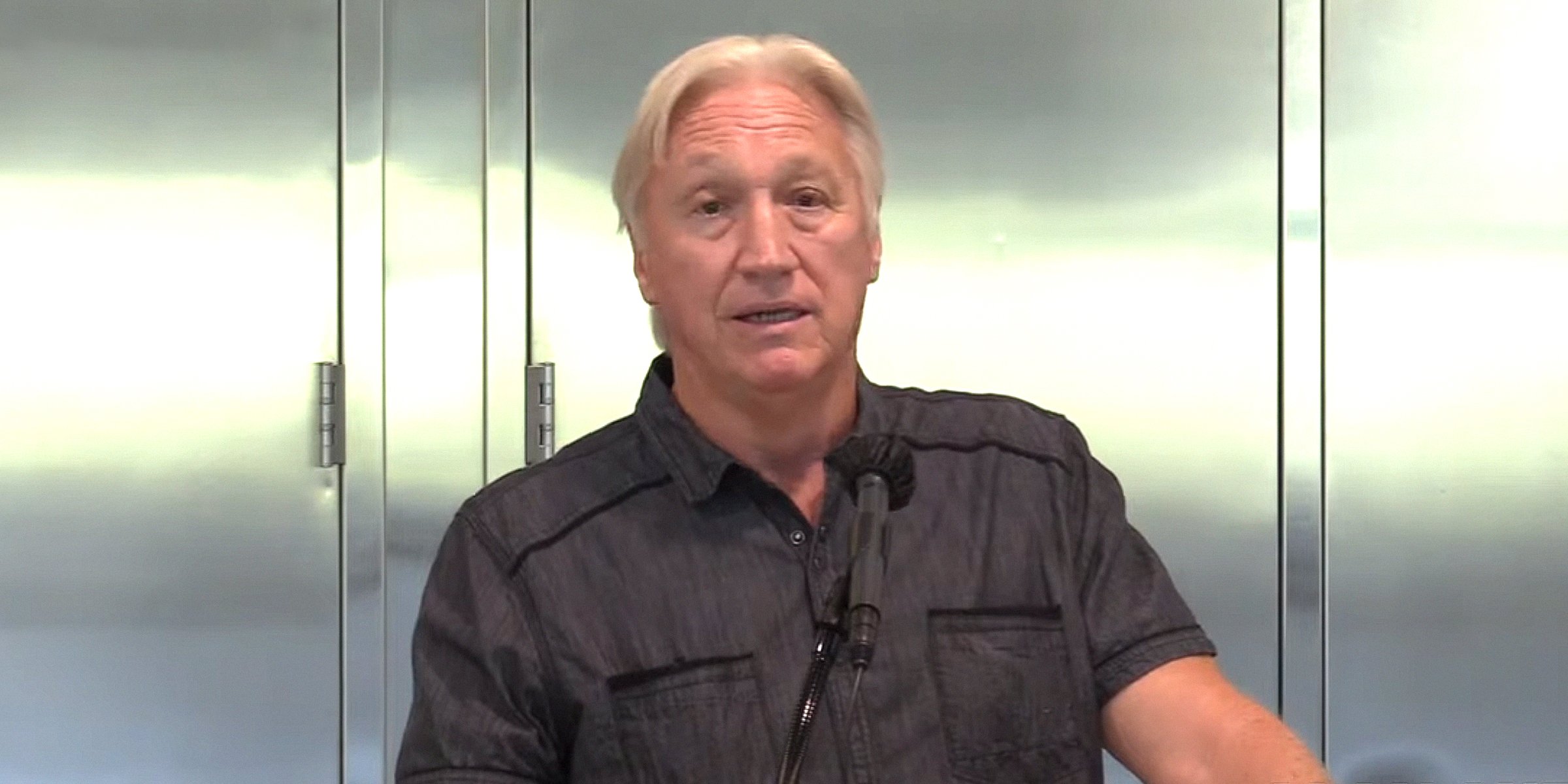
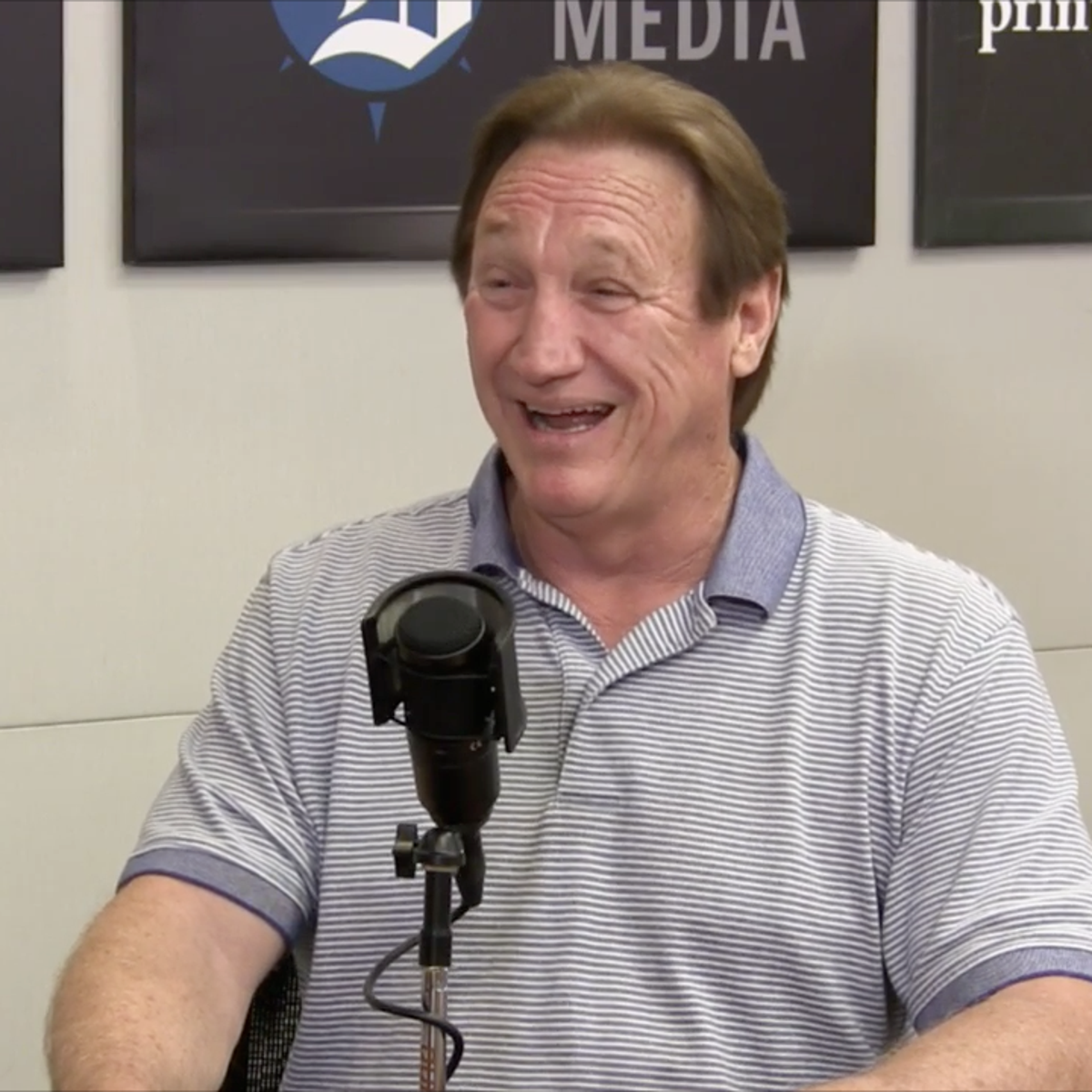
Alan Autry is a multi-talented American public figure who achieved national prominence across three distinct fields: professional athletics as an NFL quarterback, entertainment as a lead actor in the television series In the Heat of the Night, and public service as the 23rd Mayor of Fresno, California. Known for his transition from the gridiron to the soundstage and eventually to the mayor’s office, Autry remains a significant figure in both California politics and American television history.
As of 2026, Alan Autry continues to be recognized for his unique "triple-threat" career path. His journey is often cited as a prime example of successful career pivoting, moving from the physical rigors of the National Football League to the creative demands of Hollywood, and finally into the complex arena of municipal governance. This profile examines his verified history, the evolution of his professional identity, and his long-term impact on the industries he served.
The Early Years and Collegiate Athletic Foundation
Born Carlos Alan Autry on July 31, 1952, in Shreveport, Louisiana, Autry’s early life was marked by the agricultural landscape of California's San Joaquin Valley. After his parents divorced when he was an infant, he moved with his mother to Riverdale, California. Growing up in a labor-intensive environment, Autry developed a work ethic that would define his later professional endeavors.
His athletic prowess became evident during his time at Riverdale High School, eventually earning him a scholarship to the University of the Pacific in Stockton, California. At Pacific, Autry excelled as a standout quarterback. His performance in the mid-1970s positioned him as a legitimate professional prospect, despite playing for a smaller program compared to the powerhouses of the Pac-10. During this era, he was known primarily by his first name, Carlos, a name he would continue to use through the first decade of his professional life.
Professional Football Career: The Green Bay Years
Alan Autry’s professional sports career began when he was selected in the 12th round of the 1975 NFL Draft by the Green Bay Packers. Playing under the name Carlos Brown, he joined a franchise that was still finding its identity in the post-Vince Lombardi era.
Autry’s time in the NFL was characterized by the high-pressure environment of professional football in the 1970s. He started three games for the Packers during the 1975 and 1976 seasons. While his NFL career did not reach the Hall of Fame heights of some of his contemporaries, his ability to make a roster and start games at the highest level of the sport provided him with a level of national exposure and discipline that would later serve his acting career.
Following his stint with the Packers, Autry sought to continue his football career in the Canadian Football League (CFL). He spent time with the British Columbia Lions in 1979 before eventually deciding to move away from professional sports. The transition was not merely a change in occupation but a fundamental shift in identity, as he soon reclaimed the name Alan Autry to honor his biological father and establish a new persona in the entertainment industry.
The Transition to Entertainment and Hollywood Success
In the late 1970s, Autry moved to Los Angeles to pursue acting. Unlike many athletes who struggled to find substantive roles, Autry’s rugged appearance and natural presence allowed him to secure work in a variety of television and film projects.
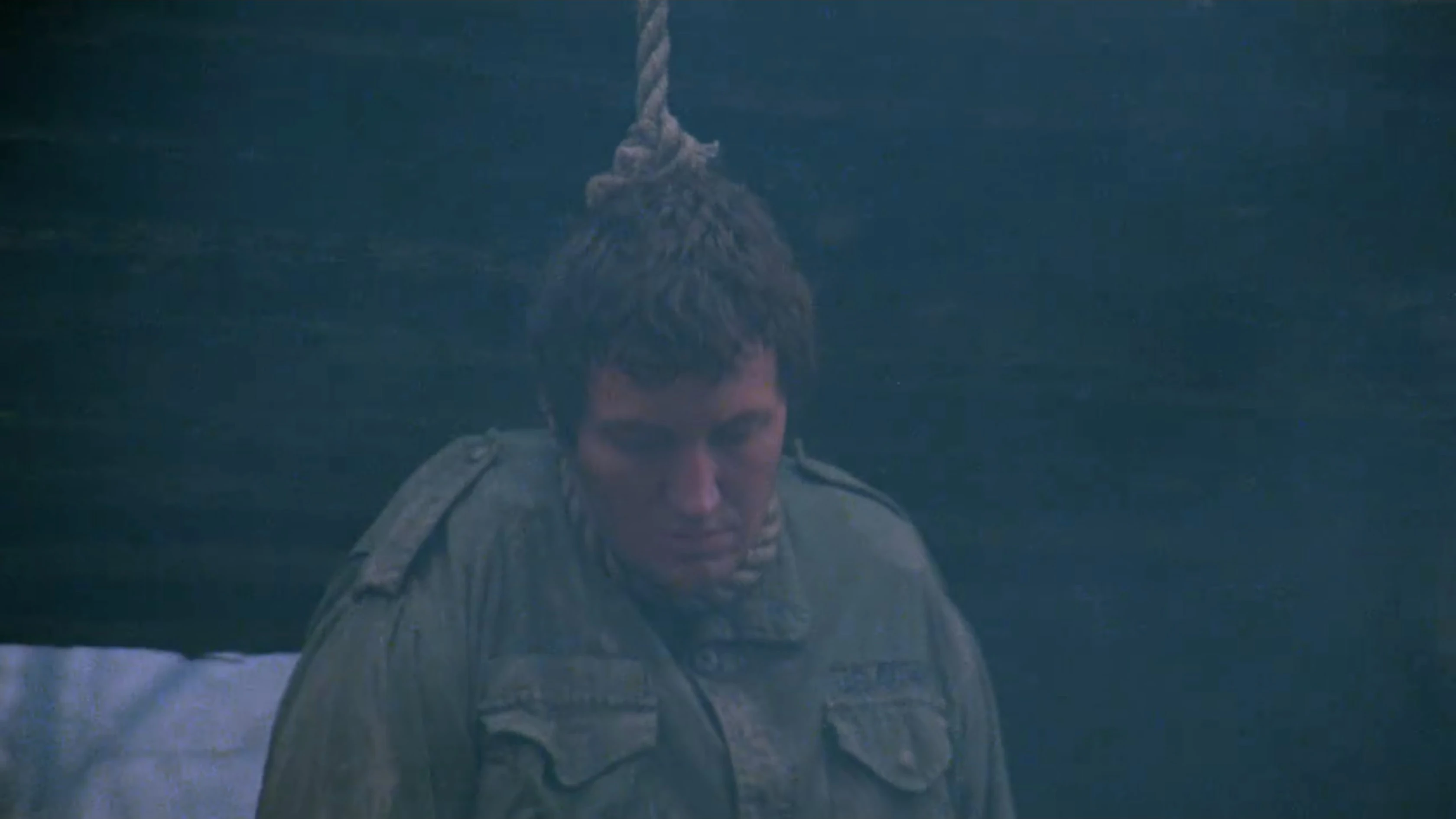
His early credits included appearances in popular series such as Cheers, The A-Team, and The Dukes of Hazzard. However, his breakout film role came in 1981 with Walter Hill’s cult classic Southern Comfort. In the film, he played one of a group of Louisiana National Guardsmen lost in the bayou. This role utilized his natural Southern roots and physical stature, establishing him as a capable character actor who could handle both action and dialogue-heavy scenes.
The Impact of In the Heat of the Night
The defining moment of Autry’s acting career arrived in 1988 when he was cast as Captain Bubba Skinner in the television adaptation of In the Heat of the Night. Starring alongside Carroll O’Connor and Howard Rollins, Autry’s character became a fan favorite. Bubba Skinner was portrayed as a tough but fair law enforcement officer in the fictional town of Sparta, Mississippi.
Autry’s performance was notable for its depth; he moved beyond the "tough cop" trope to show a character with a strong moral compass and a sense of community loyalty. He remained with the show for its entire seven-season run and several subsequent television movies. His work on the series not only solidified his status as a television star but also introduced him to the intricacies of production and directing, as he directed several episodes of the series.
Political Career: Leading the City of Fresno
In a move that surprised many in the entertainment industry but resonated with his Central Valley roots, Alan Autry entered politics in the late 1990s. Running as a Republican, he sought the office of Mayor of Fresno, California, in 2000.
His campaign focused on fiscal responsibility, public safety, and improving the quality of life in a city that was facing significant economic challenges. Leveraging his name recognition and a reputation for straightforwardness, Autry won the election and took office in January 2001.
Key Achievements as Mayor
Autry served two terms as Mayor, from 2001 to 2009. His tenure was marked by several significant initiatives:
- Fiscal Management: Autry was credited with steering Fresno through difficult economic periods, focusing on balanced budgets and reducing the city’s debt.
- Downtown Revitalization: He championed efforts to revitalize Fresno’s downtown core, seeking to attract new businesses and residents to the area.
- Public Safety: Under his leadership, the city saw targeted efforts to reduce crime and improve the efficiency of the Fresno Police Department.
- Education Advocacy: He was a vocal proponent of educational reform and worked closely with local school districts to improve outcomes for Fresno’s youth.
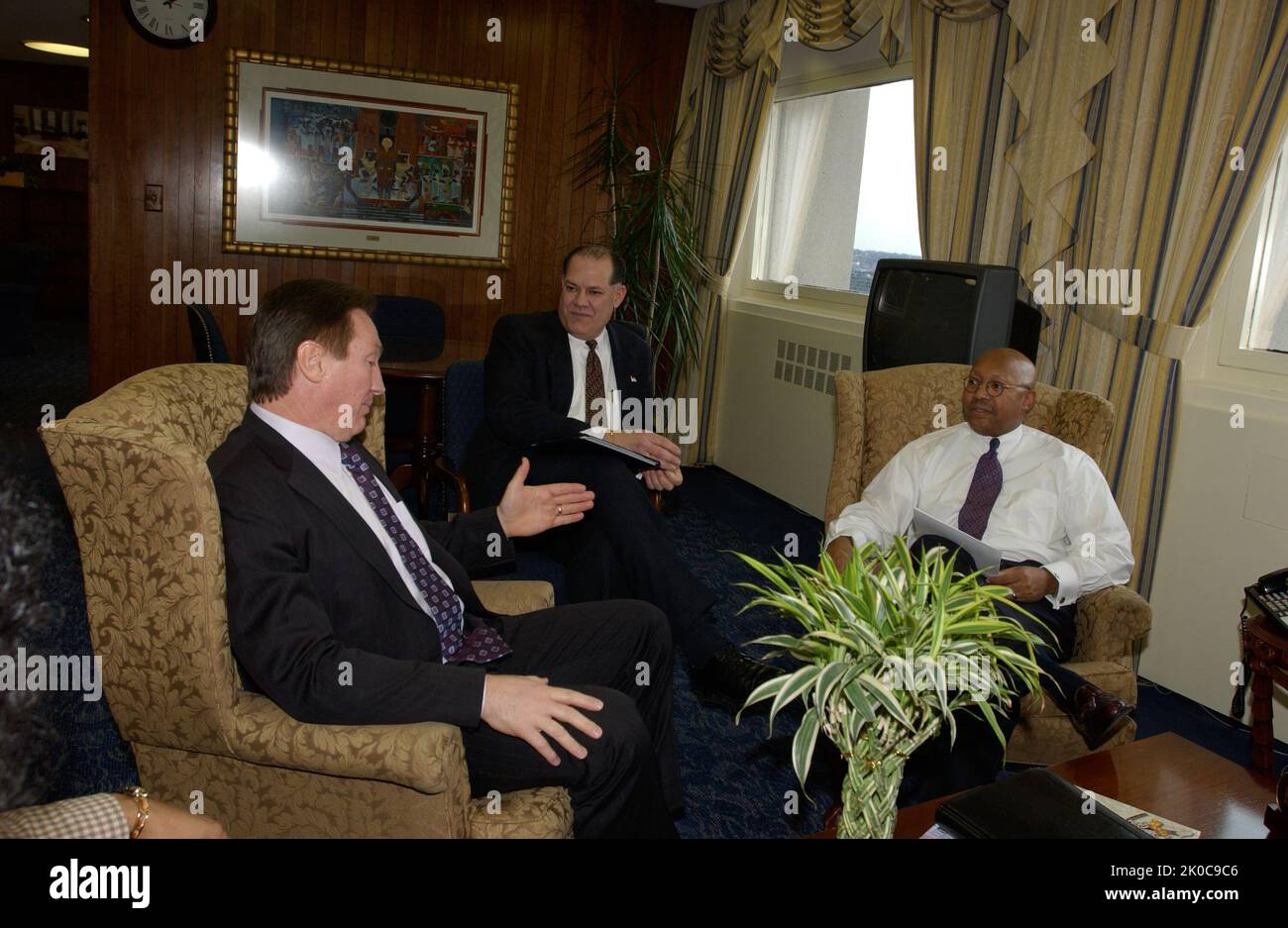
Upon leaving office due to term limits in 2009, Autry maintained a high level of popularity. His transition from Hollywood to the mayor’s office was viewed as a successful application of leadership skills honed across diverse industries.
Verified Career Milestones and Profiles
The following table provides a chronological overview of Alan Autry’s career transitions and key accomplishments.
| Period | Primary Field | Role / Organization | Key Milestone |
|---|---|---|---|
| 1971–1974 | Athletics | University of the Pacific | Starting Quarterback |
| 1975–1976 | Athletics | Green Bay Packers (NFL) | NFL Starting Quarterback (as Carlos Brown) |
| 1979 | Athletics | British Columbia Lions (CFL) | Professional Quarterback |
| 1981 | Entertainment | Film Industry | Breakout role in Southern Comfort |
| 1988–1995 | Entertainment | In the Heat of the Night | Portrayed Captain Bubba Skinner |
| 2001–2009 | Public Service | City of Fresno, CA | Served two terms as Mayor |
| 2009–2026 | Media & Faith | Autry Entertainment Group | Radio host, film producer, and author |
Post-Political Life: Media, Radio, and Faith-Based Projects
After his second term as Mayor concluded, Autry did not retire from public life. Instead, he returned to the media landscape, but with a focus that combined his entertainment background with his interest in public discourse.
He launched The Alan Autry Show, a talk radio program that aired on KYNO in Fresno. The show allowed him to engage with citizens on topics ranging from local politics to national trends. Additionally, Autry became deeply involved in faith-based entertainment. Through his company, Autry Entertainment Group, he produced and acted in films such as The Legend of Jake Kincaid, which reflected his personal values and Christian faith.
In recent years leading up to 2026, Autry has focused on storytelling that highlights the resilience of the Central Valley and the importance of civic engagement. He has authored works that reflect on his unique journey and remains a sought-after speaker for events focusing on leadership and career transitions.
Frequently Asked Questions
Why did Alan Autry use the name Carlos Brown during his football career?
During his youth and football career, Autry used the name Carlos Brown, which was the surname of his stepfather. Upon moving to Hollywood and seeking to reconnect with his biological father, Carl Autry, he legally changed his name to Alan Autry. He felt that reclaiming the Autry name was an essential step in his personal growth and professional branding as an actor.
What team did Alan Autry play for in the NFL?
Alan Autry played for the Green Bay Packers. He was drafted in 1975 and played for the team through the 1976 season. While he had a brief stint with other organizations, his primary NFL experience was with the Packers franchise under the name Carlos Brown.
Is Alan Autry related to the "Singing Cowboy" Gene Autry?
No, Alan Autry is not closely related to the legendary entertainer Gene Autry. While they share the same famous surname and both had successful careers in Hollywood, they are from different family lineages. Alan has often joked about the confusion in interviews, noting the high standard the Autry name holds in the entertainment world.
What is Alan Autry’s most famous acting role?
His most famous role is undoubtedly Captain Bubba Skinner on the television series In the Heat of the Night. The show was a staple of American television in the late 80s and early 90s, and his portrayal of the character remains his most enduring contribution to the entertainment industry.
Can Alan Autry run for Mayor of Fresno again?
Under current Fresno city charter rules, there are strict term limits for the office of the Mayor. Since Autry served two consecutive terms from 2001 to 2009, he was required to vacate the office. While term limit laws can be subject to change, his focus since 2009 has remained on private sector media projects and community advocacy rather than returning to elected office.
Guidance for Researchers and Fans
For those looking to explore Alan Autry’s career further, it is recommended to distinguish between his athletic records (found under "Carlos Brown") and his acting/political records (found under "Alan Autry"). Researchers focusing on the history of the San Joaquin Valley will find his mayoral archives at the Fresno City Clerk’s office to be a valuable resource for understanding the regional political climate of the early 21st century.
Fans of his media work can find his television and film contributions on various streaming platforms that specialize in classic television. His radio work remains a significant part of his legacy in Central California, providing a blueprint for how former elected officials can continue to contribute to the "marketplace of ideas" through broadcasting.