The legacy of the Autry name spans nearly a century of American culture, rooted in the foundational "Singing Cowboy" archetype established by Gene Autry and extended through the versatile career of Alan Autry. While Gene revolutionized the Western genre and professional sports ownership, Alan transitioned from the NFL to iconic television roles and significant political leadership as the Mayor of Fresno.
The Connection Between Gene and Alan Autry
To understand the full scope of this legacy, one must first clarify the relationship between these two influential figures. Alan Autry, born Carlos Alan Autry in 1952, is a distant cousin of the legendary Gene Autry. While they represent different eras of entertainment and public service, Alan has frequently cited Gene as a major influence on his own moral compass and professional work ethic.
The name "Autry" carries a specific weight in American history, particularly in the Western United States. For Gene, it represented the transition from the old frontier to the modern entertainment industry. For Alan, it became a symbol of blue-collar grit, moving from the physical demands of professional football to the nuanced world of acting and the complexities of municipal governance. Their shared legacy is defined by a commitment to "the common man" and a set of values often referred to as the Cowboy Code, which emphasizes integrity, hard work, and community service.
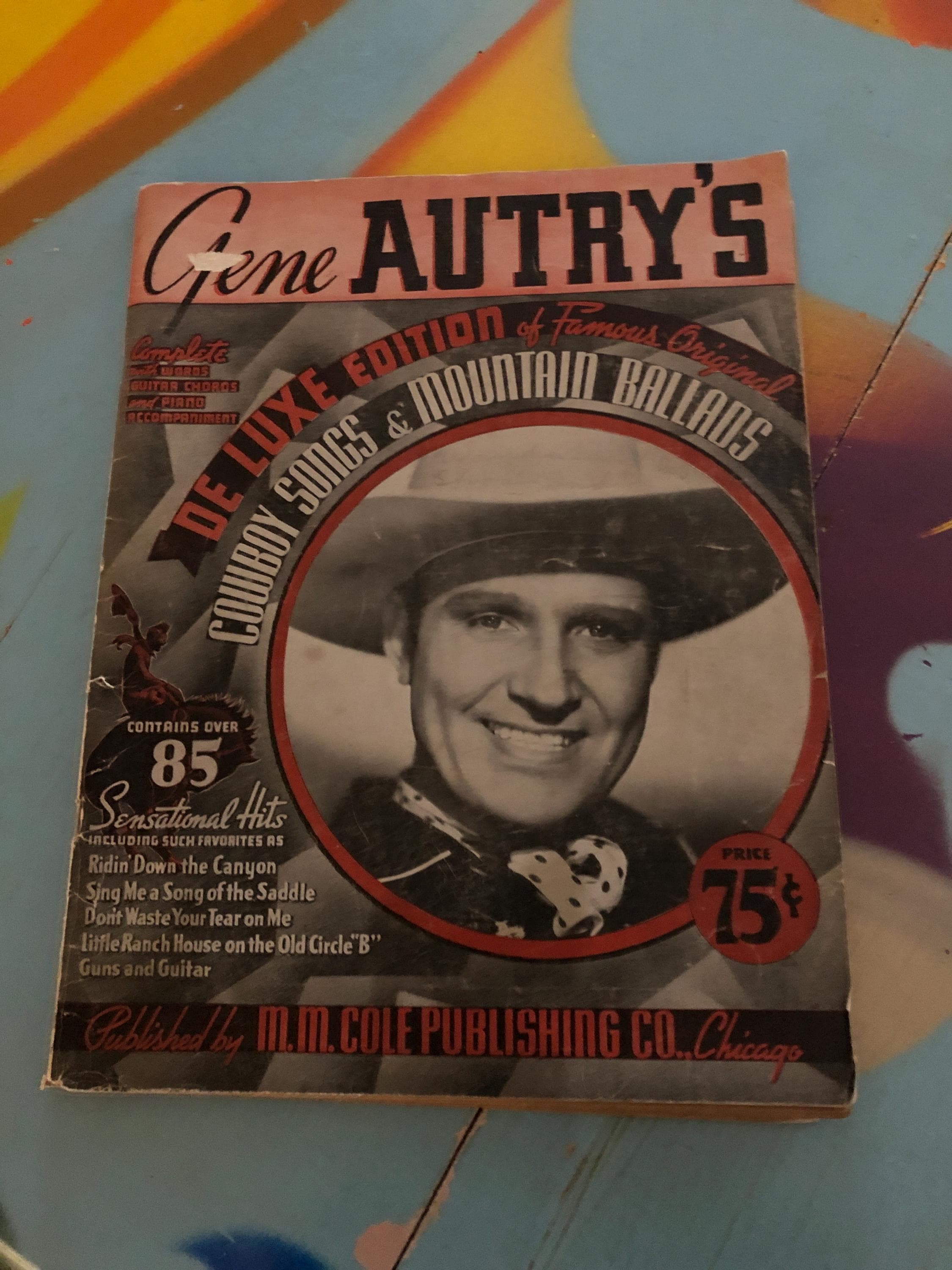
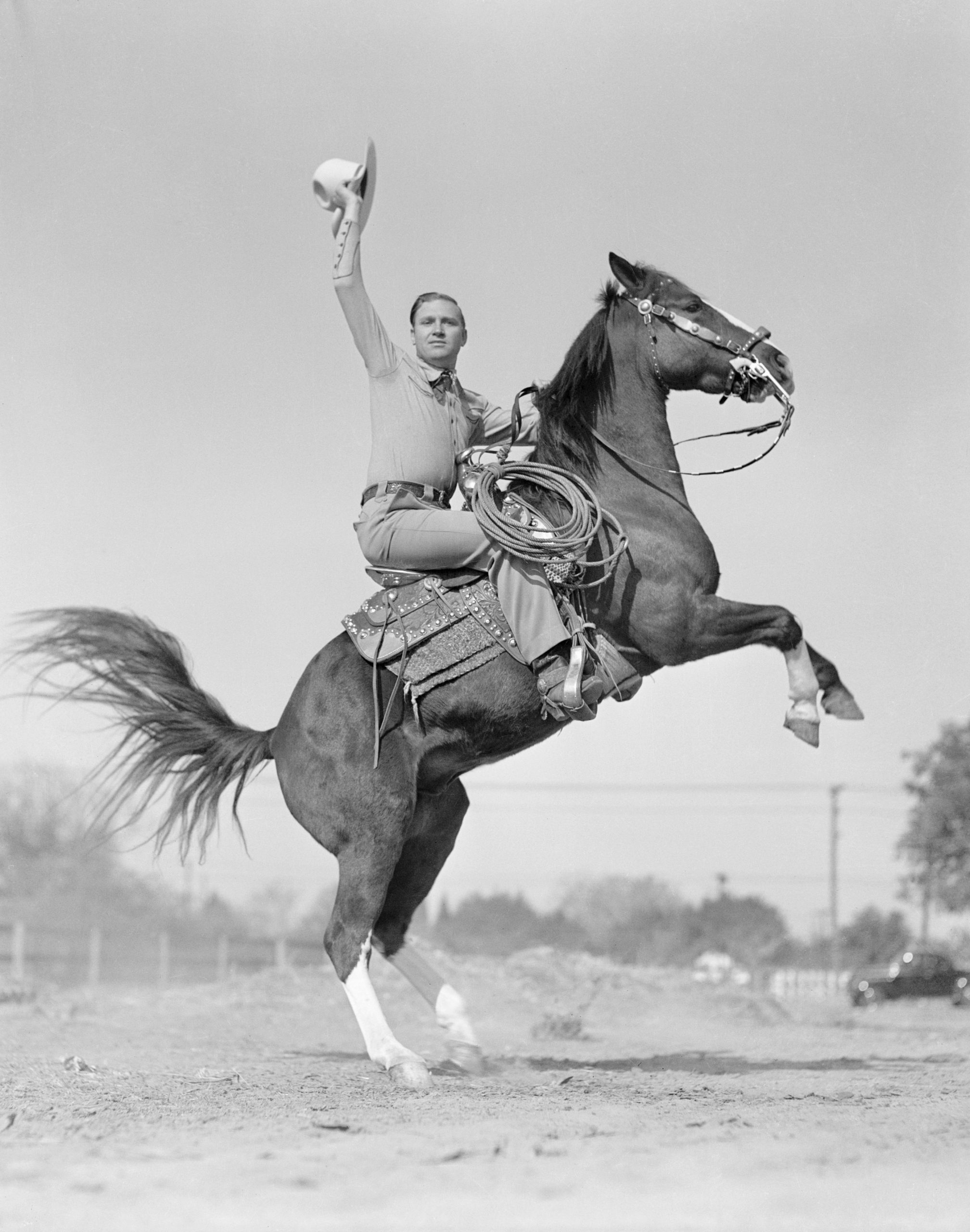
Gene Autry: The Architect of the Singing Cowboy
Gene Autry’s impact on 20th-century media cannot be overstated. As the only person to have five stars on the Hollywood Walk of Fame—representing film, television, radio, live performance, and recording—he set the standard for the multi-hyphenate entertainer. In the 1930s and 40s, Autry’s "Singing Cowboy" persona provided a wholesome, heroic figure for a nation navigating the Great Depression and World War II.
Beyond the silver screen, Gene was a formidable businessman. He understood the value of ownership early on, acquiring the rights to his films and music. This business acumen led to the founding of the Golden West Broadcasters and the eventual ownership of the California Angels (now the Los Angeles Angels) Major League Baseball team. His most enduring physical legacy, however, remains the Autry Museum of the American West in Los Angeles. Founded in 1988, the museum serves as a critical institution for the preservation of Western history, diverse cultural narratives, and the art of the American frontier.
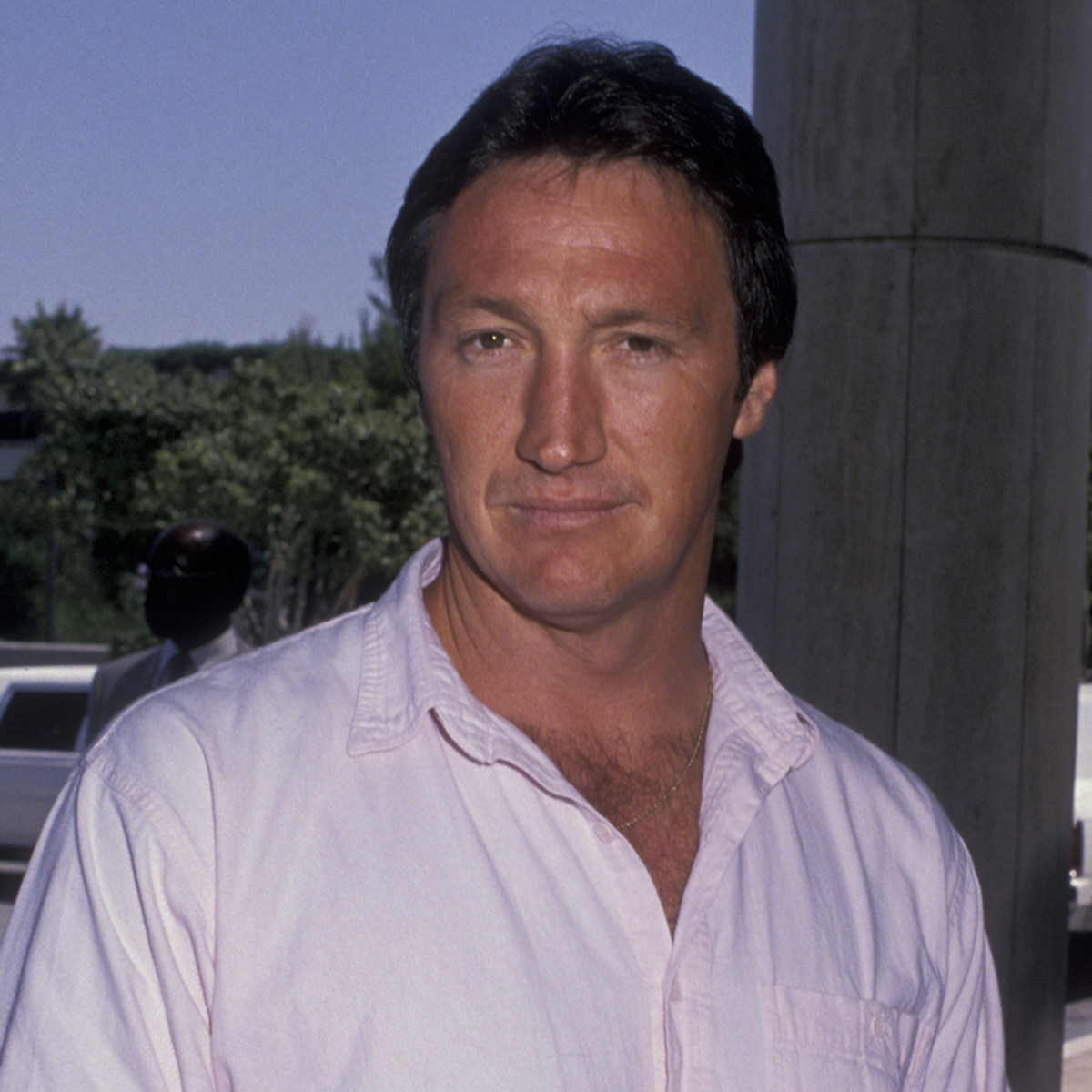
Alan Autry: From the Gridiron to "In the Heat of the Night"
Alan Autry’s path to the public eye was markedly different from Gene’s musical beginnings. Alan was a standout athlete, eventually playing as a quarterback for the Green Bay Packers in the mid-1970s. This athletic foundation gave him a rugged presence that translated well to the screen when he pivoted to acting.
He is perhaps most widely recognized for his role as Captain "Bubba" Skinner on the hit television series In the Heat of the Night, which ran from 1988 to 1995. Starring alongside Carroll O'Connor, Alan portrayed a character that balanced toughness with a deep sense of justice—a modern iteration of the "Code of the West" that Gene had championed decades earlier. Following his success in Hollywood, Alan moved into the political arena, serving two terms as the Mayor of Fresno, California (2001–2009). His tenure was marked by efforts to revitalize the downtown area and address the city's fiscal challenges, proving that the Autry legacy of leadership extended well beyond the soundstage.
Comparison of the Autry Legacies
While Gene and Alan operated in different spheres, their career trajectories show a shared dedication to public engagement and professional diversification.
| Feature | Gene Autry | Alan Autry |
|---|---|---|
| Primary Industry | Entertainment (Film, Music, TV) | Sports, Entertainment, Politics |
| Key Achievement | Created the "Singing Cowboy" archetype | Mayor of Fresno (Two Terms) |
| Major Role | Self (The Singing Cowboy) | Captain Bubba Skinner (In the Heat of the Night) |
| Athletic Background | Semi-pro Baseball (and owner) | NFL Quarterback (Green Bay Packers) |
| Cultural Impact | The Cowboy Code of Honor | Faith-based and Independent Filmmaking |
| Institutional Legacy | Autry Museum of the American West | Autry Entertainment Group |
| Business Focus | Broadcasting and Sports Franchises | Production and Civic Leadership |
The Cowboy Code: A Shared Philosophy
One cannot discuss the legacy of Gene Autry without mentioning the "Cowboy Code of Honor." Gene developed these ten principles to provide a moral framework for his young audience. Decades later, Alan Autry often echoed these sentiments in his political speeches and his later work in faith-based films.
The code remains a fascinating artifact of mid-century American ethics:
- The Cowboy must never shoot first, hit a smaller man, or take unfair advantage.
- He must never go back on his word, or a trust confided in him.
- He must always tell the truth.
- He must be gentle with children, the elderly, and animals.
- He must not advocate or possess racially or religiously intolerant ideas.
- He must help people in distress.
- He must be a good worker.
- He must keep himself clean in thought, speech, action, and personal habits.
- He must respect women, parents, and his nation’s laws.
- The Cowboy is a patriot.
In 2026, these principles are often viewed through the lens of nostalgia, but for both Gene and Alan, they were practical guidelines for living a life of public service. Alan, in particular, utilized these concepts of "plain-spoken truth" and "hard work" to bridge the gap between his celebrity status and his role as a municipal leader in California's Central Valley.
Best Quotes from Gene Autry
Gene Autry’s words often reflected his humble beginnings and his straightforward approach to the entertainment business.
- On Integrity: "I'm not a politician; I'm a businessman. But I believe if you tell people the truth and treat them right, they'll follow you."
- On the Cowboy Image: "My favorite character is the one who stands up for what's right, even when he’s standing alone."
- On Success: "I was lucky. I found a way to get paid for doing what I loved, but I never forgot that the audience is the real boss."
- On the West: "The American West isn't just a place; it's a state of mind that prizes freedom and responsibility in equal measure."
Best Quotes from Alan Autry
Alan Autry’s quotes reflect a combination of his Hollywood experience, his time in the NFL, and his deeply held religious and political convictions.
- On Service: "Being a mayor isn't about the title; it's about being the chief janitor of the city. You're there to clean up the mess and make things run for the people."
- On Faith: "Hollywood can give you a lot of things, but it can't give you peace. That comes from something much deeper and more eternal."
- On the Legacy of Gene Autry: "Gene didn't just play a hero; he lived a life that respected the people who bought the tickets. That’s the real Autry legacy—respect for the common man."
- On Perseverance: "In football and in politics, you're going to get hit. The question isn't whether you fall, but how fast you get back up to run the next play."
The Autry Influence in 2026
As of 2026, the Autry legacy continues to evolve. The Autry Museum has expanded its digital footprint, ensuring that Gene's archives are accessible to a new generation of historians. Alan Autry, while largely retired from the political spotlight, remains an active voice in independent, faith-based media through the Autry Entertainment Group. He continues to produce content that emphasizes the traditional values associated with his family name.
The enduring appeal of both men lies in their authenticity. In an era where public figures are often heavily managed and curated, the Autrys represent a brand of "rugged individualism" tempered by a sense of social duty. Whether it was Gene providing an escape through song during the 1930s or Alan managing the infrastructure of a major California city, the common thread is a commitment to the American public.
FAQ
Was Alan Autry actually related to Gene Autry?
Yes, Alan Autry is a distant cousin of Gene Autry. While they were not immediate family members, they maintained a cordial relationship, and Alan has frequently spoken about the profound influence Gene had on his life and career, particularly regarding personal character and business ethics.
What is Alan Autry doing now in 2026?
In 2026, Alan Autry focuses primarily on his production company, Autry Entertainment Group. He is involved in creating independent films and television projects that often carry faith-based or traditional themes. He also remains a sought-after speaker on topics ranging from urban revitalization to the intersection of faith and public life.
Why is Gene Autry the only person with five stars on the Hollywood Walk of Fame?
Gene Autry received five stars because he achieved significant success in five distinct categories of entertainment: Motion Pictures, Television, Radio, Recording, and Live Theatre/Performance. His ability to dominate every major media platform of his era remains a unique achievement in Hollywood history.
Did Alan Autry really play in the NFL?
Yes, Alan Autry was a talented quarterback. He played college football at the University of the Pacific and was drafted by the Green Bay Packers. He played for the Packers during the 1975 and 1976 seasons before transitioning into the acting profession.
What was the "Cowboy Code" exactly?
The Cowboy Code was a set of ten ethical guidelines published by Gene Autry. It was designed to promote sportsmanship, honesty, and kindness among his young fans. The code emphasized respect for others, hard work, and patriotism, and it became a cornerstone of his public image.
Engaging with the Autry Legacy
For those looking to explore this legacy further, a visit to the Autry Museum of the American West in Griffith Park, Los Angeles, is the most comprehensive step. The museum not only houses Gene’s personal memorabilia but also provides a scholarly look at the complex history of the West. Additionally, fans of Alan Autry can revisit his work on In the Heat of the Night, which remains a staple of classic television syndication.
Understanding the Autrys requires looking past the celebrity to the values they championed: consistency, community, and character. Whether through a song or a city ordinance, both men demonstrated that a legacy is built not just by what you achieve, but by the code you live by.