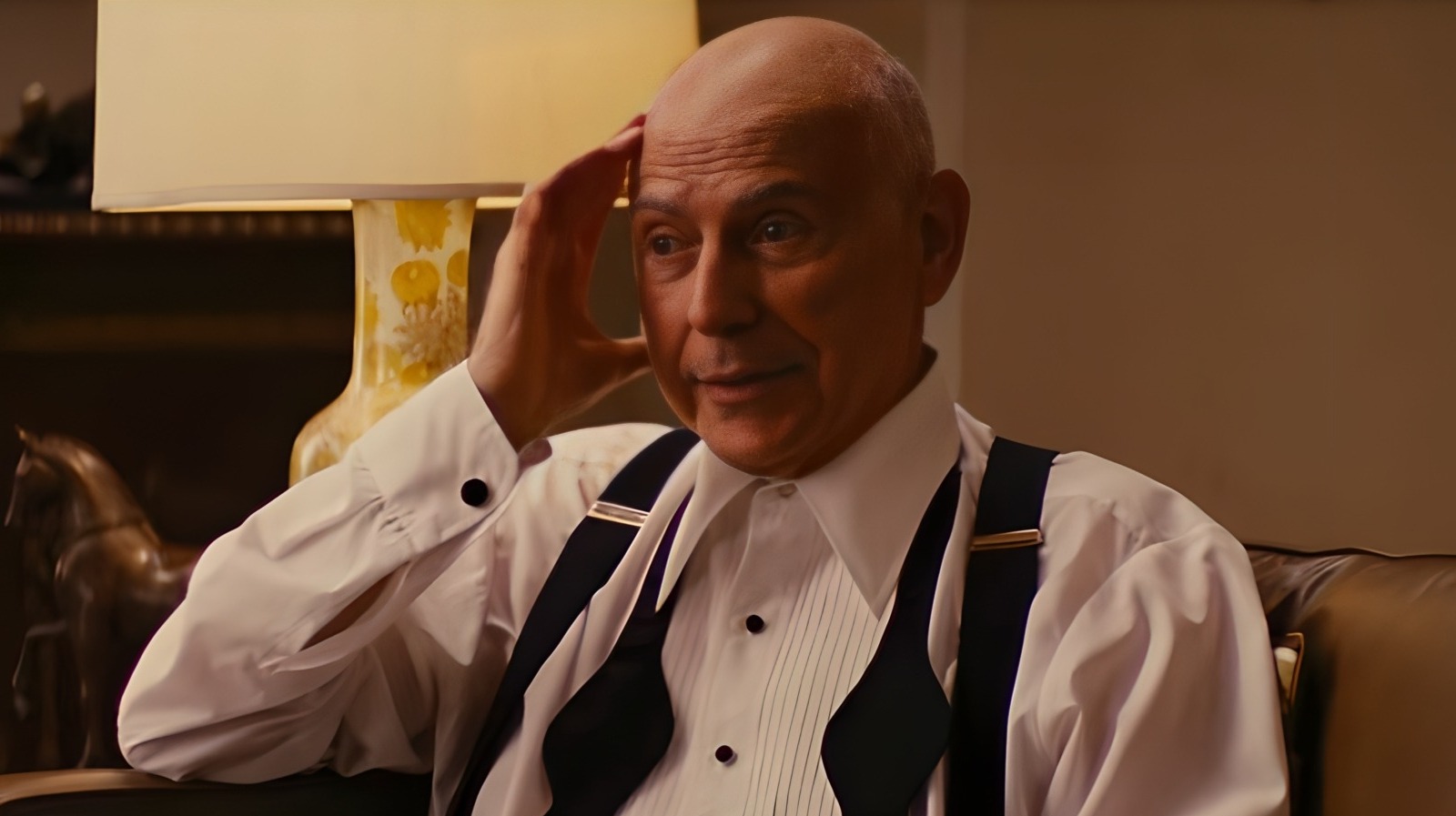
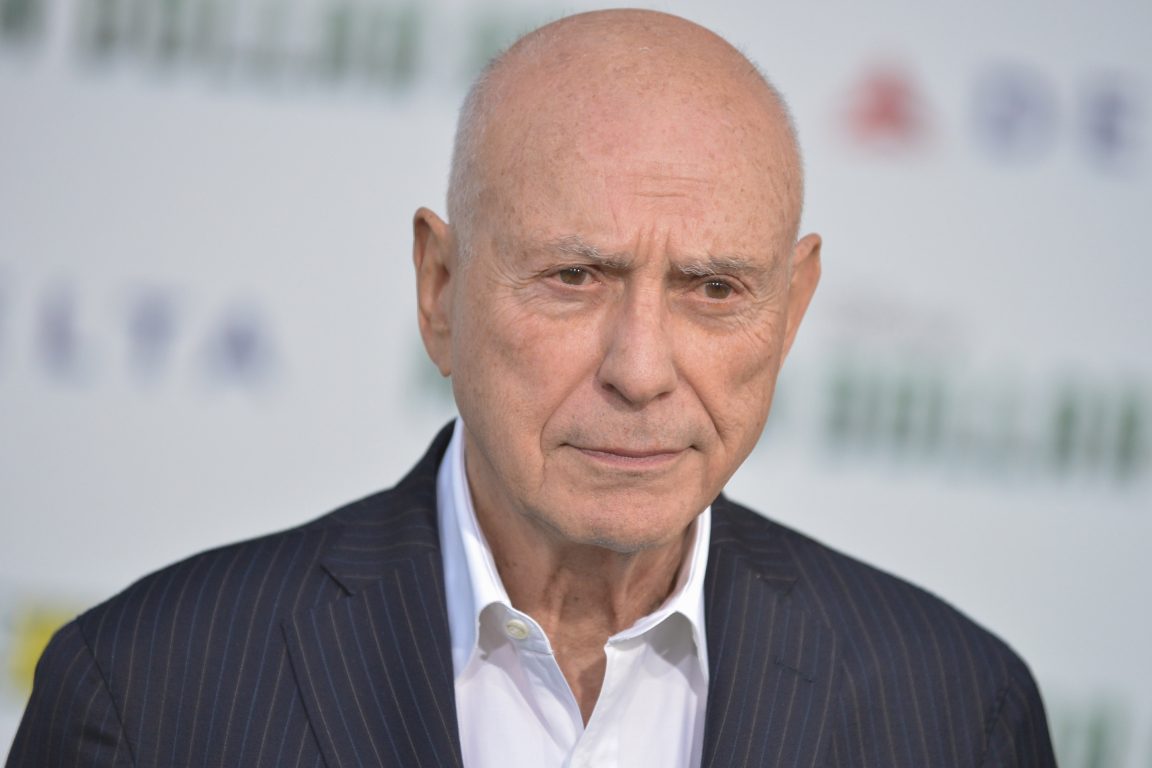
Alan Arkin (1934–2023) was one of American cinema and theater's most versatile, dryly comedic, and emotionally resonant performers. Across a career spanning seven decades, Arkin achieved rare acclaim as an Oscar-winning film actor, Tony Award-winning stage performer, director, author, and musician, leaving an indelible mark on modern performing arts.
Early Life, Musical Roots, and Second City Beginnings
Alan Wolf Arkin was born on March 26, 1934, in Brooklyn, New York, to David I. Arkin, a painter and writer, and Beatrice Arkin, a teacher. Raised in a Jewish family with strong artistic and political sensibilities, Arkin moved with his family to Los Angeles during his adolescence. His youth was marked by early creative exploration, including acting lessons from childhood and an intense interest in music.
Before establishing himself on the theatrical stage, Arkin pursued music as a founding member of the folk group The Tarriers in the mid-1950s. Playing guitar and singing, he co-wrote and performed on the group's popular 1956 rendering of "The Banana Boat Song" ("Day-O"), which reached the top of the pop charts. This early musical success allowed Arkin to tour internationally, but his passion ultimately shifted back to drama and comedy.
In 1960, Arkin joined the burgeoning Second City improvisational theater troupe in Chicago. His work at Second City proved foundational to his acting philosophy. The troupe's emphasis on character work, quick intellect, and naturalistic dialogue shaped Arkin's trademark performing style—a blend of deadpan humor, explosive comedic timing, and deep psychological authenticity.
Key Early Influences: • Classical and folk musical training • Second City improvisational comedy workshop • Off-Broadway theatrical productions
Broadway Breakthrough and Early Cinematic Stardom
Arkin made a dramatic impact on Broadway in 1963 starring in Joseph Stein’s comedy Enter Laughing, based on Carl Reiner’s autobiographical novel. Playing the young, aspiring actor David Kolowitz, Arkin delivered a bravura comedic performance that earned him the Tony Award for Best Featured Actor in a Play. He followed this success on stage by starring in Mike Nichols’s 1964 Broadway staging of Neil Simon’s Luv.
His transitions into feature film proved equally remarkable. Arkin achieved a rare cinematic feat by earning an Academy Award nomination for Best Actor for his very first major feature film role: the bewildered Soviet submarine officer Lieutenant Rozanov in Norman Jewison’s satire The Russians Are Coming, the Russians Are Coming (1966). His mastery of accent, physical comedy, and understated panic won over both audiences and critics.
Two years later, Arkin demonstrated extraordinary dramatic range in The Heart Is a Lonely Hunter (1968), an adaptation of Carson McCullers’s novel. Playing John Singer, a deaf-mute silver engraver who becomes a confidant to various troubled souls in a Southern town, Arkin conveyed profound empathy, isolation, and dignity without relying on spoken dialogue. The role earned him his second Academy Award nomination for Best Actor, establishing him as one of Hollywood's premier dynamic performers.
Versatility in Character Acting: From Darkness to Comedy
Throughout the late 1960s and 1970s, Arkin resisted typecasting by accepting wildly disparate roles across multiple genres. In 1967, he delivered one of cinema’s most chilling villainous performances opposite Audrey Hepburn in the suspense thriller Wait Until Dark. As Roat, a ruthless, terrifying criminal stalking a blind woman in her apartment, Arkin displayed a sinister, unsettling intensity that starkly contrasted with his comedic persona.
In 1970, Arkin took on the lead role of Captain John Yossarian in Mike Nichols’s high-profile cinematic adaptation of Joseph Heller’s satirical anti-war novel Catch-22. Though the film received mixed contemporary reviews, Arkin’s central performance as the desperate World War II bombardier trying to survive the absurdity of military bureaucracy was widely praised for capturing the novel's existential anxiety.
During the 1970s and 1980s, Arkin frequently gravitated toward quirky comedies and ensemble projects:
- The In-Laws (1979): Starred as the mild-mannered dentist Sheldon Kornpett opposite Peter Falk's erratic CIA agent, creating a beloved buddy-comedy classic driven by brilliant comedic chemistry.
- The Seven-Per-Cent Solution (1976): Played Sigmund Freud alongside Nicol Williamson's Sherlock Holmes in a sophisticated mystery satire.
- Simon (1980): Portrayed a psychology professor brainwashed into believing he is an alien, showcasing his adept hand at absurd sci-fi comedy.
- Glengarry Glen Ross (1992): Joined an iconic ensemble cast featuring Jack Lemmon, Al Pacino, and Ed Harris, playing the timid, desperate real estate salesman George Aaronow in David Mamet's sharp corporate drama.
Arkin’s ability to anchor ensemble pieces while stepping effortlessly between broad comedy, dark suspense, and grounded realism made him an invaluable asset to filmmakers for decades.
Key Career Milestones and Selected Filmography
The following table summarizes key milestones, notable projects, and awards throughout Alan Arkin’s extensive career in film, television, and theater.
| Year | Title | Role / Capacity | Category | Major Recognition / Notes |
|---|---|---|---|---|
| 1963 | Enter Laughing | David Kolowitz | Stage (Broadway) | Won Tony Award for Best Featured Actor |
| 1966 | The Russians Are Coming, the Russians Are Coming | Lt. Rozanov | Feature Film | Nominated for Academy Award (Best Actor) |
| 1967 | Wait Until Dark | Roat / Roat Jr. / Roat Sr. | Feature Film | Widely praised dramatic villain performance |
| 1968 | The Heart Is a Lonely Hunter | John Singer | Feature Film | Nominated for Academy Award (Best Actor) |
| 1970 | Catch-22 | Capt. John Yossarian | Feature Film | Adapted from Joseph Heller's masterpiece |
| 1979 | The In-Laws | Dr. Sheldon Kornpett | Feature Film | Cult classic comedy co-starring Peter Falk |
| 1992 | Glengarry Glen Ross | George Aaronow | Feature Film | Ensemble cast adaptation of David Mamet's play |
| 2006 | Little Miss Sunshine | Edwin Hoover | Feature Film | Won Academy Award (Best Supporting Actor) |
| 2012 | Argo | Lester Siegel | Feature Film | Nominated for Academy Award (Best Supporting Actor) |
| 2018–2019 | The Kominsky Method | Norman Newlander | Television Series | Nominated for 2 Emmy Awards & 2 Golden Globes |
Later Career Renaissance: Little Miss Sunshine, Argo, and Television Success
In the 2000s and 2010s, Arkin experienced a profound career renaissance, introducing his distinctive style to a new generation of filmgoers. The defining moment of this late-career flourish came with the 2006 independent comedy-drama Little Miss Sunshine.
Arkin played Edwin Hoover, the profane, heroin-addicted, yet fiercely loving grandfather who coaches his young granddaughter Olive for a beauty pageant. Despite having relatively limited screen time, Arkin stole the film with his raw, hilarious, and emotionally grounded work. For his performance, Arkin won the Academy Award for Best Supporting Actor at the 79th Academy Awards, along with a BAFTA Award.
"I've been given advice by people who didn't know what they were talking about all my life, and I've ignored all of it." — Alan Arkin on artistic independence and career durability
Building on this success, Arkin continued to deliver memorable supporting performances in high-profile projects:
- Argo (2012): Arkin portrayed veteran Hollywood producer Lester Siegel in Ben Affleck’s Oscar-winning historical thriller about the Iran hostage crisis. Arkin’s sharp delivery of the film's iconic tagline earned him his fourth career Academy Award nomination.
- Stand Up Guys (2012): Starred alongside Al Pacino and Christopher Walken in a crime comedy focusing on aging mobsters.
- Going in Style (2017): Partnered with Michael Caine and Morgan Freeman in a comedy heist remake directed by Zach Braff.
- The Kominsky Method (2018–2019): Co-starred opposite Michael Douglas in Chuck Lorre’s critically acclaimed Netflix comedy series. Arkin played Norman Newlander, a grieving Hollywood talent agent facing old age, loss, and friendship. His performance earned consecutive Primetime Emmy Award and Golden Globe Award nominations.
Directing, Writing, and Artistic Legacy
Beyond his work in front of the camera and on stage, Arkin cultivated a rich career behind the scenes as a director, author, and mentor.
Stage and Screen Directing
Arkin directed several acclaimed theatrical productions, including Jules Feiffer’s dark comedy Little Murders (1969), for which he won an Drama Desk Award, and Neil Simon’s original 1971 Broadway production of The Sunshine Boys, which ran for over 500 performances. He also directed the 1971 film adaptation of Little Murders and the 1977 independent film Fire Sale.
Literary Works and Memoirs
Arkin was a prolific writer, authoring several children’s books, young adult novels, and personal memoirs. His published books include:
- The Lemming Condition (1976) – A celebrated philosophical children's fable.
- Halfway Through the Door: An Actor's Journey Toward the Self (1979) – A memoir exploring eastern philosophy, meditation, and acting discipline.
- An Improvised Life (2011) – A reflective memoir detailing his creative philosophy and lessons learned from Second City to Hollywood.
- Out of My Mind (2018) – A contemplative exploration of consciousness and personal growth.
Passing and Personal Life
Arkin was married three times: to Jeremy Yaffe (with whom he had sons Adam Arkin and Matthew Arkin), to actress Barbara Dana (with whom he had son Anthony Arkin), and to psychotherapist Suzanne Newlander, with whom he lived until his death. His sons Adam, Matthew, and Anthony all pursued careers in acting and the arts.
Alan Arkin passed away at his home in Carlsbad, California, on June 29, 2023, at the age of 89. His passing triggered widespread tributes across the film and theatrical communities, celebrating his unmatched comedic intellect, emotional authenticity, and generous collaborative spirit.
Frequently Asked Questions
Did Alan Arkin win an Academy Award?
Yes, Alan Arkin won the Academy Award for Best Supporting Actor in 2007 for his performance as Edwin Hoover in Little Miss Sunshine (2006). He was also nominated for Best Actor for The Russians Are Coming, the Russians Are Coming (1966) and The Heart Is a Lonely Hunter (1968), and for Best Supporting Actor for Argo (2012).
What were Alan Arkin's most famous television roles?
Arkin's most prominent television role late in his career was playing talent agent Norman Newlander in the Netflix comedy-drama series The Kominsky Method (2018–2019) alongside Michael Douglas. His performance earned him multiple Emmy and Golden Globe nominations.
Was Alan Arkin involved in music before acting?
Yes, in the mid-1950s, Arkin was a member of the folk music group The Tarriers. He co-wrote and sang on their popular version of "The Banana Boat Song" ("Day-O"), which achieved significant commercial success before he fully committed to his acting career.
How many times was Alan Arkin nominated for an Oscar?
Alan Arkin received four Academy Award nominations during his lifetime: two for Best Actor (The Russians Are Coming, the Russians Are Coming and The Heart Is a Lonely Hunter) and two for Best Supporting Actor (Little Miss Sunshine and Argo).
What book did Alan Arkin write about his acting career?
Arkin wrote several memoirs detailing his artistic process, most notably An Improvised Life (2011), which offers deep personal insights into his improvised comedy roots at Second City and his lifelong philosophy on acting and creativity.
Remembering Alan Arkin: How to Explore His Artistic Heritage
For film enthusiasts, aspiring actors, and biographical researchers looking to explore Alan Arkin's extensive legacy, a chronological exploration of his work offers an instructive masterclass in performance craft:
- Study the Early Comedic Mastery: Watch The Russians Are Coming, the Russians Are Coming (1966) and The In-Laws (1979) to examine Arkin's precision with reaction comedy, timing, and deadpan delivery.
- Examine Dramatic Range: Pair Wait Until Dark (1967) with The Heart Is a Lonely Hunter (1968) back-to-back to appreciate how Arkin could transition from terrifying villainy to deeply silent, empathetic drama.
- Analyze Ensemble Collaboration: View Glengarry Glen Ross (1992), Little Miss Sunshine (2006), and Argo (2012) to see how an experienced character actor enhances an ensemble without overwhelming fellow performers.
- Read His Writing: Pick up his memoir An Improvised Life for direct commentary on how improvisational principles can be applied to serious character work and daily creative life.
Through his hundreds of film, television, and theatrical credits, Alan Arkin established a standard of artistic integrity, dry wit, and emotional truth that continues to inspire performers around the globe.