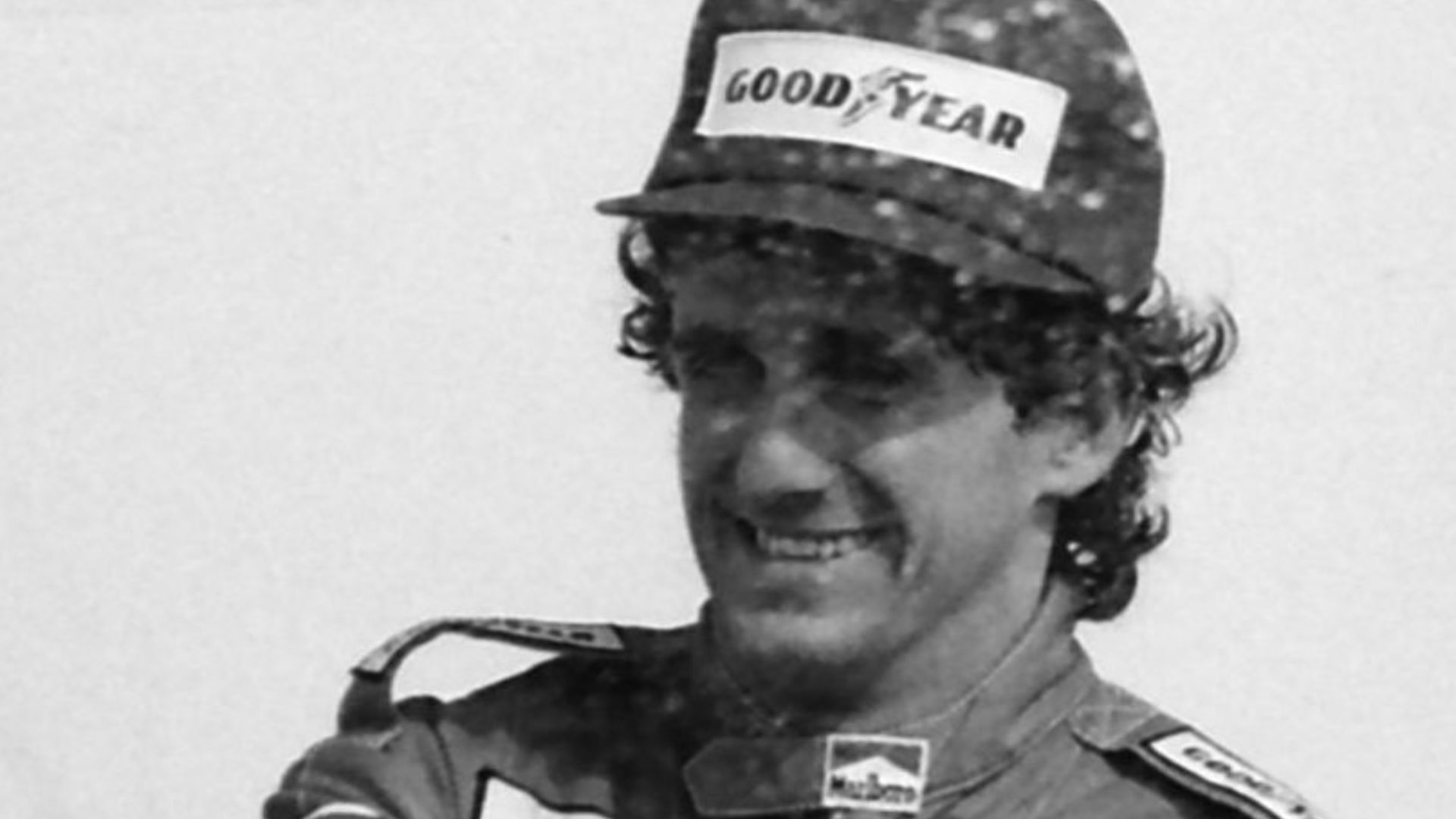
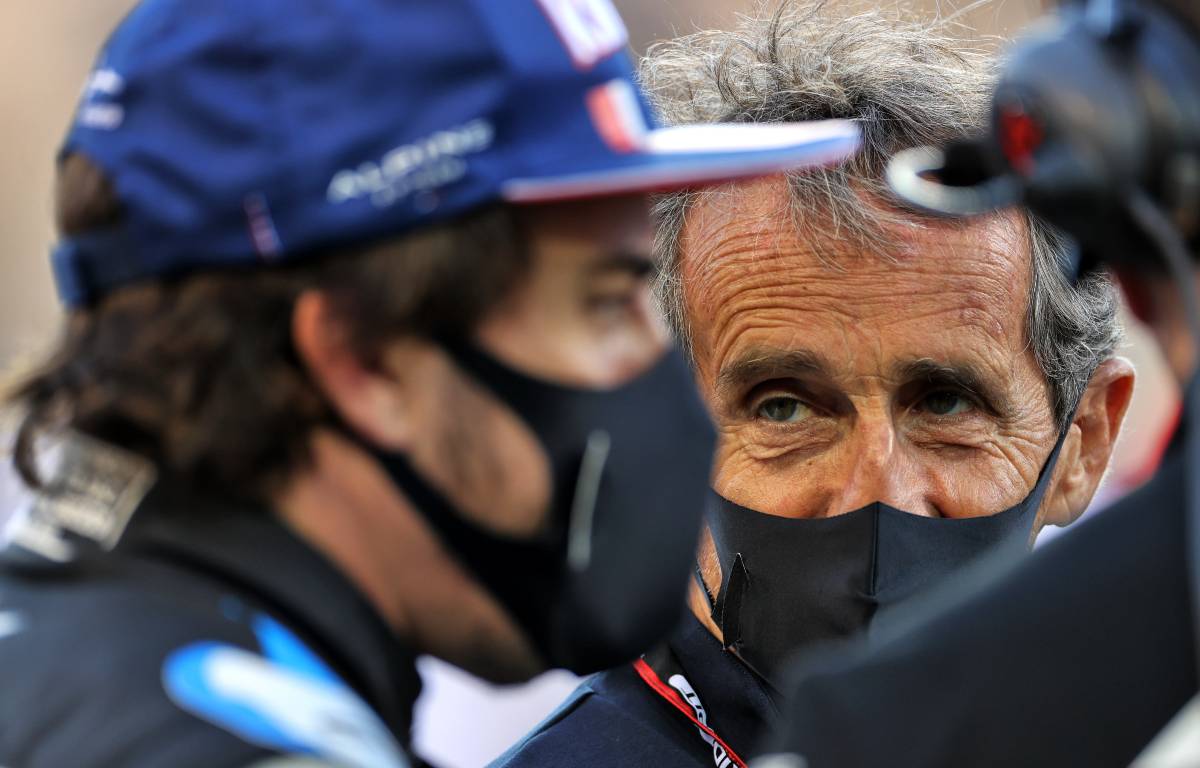
Alain Prost is a four-time Formula One World Drivers' Champion whose calculated driving style, analytical precision, and fierce rivalry with Ayrton Senna cemented his status as one of the greatest racing drivers in motorsport history. Earning the moniker "The Professor" for his intellectual approach to race craft, Prost secured 51 Grand Prix victories across a distinguished career spanning from 1980 to 1993, representing iconic constructors such as McLaren, Renault, Ferrari, and Williams.
The Intellectual Foundation: Early Life and Rise to Prominence
Born in Saint-Chamond, Loire, France, in 1955, Alain Prost initially pursued football and karting before discovering his aptitude for single-seater motorsport. His progression through the junior categories was marked by rapid success, capturing both the French and European Formula Three championships in 1979. These formative triumphs caught the attention of Formula One scouts, leading to his debut at the 1980 Argentine Grand Prix with the McLaren team. Driving a modest car, Prost finished in the points on debut, signaling the arrival of a meticulous driver who prioritized car preservation, setup precision, and strategic race management over raw, uncalculated aggression.
Following his rookie season, Prost transitioned to the factory Renault team, where he secured his maiden Grand Prix victory at home in Dijon during the 1981 season. Over the next three years with Renault, he demonstrated exceptional qualifying speed and race-winning capability, though mechanical unreliability and fierce internal dynamics ultimately prevented him from capturing a world title with the French manufacturer. His time at Renault forged his reputation as a developmental driver capable of providing precise engineering feedback, a trait that would define the rest of his career.
The McLaren Era and the Four World Championships
Prost returned to McLaren in 1984 alongside veteran Niki Lauda, initiating the most prolific chapter of his Formula One career. The partnership with Lauda proved transformative; Prost learned invaluable lessons in race-day psychology and championship endurance, losing the 1984 title to Lauda by a razor-thin margin of half a point—the closest points margin in Formula One history. Undeterred, Prost channeled this near-miss into dominant campaigns, securing his back-to-back World Championships in 1985 and 1986. The 1986 season, in particular, showcased his tactical brilliance as he navigated a three-way championship battle against the dominant Williams-Honda cars of Nigel Mansell and Nelson Piquet, ultimately seizing the crown at the Australian Grand Prix when Mansell suffered a dramatic tire failure.
| Year | Constructor | Chassis-Engine | Wins | Podiums | Points | Championship Result |
|---|---|---|---|---|---|---|
| 1985 | McLaren | MP4/2B-TAG Porsche | 5 | 11 | 73 | Champion |
| 1986 | McLaren | MP4/2C-TAG Porsche | 4 | 11 | 72 | Champion |
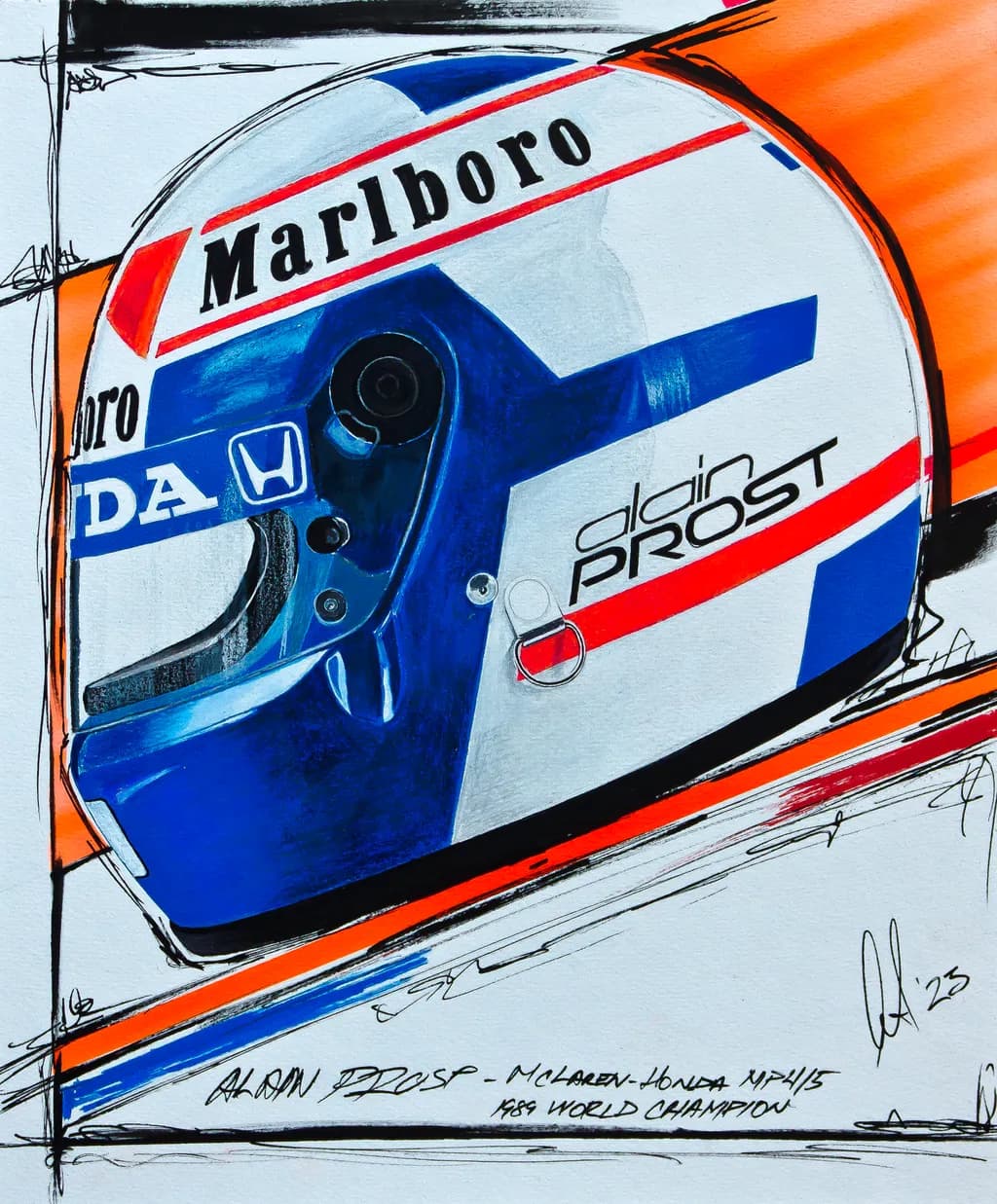
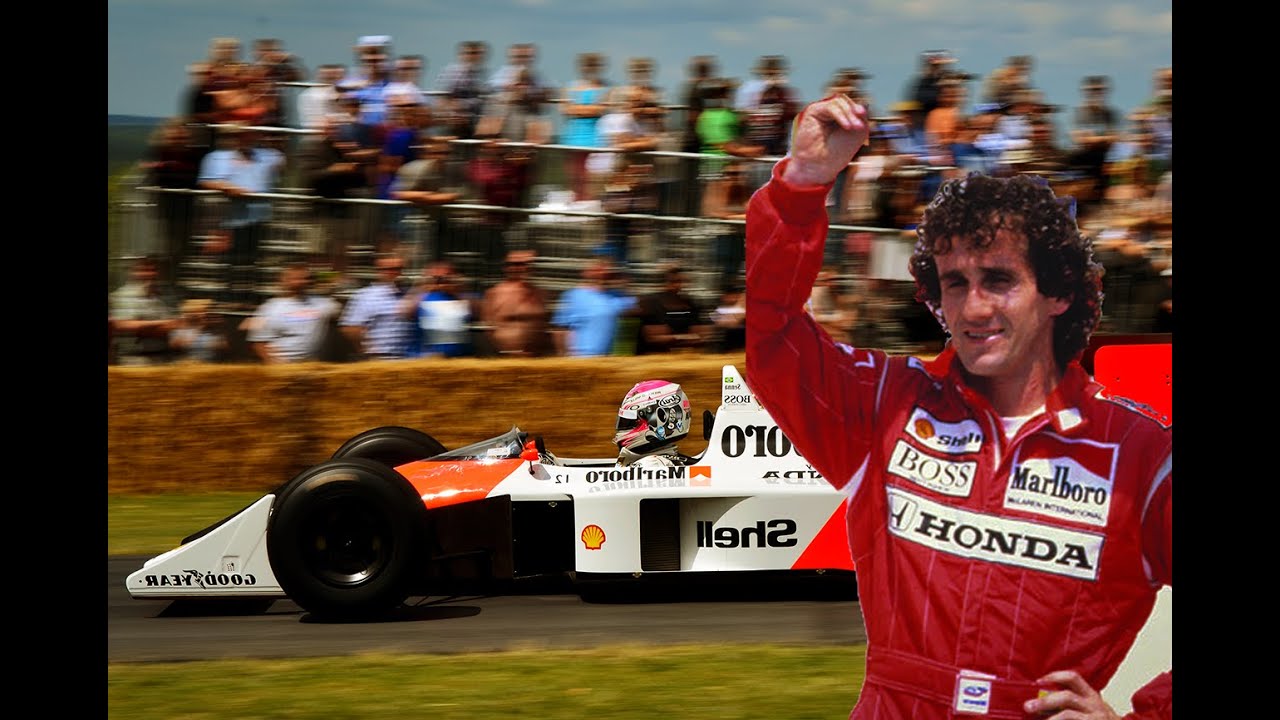
| 1989 | McLaren | MP4/5-Honda | 7 | 11 | 76 | Champion |
| 1993 | Williams | FW15C-Renault | 7 | 12 | 99 | Champion |
The arrival of Ayrton Senna at McLaren in 1988 created arguably the most intense and famous teammate rivalry in sports history. The internal battle culminated in the controversial 1989 Japanese Grand Prix at Suzuka, where a collision between the two McLaren drivers resulted in Prost securing his third world title after Senna was disqualifed. This fierce competition forced technical innovations and psychological endurance limits that elevated both drivers to legendary status, fundamentally reshaping the competitive landscape of modern Formula One.
Technical Philosophy and "The Professor" Persona
Prost earned the nickname "The Professor" because he treated Grand Prix racing as an intellectual chess match rather than a pure sprint. While contemporaries like Senna and Nigel Mansell often relied on blinding absolute speed and sensory aggression, Prost focused on mechanical sympathy, fuel consumption management, tire preservation, and setup precision. He understood that a car nursing its brakes and tires in the final ten laps of a Grand Prix was worth significantly more than one that dominated the opening stint only to experience component failure or severe degradation.
This analytical approach manifested in how Prost provided feedback to race engineers. Rather than demanding raw horsepower or erratic handling adjustments, he isolated specific vehicle dynamics, suspension geometry responses, and aerodynamic balance characteristics. This methodology ensured that his race cars were invariably optimized for race distance rather than one-off qualifying laps. Consequently, Prost held the all-time record for Grand Prix victories (51) for nearly a decade after his retirement, a testament to the enduring effectiveness of his calculated strategy.
| Career Metric | Statistic | Notable Context / Record |
|---|---|---|
| Grand Prix Starts | 199 | Competed from 1980 to 1993 |
| Grand Prix Wins | 51 | Held the all-time record until surpassed in 2001 |
| Pole Positions | 33 | Demonstrated consistent qualifying speed |
| Fastest Laps | 41 | Highlighted sustained race-pace efficiency |
| World Championships | 4 | Secured in 1985, 1986, 1989, and 1993 |
Ferrari, Sabbatical, and the Williams Grand Finale
Following the intense political and psychological strain of his final years at McLaren, Prost moved to Scuderia Ferrari for the 1990 season. Driving the Ferrari 641, he mounted a fierce championship challenge against his former rival Ayrton Senna, winning five races and taking the title fight down to the penultimate race in Suzuka, where another controversial collision with Senna ended Prost's championship hopes. His second year with Ferrari, however, was marred by a declining car competitiveness, leading to an acrimonious public dismissal after Prost criticized the car's handling performance, prompting a year-long sabbatical in 1992.
Prost returned to the grid in 1993 with the dominant Williams-Renault team, piloting the technologically advanced Williams FW15C, which featured active suspension and advanced traction control. Demonstrating that he had lost none of his race craft during his absence, Prost dominated the season, securing seven victories and sealing his fourth and final World Drivers' Championship. Choosing to retire on top rather than face an incoming influx of regulation changes and the impending arrival of Senna at Williams as a teammate, Prost walked away from Formula One as a four-time champion, leaving an unmatched blueprint for sustained excellence.
Post-Retirement Ownership and Executive Legacy
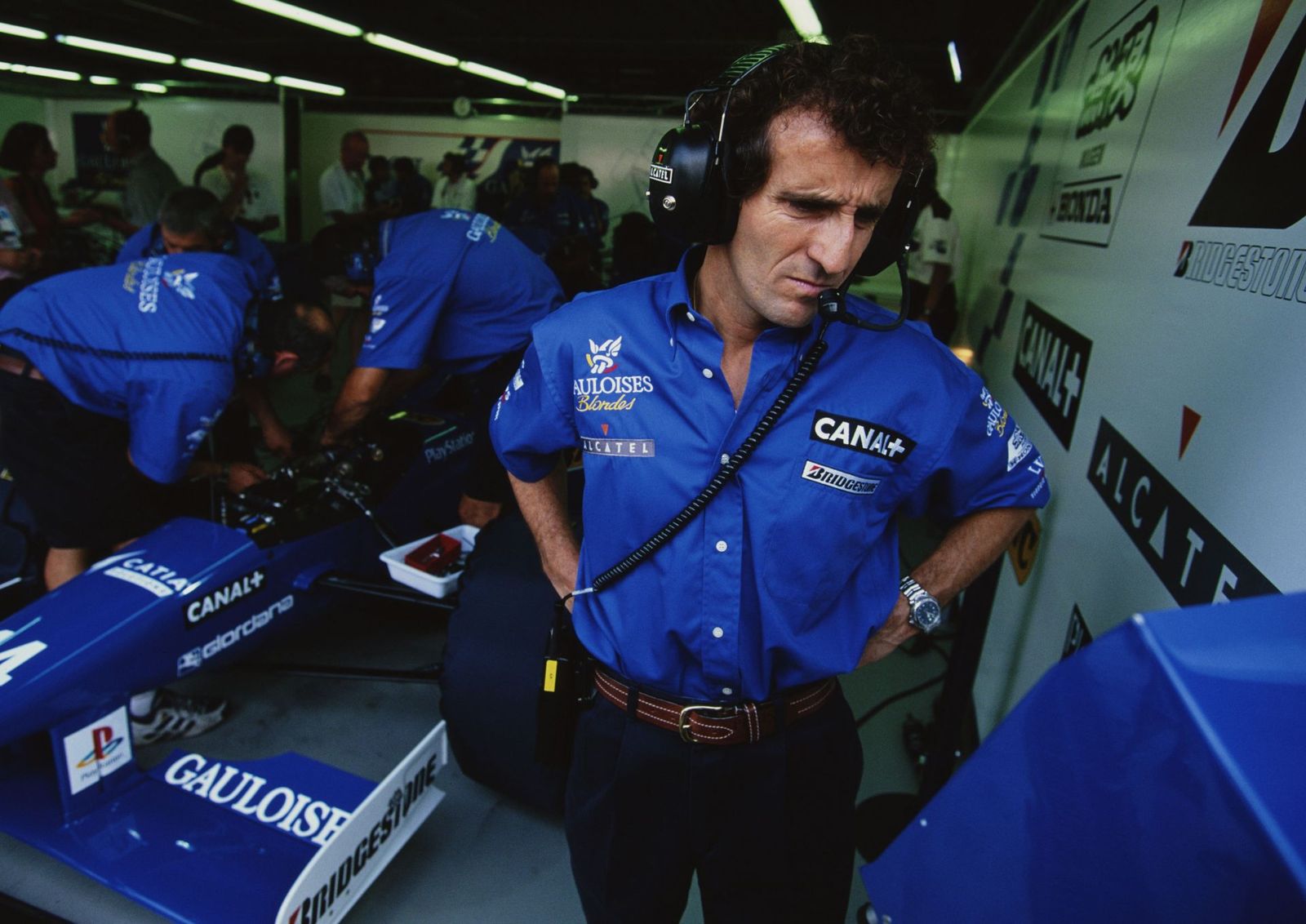
Following his permanent retirement from the cockpit, Alain Prost remained deeply embedded in motorsport through team ownership and executive advisory roles. In 1997, he purchased the failing Ligier Formula One team, rebranding it as Prost Grand Prix. Despite securing financial backing from major French industrial partners like Peugeot and Gauloises, the team struggled with severe budgetary constraints, reliability issues, and political complications, ultimately entering liquidation in 2002. Although the team ownership venture proved financially and operationally challenging, it demonstrated Prost's ongoing commitment to fostering French motorsport talent.
Later in life, Prost transitioned into advisory and ambassadorial roles, notably serving as a non-executive director for the Renault F1 team (subsequently rebranded as Alpine F1 Team) through its modern iteration. In this capacity, he provided strategic guidance to team leadership, driver development programs, and technical engineers, helping bridge the gap between historic racing success and contemporary operational management. His enduring presence in the paddock underscores his status as an institutional pillar of the sport.
Frequently Asked Questions About Alain Prost
How many Formula One World Championships did Alain Prost win?
Alain Prost won four Formula One World Drivers' Championships. He secured titles in 1985 and 1986 with McLaren, added a third title in 1989 also with McLaren, and captured his fourth and final championship in 1993 driving for the Williams team.
Why was Alain Prost called "The Professor"?
Prost earned the nickname "The Professor" due to his cerebral, analytical approach to driving and race strategy. Rather than relying purely on aggressive speed, he prioritized mechanical sympathy, fuel conservation, tire management, and precise setup work, treating Grand Prix racing as an intellectual discipline.
What was the nature of the rivalry between Alain Prost and Ayrton Senna?
The rivalry between Prost and Senna is widely regarded as the most intense teammate rivalry in sports history. They raced together at McLaren in 1988 and 1989, engaging in fierce on-track battles, psychological warfare, and high-profile controversies, most notably their championship-deciding collisions at the Japanese Grands Prix in 1989 and 1990.
Which constructors did Alain Prost drive for during his career?
Prost competed for four primary constructors during his Formula One career: McLaren (1980, 1984–1989), Renault (1981–1983), Ferrari (1990–1991), and Williams (1993). Across these teams, he accumulated 51 Grand Prix victories and 106 podium finishes.
When did Alain Prost retire from Formula One?
Alain Prost retired from Formula One at the conclusion of the 1993 season after securing his fourth world championship with Williams. He briefly returned to the sport as a team owner of Prost Grand Prix from 1997 to 2002 and later served in management roles for Renault and Alpine.
Strategic Legacy and Practical Evaluation for Modern Motorsport
Evaluating Alain Prost requires examining how his technical philosophy shaped modern race engineering. Modern Formula One teams rely heavily on telemetry, fuel management algorithms, and tire preservation strategies—principles that Prost championed decades before advanced data analytics became ubiquitous. Aspiring racing drivers and engineers studying his career observe that sustained success depends equally on technical feedback quality and psychological resilience. For researchers, historians, and fans examining elite motorsport performance, Prost's career remains the definitive benchmark for intellectual mastery over physical machinery.