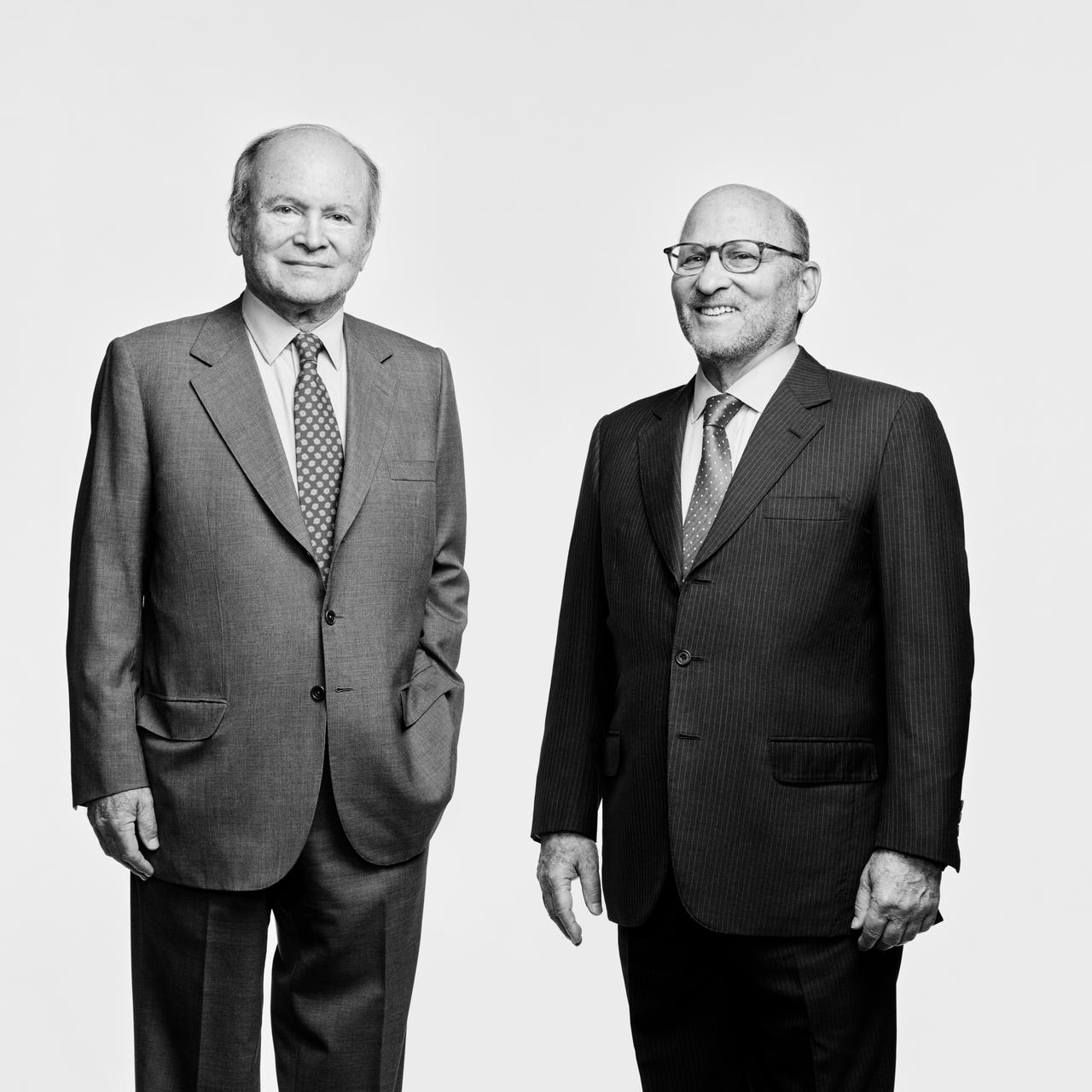
Alain and Gerard Wertheimer are the French billionaire brothers who own and control the legendary fashion house Chanel. Their combined net worth places them among the wealthiest individuals globally, anchored by a multi-generational legacy in luxury goods, fine wine, and thoroughbred horse racing. Rather than seeking public attention, the Wertheimer brothers maintain a fiercely private operational philosophy, continuing the family's century-old partnership with the iconic French brand.
The Origins of the Wertheimer Legacy and the House of Chanel
The foundational wealth of Alain and Gerard Wertheimer traces back to their grandfather, Pierre Wertheimer, who entered a fateful business partnership with Gabrielle "Coco" Chanel in 1924. Pierre Wertheimer provided the financial backing, manufacturing infrastructure, and distribution network necessary to scale Chanel No. 5 beyond a boutique perfume into a global commercial phenomenon. In exchange, Coco Chanel received a ten percent stake in the enterprise, while the Wertheimer family held a controlling seventy percent interest.
This early corporate structure weathered immense geopolitical turmoil, including the complexities of World War II and subsequent ownership renegotiations in the 1950s. Over the decades, the family consolidated its ownership, culminating in total private control of the House of Chanel. Today, Alain and Gerard represent the third generation of Wertheimers to steer the empire. Their grandfather's foundational agreement set a precedent for long-term stewardship, prioritizing private equity, institutional independence, and creative autonomy for the brand's designers over public market pressures.
Understanding the Net Worth and Wealth Composition of Alain and Gerard Wertheimer
Evaluating the net worth of Alain and Gerard Wertheimer requires examining private corporate holdings rather than publicly traded portfolios. Chanel operates as a privately held UK-registered entity, Wertheimer et Frère, which consistently generates tens of billions of dollars in annual global revenue. Because the brothers split the ownership of this privately held luxury titan, their respective personal fortunes fluctuate alongside shifts in the global luxury goods sector, real estate valuations, and macroeconomic consumer spending trends.
Financial analysts estimate that the bulk of their combined tens of billions in net worth stems directly from Chanel's haute couture, ready-to-wear, leather goods, jewelry, and fragrance divisions. Unlike many contemporary luxury conglomerates that rely on multi-brand portfolios, Chanel remains the primary engine of the Wertheimer family fortune. Their wealth is further diversified through substantial agricultural real estate, including world-renowned vineyards in France, and elite thoroughbred racing stables, but the luxury fashion house remains the definitive cornerstone of their financial stature.
Corporate Governance and Private Operational Strategy
The operational philosophy of Alain and Gerard Wertheimer is defined by an absolute commitment to privacy and independent governance. Alain Wertheimer serves as the chairman of Chanel, overseeing the high-level business strategy, while Gerard Wertheimer manages the watchmaking division from his residence in Switzerland. Despite their executive positions, the brothers rarely grant media interviews and maintain an understated presence that contrasts sharply with the flamboyant publicity common in the modern luxury sector.
This deliberate distance from the public eye allows the company to execute multi-year strategic plans without the short-term earnings pressure faced by publicly traded luxury groups like LVMH or Kering. By retaining 100 percent private ownership, the Wertheimers can absorb economic downturns, invest heavily in artisanal supply chains, and protect the exclusivity of Chanel's retail distribution model. Their governance style underscores a generational view of capital allocation, where brand equity and historical prestige supersede quarterly profit maximization.
Diversification Beyond Fashion: Vineyards and Thoroughbred Racing
While Chanel forms the bedrock of the Wertheimer portfolio, Alain and Gerard have actively managed and expanded a diverse array of legacy assets inherited from their father, Jacques Wertheimer, and grandfather, Pierre. Their holdings extend significantly into French agriculture and elite sports, reflecting traditional markers of European dynastic wealth.
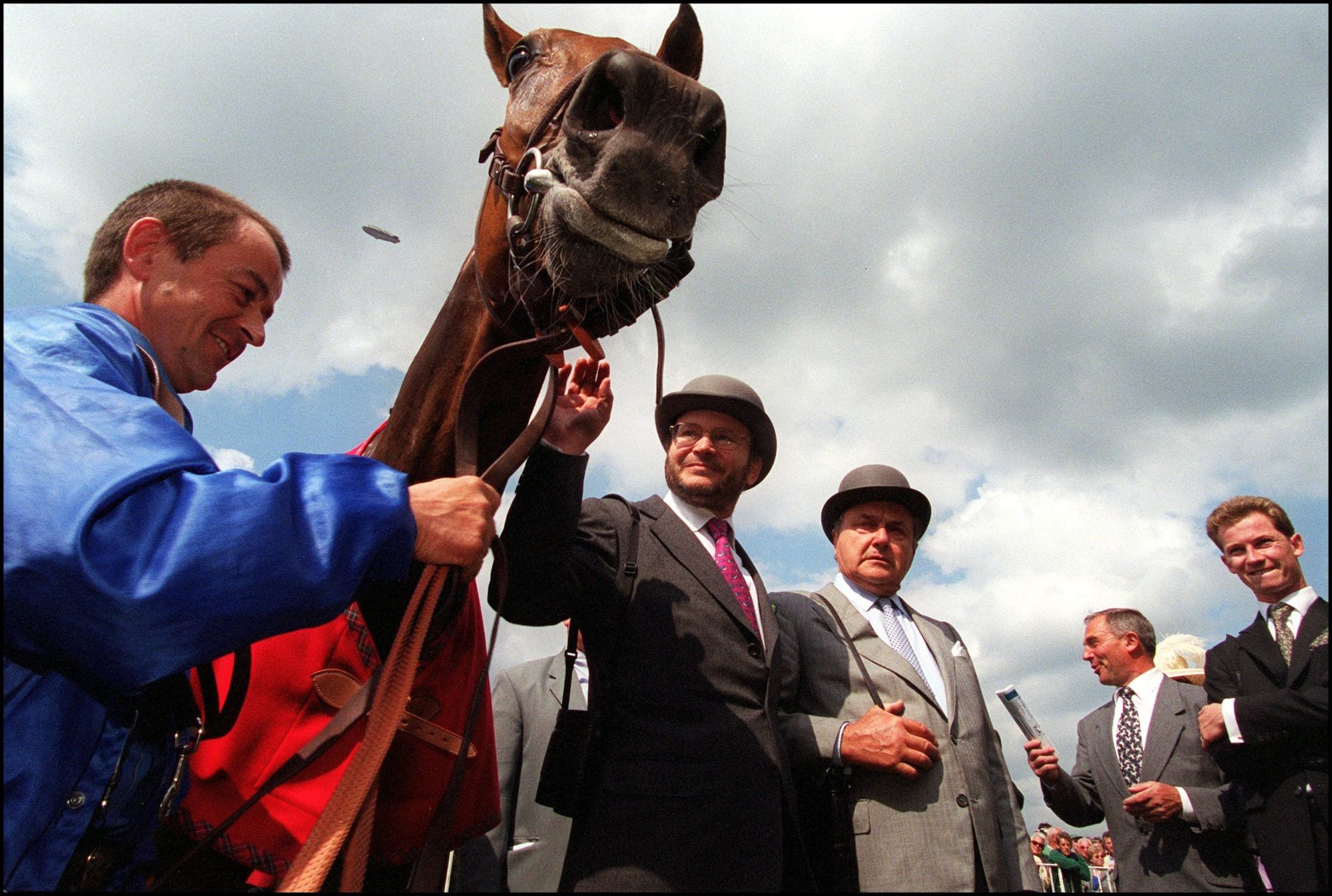
- Thoroughbred Horse Racing: The brothers own and operate Wertheimer et Frère, a premier horse breeding and racing stable. They inherited historic breeding operations such as the Haras de Saint-Pair-du-Mont and have campaigned numerous Group 1 winners across European tracks.
- Viticulture and Vineyards: The family possesses prestigious wine estates in France, including Château Rauzan-Gassies in Margaux and Château Canon in Saint-Émilion. These properties produce high-end Bordeaux wines, aligning with their luxury-sector expertise.
- Global Real Estate: Their private asset management includes significant residential and commercial real estate holdings distributed across France, the United States, and Switzerland.
| Asset Category | Primary Holding / Entity | Sector / Focus | Ownership Nature |
|---|---|---|---|
| Luxury Fashion | Chanel Limited | Haute couture, cosmetics, fragrance | 100% Private Family Control |
| Equine Sports | Wertheimer et Frère | Thoroughbred breeding and racing | Direct Family Ownership |
| Viticulture | Château Canon & Rauzan-Gassies | Premium Bordeaux wine production | Direct Agricultural Holdings |
| Real Estate | International Portfolios | Residential and commercial assets | Private Holdings |
Navigating Modern Luxury: Challenges and Market Adaptation
Maintaining a multi-generational luxury legacy in the twenty-first century requires balancing heritage preservation with digital adaptation. Under the watch of Alain and Gerard Wertheimer, Chanel has navigated significant shifts in consumer behavior, including the explosive growth of e-commerce, the rise of Asian luxury markets, and evolving sustainability standards across global supply chains. The brothers have overseen substantial investments in green chemistry, eco-friendly packaging, and the acquisition of specialized artisanal workshops—known as metiers d'art—to secure the craftsmanship essential to Chanel's market position.
Furthermore, the leadership has successfully managed leadership transitions within the design studio, most notably following the tenure of Karl Lagerfeld. By empowering creative directors while maintaining strict quality controls, the Wertheimers have insulated the brand from creative volatility. Their strategic decisions reflect a modern adaptation of traditional wealth preservation, ensuring that the operational infrastructure remains robust against geopolitical shifts, currency fluctuations, and changing consumer demographics.
Frequently Asked Questions
Who owns the House of Chanel today?
The House of Chanel is privately owned by French billionaire brothers Alain and Gerard Wertheimer. They are the grandsons of Pierre Wertheimer, who co-founded the company alongside Coco Chanel in 1924, and they maintain complete private control of the global luxury enterprise.
How did Alain and Gerard Wertheimer accumulate their wealth?
Their wealth is primarily inherited from their grandfather and father, built upon a century-long controlling stake in Chanel. Additional wealth is generated through private equity, world-class Bordeaux vineyards, and elite thoroughbred horse racing operations.
Are Alain and Gerard Wertheimer involved in the day-to-day operations of Chanel?
Yes, Alain Wertheimer serves as the chairman of Chanel and oversees broad corporate strategy, while Gerard Wertheimer manages the watchmaking division. Despite their executive roles, they maintain a notoriously private profile and avoid the public spotlight.
Is Chanel a publicly traded company?
No, Chanel is a privately held company. It does not issue public stock, which allows the Wertheimer family to maintain absolute operational independence, prioritize long-term brand equity, and execute strategic decisions without public shareholder pressure.
What are the Wertheimer family's major business interests outside of fashion?
Beyond the fashion and fragrance house, the brothers own the elite thoroughbred racing stable Wertheimer et Frère, prestigious Bordeaux wine estates including Château Canon, and an extensive international portfolio of real estate holdings.
Strategic Succession and the Future of the Chanel Dynasty
As family-owned business dynasties evolve, questions of generational succession and corporate longevity remain critical. Alain and Gerard Wertheimer have structured their enterprise to ensure stability across future transitions, utilizing private holding structures that protect the integrity of the Chanel brand. Their legacy demonstrates how multi-generational wealth can be successfully preserved not through public market expansion, but through rigorous asset consolidation, operational independence, and an uncompromising dedication to product craftsmanship. For observers of global commerce, the Wertheimer brothers remain the definitive archetype of quiet, enduring luxury stewardship.