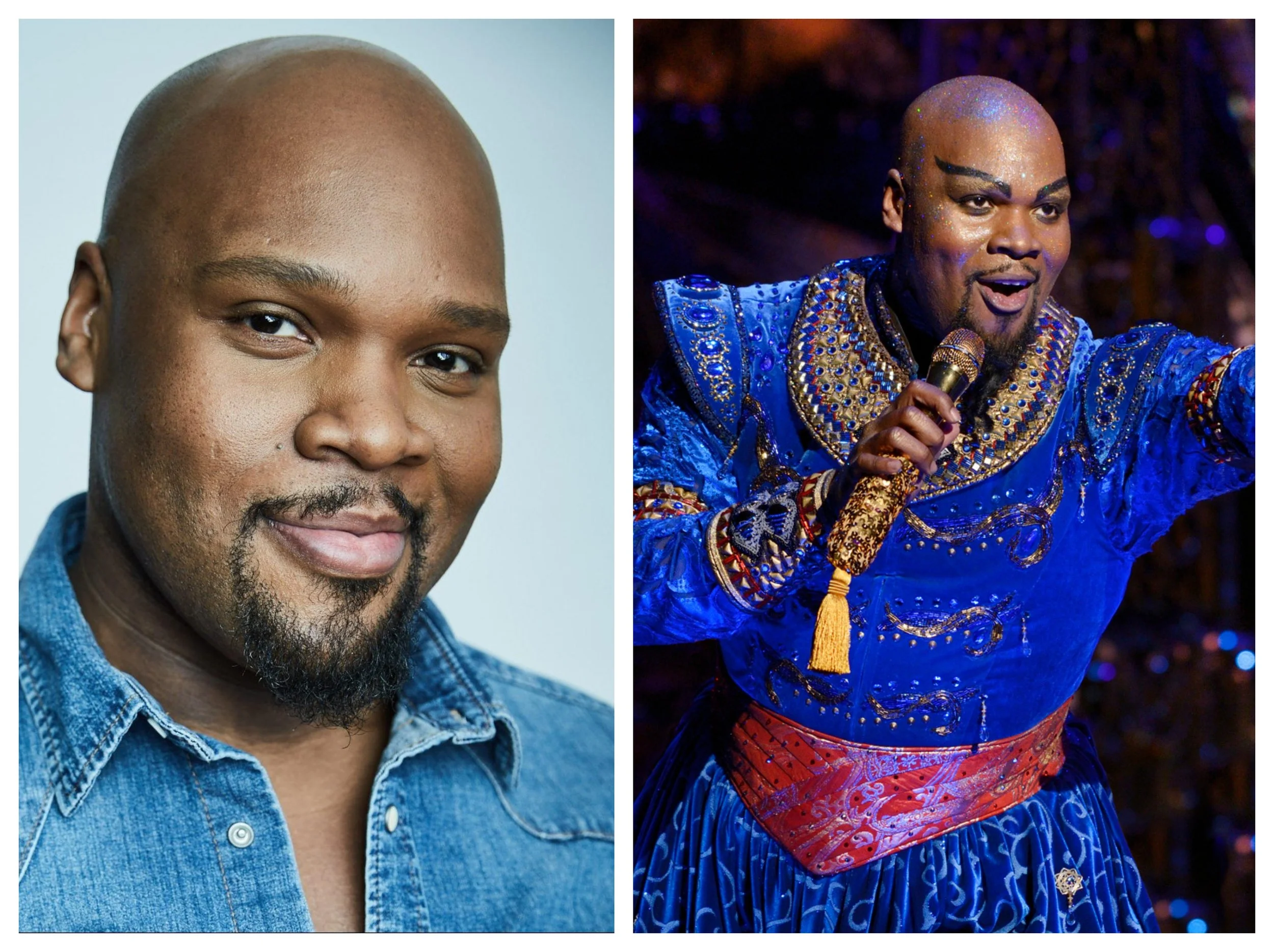
Disney’s theatrical adaptation of Aladdin transformed the animated classic into a vibrant, high-energy Broadway spectacle that has entertained millions since its premiere at the New Amsterdam Theatre. Understanding the foundational lineup of the original Broadway company, alongside the trajectory of its primary replacements and structural production facts, provides essential context for anyone studying modern musical theater history or tracking the evolution of this long-running hit.
Origins, Production History, and Creative Foundations
The path of Aladdin from a 1992 animated motion picture to a theatrical powerhouse involved extensive workshops, regional tryouts, and substantial creative recalibration. Directed and choreographed by Casey Nicholaw, with a book by Chad Beguelin, music by Alan Menken, and lyrics by Howard Ashman, Tim Rice, and Beguelin, the stage version reclaimed discarded musical numbers from the original film sessions while integrating entirely new songs tailored for the live stage. The production officially opened on Broadway on March 20, 2014, following previews that began on February 26, 2014, establishing the New Amsterdam Theatre as its permanent home.
The physical production relied heavily on theatrical illusions, elaborate stagecraft, and lavish costume design by Gregg Barnes. Bob Crowley’s scenic design and Natasha Katz’s lighting design created a dynamic visual vocabulary that separated the gritty streets of Agrabah from the glittering, jewel-toned expanse of the Cave of Wonders. Unlike standard jukebox revues, Aladdin positioned itself as a grand-scale Broadway book musical, blending vaudeville-inspired comedic numbers with sweeping romantic ballads. Critical reception during its opening season praised its technical wizardry and comedic timing, particularly highlighting the seamless integration of classic cinematic numbers like "A Whole New World" with expansive new production numbers such as "Friend Like Me."
The Original 2014 Broadway Principal Cast
The original principal company established the vocal archetypes, comedic rhythms, and character dynamics that subsequent actors would inherit. Adam Jacobs anchored the production in the title role, bringing athletic stage presence and a soaring tenor to the street rat turned prince. Opposite him, Courtney Reed originated the role of Princess Jasmine, balancing regal independence with emotional vulnerability. James Monroe Iglehart delivered a Tony Award-winning performance as the Genie, infusing the character with rapid-fire impersonations, immense vocal stamina, and infectious theatrical energy.
Supporting roles were filled by seasoned Broadway veterans who grounded the fantastical narrative in sharp comedic and dramatic choices. Jonathan Freeman reprised his villainous vocal work from the animated film by stepping into the physical role of Jafar, bringing chilling gravitas to the Grand Vizier. Don Darryl Rivera originated Iago, Jafar’s diminutive and sarcastic sidekick, while Clifton Davis portrayed the warm-natured Sultan. The narrative's comedic engine was further driven by Aladdin’s loyal companions—Babkak, Omar, and Kassim—originated by Brian Gonzales, Corey Cott, and Major Attaway (who initially served as an understudy before taking on major roles), and later refined by original principals Steele Burridge, Jonathan Schwartz, and Merwin Foard during early workshop phases, with the official opening trio solidified as Brian Gonzales, Jon Rua, and Steel Burridge in various supporting capacities.
Principal Replacements and Sustaining the Run
As long-running Broadway productions continue through years of performances, principal cast rotations are inevitable. These replacements must honor the established staging while bringing distinct vocal and comedic interpretations to the characters. Over the years, the role of Aladdin has been inhabited by numerous notable performers, including Telly Leung, Ari Smellie, Jacob Dickey, and Michael Maliakel, each emphasizing different facets of the character's charm, youthful ambition, and vocal agility.
Similarly, the role of the Genie has seen legendary successors step into the magic lamp. Major Attaway transitioned from understudy to principal Genie, anchoring the production for extended runs with his own brand of high-octane comedy. Michael James Scott, who originated the role in the Australian and West End productions, also took over the Broadway mantle, bringing a distinct theatrical flair shaped by international iterations of the show. Princess Jasmine has likewise been reinterpreted by talented successors such as Arielle Jacobs and Isabela Merced, who maintained the character's fierce independence while exploring new vocal dimensions in duets like "A Whole New World."
Key Production Facts and Creative Milestones
Aladdin stands as one of the most commercially successful and enduring titles of the 21st-century Broadway landscape. Beyond its initial Tony Awards—including James Monroe Iglehart’s win for Best Featured Actor in a Musical and multiple nominations for costume design and choreography—the production has achieved significant longevity metrics.
| Production Milestone / Fact | Detail |
|---|---|
| Opening Date | March 20, 2014 (Previews began February 26, 2014) |
| Theater | New Amsterdam Theatre (The Walt Disney Company / Disney Theatrical Group) |
| Key Creators | Alan Menken (Music), Howard Ashman, Tim Rice, Chad Beguelin (Lyrics), Chad Beguelin (Book), Casey Nicholaw (Director/Choreographer) |
| Original Genie | James Monroe Iglehart (Tony Award Winner) |
| Original Aladdin & Jasmine | Adam Jacobs and Courtney Reed |
| Notable Musical Additions | "Proud of Your Boy," "Babkak, Omar, Aladdin, Kassim," "These Palace Walls" |
The production's commercial footprint extends far beyond New York City. International productions opened in London's West End, Hamburg, Tokyo, and Sydney, alongside North American national tours that replicated the Broadway staging's intricate design elements and mechanical flying carpets. The show's financial viability relies heavily on its broad demographic appeal, combining nostalgic adult interest with family-friendly matinee attendance.
Frequently Asked Questions
Who was the original Broadway cast of Aladdin in 2014?
The original principal cast was led by Adam Jacobs as Aladdin, Courtney Reed as Princess Jasmine, James Monroe Iglehart as the Genie, and Jonathan Freeman as Jafar. They were supported by Clifton Davis as the Sultan, Don Darryl Rivera as Iago, Brian Gonzales as Babkak, Brandon O'Neill as Kassim, and Jonathan Schwartz as Omar.
Who won a Tony Award for the original Broadway production of Aladdin?
James Monroe Iglehart won the 2014 Tony Award for Best Featured Actor in a Musical for his standout performance as the Genie. The production also received Tony nominations for Best Choreography, Best Costume Design, and Best Original Score.
How long did Adam Jacobs play Aladdin on Broadway?
Adam Jacobs originated the title role and played it through February 2017, after which he transferred to the North American tour and later originated the role in the Australian production of the musical in Sydney.
What notable songs were added to the Broadway version of Aladdin?
The stage adaptation restored "Proud of Your Boy," a song cut from the 1992 animated film, and introduced several new numbers written specifically for the stage, including "Babkak, Omar, Aladdin, Kassim," "These Palace Walls," and "Diamond in the Rough."
Which actors have played the Genie on Broadway after James Monroe Iglehart?
Following James Monroe Iglehart's departure, the role of the Genie has been played by several major performers, most notably Major Attaway and Michael James Scott, both of whom brought acclaimed comedic timing and distinct vocal stylings to the character.
Practical Next Actions and Production Access
For theatergoers, industry professionals, and researchers seeking to engage with Aladdin on Broadway, securing verified ticketing and production materials requires utilizing official channels. Tickets should be purchased directly through the official Disney Theatrical Productions portal or the authorized box office at the New Amsterdam Theatre to avoid inflated secondary-market fees and counterfeit passes. Visitors interested in the technical execution of the show should review published souvenir programs and cast recording liner notes for detailed credits regarding swing performers, understudies, and creative team associates who ensure the eight-shows-a-week operation runs seamlessly.