Alabama boasts a remarkably diverse ecosystem that supports over 50 distinct species and subspecies of snakes, ranging from harmless garden dwellers to heavily venomous pit vipers. Understanding how to properly identify these reptiles, recognizing their preferred habitats, and knowing how to respond during an encounter are essential skills for anyone living in or visiting the state.
Understanding Alabama’s Diverse Herpetofauna
The state of Alabama spans multiple physiographic regions, including the Appalachian Plateau, the Ridge and Valley province, the Piedmont, the Coastal Plain, and the Gulf Coast. This varied terrain—featuring dense deciduous forests, swampy river bottoms, sandy coastal dunes, and agricultural fields—creates microhabitats that foster exceptional reptile biodiversity. Out of the more than 50 snake species inhabiting Alabama, the vast majority are completely non-venomous and play a vital role in local food webs by controlling populations of rodents, amphibians, and insects.
Ecologically, snakes act as both predators and prey. Non-venomous species like rat snakes and racers help keep agricultural pest populations in check, while venomous species like copperheads and cottonmouths maintain the balance of small mammal and aquatic life. Despite persistent myths, snakes are generally shy, secretive animals that prefer to avoid human contact. When an encounter occurs, it is almost always the result of a human accidentally stepping too close to a resting or foraging animal, or cornering it inadvertently.
Venomous Species of Alabama
While most snakes in Alabama pose no threat to humans, the state is home to six officially recognized venomous species. Five of these belong to the viper family (Viperidae), characterized by heat-sensing facial pits between the eye and nostril, elliptical pupils, and broad, triangular heads. The sixth venomous species is the eastern coral snake, which belongs to the elapid family.
| Common Name | Scientific Name | General Habitat | Key Identification Features |
|---|---|---|---|
| Eastern Copperhead | Agkistrodon contortrix | Mixed woodlands, rocky hillsides, suburban edges | Hourglass-shaped crossbands; pale tan to reddish-brown coloration. |
| Cottonmouth (Water Moccasin) | Agkistrodon piscivorus | Swamps, slow-moving streams, marshes, lakes | Blocky, dark head; white interior of the mouth displayed when threatened; heavy-bodied. |
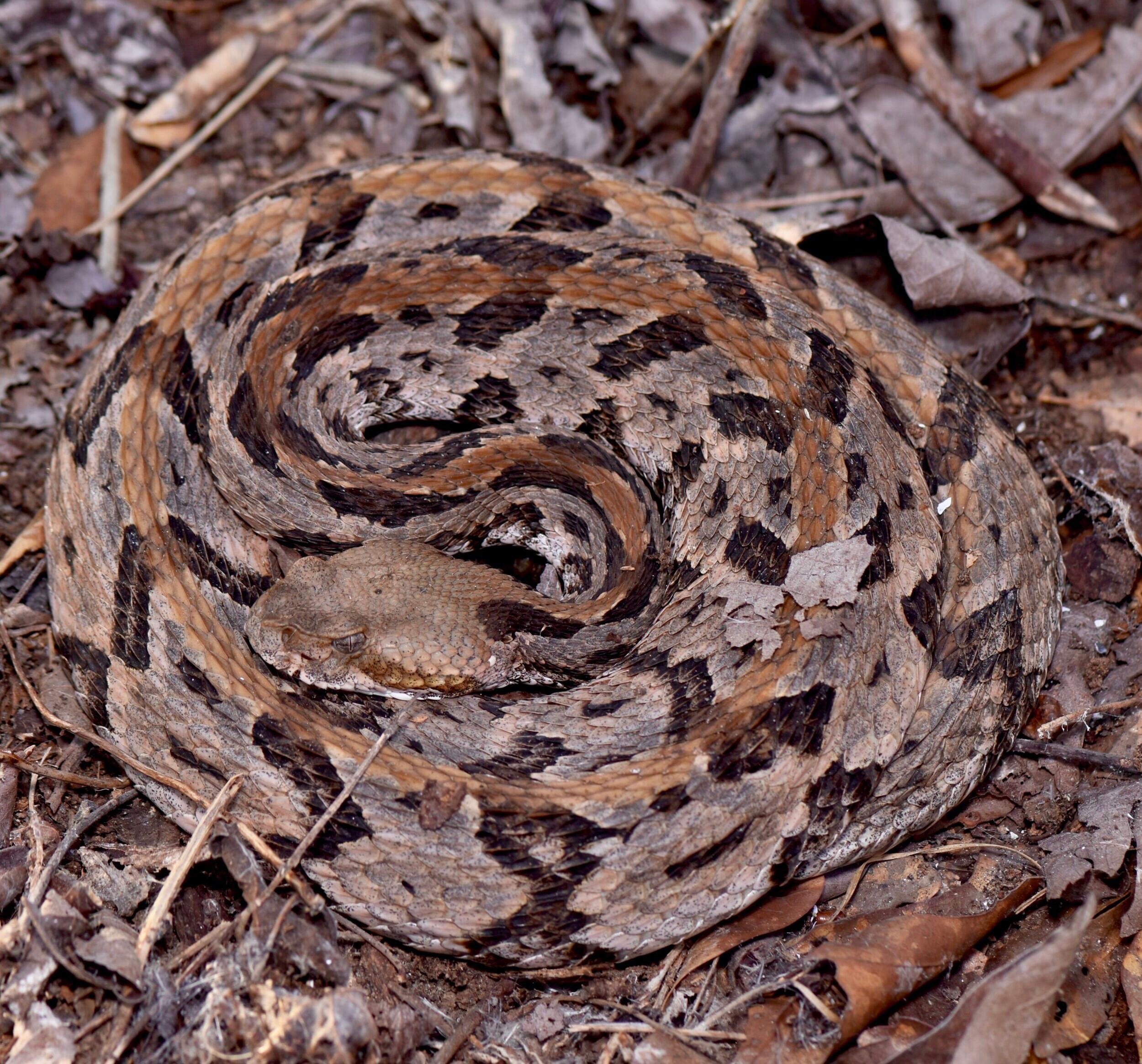
| Timber Rattlesnake | Crotalus horridus | Mature forests, rugged terrain, limestone outcroppings | Dark chevron-shaped bands; rattle on tail; tannish-gray base color with a dark dorsal stripe. |
| Eastern Diamondback Rattlesnake | Crotalus adamanteus | Pine flatwoods, sandy coastal areas, dry palmetto thickets | Large size; distinctive dark diamond-shaped patterns edged with yellowish scales. |
| Pygmy Rattlesnake | Sistrurus miliarius | Damp flatwoods, floodplains, scrub habitats | Very small size; tiny, barely audible rattle; dark spots along the back and sides. |
| Eastern Coral Snake | Micrurus fulvius | Pine woods, sandy soils, under logs and leaf litter | Bright red, yellow, and black rings with red touching yellow ("Red on yellow, kill a fellow"). |
Recognizing these specific venomous snakes helps dispel panic and ensures that homeowners can take targeted safety measures. For instance, copperheads are frequently encountered in suburban yards that back up to wooded areas, whereas cottonmouths are almost exclusively tied to aquatic environments across the central and southern parts of the state.
Common Non-Venomous Snakes in Residential Areas
Homeowners in Alabama frequently cross paths with non-venomous species that occasionally wander into yards, gardens, or garages. Familiarity with these harmless neighbors prevents unnecessary harm to beneficial wildlife and reduces homeowner anxiety.
The central rat snake (Panthera alleghaniensis), often called the chicken snake, is one of the most common large snakes in the state. Highly adaptable, they are exceptional climbers capable of scaling brick walls and mature trees in search of rodents and bird eggs. Garter snakes (Thamnophis sirtalis) and ribbon snakes (Thamnophis saurita) are frequently found near backyard ponds and damp lawns, recognized by their prominent longitudinal stripes.
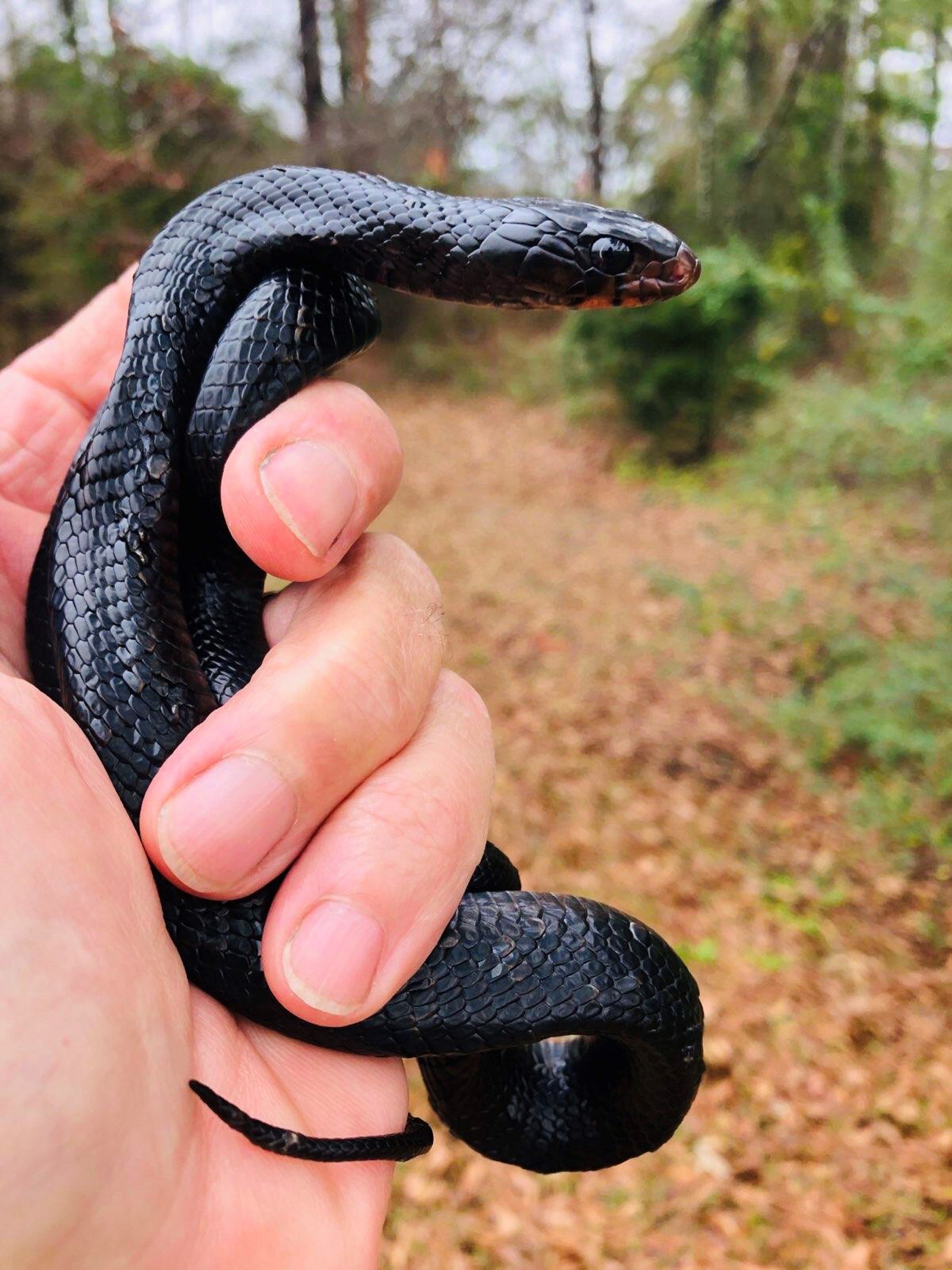
Other frequent visitors include the black racer (Coluber constrictor), a fast-moving, slender black snake with large eyes that actively hunts during daylight hours, and the harmless eastern hognose snake (Heterodon platirhinos), famous for its dramatic defensive displays that include flattening its neck, hissing loudly, and playing dead if intimidation fails. None of these species possess venom dangerous to humans, and all contribute positively to local environmental health.
Habitat Preferences and Geographic Distribution
Snake distribution across Alabama is heavily influenced by geography and climate. In the northern mountainous regions, rocky outcrops and dense hardwood forests provide ideal conditions for timber rattlesnakes and copperheads. These environments offer numerous crevices and caves where snakes can brumate (the reptile equivalent of hibernation) during the colder winter months.
Moving southward into the Coastal Plain, the landscape flattens into vast pine flatwoods, cypress swamps, and agricultural acreage. This region supports high densities of cottonmouths along waterways, while drier sandy ridges provide habitat for eastern diamondback rattlesnakes and eastern coral snakes.
Understanding seasonal behavior is equally important. Snakes are ectothermic, meaning they rely on external environmental temperatures to regulate their body heat. In early spring, snakes emerge from winter refuges and actively bask in open areas like roadways, rock walls, and trail edges to raise their internal temperatures. During the intense heat of midsummer, many species shift toward nocturnal activity patterns or seek cool, moist shelter beneath logs, rocks, and suburban debris piles.
Safety Protocols and Bite Prevention Strategies
Preventing negative encounters with snakes requires a combination of landscape management, mindful outdoor recreation, and proper behavioral habits. The vast majority of snakebites occur when individuals accidentally step on a hidden snake or attempt to capture, handle, or kill one.
- Maintain Clear Yard Perimeters: Keep lawns closely mowed, trim low-hanging tree branches, and clear brush piles, tall grass, and stacked firewood away from the immediate foundation of your home.
- Eliminate Rodent Attractants: Secure outdoor trash cans, store pet food indoors, and clean up fallen bird seed to discourage mice and rats, which naturally draw predatory snakes.
- Practice Mindful Walking: Wear sturdy leather boots and long pants when walking through tall grass, dense brush, or rocky terrain. Always look where you place your hands and feet, and never reach blindly into hollow logs, rock crevices, or dark storage spaces.
- Use Artificial Illumination: Turn on exterior lighting when walking through yards at night, particularly during the warm summer months when copperheads and other species forage after dark.
If you encounter a snake in the wild or on your property, the safest and most effective response is to give the animal space and allow it to move away on its own. Snakes do not view humans as prey and will almost always choose retreat over confrontation if given an open escape route.
What to Do in the Event of a Snakebite
Despite rigorous precautions, snakebites can occasionally occur. Knowing the proper emergency response protocols can prevent severe complications and save lives. First and foremost, if a snakebite occurs, remain calm and move safely away from the animal to prevent a secondary strike.
Do not attempt to capture, kill, or photograph the snake for identification purposes if it puts you at risk of another bite; modern medical treatment for venomous snakebites in North America relies on syndromic evaluation and the administration of specialized antivenom (such as CroFab or Anavip) rather than species-specific antivenom formulations.
- Call 911 Immediately: Transport the victim to the nearest emergency medical facility as quickly as possible.
- Keep the Patient Calm: Restrict movement and keep the bitten limb immobilized at a level roughly even with the heart to slow the spread of venom through the lymphatic system.
- Remove Constrictive Items: Take off rings, watches, bracelets, and tight clothing near the bite site before swelling begins.
- Avoid Dangerous Folk Remedies: Never apply a tourniquet, cut or slash the wound with a blade, attempt to suck out venom with your mouth or a mechanical extraction device, or apply ice and electrical shocks. These outdated methods cause severe tissue damage and worsen clinical outcomes.
Frequently Asked Questions About Alabama Snakes
How can I tell the difference between a venomous and non-venomous snake in Alabama?
While head shape and pupil orientation are reliable biological indicators for pit vipers, relying on them requires close inspection, which increases bite risk. Instead, look at the overall pattern and behavior. Familiarizing yourself with the specific markings of Alabama's six venomous species—such as the hourglass pattern of the copperhead or the rattle of rattlesnakes—is the safest and most reliable identification method.
Are cottonmouths and water snakes the same animal?
No, though they are frequently confused. The cottonmouth (Agkistrodon piscivorus) is venomous and belongs to the pit viper family, whereas common water snakes (Nerodia species) are completely non-venomous. Water snakes tend to be slender with narrower heads, round pupils, and distinct dark banding or blotching, and they will usually flee rapidly or musk when approached, unlike the heavy-bodied, aggressive posturing of a threatened cottonmouth.
What should I do if I find a venomous snake in my yard?
If you discover a venomous snake near your home, maintain a safe distance of at least six feet and keep children and pets indoors. You can gently spray the snake from a distance with a garden hose to encourage it to move away toward a wooded or natural area. Alternatively, contact a local animal control agency or a professional pest control service specializing in live reptile removal.
Do all rattlesnakes always rattle before they strike?
No. Rattlesnakes possess a rattle made of keratin segments on their tail tip, but they do not always sound it before striking. A rattlesnake may remain completely silent if it is startled suddenly, if it has been previously injured, or if it feels cornered without a clear escape route. Always maintain a respectful distance from any potential rattlesnake habitat regardless of whether a rattling sound is heard.
Are snakes protected by state law in Alabama?
Yes. According to regulations enforced by the Alabama Department of Conservation and Natural Resources, all non-venomous native snakes are legally protected and cannot be killed, captured, or kept as pets without appropriate scientific or educational permits. While killing a venomous snake is permitted if it poses an immediate and direct threat to human safety on private property, relocation or avoidance remains the ecologically preferred approach.
Promoting Safe Coexistence with Alabama Wildlife
Managing interactions with Alabama snakes ultimately centers on education, habitat modification, and respectful awareness. By learning to distinguish between dangerous vipers and beneficial non-venomous species, homeowners can protect their families and pets while preserving the ecological balance of the region. Keep properties clear of unnecessary debris, exercise caution in natural environments, and rely on professional medical care immediately in the rare event of a venomous snakebite.