The "Alabama setting" refers to the distinct geographical, cultural, and historical backdrop of Alabama as utilized in literature, film, and regional studies, characterized by its deep Southern heritage, rural landscapes, industrial cities, and complex social dynamics shaped by the American Civil Rights Movement.
Defining the Literary and Cultural Landscape of Alabama
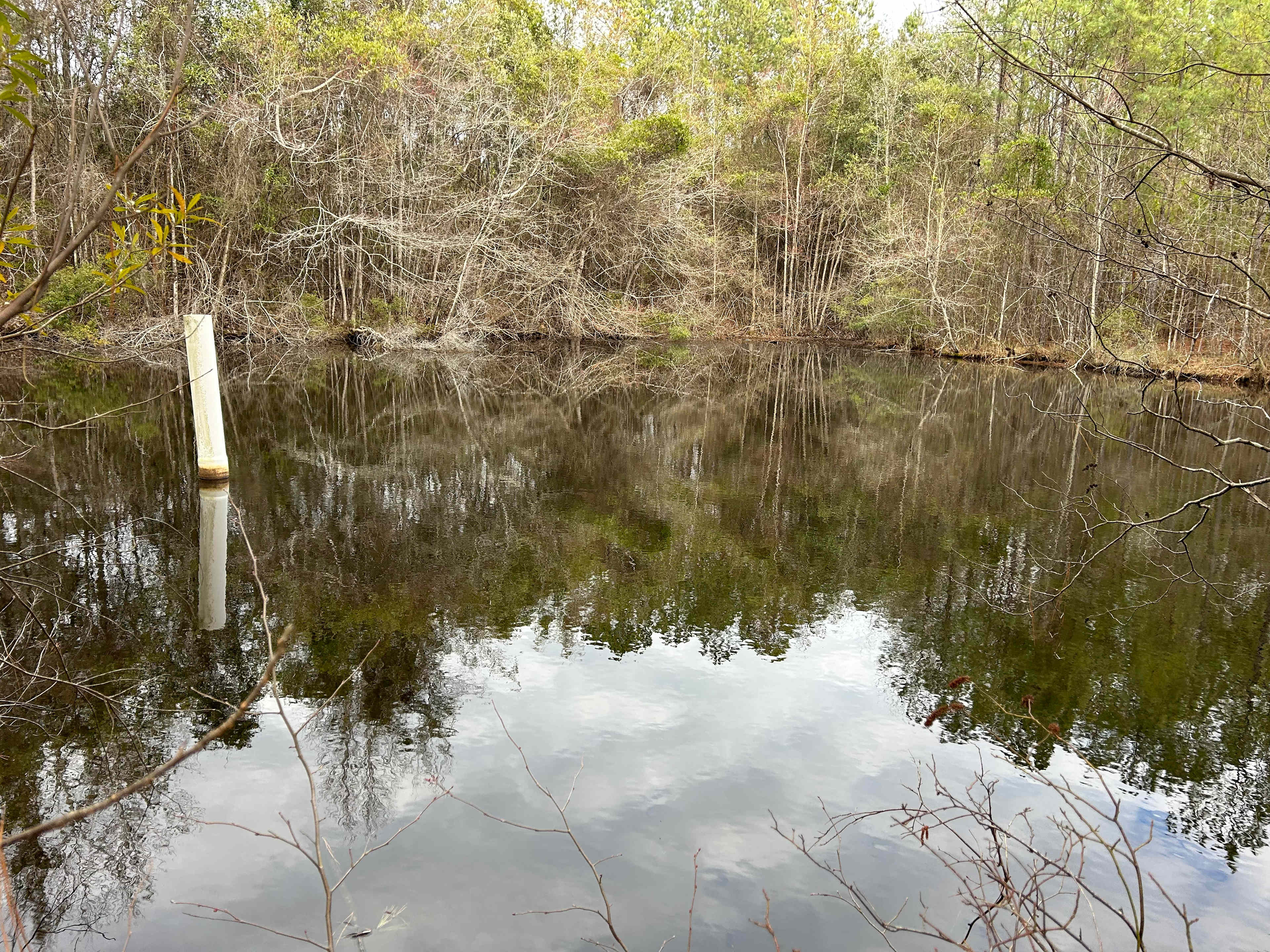
The geographical and cultural environment of Alabama has long served as a fertile ground for storytelling, social commentary, and historical documentation. When writers, filmmakers, and historians utilize an Alabama setting, they are rarely employing a neutral backdrop. Instead, the physical terrain—ranging from the rolling Appalachian foothills in the north to the fertile Black Belt region and the Gulf Coast marshes in the south—intertwines intimately with the thematic concerns of the work. This environment embodies a paradox of profound natural beauty juxtaposed with a turbulent social history.
Writers have traditionally divided the state into distinct sub-regions, each carrying its own cultural shorthand. North Alabama, influenced by the Tennessee Valley, often brings associations of industrial innovation, scientific history, and Appalachian mountain culture. Central Alabama, anchored by Birmingham and Montgomery, frequently invokes themes of urbanization, labor struggles, and the crucible of the Civil Rights Movement. Meanwhile, the Black Belt and the southern tier evoke the lingering echoes of the plantation economy, deeply entrenched agrarian traditions, and tight-knit, insular communities. Recognizing these sub-regional nuances is essential for anyone seeking to understand how the setting actively shapes character development, plot progression, and ideological conflict in regional narratives.
Historical Foundations and Sociopolitical Realities
To fully appreciate why an Alabama setting carries such narrative weight, one must examine the historical forces that forged its society. The state’s history is inextricably bound to the cotton economy, the institution of chattel slavery, the devastation of the Civil War, and the subsequent decades of Jim Crow segregation. These historical layers create an atmosphere where the past is rarely viewed as distant; rather, it remains an active, often oppressive presence in the daily lives of characters and communities.
In mid-20th-century literature and drama, the Alabama setting frequently functions as a microcosm for the broader American South, wrestling with modernization, racial injustice, and traditionalism versus social change. The presence of iconic historical milestones—such as the Montgomery bus boycott, the Selma-to-Montgomery marches, and the Birmingham campaign—infuses the landscape with a sense of moral urgency. Consequently, a narrative set in Alabama almost invariably engages with questions of conscience, community pressure, racial dynamics, and the psychological toll of institutionalized inequality.
Architectural and Environmental Elements of the Locale
The physical structures and natural environment of Alabama provide concrete sensory details that anchor creative works in authenticity. Traditional Southern Gothic architecture—dilapidated antebellum mansions, weathered clapboard farmhouses with wraparound porches, moss-draped live oaks, and stifling, humid summers—plays a functional role in establishing mood. These environmental markers do more than provide local color; they reflect the internal decay, resilience, or stagnation of the characters inhabiting them.
The oppressive summer heat and humidity, frequently emphasized in descriptions of the Alabama setting, serve as a literary device that mirrors rising social tensions and psychological claustrophobia. Characters are often depicted as trapped not only by rigid social hierarchies and familial expectations, but also by an environment that feels heavy and unyielding. Conversely, the open spaces of the rural countryside or the quiet banks of the state's numerous river systems can offer moments of introspection, escape, or spiritual reckoning.
| Region of Alabama | Geographic Characteristics | Primary Cultural Associations | Prominent Thematic Tropes |
|---|---|---|---|
| North Alabama | Appalachian foothills, Tennessee River, limestone valleys | Industrialization, aerospace history, mountain folklore | Progress versus tradition, technological shifts |
| Central Alabama | Rolling hills, urban centers (Birmingham, Montgomery) | Civil Rights history, iron and steel industry, labor unions | Social justice, systemic change, industrial decline |
| The Black Belt | Rich dark soil, rural expanses, historical plantations | Agrarian heritage, historical poverty, deep-rooted kinship | Racial tension, generational trauma, memory |
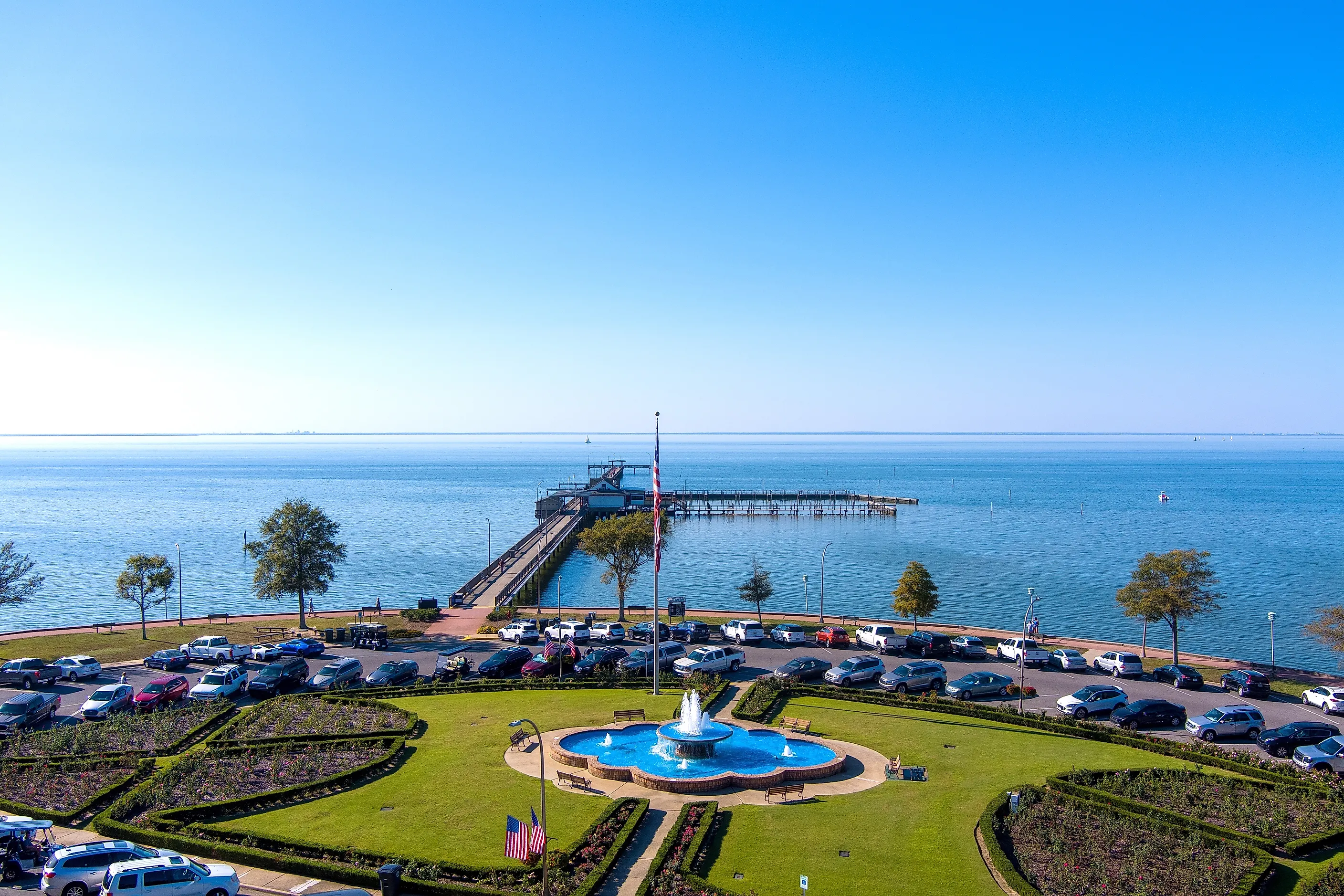
| The Gulf Coast | Coastal marshes, sandy beaches, mobile bayou | Maritime culture, trade history, distinct regional cuisine | Isolation, external influences, natural disasters |
Comparison of Regional Settings in American Literature
| Setting Type | Key Environmental Traits | Dominant Social Themes | Representative Focus |
|---|---|---|---|
| Alabama Setting | Subtropical climate, rural-urban divide, deep historical memory | Race relations, religious conservatism, family duty | Southern Gothic, historical fiction, civil rights drama |
| New England Setting | Rocky coasts, harsh winters, colonial architecture | Puritanical heritage, quiet isolation, internal guilt | Psychological drama, historical introspection |
| Midwestern Setting | Flat plains, agricultural expanses, industrial towns | Work ethic, economic hardship, community conformity | Realism, generational family sagas |
| Pacific Northwest | Dense forests, persistent rain, rugged coastlines | Environmentalism, modern alienation, rugged individualism | Contemporary fiction, nature-focused narratives |
Common Misconceptions Regarding the Alabama Setting
Audiences and creators sometimes reduce the Alabama setting to a monolith of regional stereotypes, overlooking the state's internal diversity and modern realities. A frequent pitfall in external representations is the uncritical reliance on caricature—depicting every locale as uniformly rural, impoverished, or mired in antiquated mindsets. While these elements reflect specific historical and sociological truths, portraying the setting exclusively through this narrow lens ignores the vibrant urban centers, academic institutions, technological hubs, and diverse cultural communities that define the contemporary state.
Another misconception treats the setting as purely picturesque or nostalgic, sanitizing the harsher aspects of its history in favor of romanticized pastoral imagery. Effective use of the Alabama setting requires balancing an appreciation for the warmth of hospitality and rich cultural traditions with an unflinching examination of systemic challenges and historical injustices. Writers and researchers who navigate this duality successfully avoid both cynical exploitation and sentimental escapism, producing nuanced portrayals that respect the complexity of the region.
Navigating Research and Creative Application
For writers, researchers, and educators utilizing or analyzing an Alabama setting, grounding work in authentic research prevents superficial representation. This involves consulting regional oral histories, studying architectural and ecological specifics, and understanding the distinct linguistic cadences and idioms native to different parts of the state. Paying attention to local flora, fauna, weather patterns, and socioeconomic shifts ensures that the setting functions as an organic component of the work rather than a superficial coat of paint.
Furthermore, engaging with local literature produced by native Alabamians offers invaluable insight into how insiders view and critique their own environment. By examining the interplay between local customs and universal human experiences, creators can construct settings that resonate with authentic local flavor while addressing broad thematic concerns that engage readers across diverse backgrounds.
Frequently Asked Questions About the Alabama Setting
What defines an Alabama setting in literature and film?
An Alabama setting is characterized by its specific geographic features, sub-regional cultural divisions, and a deep historical backdrop tied to the American South. It frequently incorporates themes of racial dynamics, family legacy, and the tension between tradition and modernity.
How does geography influence storytelling in Alabama narratives?
The state's diverse geography—from the northern mountains to the central industrial belt and southern coastal plains—directly shapes the occupations, lifestyles, and daily challenges of characters, providing physical metaphors for their internal conflicts.
Is the Alabama setting always associated with Southern Gothic literature?
No. While Southern Gothic works prominently utilize the setting to explore decay, isolation, and moral ambiguity, Alabama is also featured in contemporary realism, historical nonfiction, science fiction, and urban drama.
Why is the Civil Rights Movement frequently central to this setting?
Because Alabama served as the epicenter for many pivotal events of the Civil Rights Movement, works set in the state often engage with the moral imperatives, social upheaval, and ongoing legacy of that era.
How can writers avoid clichés when using an Alabama setting?
Creators can avoid stereotypes by conducting thorough research into specific regional sub-cultures, incorporating modern economic and social realities, and presenting diverse perspectives rather than relying on monolithic tropes.
Practical Next Steps for Regional Analysis
When examining or developing a project utilizing an Alabama setting, begin by identifying the precise sub-region and historical timeframe most relevant to your core objectives. Conduct targeted research into local archives, historical accounts, and regional literature to ensure environmental and cultural accuracy. Avoid broad generalizations by focusing on specific community structures, economic factors, and cultural touchstones that give the setting its unique identity.