The Alabama National Fair is an annual ten-day agricultural and entertainment exposition held every autumn in Montgomery, Alabama, drawing hundreds of thousands of visitors with livestock exhibitions, carnival rides, live music concerts, and competitive agricultural exhibits.
Understanding the Roots and Purpose of the Event
The Alabama National Fair is much more than a collection of carnival rides and fried food stands; it functions as a vital agricultural showcase and educational platform for the state of Alabama. Organized and sponsored by the Capital City Kiwanis Club, the fair directs its proceeds toward local youth charities, community service projects, and educational scholarships throughout the region. Established to celebrate Alabama’s rich farming heritage, the event provides a centralized venue where rural traditions meet modern community engagement.
Agricultural education forms the cornerstone of the fair's mission. Throughout the ten-day run, farmers, ranchers, and 4-H or FFA youth members gather to display the fruits of their labor. The event bridges the gap between urban and rural populations, giving city residents a firsthand look at livestock rearing, crop production, and traditional homesteading arts. By supporting the fair, attendees directly contribute to community initiatives championed by the Kiwanis Club, making philanthropy an integral component of the annual tradition.
Location, Scheduling, and Gate Operations
The Alabama National Fair takes place annually at the Garrett Coliseum and the surrounding Agricultural Exposition Center complex located in Montgomery, Alabama. Typically scheduled for late September or early October, the event spans ten days, encompassing two full weekends of high-volume attendance. Gates generally open mid-morning during weekdays and slightly earlier on Saturdays and Sundays, remaining open until late evening depending on weather conditions and daily attendance trends.
Navigating the grounds requires an understanding of the venue layout, which includes the main coliseum arena, sprawling midway zones, livestock barns, and indoor exhibition halls housing arts, crafts, and commercial vendors. Parking is available directly on-site, managed by local law enforcement and event staff to accommodate high vehicular traffic volumes. Visitors are encouraged to review daily schedules prior to arrival, as specific events—such as tractor pulls, demolition derbies, or headline concert performances—occur on designated evenings within the ten-day window.
Livestock Competitions and Agricultural Exhibits
At the heart of the Alabama National Fair are the extensive livestock shows and agricultural exhibits. Farmers and youth agricultural groups from across the Southeast bring their finest cattle, swine, sheep, goats, and poultry to compete for ribbons, premiums, and championship titles. These exhibitions adhere to rigorous industry standards, requiring participants to meet strict health, vaccination, and breed-registration criteria established by the fair's livestock committee and the Alabama Department of Agriculture and Industries.
In addition to livestock, the indoor exhibition halls overflow with competitive entries in horticulture, agronomy, home arts, and fine arts. Local gardeners showcase prize-winning pumpkins, flowers, and vegetables, while home economists compete in canning, baking, and sewing categories. Youth development organizations play a prominent role, with dedicated display areas highlighting educational projects, leadership portfolios, and artisanal crafts created by students across Alabama.
| Exhibit Category | Primary Focus | Key Participant Requirements |
|---|---|---|
| Livestock Shows | Cattle, swine, sheep, goats, poultry | Health certificates, breed papers, pre-registration deadlines |
| Horticulture & Crops | Flowers, vegetables, field crops | Local harvesting standards, specific entry classification |
| Home Arts & Culinary | Baking, canning, quilting, sewing | Prescribed recipes, preservation safety guidelines, drop-off windows |
| Youth Development | 4-H and FFA educational projects | Active organizational membership, adherence to project rulebooks |
Midway Entertainment, Rides, and Attractions
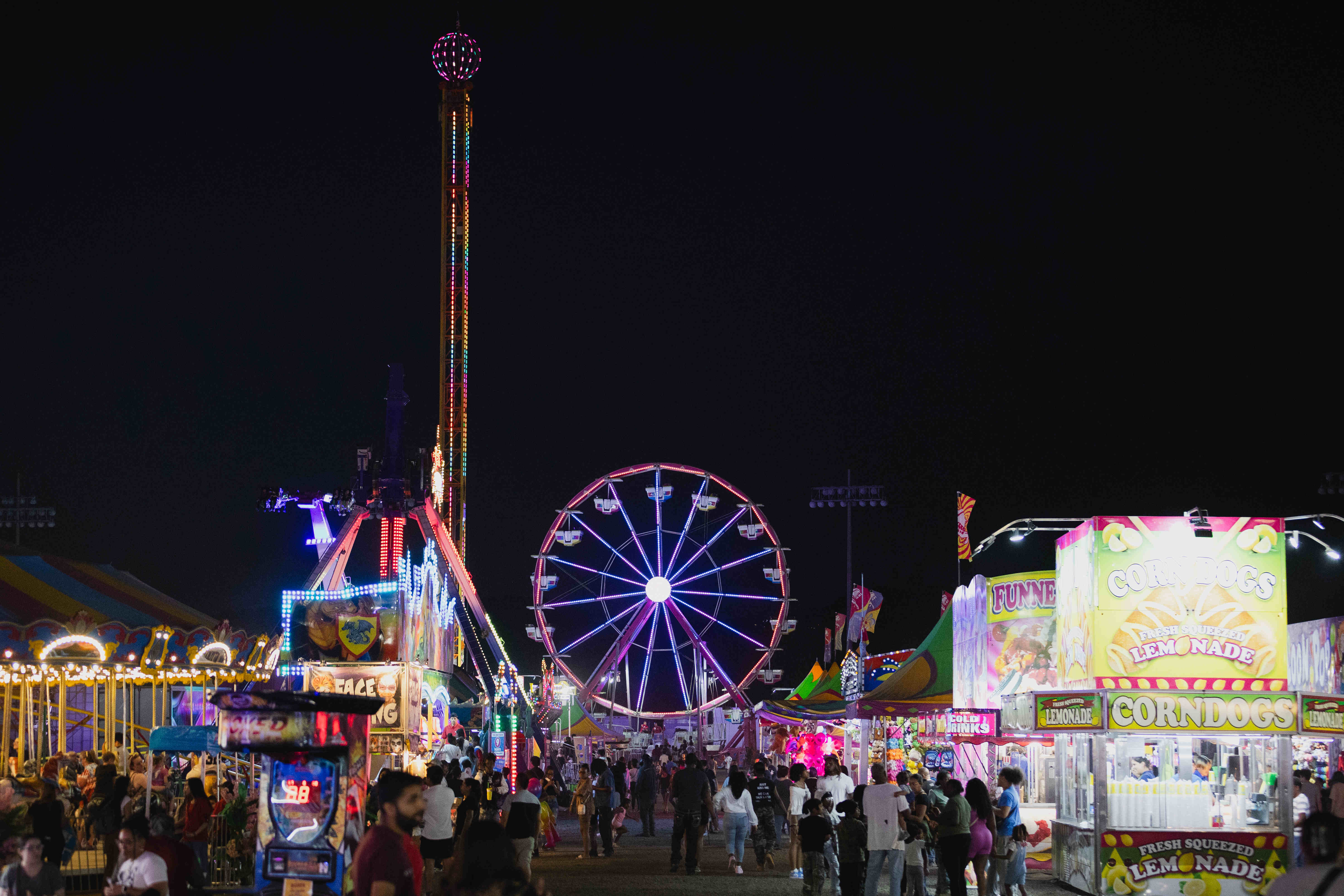
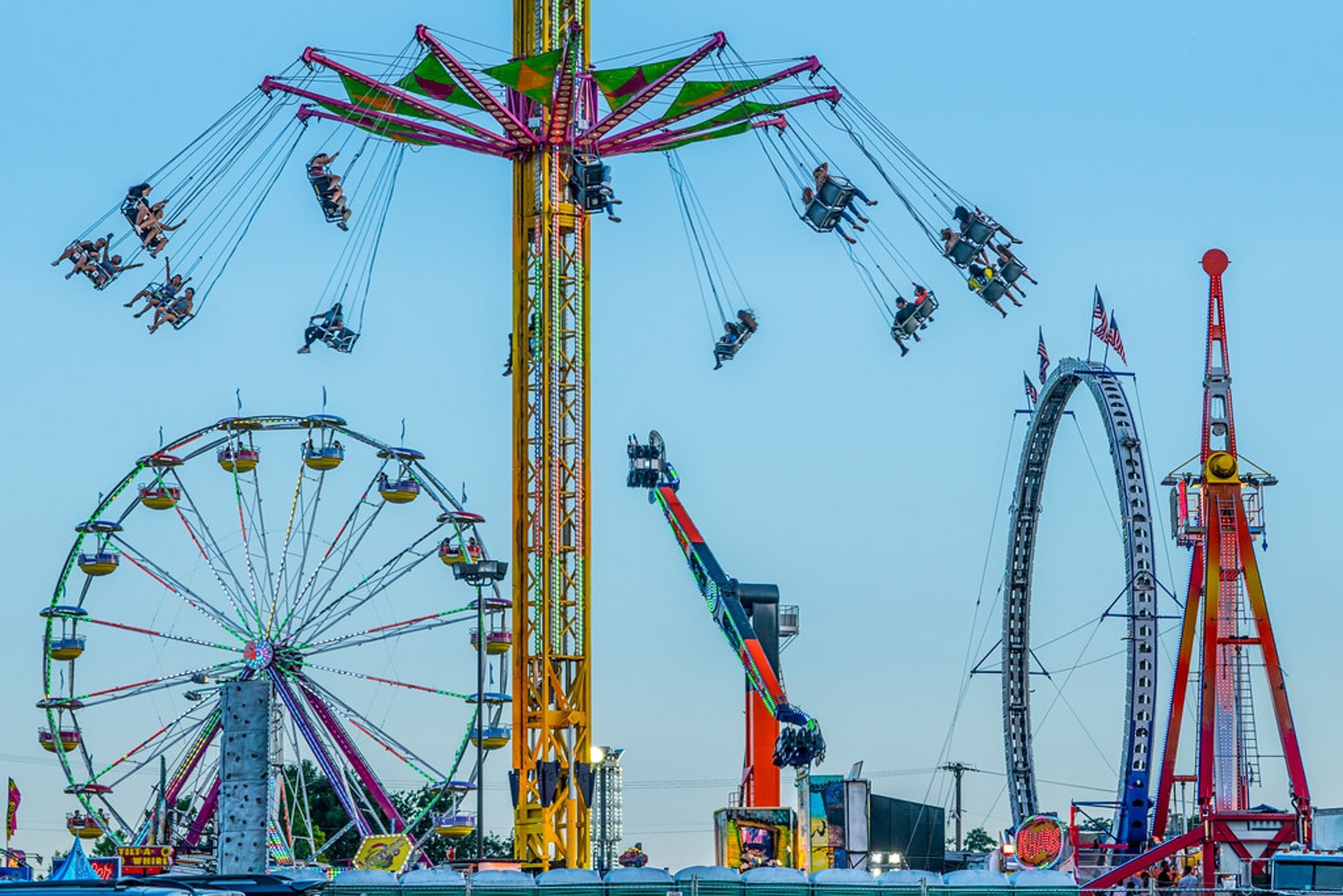
Beyond its agricultural roots, the Alabama National Fair offers a diverse array of commercial entertainment designed for visitors of all ages. The midway features a sprawling carnival operated by professional amusement providers, offering everything from high-thrill roller coasters and spinning pendulum rides to gentle carousels and classic games of chance. Safety inspectors conduct daily reviews of all mechanical attractions to ensure compliance with state amusement ride safety regulations.
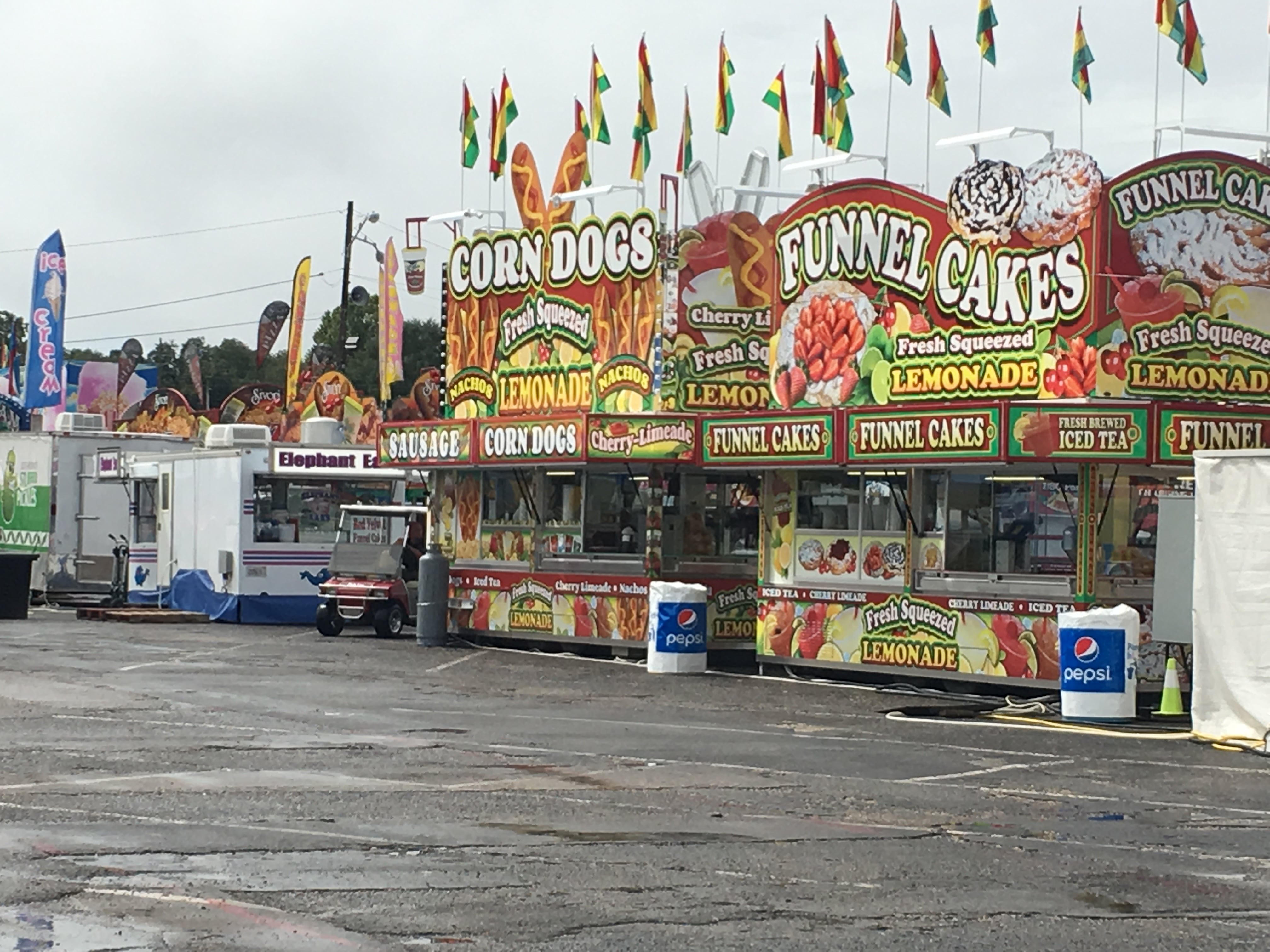
Entertainment extends well beyond the carnival midway. Multiple stages across the fairgrounds host live performances, ranging from regional musical acts and country bands to magic shows, stunt performers, and strolling street entertainers. Commercial vendor booths line the concourses, offering a marketplace for regional craftsmen, clothing merchants, home-improvement companies, and novelty sellers. Food options range from traditional cotton candy, candy apples, and funnel cakes to savory barbecue and regional southern specialties.
Admission Policies, Ticketing Structures, and Gate Pricing
Attending the Alabama National Fair involves navigating a structured ticketing system designed to accommodate single-day visitors, families, and frequent attendees. General admission tickets can be purchased online in advance or at the physical entrance gates upon arrival. Special promotional days—such as senior citizen discounts, military appreciation days, or student-specific entry discounts—are regularly integrated into the ten-day schedule to enhance accessibility.
Wristband policies govern the carnival midway, allowing unlimited access to mechanical rides for a single bundled fee during designated operational windows. Visitors should note that midway wristbands are typically sold separately from general gate admission, though combination packages are frequently available during promotional pre-sale periods. Reviewing official ticketing portals before attending ensures visitors can take advantage of early-bird discounts and avoid unauthorized third-party resale scams.
Frequently Asked Questions
What are the main dates and operating hours of the Alabama National Fair?
The fair runs annually for ten days in late September or early October. Gates typically open at 10:00 AM on weekdays and weekends, with closing times varying between 9:00 PM and 11:00 PM depending on the specific day of the week and crowd volume.
Where is the Alabama National Fair located?
The event is held at the Garrett Coliseum and Agricultural Exposition Center complex situated in Montgomery, Alabama. On-site parking is managed directly by event staff surrounding the main coliseum grounds.
Are pets allowed inside the Alabama National Fairgrounds?
Pets are strictly prohibited on the fairgrounds for safety and sanitary reasons, with the sole exception of service animals recognized under the Americans with Disabilities Act, or animals officially entered into approved livestock exhibitions.
Can I purchase carnival ride wristbands in advance?
Yes, discounted carnival wristbands and admission bundles are frequently made available through official online portals prior to the opening of the fair, as well as at designated retail locations across the Montgomery area.
Who organizes the Alabama National Fair?
The fair is organized, managed, and sponsored by the Capital City Kiwanis Club. All financial proceeds generated by the event are directed toward community service projects, youth organizations, and educational scholarships.
Planning Your Visit to the Fairgrounds
To make the most of an excursion to the Alabama National Fair, visitors should plan their arrival around specific daily attractions, such as marquee livestock judging events or evening concert performances. Purchasing admission tickets and midway wristbands ahead of time via official digital channels helps minimize wait times at the entrance gates. Attendees are advised to wear comfortable walking shoes, monitor local weather forecasts, and check the daily schedule of events upon arrival to ensure a seamless and rewarding fairgoing experience.