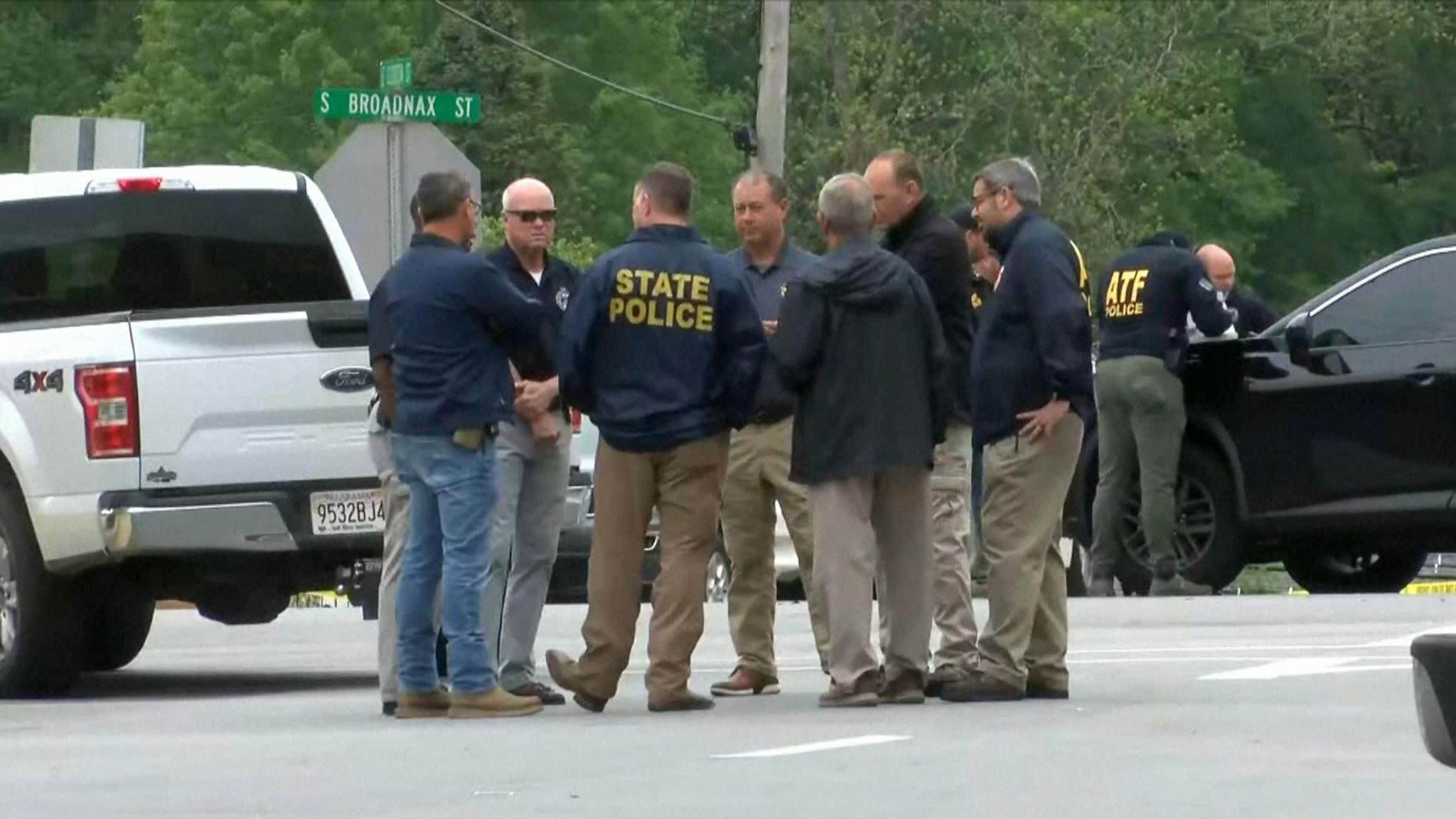
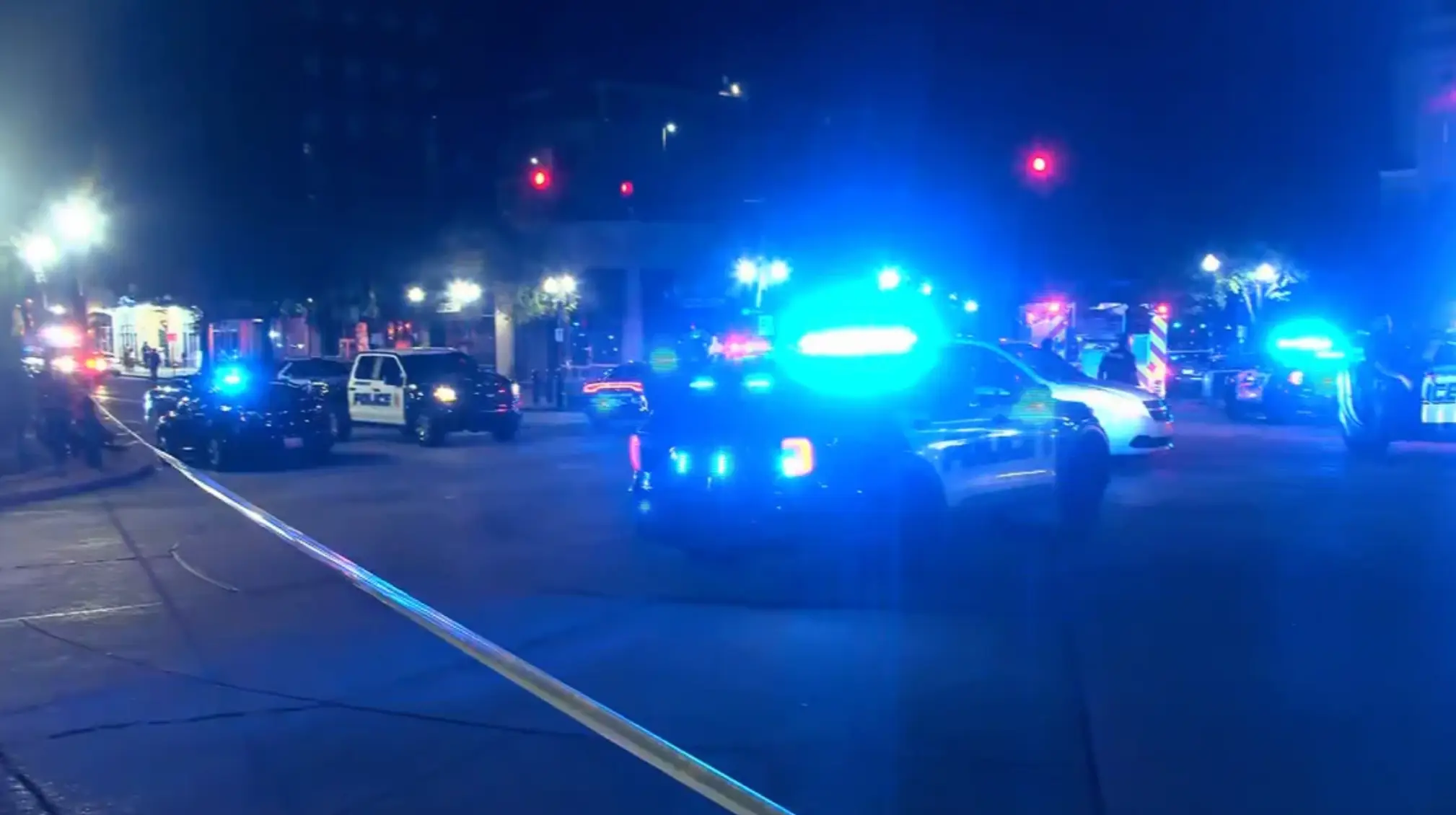
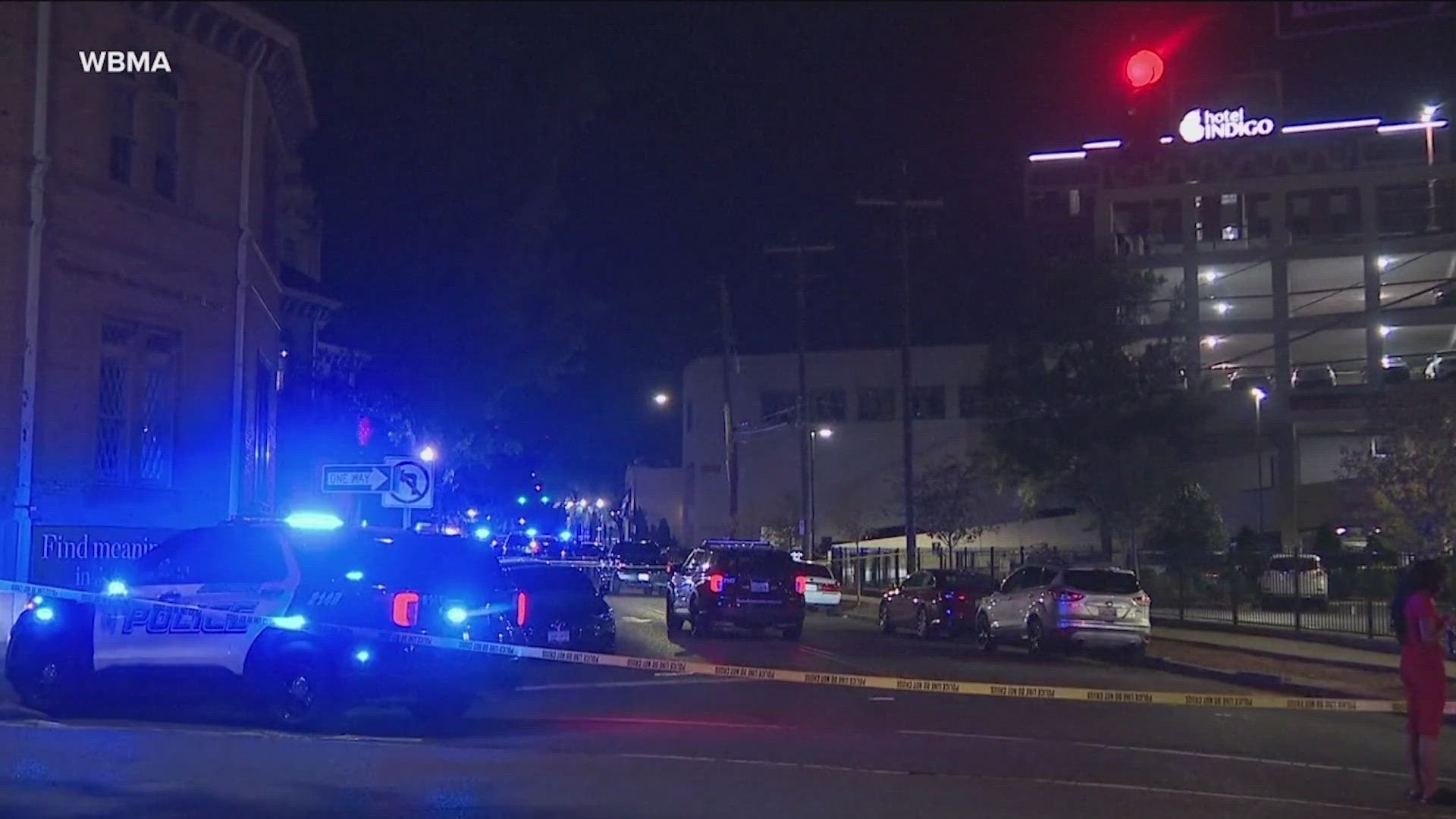
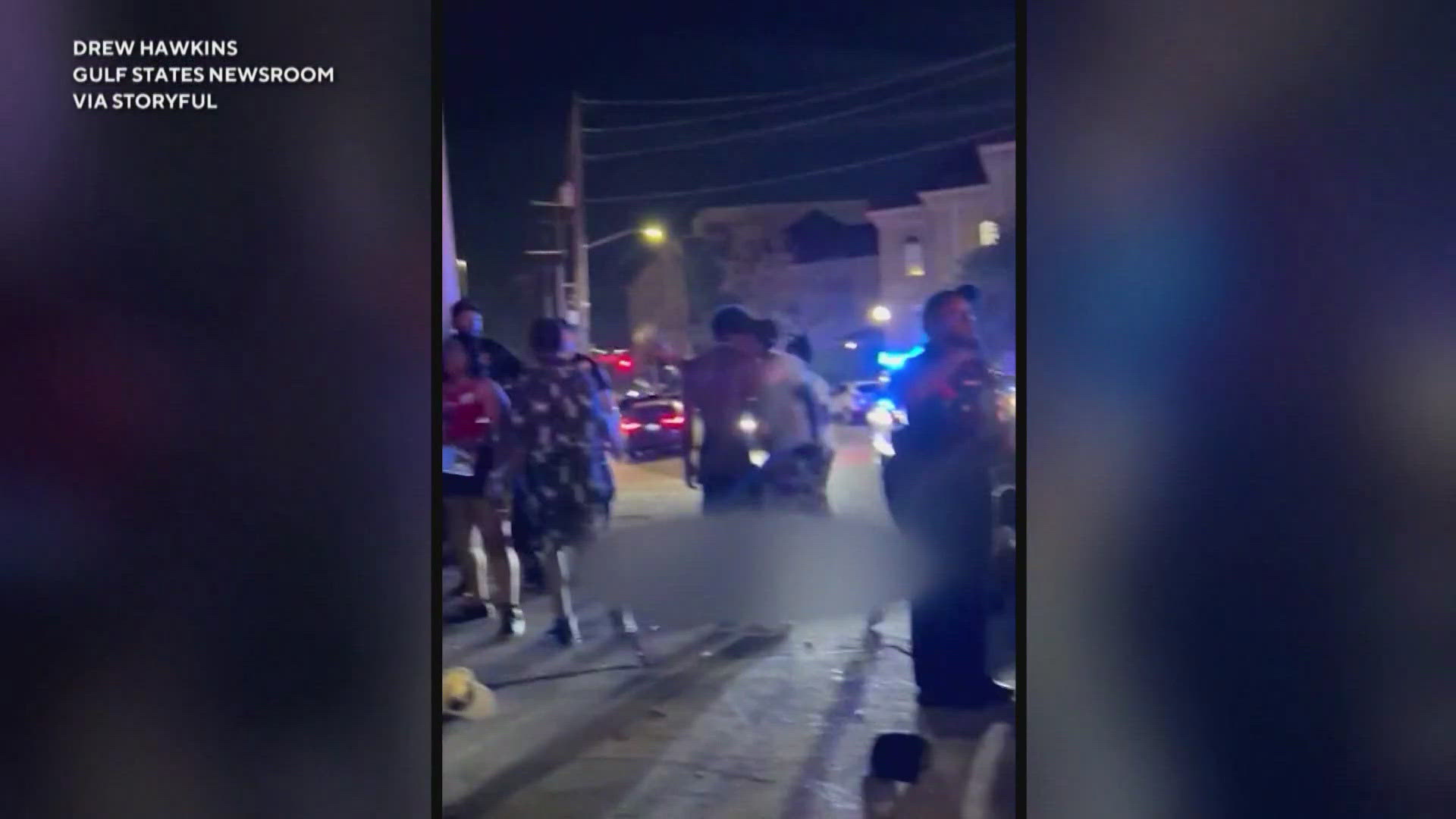
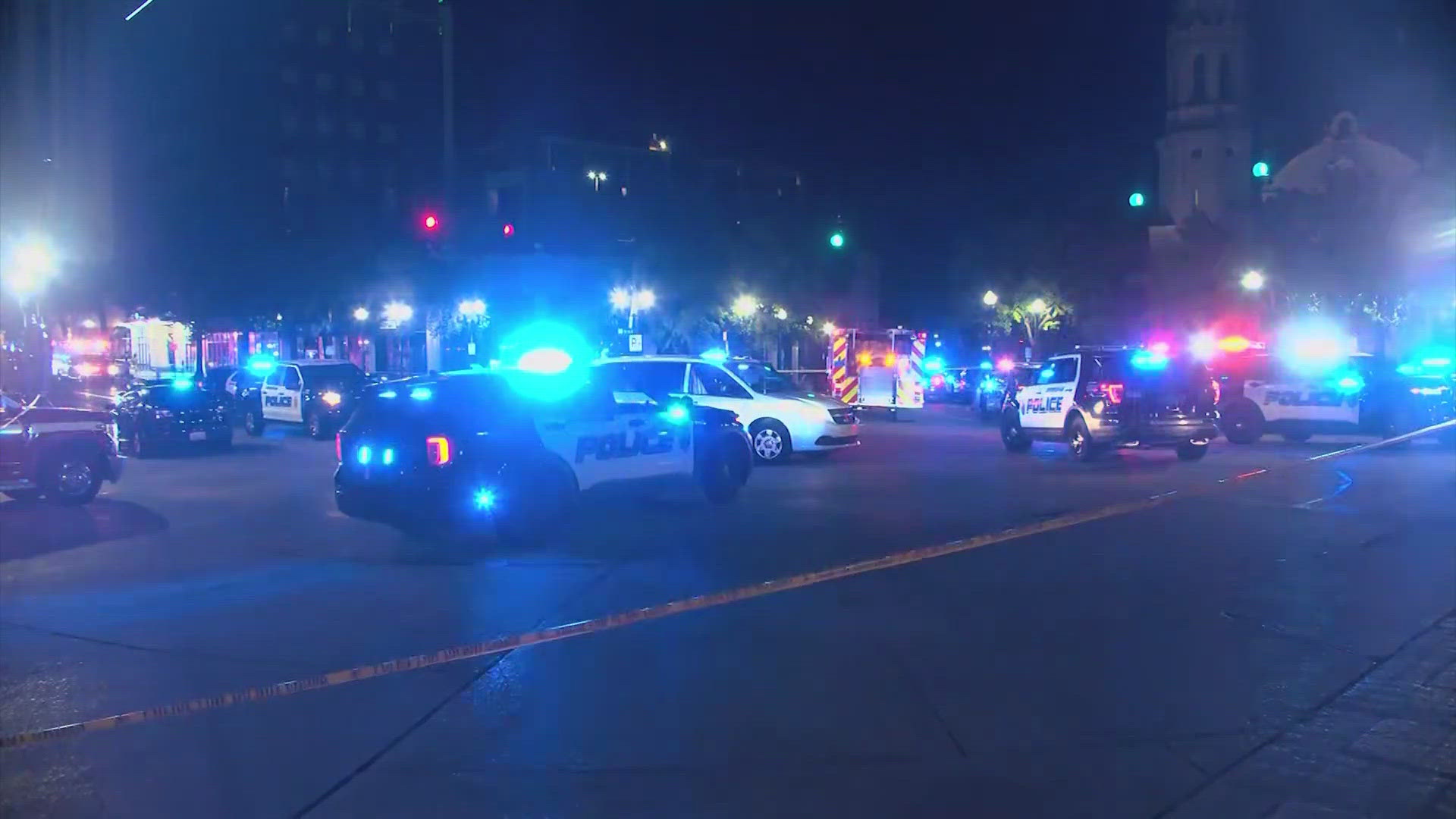
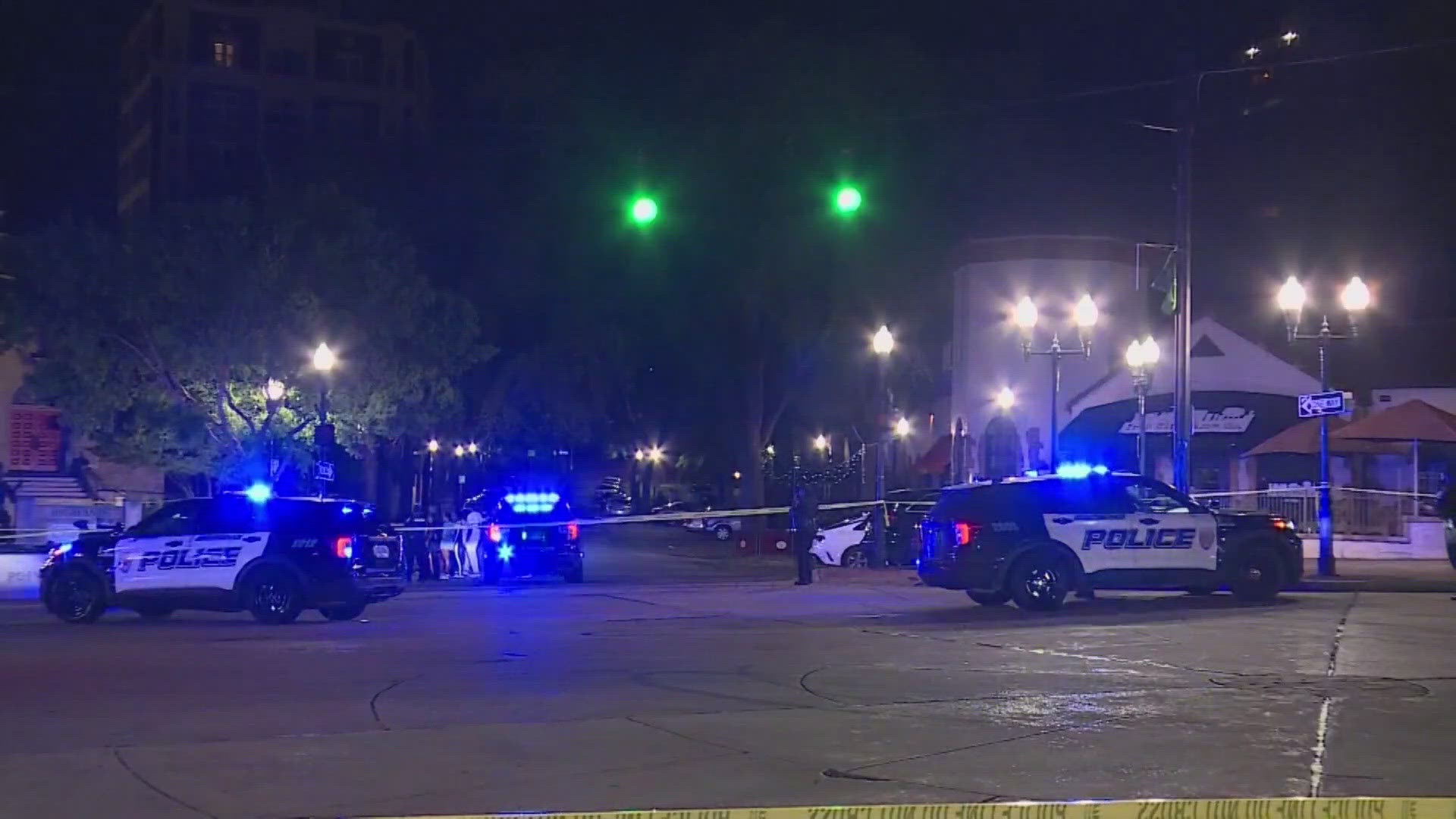
When tracking breaking developments regarding an Alabama mass shooting latest news updates query, communities, researchers, and media analysts look for verified investigative facts, law enforcement briefings, and official updates from municipal agencies. Navigating these situations requires distinguishing between verified police statements, hospital bulletins, and unconfirmed reports circulating on social media networks, ensuring accurate public safety communication during critical incidents.
Establishing the Scope of Public Safety Reporting in Alabama
When an active shooter or mass casualty event occurs within the State of Alabama, municipal police departments, county sheriff offices, and the Alabama Law Enforcement Agency (ALEA) manage initial public communications. Understanding how local and state authorities release information helps communities separate confirmed facts from speculation during unfolding investigations.
Public safety communications generally follow a structured protocol designed to protect the integrity of ongoing criminal investigations while keeping the public informed. Law enforcement agencies typically rely on scheduled press briefings, official social media channels, and emergency alert systems such as wireless emergency alerts (WEAs) to distribute verified updates. During these critical windows, media organizations and digital news aggregators process incoming reports from scanner traffic, eyewitness accounts, and official press releases. Readers tracking a specific incident must verify whether details originate from direct law enforcement sources or secondary commentary.
Furthermore, jurisdictional boundaries dictate which agency leads the investigation and subsequent reporting. For incidents occurring within municipal limits, city police departments usually take primary command, often supported by the county sheriff's department. If an incident crosses jurisdictional lines, involves multiple locations, or requires specialized forensic resources, state-level agencies like ALEA or federal partners such as the Federal Bureau of Investigation (FBI) step in to coordinate investigative efforts and public updates.
Official Verification Versus Unverified Social Media Reports
The speed at which information travels across digital platforms frequently outpaces formal investigative verification. Consequently, individuals seeking accurate updates must recognize the distinct operational differences between official law enforcement channels and unverified social media narratives.
Official reporting relies on chain-of-custody evidence, medical examiner confirmations, and verified eyewitness or suspect status updates released directly by authorized public information officers (PIOs). In contrast, social media platforms often amplify unverified rumors, misidentified individuals, or recycled footage from unrelated historical events. Relying on unverified sources can lead to widespread misinformation, compromise active tactical operations, and inflict unnecessary distress on victims' families and the broader community.
To ensure information integrity, professional journalists and informed observers cross-reference breaking claims against established institutional criteria. The following table contrasts the characteristics of verified public safety reporting with unverified digital rumors:
| Information Dimension | Official Law Enforcement Updates | Unverified Social Media Reports |
|---|---|---|
| Source Attribution | Named public information officers, agency press releases, or official Gov Delivery portals. | Anonymous accounts, unverified handles, or forwarded text messages without primary attribution. |
| Verification Standard | Subject to chain-of-custody, forensic confirmation, and legal review before public release. | Published instantly without editorial oversight, fact-checking, or forensic validation. |
| Victim and Suspect Data | Released only after next-of-kin notification and formal booking or warrant issuance. | Frequently speculative, prone to misidentification, and vulnerable to doxxing errors. |
| Update Cadence | Methodical and deliberate, prioritizing operational security and investigative accuracy. | Rapid, repetitive, and often saturated with sensationalized or emotionally charged framing. |
The Role of State and Federal Agencies in Major Incident Investigations
Investigating complex mass casualty events in Alabama often demands multi-agency collaboration. When local resources are stretched or crimes transcend standard municipal borders, specialized state and federal task forces provide critical technical, forensic, and analytical support.
The Alabama Law Enforcement Agency operates specialized divisions—including the State Bureau of Investigation (SBI)—that assist local police departments with crime scene processing, ballistic analysis, and witness interviews. In scenarios involving potential federal offenses, civil rights violations, or interstate elements, the FBI and the Bureau of Alcohol, Tobacco, Firearms and Explosives (ATF) deploy field agents and mobile crime laboratories to aid local authorities.
Coordination among these entities is governed by established mutual aid agreements and the Incident Command System (ICS). The ICS framework ensures a standardized, scalable response structure for managing emergency incidents, establishing clear lines of authority for tactical operations, media relations, and resource allocation. Public updates issued during these collaborative investigations are typically vetted through a Joint Information Center (JIC) to prevent conflicting statements from different participating agencies.
Community Support, Mental Health Resources, and Long-Term Recovery
Beyond immediate law enforcement updates and investigative journalism, mass violence incidents generate profound psychological and social impacts on affected communities. Accessing reliable mental health resources and community support services forms a critical component of the post-incident landscape in Alabama.
State agencies, local non-profits, and healthcare networks frequently mobilize crisis response teams to provide psychological first aid for survivors, witnesses, and affected families. Organizations such as the Alabama Department of Mental Health coordinate local counseling services, trauma-informed care clinics, and specialized hotlines designed to assist individuals navigating acute grief and post-traumatic stress.
Furthermore, community foundations and victim advocacy groups often establish verified relief funds to assist with medical expenses, funeral costs, and long-term recovery support. When evaluating assistance campaigns, donors and supporters should verify the legitimacy of charitable initiatives through official state registries, such as the Alabama Attorney General's Charitable Division, to prevent fraudulent fundraising operations that routinely exploit public tragedy.
Frequently Asked Questions About Alabama Public Safety Reporting
Where can I find official law enforcement updates during an active emergency in Alabama?
Official updates are published directly by the responding municipal police department, the county sheriff's office, or the Alabama Law Enforcement Agency (ALEA) via their official media portals and verified social media accounts. During major incidents, monitoring local emergency management agency (EMA) alerts provides the most direct access to verified safety instructions.
How long does it take for authorities to release suspect and victim identities?
Law enforcement agencies typically withhold suspect and victim names until formal identification is confirmed by the coroner or medical examiner, and—in the case of victims—until next-of-kin notifications are successfully completed. This procedural delay ensures accuracy and prevents premature public disclosure of sensitive personal data.
What distinguishes a local police investigation from an ALEA or FBI-led inquiry?
Local police departments maintain primary jurisdiction over crimes occurring within municipal boundaries. The Alabama Law Enforcement Agency (SBI) is requested or steps in when multi-jurisdictional support, specialized forensics, or state-level investigative resources are required, whereas federal agencies like the FBI engage when federal statutes or civil rights violations are implicated.
How can the public verify if a fundraising campaign for victims is legitimate?
Supporters should cross-reference fundraising links with established community foundations, municipal announcements, or official verified statements from victims' families. Donors can also verify registered charities through the Alabama Attorney General's office to ensure contributions reach designated recipients.
Why do breaking news reports often contain conflicting casualty figures?
Initial reports during chaotic emergency events frequently rely on preliminary scanner traffic, uncoordinated eyewitness accounts, and evolving triage assessments from multiple hospitals. As medical facilities stabilize patients and law enforcement clears secondary scenes, official figures are consolidated and formally updated through verified press briefings.
Navigating News Updates Responsibly
When reviewing breaking news or historical reports regarding critical incidents in Alabama, readers should prioritize primary sources, verify institutional attribution, and remain cautious of unverified digital commentary. By relying on established law enforcement channels, state agency portals, and verified journalistic reporting, the public can maintain an accurate understanding of unfolding events while supporting community recovery and investigative integrity.