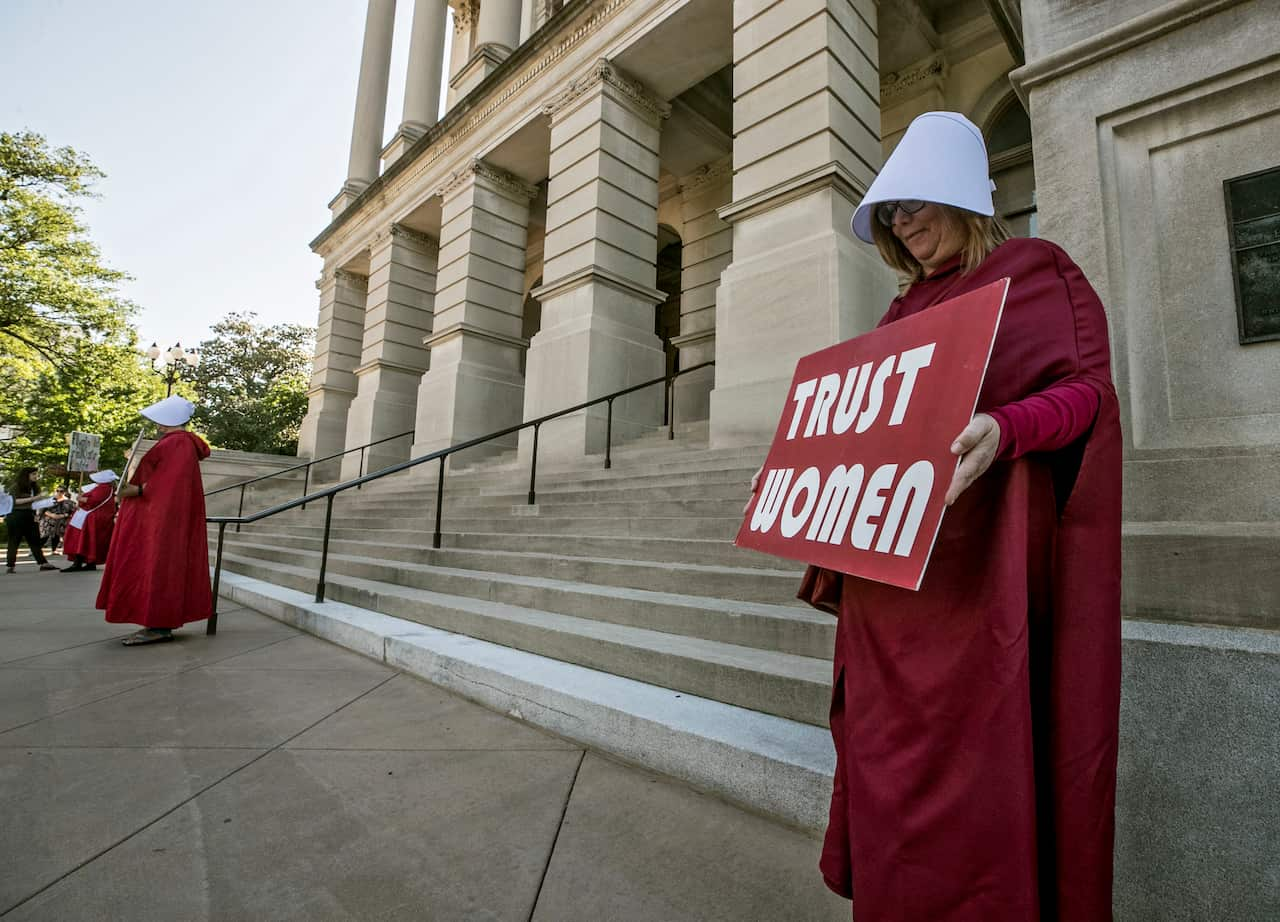
Alabama enforces a near-total ban on abortion under the Human Life Protection Act, criminalizing the procedure at all stages of pregnancy with limited exceptions. The law provides no exceptions for pregnancies resulting from rape or incest, and violators face severe criminal penalties, including potential life imprisonment for medical providers who perform unlawful abortions.
Understanding the Human Life Protection Act
The legal framework governing reproductive healthcare in Alabama shifted fundamentally following the United States Supreme Court's 2022 decision in Dobbs v. Jackson Women's Health Organization, which overturned Roe v. Wade. This ruling allowed states to regulate or prohibit abortion independently. In response, Alabama implemented its pre-existing trigger law, known as the Human Life Protection Act, which was originally signed into law in 2019 but remained enjoined until federal protections were removed.
Under the current statutes codified in the Code of Alabama, performing an abortion at any stage of gestation is classified as a felony. The state legislature designed these measures to establish legal personhood status for fetuses from conception onward. Consequently, the statutory framework eliminates the legal availability of elective or medical abortion procedures within state lines, forcing patients seeking care to travel to neighboring jurisdictions where abortion remains legal and accessible.
Statutory Exceptions and Medical Emergencies
While the law imposes sweeping prohibitions on abortion access, it maintains a narrow exception designed to address acute medical emergencies. Under the text of the statute, an abortion is legally permitted only if an attending physician determines, with reasonable medical judgment, that the procedure is necessary to prevent a serious health risk to the unborn child's mother or to avert her death.
This medical emergency exception is subject to strict legal scrutiny and interpretation. It does not encompass cases of psychological distress, severe fetal abnormalities incompatible with life outside the womb, or pregnancies originating from sexual assault and incest. The lack of provisions for rape and incest survivors has been a focal point of ongoing legal challenges and public debate. Physicians operating under this exception must meticulously document the clinical necessity of the intervention to protect themselves from criminal prosecution and civil liability.
Criminal and Civil Penalties for Providers
The enforcement mechanism of Alabama's abortion ban relies heavily on severe criminal sanctions directed at medical professionals rather than the pregnant individuals themselves. The state legislature structured the statute to insulate patients from direct criminal prosecution, focusing enforcement power entirely on physicians and individuals who aid or perform the procedure.
A physician who knowingly performs an abortion in violation of the Human Life Protection Act commits a Class A felony. Furthermore, if the attempt results in a completed termination, the offense is elevated to a Class C felony under related provisions, carrying potential prison sentences ranging from 10 to 99 years or life imprisonment. In addition to criminal penalties, licensed physicians face mandatory revocation of their medical licenses by the Alabama Board of Medical Examiners and substantial financial liabilities.
| Offender Category | Legal Classification | Potential Penalties | Administrative Actions |
|---|---|---|---|
| Performing Physician | Class A / Class C Felony | 10 to 99 years or life imprisonment | Permanent medical license revocation |
| Aiders and Abettors | Criminal Conspiracy / Accessory | Varies by involvement; felony charges | Professional license suspension |
| Pregnant Individual | Exempt from Prosecution | None under the core statute | N/A |
Medication Abortion and Interstate Travel Restrictions
The restriction of surgical procedures has expanded to encompass strict oversight of medication abortion, commonly referred to as abortion pills (mifepristone and misoprostol). Under Alabama law, distributing, prescribing, or mailing abortion-inducing medications within state borders is prohibited. Telehealth prescriptions for these medications are similarly banned, requiring patients to obtain care physically outside the state.
The legal landscape regarding interstate travel remains a central subject of national and local discussion. While the U.S. Constitution guarantees the right to interstate travel, anti-abortion advocacy groups and state lawmakers have explored potential legal avenues to restrict individuals from leaving Alabama to obtain legal abortions elsewhere, or to penalize organizations that fund or facilitate out-of-state travel. As of the current legal consensus, individuals retain the legal right to travel to states such as Illinois, North Carolina, or Florida where abortion care remains lawful, though navigating these journeys involves significant financial and logistical barriers.
Ongoing Legal Challenges and Advocacy Efforts
The implementation of Alabama's restrictive laws has generated continuous litigation in both state and federal courts. Civil rights organizations, including the American Civil Liberties Union (ACLU) of Alabama and Planned Parenthood, have challenged various aspects of the state's legal framework, arguing that the statutes violate constitutional privacy rights, equal protection, and medical ethics standards.
Despite these ongoing legal challenges, the core tenets of the Human Life Protection Act remain fully enforceable. Advocacy groups have shifted a significant portion of their resources toward supporting out-of-state travel networks, providing emergency contraception education, and lobbying for legislative amendments that would introduce exceptions for rape, incest, and severe fetal anomalies. Meanwhile, anti-abortion organizations continue to monitor compliance, advocate for stricter enforcement mechanisms, and promote crisis pregnancy centers across the state.
Frequently Asked Questions
Is a pregnant individual subject to criminal prosecution under Alabama law?
No. The text of the Human Life Protection Act explicitly exempts the pregnant woman upon whom an abortion is performed from criminal liability. State enforcement is directed exclusively at physicians and individuals who intentionally perform or aid in an unlawful abortion.
Are there any legal exceptions for rape or incest in Alabama?
No. Alabama law does not provide exceptions for pregnancies resulting from rape or incest. The sole statutory exception applies exclusively when a licensed physician determines that the procedure is necessary to prevent the death of the mother or a serious risk of substantial physical impairment.
Can a doctor legally prescribe abortion pills via telehealth in Alabama?
No. Prescribing, dispensing, or mailing abortion-inducing medications like mifepristone and misoprostol within the state is strictly prohibited. Telehealth consultations for the purpose of acquiring these medications are illegal under current state regulations.
What penalties do medical professionals face for violating the ban?
Physicians who perform an illegal abortion face prosecution for a felony offense, which can carry prison sentences ranging from 10 to 99 years or life imprisonment. They also face mandatory revocation of their medical licenses and potential civil lawsuits.
Is it legal for Alabama residents to travel out of state for an abortion?
Yes. Individuals retain the constitutional right to travel to other states where abortion remains legal and accessible. However, state lawmakers continue to monitor and debate potential measures concerning out-of-state travel and logistical assistance.
Navigating Care and Legal Resources
Patients seeking reproductive health services, guidance on contraception, or support for out-of-state travel should consult verified advocacy organizations and legal aid groups. Because statutory interpretations and enforcement priorities can shift rapidly through ongoing litigation, individuals are advised to seek confidential counsel from reproductive rights legal organizations to understand their rights and available options safely.