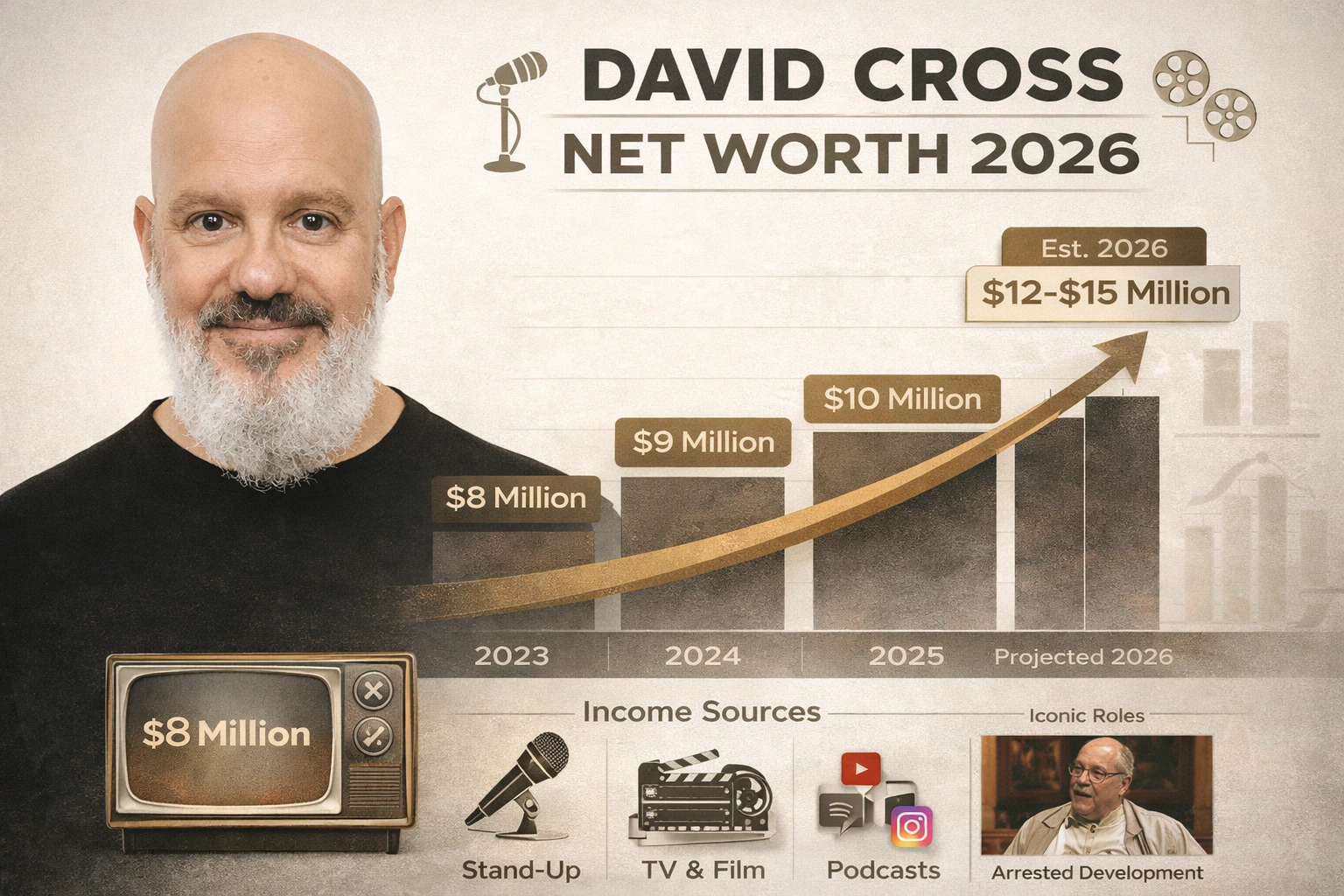
Al Yellon built his net worth primarily through his extensive career in digital sports media, most notably as the founder and editor-in-chief of Bleed Cubbie Blue, a prominent Chicago Cubs community blog under the SB Nation network. His fortune stems from digital publishing revenue, content syndication, sports journalism, and long-term contributions to modern sports blogging culture.
Evaluating the financial trajectory of independent digital publishers and sports commentators requires looking beyond simple public asset disclosures. Unlike corporate executives whose compensation packages are mandated by regulatory filings, figures like Al Yellon accrued their financial standing through entrepreneurial longevity, digital network acquisitions, and the evolution of online advertising models over two decades. Understanding the architecture of this wealth reveals how early sports blogging pioneers transformed niche passion projects into sustainable digital assets within major publishing ecosystems.
The Foundations of Digital Sports Journalism
The digital sports media landscape underwent a radical transformation in the mid-2000s, moving from traditional print journalism and independent message boards to structured, monetized blog networks. Al Yellon entered this space during a formative era for online commentary. Before the widespread consolidation of sports web publishing, independent team blogs operated on minimal budgets, relying on raw passion, community engagement, and ad-network pennies.
Yellon established himself as a central figure in Chicago Cubs fandom by providing meticulous, daily analytical coverage of the team. This commitment to consistent, high-frequency publishing captured a dedicated audience at a time when major metropolitan newspapers were slow to adapt to real-time digital commentary. Establishing early authority within a high-value sports market like Chicago created the foundation for future traffic monetization, brand partnerships, and network integration.
The SB Nation Partnership and Network Scale
A critical inflection point in the financial viability of independent sports blogs was the rise of aggregated digital networks, most notably Vox Media’s SB Nation. Founded by Markos Moulitsas and Tyler Bleszinski, SB Nation pioneered a model that brought independent fan-led sites under a centralized corporate umbrella. This operational shift provided blog founders with vital resources that transformed hobby sites into professional publishing operations.
By integrating Bleed Cubbie Blue into the SB Nation network, Yellon gained access to:
- Centralized programmatic advertising sales and direct brand sponsorships.
- Advanced content management systems (CMS) optimized for search engine visibility and mobile responsiveness.
- Legal protections, editorial guidelines, and corporate infrastructure.
- Cross-promotional traffic networks spanning dozens of other team and league blogs.
This partnership altered the revenue economics for site leaders. Rather than depending entirely on low-yield banner ads, network participants shared in national ad revenue pools and higher-tier programmatic yields. While individual financial terms of early blog acquisitions and network contracts remain proprietary, network integration provided the steady cash flow necessary to sustain long-term digital publishing careers.
Revenue Streams Behind the Fortune
The accumulation of wealth in digital sports publishing relies on a diversified mix of income channels rather than a single payout. For veteran editors and publishers who built properties during the peak of the blogosphere era, revenue typically derived from several key sources.
| Revenue Stream | Description | Impact on Long-Term Earnings |
|---|---|---|
| Programmatic Advertising | Automated ad impressions served via network sales houses (e.g., Vox Media). | Provided consistent baseline monthly income scaling with traffic spikes during playoff runs. |
| Direct Sponsorships | Endorsements and branded content deals negotiated specifically for the team community. | Yielded higher profit margins during peak sports seasons and high-profile team acquisitions. |
| Syndication and Media Appearances | Paid guest columns, radio spots, and television commentary slots. | Enhanced personal brand equity, driving referral traffic back to the core property. |
| Platform Equity & Buyouts | Integration into broader corporate publishing entities with potential equity or buyout components. | Converted ongoing operational output into lump-sum capital or secure long-term publishing contracts. |
Understanding these revenue mechanisms clarifies that wealth accumulation in digital media is rarely a sudden windfall. Instead, it represents cumulative returns earned over years of high-volume content production, audience retention, and adaptability to shifting platform algorithms.
| Feature / Metric | Independent Blogging Era (Mid-2000s) | Network-Backed Era (2010s–Present) |
|---|---|---|
| Primary Monetization | AdSense, direct PayPal donations, basic banner slots | Programmatic RTB, high-yield direct sponsorships |
| Infrastructure Costs | Out-of-pocket hosting, manual security, basic tools | Fully managed enterprise CMS, legal, and tech stack |
| Traffic Distribution | Organic search and direct word-of-mouth | Cross-network syndication, social algorithmic boosting |
| Revenue Stability | Highly volatile, dependent on daily click volume | Stabilized via corporate network guarantees and shared pools |
The Evolution of Online Publishing Economics
Evaluating the net worth of digital pioneers requires contextualizing the changing economics of the internet. During the 2000s and early 2010s, desktop display advertising generated substantial CPM (cost per thousand impressions) rates compared to the heavily consolidated, social-media-dominated landscape of the 2020s.
Writers and editors who captured high-intent, passionate communities during this golden window benefited from favorable monetization terms. Furthermore, the ability to maintain reader loyalty across multiple organizational rebuilds of the Chicago Cubs—culminating in the historic 2016 World Series championship run—generated unprecedented traffic spikes. Major historical events in sports media serve as financial catalysts, driving ad impressions, subscriber sign-ups, and engagement metrics to record levels.
Managing Digital Reputation and Personal Brand Equity
Beyond direct ad revenue, a lasting career in sports journalism builds intangible assets that translate into financial stability. Al Yellon’s longevity in the Chicago sports market established him as an authoritative voice whose commentary carried weight beyond a single blog.
Personal brand equity in digital media functions as an insurance policy against platform shifts. When social media algorithms change or search engines alter their ranking criteria, established authorities retain direct audience loyalty. This persistent readership allows veteran publishers to pivot across platforms, monetize newsletters independently, or secure advisory roles within modern digital media companies.
Frequently Asked Questions
What is Al Yellon best known for in sports media?
Al Yellon is best known as the founder and long-time editor-in-chief of Bleed Cubbie Blue, one of the internet's most prominent and enduring Chicago Cubs communities, which operated as a flagship property within the SB Nation network.
How did independent sports bloggers generate income during the peak blog era?
Independent bloggers primarily generated income through display advertising networks, direct banner sponsorships, affiliate marketing, and—following network integration—shared programmatic ad pools and corporate publisher salaries or stipends.
Did Al Yellon own Bleed Cubbie Blue independently?
While Yellon founded and led the site, properties integrated into major digital publishing networks like Vox Media operated under corporate ownership structures where the network managed infrastructure, monetization, and scaling in exchange for operational control.
Why is estimating digital media net worth challenging?
Estimating net worth for digital publishers and independent journalists is difficult because private publishing agreements, network compensation packages, and individual investment portfolios are not publicly disclosed financial records.
What factors contributed to the financial success of early team blogs?
Early team blogs succeeded financially by filling a gap left by traditional newspapers, offering real-time community engagement, achieving high search engine visibility, and scaling traffic during successful periods for their respective sports franchises.
Securing Long-Term Value in Digital Publishing
For aspiring digital publishers and content entrepreneurs, the trajectory of pioneers like Al Yellon underscores the importance of audience ownership, niche authority, and strategic network alignment. While the digital publishing environment of 2026 relies on different monetization frameworks—such as reader-funded newsletters, premium subscriptions, and diversified video platforms—the core principles remain unchanged. Building sustainable financial value requires deep subject-matter expertise, unwavering publishing consistency, and the ability to adapt as digital distribution models evolve.