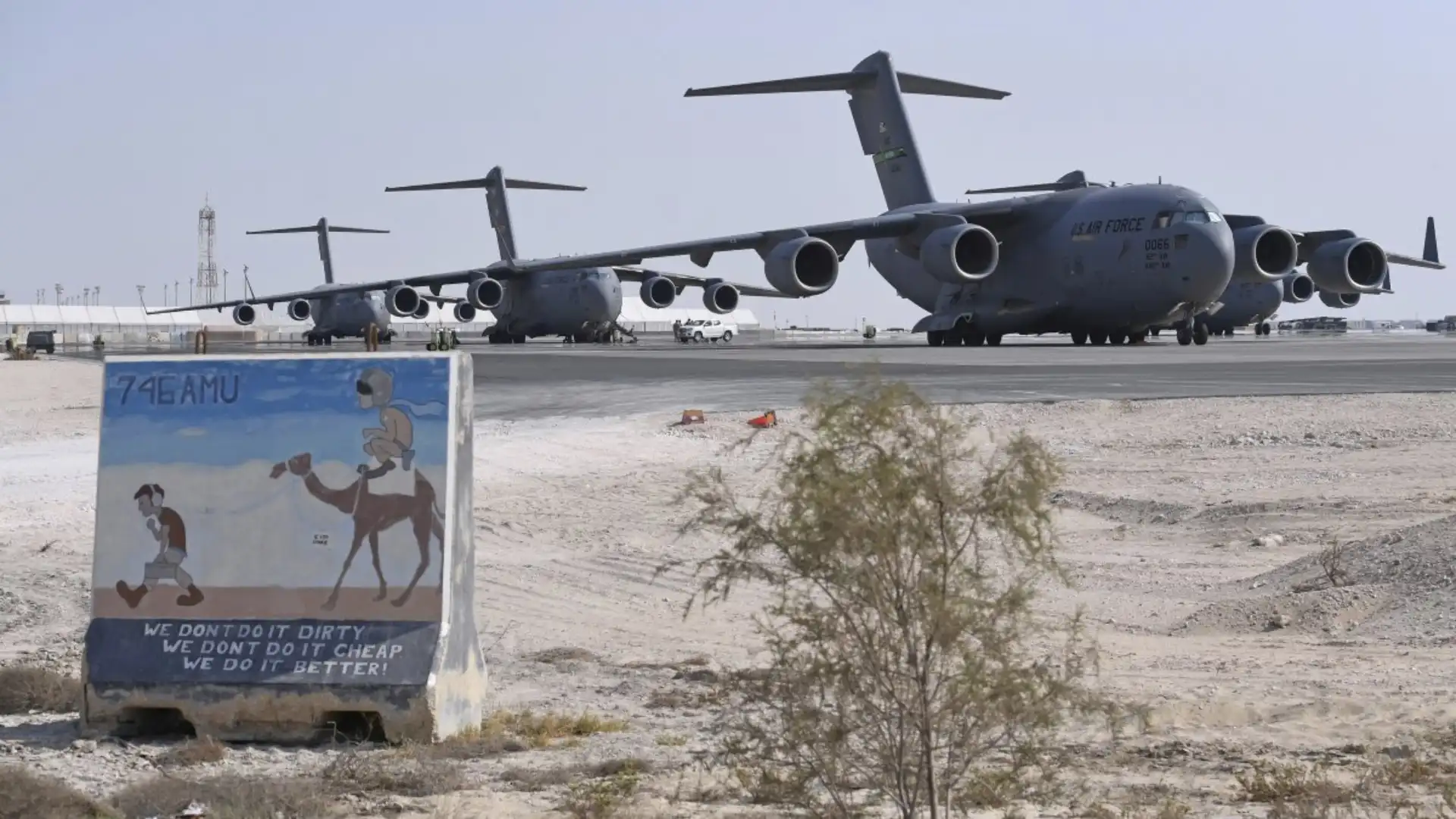
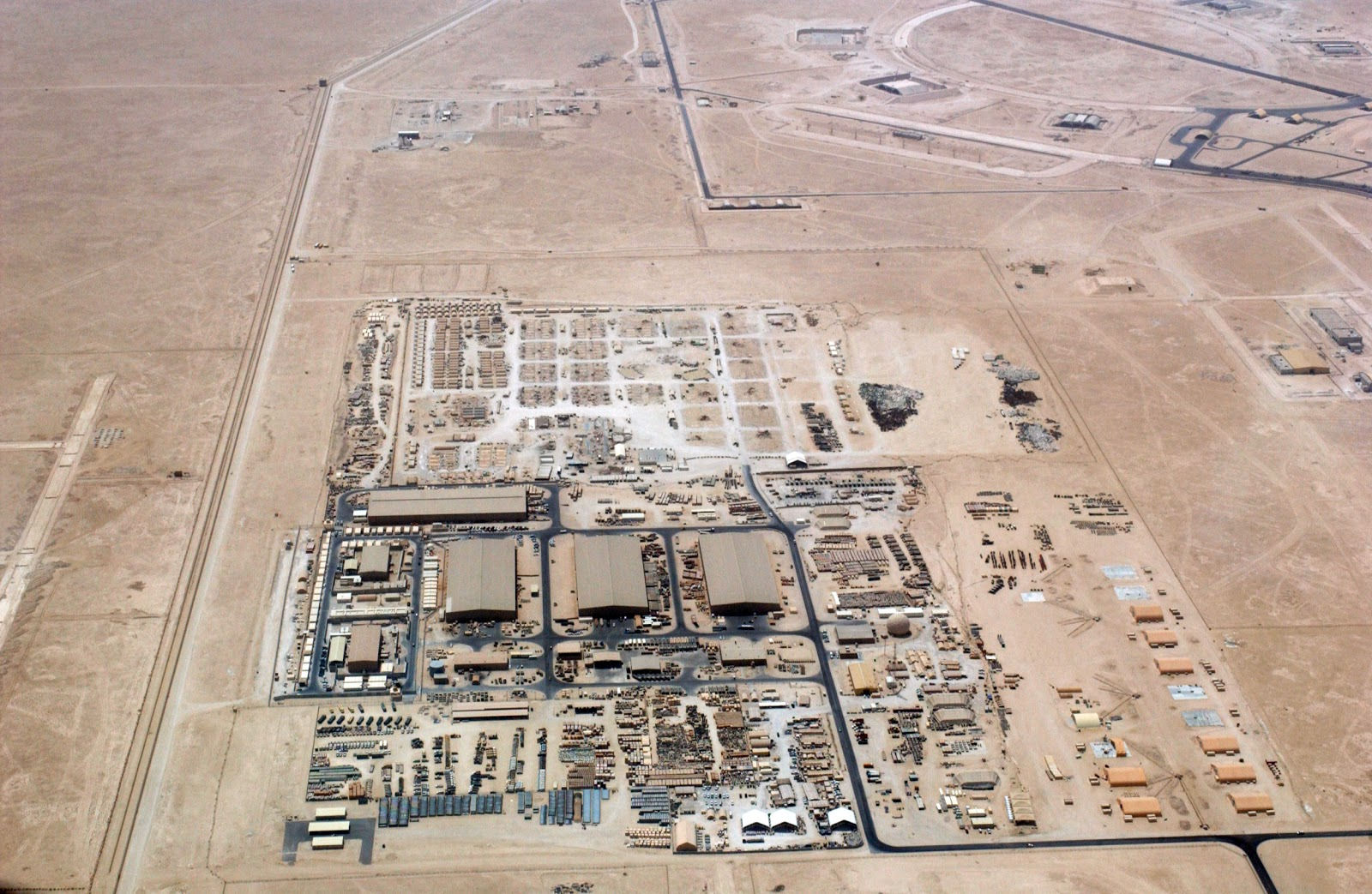
Al Udeid Air Base, situated southwest of Doha in Qatar, serves as one of the most critical and expansive military installations in the Middle East. It functions as the primary hub for United States Air Forces Central (AFCENT) and houses multinational coalitions supporting regional security, mobility operations, and intelligence coordination.
Strategic Location and Historical Development
The establishment of Al Udeid Air Base transformed the defense architecture of the Arabian Peninsula. Developed initially by the Qatari Armed Forces in the mid-1990s, the facility was designed to accommodate advanced tactical aircraft and project strategic military power across the region. As geopolitical dynamics shifted in the late 1990s and early 2000s, the United States and its allies expanded their presence at the installation, transforming it from a modest Qatari military outpost into a massive, highly sophisticated joint-use facility.
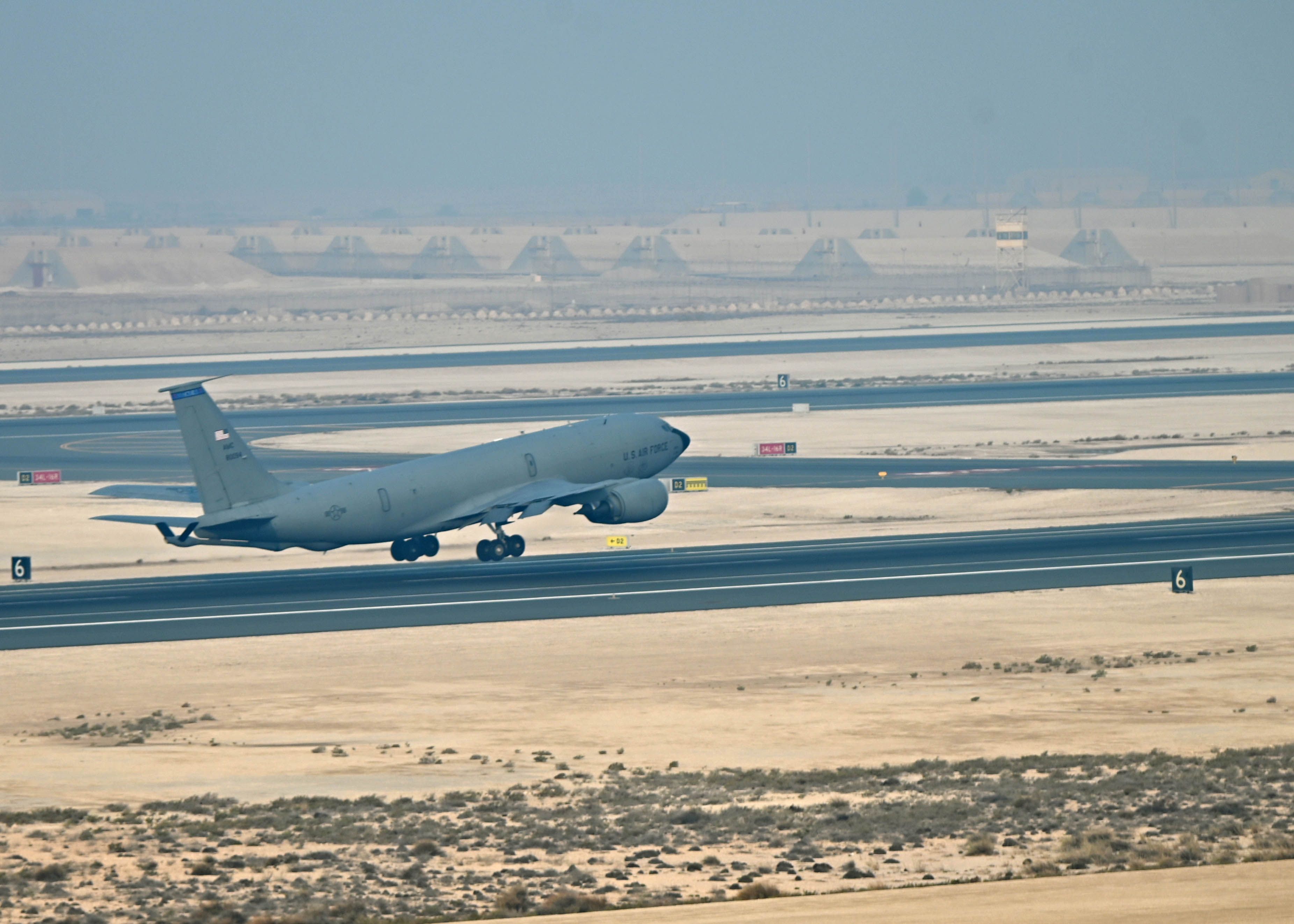
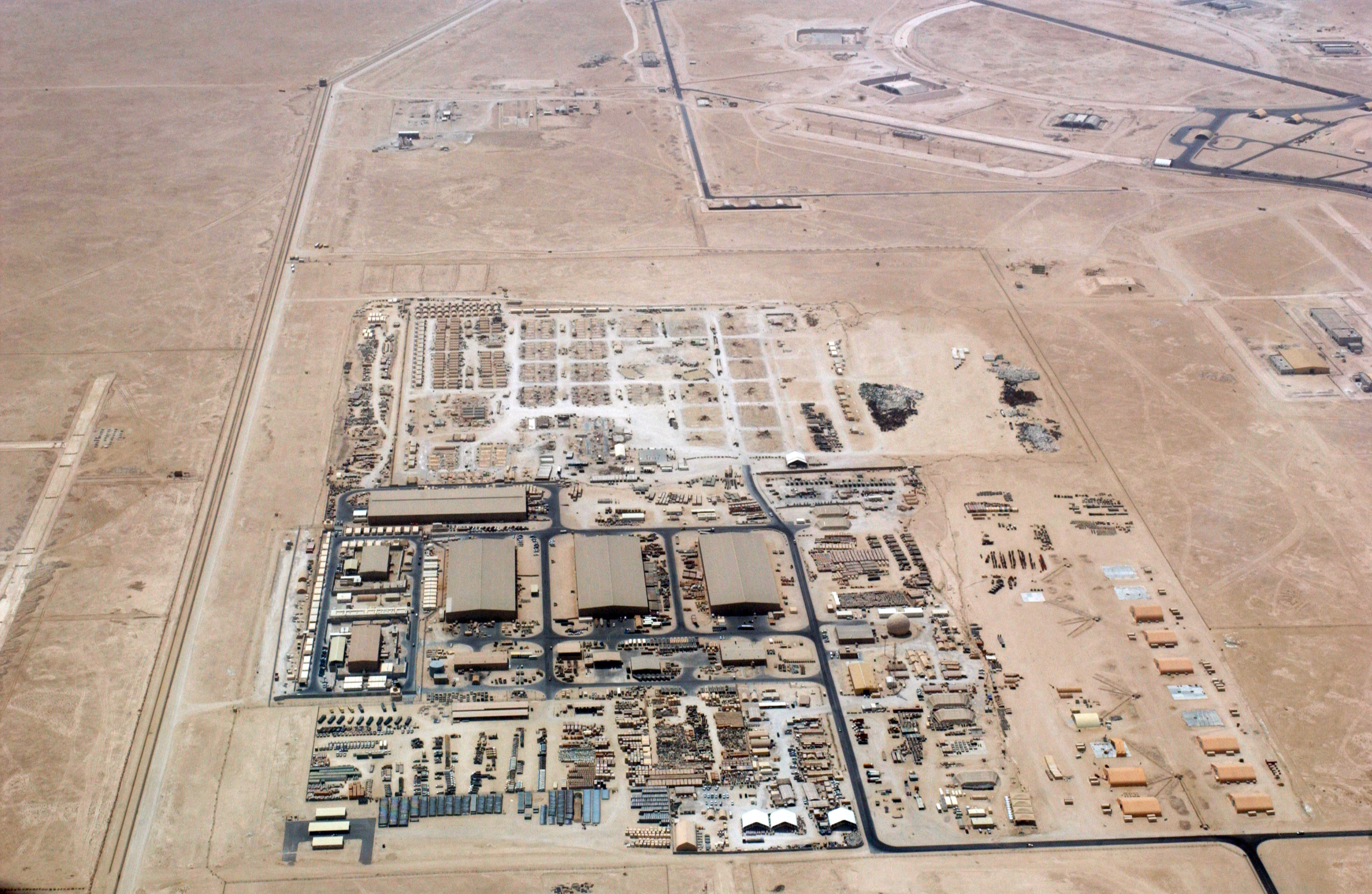
The base's geographic location offers distinct operational advantages. Situated within the central theater of the Middle East, it provides a crucial staging ground for aircraft operating across Southwest Asia, the Horn of Africa, and parts of Central Asia. The installation features modern infrastructure, including dual parallel runways capable of handling the largest strategic transport aircraft, extensive hardened aircraft shelters, and advanced command-and-control facilities. These capabilities ensure that coalition forces can maintain a rapid-response posture regardless of external logistical pressures or regional friction.
Command and Control Infrastructure
At the core of Al Udeid’s operational utility is the Combined Air Operations Center (CAOC). The CAOC manages all coalition air missions across a vast area of responsibility encompassing multiple nations. It directs tactical aviation, strategic bombing, aerial refueling, and intelligence, surveillance, and reconnaissance (ISR) missions with high precision.
- Combined Air Operations Center (CAOC)
- Tactical Air Missions
- Aerial Refueling
- ISR & Recon Operations
The CAOC integrates data from disparate sources—ranging from ground radar stations to high-altitude airborne warning systems—to establish a unified common operating picture. This centralization minimizes response times, maximizes airspace safety, and ensures that air assets are deployed efficiently. Personnel assigned to the CAOC undergo rigorous training to manage complex, multi-domain environments where diplomatic sensitivities and tactical realities intersect.
Coalition Partnerships and Personnel Logistics
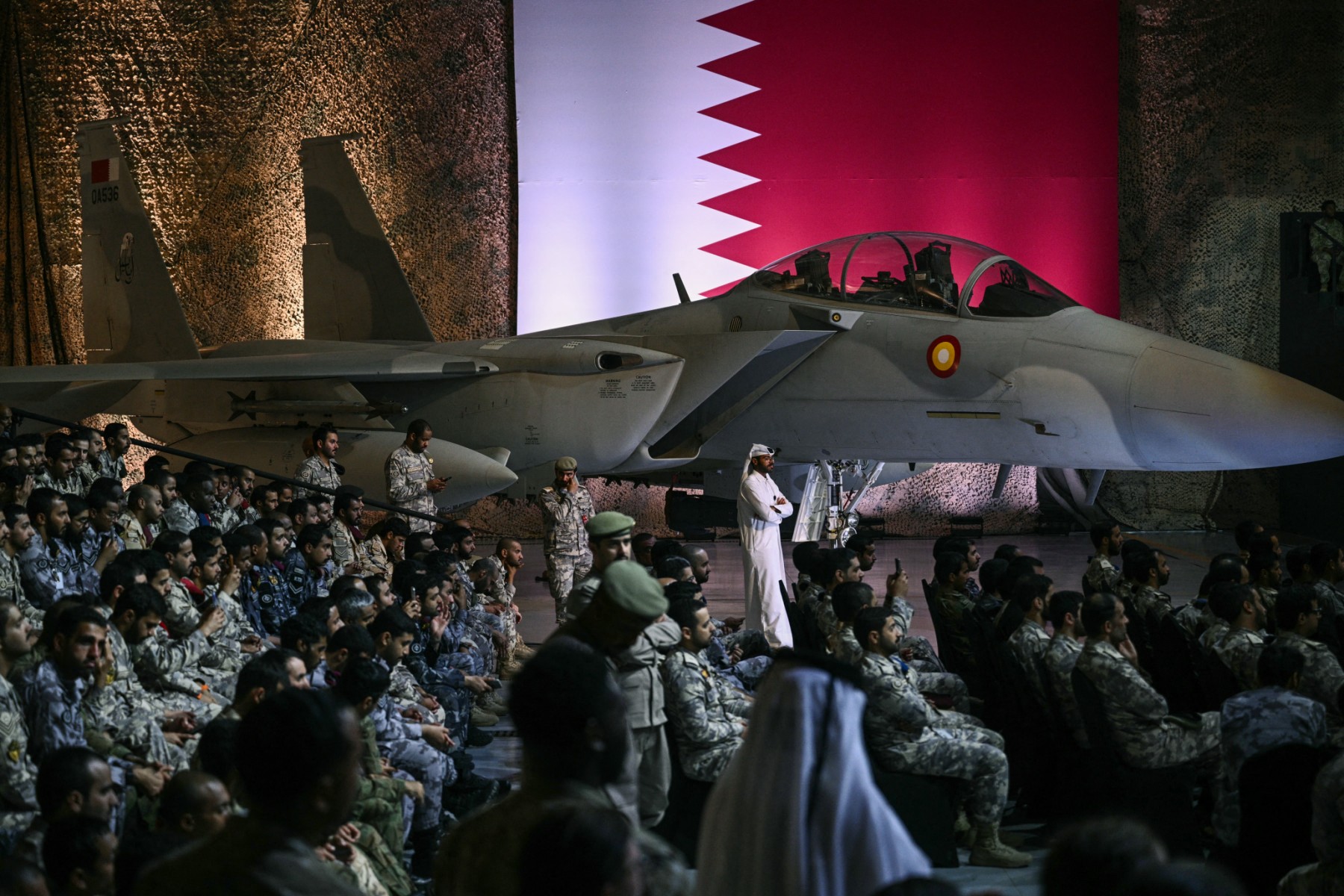
Al Udeid Air Base operates as a multinational installation, hosting thousands of service members from partner nations alongside Qatari and United States forces. The British Royal Air Force, the Royal Australian Air Force, and various other international allies maintain a continuous presence to support joint security initiatives. This coalition framework fosters deep interoperability, standardizing communications protocols, maintenance procedures, and tactical doctrines.
Managing a population of this scale requires extensive logistical support systems. The base operates self-contained housing units, medical treatment facilities, dining complexes, and recreation centers designed to sustain personnel through extended deployments. Logistical pipelines deliver millions of tons of equipment, spare parts, and provisions annually via strategic airlift channels, ensuring that operational readiness remains unaffected by regional supply chain constraints.
Technical Specifications and Facility Capabilities
The engineering footprint of Al Udeid Air Base reflects the demands of modern military aviation. The airfield features expansive ramp space designed to accommodate heavy transport fleets like the C-17 Globemaster III and C-5 Galaxy, alongside fighter and tanker aircraft.
| Facility Component | Primary Function | Technical Highlights |
|---|---|---|
| Runways | Flight operations and heavy aircraft landing | Dual parallel concrete runways exceeding 12,000 feet |
| CAOC | Airspace management and mission direction | Underground command bunker with secure data networks |
| Fuel Storage | Aviation turbine fuel management | Bulk underground storage systems and rapid hydrant refueling |
| Maintenance Hangars | Aircraft repair and structural upkeep | Environmentally controlled bays for avionics and engine overhaul |
The maintenance infrastructure includes advanced diagnostic equipment and climate-controlled hangars necessary to combat the extreme heat and fine desert sand of the Qatari environment. Preventive maintenance protocols are rigorously enforced to protect sensitive turbine engines and electronic warfare suites from particulate ingestion and thermal degradation.
Geopolitical Context and Regional Security
The presence of foreign military forces at Al Udeid Air Base is governed by bilateral defense agreements between the State of Qatar and contributing nations. These pacts establish the legal framework, jurisdictional parameters, and operational boundaries for stationed personnel. Over the decades, the base has adapted to numerous geopolitical shifts, serving as a stabilizing anchor during major regional conflicts and diplomatic crises alike.
Beyond its combat support functions, Al Udeid acts as a focal point for bilateral military exercises and regional defense dialogues. These cooperative engagements enhance the defensive capabilities of the host nation and its allies, promoting regional deterrence. While the geopolitical landscape remains dynamic, the infrastructural investments made at Al Udeid ensure its enduring relevance to international security frameworks.
Frequently Asked Questions
What is the primary purpose of Al Udeid Air Base?
Al Udeid Air Base primarily functions as a strategic joint-use military installation supporting coalition air operations, aerial logistics, and command-and-control functions across the Middle East. It houses the Combined Air Operations Center, which directs all coalition air missions in the region.
Which nations utilize Al Udeid Air Base?
The base is primarily operated by the Qatari Emiri Air Force and United States Air Forces Central. It also hosts significant contingents of military personnel from allied nations, including the United Kingdom and Australia, participating in coalition operations.
How does the Combined Air Operations Center operate?
The CAOC serves as the nerve center for regional air power, integrating real-time intelligence, surveillance, and reconnaissance data to plan, monitor, and direct all tactical and strategic flight operations within a designated area of responsibility.
What are the main logistical challenges at Al Udeid?
The base must contend with extreme environmental conditions, particularly high ambient temperatures and windblown desert dust, which accelerate mechanical wear on aircraft. Mitigating these challenges requires specialized maintenance facilities and continuous logistical supply chains.
Is Al Udeid Air Base open to civilian traffic?
No, Al Udeid is an active military installation restricted to authorized defense personnel, government contractors, and official visitors. Commercial air traffic in Qatar is handled primarily through Hamad International Airport and Doha International Airport.
Strategic Future and Modernization Priorities
Future developments at Al Udeid Air Base focus on infrastructure hardening, energy resilience, and digital modernization. As cyber and electronic warfare threats evolve, military planners continuously upgrade the installation's communications networks and data-processing capabilities to ensure secure, uninterrupted command functions. Investments in sustainable power generation and advanced water purification systems further enhance the base's self-sufficiency, ensuring that Al Udeid remains a resilient pillar of international defense cooperation for decades to come.