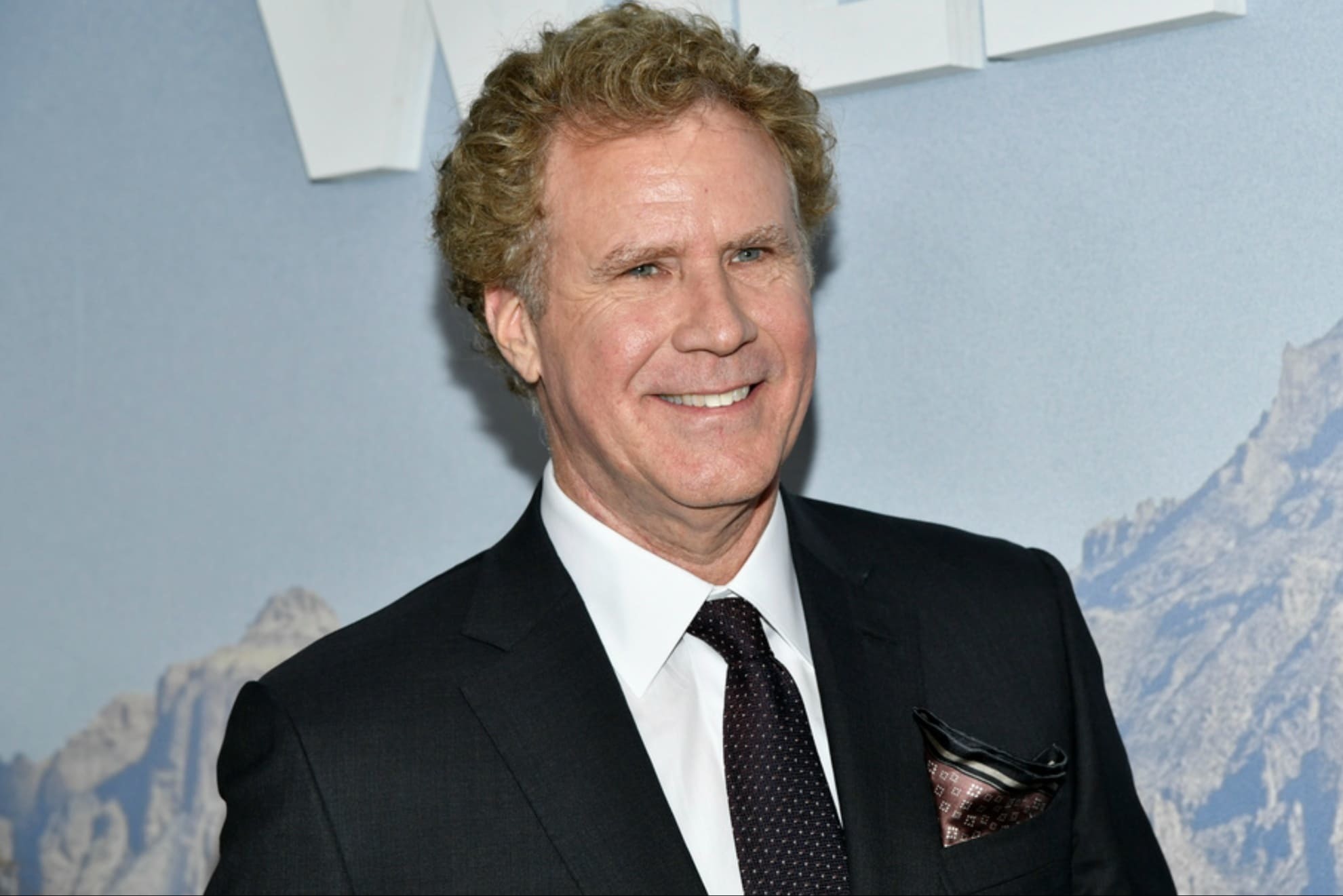
Al Sapienza has built a durable, prolific acting career spanning more than four decades, accumulating an estimated net worth between $3 million and $5 million through consistent television, film, and stage work. Rather than relying on a single blockbuster franchise or a leading-man salary, his fortune is the result of a high-volume character actor business model. By securing memorable supporting roles in critically acclaimed television series like The Sopranos and House of Cards, alongside dozens of major Hollywood feature films, Sapienza maximized his earning potential through sheer versatility, union-scale residual structures, and continuous industry demand.
The Foundation of a Working Actor: Career Beginnings and Stage Roots
Understanding Al Sapienza's net worth requires examining the traditional economic path of a veteran character actor in North American entertainment. Born in New York City in 1962 into a family deeply connected to the entertainment industry—his father was theater producer Richard Sapienza and his mother was actress Angela Trend—Sapienza developed an early familiarity with the business aspects of acting. This background provided practical insight into union membership, agency representation, and the reality of theatrical budgeting long before he secured his breakout roles.
Initial professional milestones typically involve regional theater, off-Broadway productions, and minor guest-starring television credits. For actors working within the American television and film infrastructure governed by SAG-AFTRA (Screen Actors Guild-American Federation of Television and Radio Artists), early career earnings are dictated by strict minimum daily and weekly rates. While these entry-level jobs rarely generate generational wealth on their own, they establish the health insurance and pension qualification thresholds necessary to sustain a long-term career. Sapienza’s early dedication to building a versatile resume allowed him to transition smoothly from stage work to episodic television during the 1980s and 1990s, laying the groundwork for more lucrative recurring roles.
Breakout Television Roles and Residual Revenue Streams
The most significant driver of a television character actor's long-term wealth is recurring work on culturally impactful, syndicated, and streaming-era television shows. Al Sapienza achieved widespread recognition for portraying Mikey Palmice, the short-lived but intensely memorable executive secretary and enforcer for Junior Soprano, in the first season of HBO’s landmark mafia drama The Sopranos. Although his character's tenure on screen was relatively brief, the enduring cultural footprint of the series ensures continuous visibility and ancillary financial returns.
In the television industry, financial compensation extends far beyond initial episodic paychecks. Through SAG-AFTRA collective bargaining agreements, performers receive residual payments when episodes are rerun on cable, licensed to streaming platforms, or distributed internationally. Because The Sopranos transformed into a foundational piece of modern television history and maintains high viewership across streaming libraries decades after its conclusion, actors involved in the production benefit from predictable, recurring residual checks.
Sapienza replicated this success on a much larger scale in subsequent decades. Most notably, he played Marty Spinella, the combative Chief of Staff to the House Majority Whip, in the inaugural season of Netflix’s political drama House of Cards. Participation in high-profile streaming series during the peak era of prestige television production provided substantial per-episode fees and expanded his commercial marketability across different genres.
| Project Title | Role / Character | Medium & Distribution | Financial Impact on Career |
|---|---|---|---|
| The Sopranos | Mikey Palmice | HBO Television Series | Established high-level television recognition; provided long-term syndication and streaming residuals. |
| House of Cards | Marty Spinella | Netflix Original Series | Capitalized on the prestige streaming boom; commanded higher per-episode salaries. |
| Suits | Thomas Bratton | USA Network Series | Secured recurring guest-star income across multiple seasons in a popular legal drama. |
| Godzilla | Hendershot | Major Studio Feature Film | Expanded blockbuster studio credentials and international theatrical visibility. |
Feature Film Appearances and Studio Blockbuster Contributions
Beyond television, Al Sapienza has maintained a remarkably steady presence in feature films, appearing in more than 100 movies across his career. This volume of work illustrates a pragmatic approach to wealth accumulation: rather than waiting for rare leading roles, he consistently books supporting parts in major studio releases, independent dramas, and action thrillers.
His filmography features collaborations with prominent directors and appearances in high-budget commercial projects, including Roland Emmerich’s Godzilla, Martin Scorsese’s The Wolf of Wall Street, Clint Eastwood’s Sully, and The Big Short. In high-budget Hollywood productions, supporting actors are typically paid fixed weekly or per-film fees negotiated by their talent agencies. While these compensation packages do not match the backend profit-participation deals secured by top-tier movie stars, working consistently on major studio sets provides substantial, guaranteed income. Furthermore, appearing in globally distributed blockbusters enhances an actor's profile, leading to higher-paying guest roles and endorsement opportunities.
Financial Strategies of a High-Volume Character Actor
Managing a multi-million-dollar net worth as a character actor requires navigating the inherent financial volatility of the entertainment industry. Unlike salaried corporate professionals, actors face fluctuating income streams, lengthy unemployment gaps between bookings, and substantial overhead expenses, including commission fees for agents and managers, union dues, legal representation, and self-funded promotional costs.
Professional longevity relies on disciplined financial planning, real estate investment, and the strategic utilization of union-backed retirement plans. The SAG-AFTRA Producer-Pension Plan and Health Plan provide crucial stability for working actors who meet specific annual earnings thresholds. By maintaining a high volume of work across both film and television, Sapienza secured the continuous contributions necessary to build a secure financial foundation independent of active filming schedules. Additionally, successful character actors frequently diversify their income through voiceover work, commercial appearances, and convention appearances, transforming their past television credits into marketable personal brands.
How Industry Evolution Affects Long-Term Actor Wealth
The economic landscape of Hollywood has shifted dramatically over the past two decades, directly impacting how actors accumulate and preserve wealth. The transition from traditional broadcast television networks to subscription-based streaming services altered the financial architecture of residual payments. In the past, successful syndication on broadcast or cable television could generate substantial, life-changing residual income for supporting actors. Modern streaming models, by contrast, frequently utilize buyout structures that replace traditional long-term residuals with upfront premiums or standardized global flat rates.
For established performers like Al Sapienza, adapting to these industry changes meant leveraging a strong reputation to negotiate favorable upfront compensation terms and securing recurring roles across both traditional cable networks (such as USA Network's Suits) and streaming platforms. Maintaining versatility across different production formats ensures protection against shifting industry trends, allowing veteran actors to sustain their earning power regardless of whether a project is distributed theatrically, via cable, or through digital streaming.
Frequently Asked Questions About Al Sapienza and His Wealth
What is Al Sapienza's estimated net worth?
Al Sapienza's net worth is widely estimated by industry analysts and financial publications to be between $3 million and $5 million. This valuation reflects his decades-long career as a prolific supporting actor in television and film, accumulation of long-term residuals, and consistent high-volume booking history.
What was Al Sapienza's breakout role?
His most notable early television breakout role was Mikey Palmice in the first season of HBO's The Sopranos (1999). The character's intense dynamic with Tony Soprano and memorable dialogue cemented Sapienza's status in television drama.
How do character actors like Al Sapienza make their money?
Character actors accumulate wealth through a combination of per-episode television fees, weekly film salaries, SAG-AFTRA union residual payments from reruns and streaming distribution, voiceover work, and appearances at pop culture conventions or fan events.
Did Al Sapienza appear in The Wolf of Wall Street?
Yes, Al Sapienza played a prominent supporting role as Andrew Greene's adversary or various corporate figures in high-profile films, including Martin Scorsese's The Wolf of Wall Street, where he contributed to ensemble scenes alongside Leonardo DiCaprio.
How many acting credits does Al Sapienza have?
Al Sapienza is recognized as one of the most prolific working actors in Hollywood, with well over 200 film, television, and video game credits accumulated over a career spanning more than 40 years.
Strategic Financial Lessons from a Veteran Career
Reviewing the financial trajectory of Al Sapienza offers clear insights into wealth accumulation within the entertainment sector. Success in the industry is rarely built on overnight stardom; instead, financial security is achieved through relentless professional persistence, continuous skill refinement, and smart navigation of union protections and residual structures. Aspiring performers and industry observers can look to his career as a practical blueprint for how high-volume versatility and disciplined professional management translate into lasting financial stability.