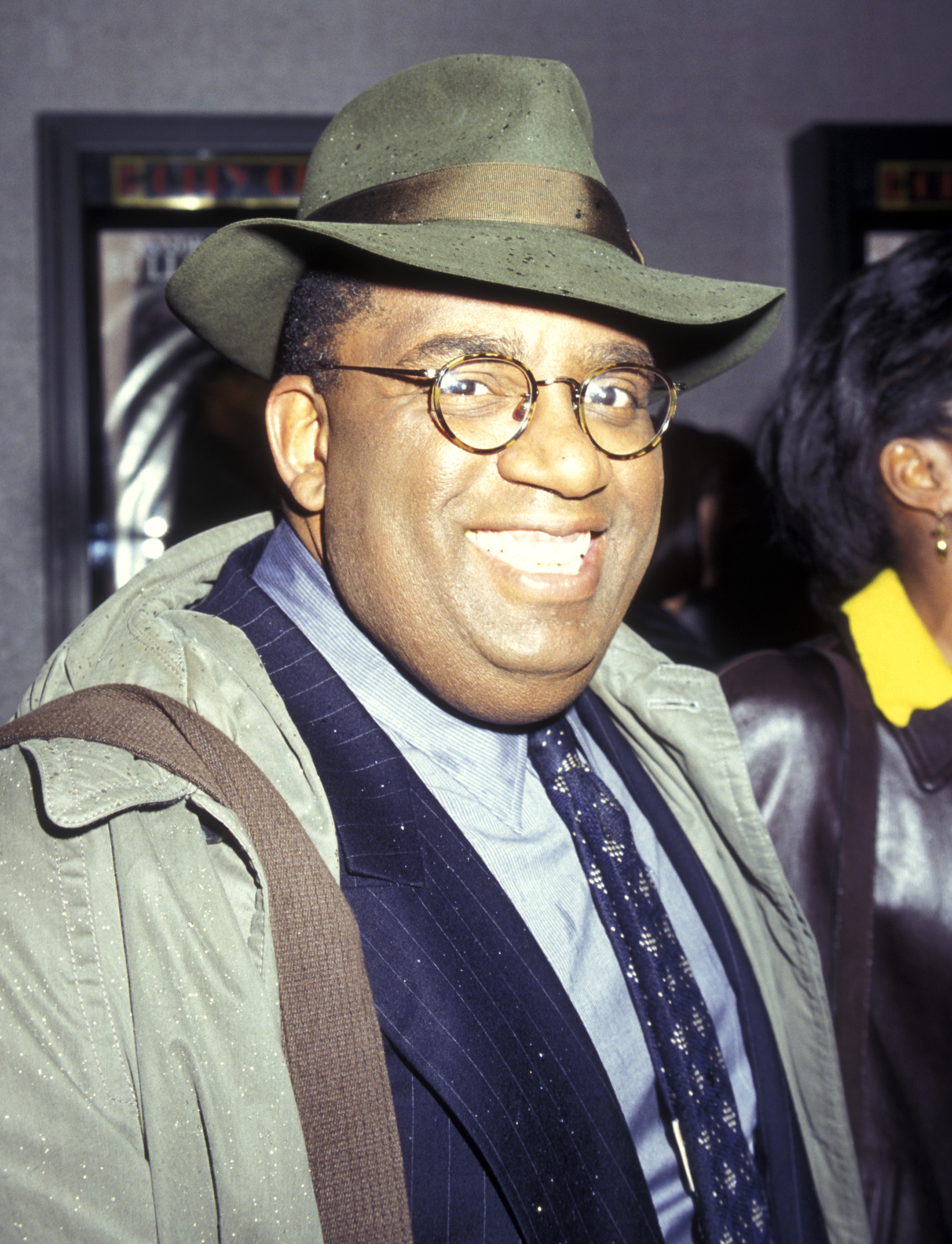
Al Roker’s highly publicized weight loss transformation stands as one of the most recognizable long-term health journeys in public television history. Achieving a dramatic reduction of over 150 pounds after undergoing gastric bypass surgery in 2002, the Today show meteorologist has spent more than two decades navigating the complex realities of maintaining significant weight loss in the public eye.
Understanding the Catalyst for Al Roker’s Health Journey
By the late 1990s and early 2000s, Al Roker’s physical appearance was closely tied to his television persona, but behind the scenes, his weight presented mounting health and mobility challenges. Tipping the scales at over 340 pounds, Roker faced physical strain, joint pain, and the looming threat of chronic metabolic conditions. The tipping point, however, was deeply personal rather than purely professional. Following the death of his father, Roker realized that if he wanted to live a long, active life to watch his children grow, he needed to make a radical intervention.
At the time, bariatric surgery was still heavily stigmatized, often misunderstood by the general public, and viewed incorrectly as a cosmetic shortcut rather than a serious medical intervention for severe obesity. Roker consulted with medical professionals and ultimately chose to undergo gastric bypass surgery in 2002. This procedure physically altered his digestive tract, restricting the amount of food he could consume and fundamentally changing how his body absorbed nutrients. However, Roker has consistently emphasized that surgery was merely the catalyst, not a permanent magic bullet. The operation forced a biological reset, but long-term success required a complete overhaul of his relationship with food, rigorous daily physical activity, and unyielding psychological discipline.
The Medical and Procedural Mechanics of Gastric Bypass
To understand the before-and-after reality of Al Roker’s transformation, it is necessary to examine the medical procedure that made it possible. Gastric bypass surgery—specifically the Roux-en-Y procedure—involves dividing the stomach into a small upper pouch and a much larger lower remnant, and then rearranging the small intestine to connect to both. This dual mechanism limits caloric intake by significantly reducing stomach capacity and promotes weight loss through malabsorption, as food bypasses a portion of the small intestine.
For a patient of Roker's size in 2002, the procedure carried substantial surgical risks, which made his public transparency pioneering for its era. Modern bariatric procedures have evolved with advanced laparoscopic techniques, but the foundational physiological demands remain identical. Patients must commit to lifelong dietary restrictions, including small, protein-dense meals, strict vitamin supplementation to prevent severe nutritional deficiencies, and permanent avoidance of high-sugar and high-fat foods that trigger "dumping syndrome"—a distressing physical reaction causing nausea, weakness, and dizziness. Roker's ability to navigate these strict physiological constraints over the span of two decades underscores the rigorous medical framework required to sustain such a massive transformation.
Comparing Milestones: The Before, During, and After Phases
Evaluating Roker's physical trajectory requires looking across distinct operational phases of his life. The contrast between his pre-2002 baseline and his post-transformation state involves stark differences in metabolic health, physical capability, and lifestyle habits.
| Phase | Approximate Timeframe | Weight Status / Health Metrics | Primary Lifestyle and Medical Focus |
|---|---|---|---|
| Pre-Transformation | Late 1990s – 2002 | Peak weight over 340 lbs; high strain on joints and cardiovascular system. | High-calorie diet, erratic eating schedules due to early morning television broadcasting, minimal structured exercise. |
| Acute Post-Surgery | 2002 – 2005 | Rapid loss of over 150 lbs; stabilization of blood sugar and blood pressure. | Strict liquid-to-soft-food progression, adaptation to small pouch capacity, initiation of routine walking and light exercise. |
| Long-Term Maintenance | 2006 – Present | Stable weight fluctuations managed within a healthy range; active management of aging-related physical shifts. | Integration of consistent strength training, low-impact cardio, high-protein nutrition, and routine medical monitoring. |
This structured evolution illustrates that a successful transformation is not a static endpoint but a continuous process of metabolic adaptation. While the initial drop of 150 pounds occurred rapidly within the first few years following surgery, the subsequent decades required constant vigilance against weight creep.
Diet, Nutrition, and Daily Operational Disciplines
Sustaining a weight loss of 150 pounds for over twenty years requires strict adherence to nutritional rules. Roker has been vocal about the fact that bariatric surgery can be circumvented if a patient returns to grazing on high-calorie, sugary foods or liquids. Over time, the stomach pouch can stretch slightly, and without strict portion control, old habits can reemerge.
To combat this, Roker adopted a high-protein, low-carbohydrate nutritional framework. Protein takes precedence in every meal because it promotes satiety and preserves lean muscle mass during significant weight fluctuations. Furthermore, because his digestive tract absorbs fewer nutrients, daily multivitamin, calcium, and B12 supplementation became non-negotiable medical requirements. Hydration habits also had to change radically; bariatric patients generally cannot drink fluids during or immediately after meals because liquids flush food through the pouch too quickly, eliminating the feeling of fullness and leading to overeating. These structural adjustments became second nature over the years, transforming from conscious daily hurdles into permanent habits.
The Role of Exercise and Physical Fitness in Long-Term Maintenance
Diet alone rarely suffices to maintain massive weight loss; physical activity plays a critical role in regulating metabolism and preserving functional mobility as the body ages. Roker integrated regular exercise into his demanding early-morning broadcasting schedule, pivoting from a largely sedentary lifestyle to consistent physical conditioning.
Initially, due to severe joint stress, his activity was limited to low-impact movements, primarily walking. As the pounds melted away and joint pain subsided, he expanded his regimen to include resistance training and cycling. Strength training is particularly vital for individuals who undergo massive weight loss, as building and retaining muscle mass helps counteract the metabolic slowdown that naturally occurs with aging and weight reduction. In recent years, Roker has frequently shared his fitness routines on social media, emphasizing low-impact functional movements and consistency over high-intensity strain, proving that physical activity remains a foundational pillar of his daily routine well into his seventies.
Navigating Public Scrutiny, Health Setbacks, and Aging
Maintaining a public weight loss transformation for over two decades inevitably brings unique pressures. Roker has experienced the inevitable fluctuations that accompany aging, stress, and medical challenges. In late 2022, Roker faced a severe health scare involving blood clots in his lungs and legs, which required emergency medical intervention and a temporary absence from the Today show.
Public commentators sometimes mistake normal weight fluctuations or health-related recoveries for a loss of control, but Roker’s transparency regarding his medical setbacks has helped demystify the aging process for individuals managing chronic weight issues. He has consistently addressed the fact that maintaining weight loss is not a linear trajectory. Life events, injuries, and metabolic shifts require ongoing calibration. By acknowledging these realities rather than pretending to maintain a rigid, unchanging physique, Roker has provided a realistic blueprint for long-term health management that accounts for human imperfection and unexpected medical hurdles.
Practical Guidance for Sustaining Significant Weight Transformations
For individuals contemplating or currently undergoing a major weight loss transformation, Al Roker’s journey offers several actionable takeaways. While every individual medical case requires personalized supervision from bariatric surgeons and registered dietitians, structural principles remain consistent across successful long-term outcomes.
- Treat Medical Interventions as Tools, Not Cures: Whether utilizing bariatric surgery or contemporary pharmacological treatments like GLP-1 receptor agonists, medical interventions alter physiology but do not rewrite psychological or behavioral patterns. Permanent success requires building sustainable daily habits around the biological reset.
- Prioritize Protein and Micronutrient Compliance: Rapid or massive weight loss often depletes lean tissue and micronutrient stores. Prioritizing protein intake and adhering strictly to prescribed vitamin regimens prevents malnutrition, fatigue, and muscle wasting.
- Establish Inflexible Boundaries Around Hydration and Portion Size: For post-surgical patients, separating liquids from solid meals and strictly managing portion sizes prevents the anatomical stretching of the stomach pouch over time.
- Build a Scalable, Low-Impact Fitness Baseline: Avoid burnout by choosing physical activities that protect aging joints while consistently challenging muscular endurance. Consistency trumps intensity over a multi-decade timeline.
- Anticipate and Plan for Life Disruptions: Accept that stress, injury, and aging will cause minor weight fluctuations. Long-term success is determined by the speed and discipline with which an individual returns to foundational habits after a disruption.
Frequently Asked Questions
How much weight did Al Roker lose?
Al Roker lost more than 150 pounds following his gastric bypass surgery in 2002. His peak weight was over 340 pounds, and he successfully reduced his weight to the 190-pound range, maintaining the vast majority of that loss for over two decades.
Did Al Roker have weight loss surgery?
Yes, Al Roker underwent a Roux-en-Y gastric bypass procedure in 2002. He has openly discussed the procedure, noting that it served as a vital medical tool to help him overcome severe obesity and regain control of his metabolic health.
How has Al Roker kept the weight off for so long?
Roker maintains his weight loss through strict adherence to a high-protein, low-carbohydrate nutritional plan, regular physical activity emphasizing strength training and walking, and lifelong compliance with necessary vitamin and mineral supplementation.
What health challenges has Al Roker faced during his journey?
Beyond managing long-term weight maintenance, Roker faced a major health crisis in late 2022 involving blood clots in his lungs and legs. He successfully recovered through emergency medical care and returned to his television broadcasting duties.
What advice does Al Roker give to others trying to lose weight?
Roker consistently stresses honesty, accountability, and the understanding that weight loss is an ongoing lifestyle management process rather than a temporary fix. He advocates for viewing medical interventions as aids that must be supported by permanent behavioral changes.
Next Actions and Medical Consultation
Individuals seeking to emulate the physical transformation achieved by Al Roker should begin by consulting a qualified bariatric specialist, endocrinologist, or registered dietitian to evaluate appropriate medical pathways. Because significant weight loss impacts metabolic function, bone density, and nutritional absorption, professional guidance is essential to establish a safe, individualized roadmap. Review baseline health markers, discuss potential surgical or pharmacological interventions with an accredited medical professional, and focus on building sustainable nutritional and physical habits designed for long-term health preservation.