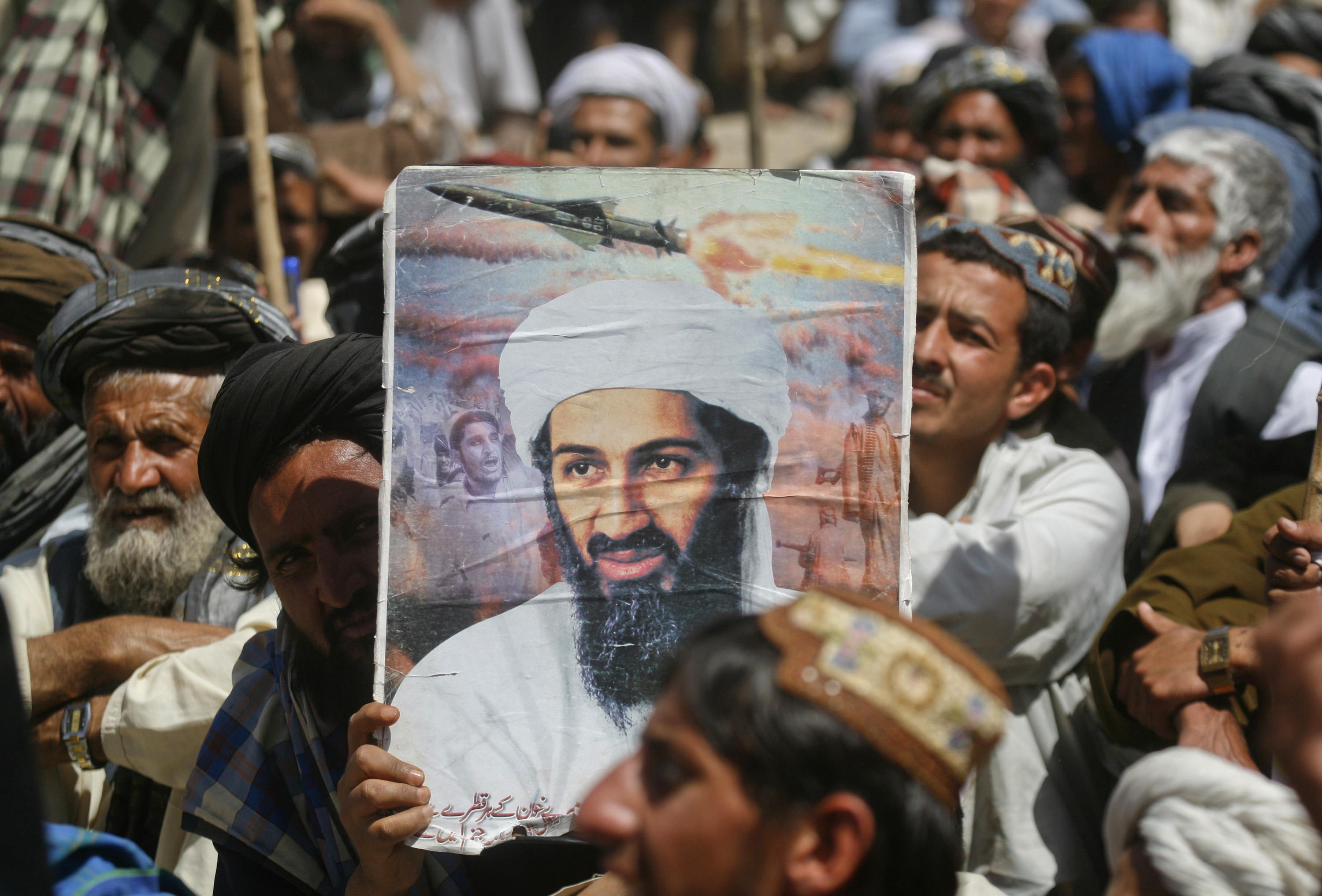
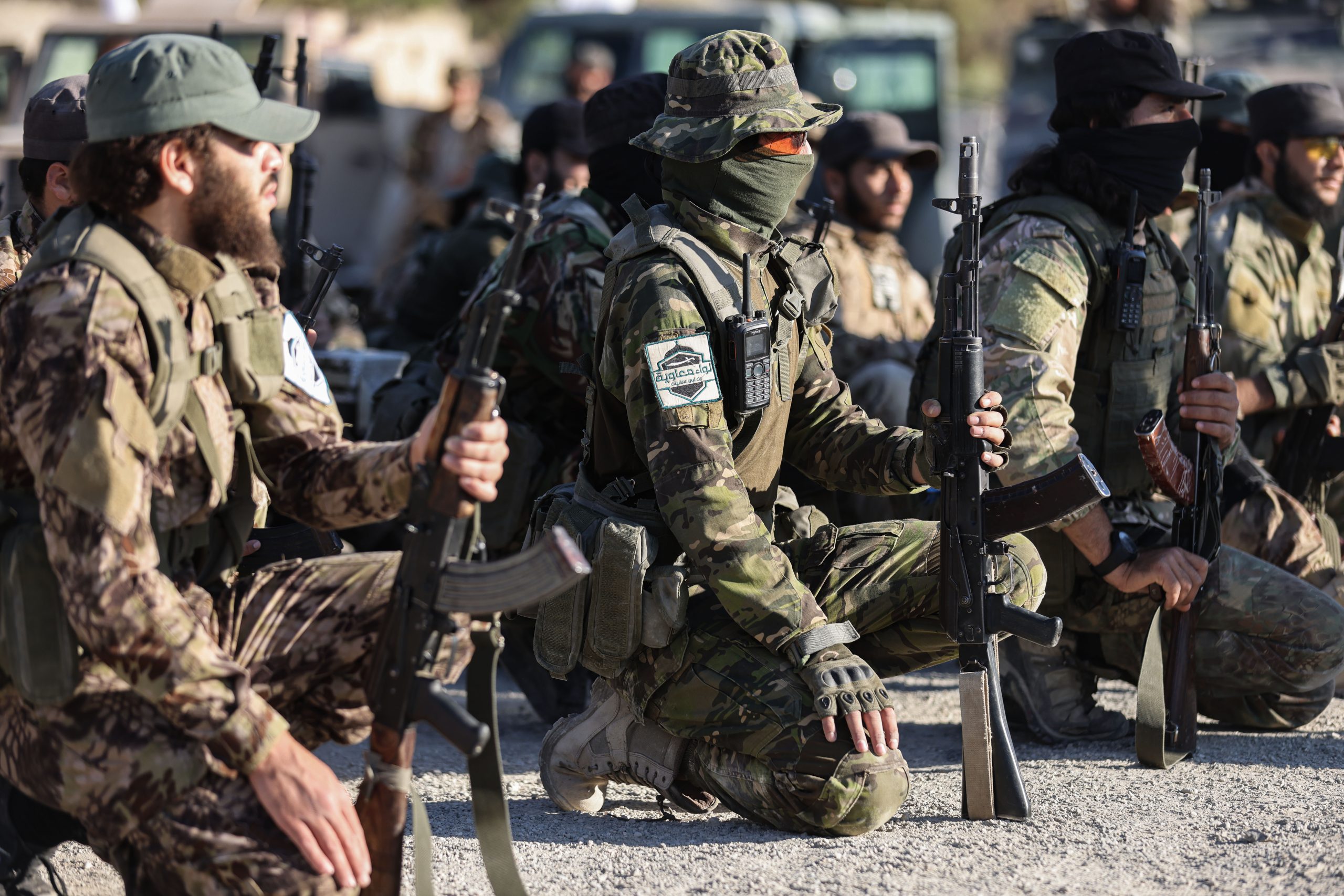
Al-Qaeda is a transnational Salafi-jihadist militant network founded in the late 1980s that operates through a decentralized structure of command elements and regional affiliates. Originally established to wage global jihad against Western targets, the organization has evolved into a distributed network prioritizing localized insurgencies, regional governance disruption, and asymmetric warfare across Africa, the Middle East, and South Asia.
Historical Development and Ideological Foundations
Al-Qaeda emerged during the late stages of the Soviet-Afghan War in the late 1980s. Its origins trace back to Maktab al-Khidamat (the Services Office), an organization created by Palestinian scholar Abdullah Azzam and Saudi national Osama bin Laden to raise funds, recruit foreign fighters, and provide logistical support to the Afghan mujahideen resisting Soviet forces.
As the Soviet army withdrew from Afghanistan, bin Laden and key associates—including Egyptian physician Ayman al-Zawahiri, leader of Egyptian Islamic Jihad—conceived a broader framework. Between 1988 and 1989, they formally established Al-Qaeda (meaning "The Base" in Arabic) to act as an vanguard capable of directing global military operations on behalf of Sunni militant ideology.
- 1980s: Maktab al-Khidamat (Afghan-Soviet War Logistics)
- 1988–1989: Formal Founding of Al-Qaeda Core in Peshawar
- 1998: World Islamic Front Declaration ("Far Enemy" Strategy)
- 2001–Present: Transition to Regional Franchise Network
The fundamental ideology of Al-Qaeda is rooted in radical Salafi-jihadism. Unlike traditional local Islamist groups that focused primarily on overthrowing immediate national rulers (the "near enemy"), Al-Qaeda prioritized attacks against international powers (the "far enemy"), chiefly the United States and its Western allies. The group argued that local secular or non-conforming regimes in Muslim-majority countries could only be dismantled once their external Western backing was severed.
In February 1998, bin Laden and Zawahiri published a manifesto under the banner of the "World Islamic Front for Jihad Against Jews and Crusaders." This text issued a religious ruling asserting that it was an individual duty for Muslims to target American civilians and military personnel globally. This ideological posture led directly to a series of coordinated transnational attacks:
- 1998 U.S. Embassy Bombings: Concurrent truck bombings targeting American embassies in Nairobi, Kenya, and Dar es Salaam, Tanzania, resulting in over 220 deaths.
- 2000 USS Cole Bombing: A suicide attack carried out against the U.S. Navy destroyer USS Cole in the Yemeni port of Aden, killing 17 American sailors.
- September 11 Attacks (2001): Four coordinated hijackings targeting the World Trade Center in New York City, the Pentagon in Arlington, Virginia, and a field near Shanksville, Pennsylvania, resulting in nearly 3,000 casualties and triggering the global War on Terror.
Command Structure and the Franchise Model
Following the U.S.-led invasion of Afghanistan in late 2001, Al-Qaeda lost its primary territorial sanctuary and training infrastructure. In response to sustained military pressure and leadership losses, the central leadership transitioned from an operational command hub into an ideological directorate. This shift gave rise to the franchise model, wherein semi-autonomous regional groups pledged allegiance (bay'ah) to Al-Qaeda's general command while maintaining local operational autonomy.
This decentralized network relies on regional branches to sustain visibility, execute tactical strikes, and secure local resources. While central leadership retains responsibility for strategic guidance and broad ideological parameters, individual branches manage local combat, fundraising, recruitment, and media production.
| Affiliate Name | Primary Operational Region | Formed / Pledged | Strategic Focus and Current Posture |
|---|---|---|---|
| Al-Qaeda in the Arabian Peninsula (AQAP) | Yemen | 2009 | Focuses on tribal warfare, regional insurgency, and asymmetric attacks against international shipping and local forces. |
| Jamā'at Nuṣrat al-Islām wal-Muslimīn (JNIM) | West Africa (Sahel region: Mali, Burkina Faso, Niger) | 2017 | Merged coalition executing high-intensity insurgent campaigns targeting state military forces, international peacekeepers, and local infrastructure. |
| Al-Shabaab | East Africa (Somalia, Kenya) | Pledged 2012 | Operates as a de facto territorial governance and military force, conducting high-profile attacks in Mogadishu and cross-border raids in East Africa. |
| Al-Qaeda in the Islamic Maghreb (AQIM) | North Africa and Sahel | 2006 (formerly GSPC) | Coordinates regional logistics, kidnapping-for-ransom operations, and support networks across North and West Africa. |
| Al-Qaeda in the Indian Subcontinent (AQIS) | South Asia (Afghanistan, Pakistan, Bangladesh, India) | 2014 | Focuses on propaganda distribution, localized targeted attacks, and political infiltration within South Asia. |
Strategic Evolution and Rivalry with ISIS
The ideological and operational landscape of global jihadism experienced a major fracture following the Syrian Civil War. The group formerly known as Al-Qaeda in Iraq (AQI)—originally established by Abu Musab al-Zarqawi—eventually broke ties with Al-Qaeda's central leadership, developing into the Islamic State of Iraq and al-Sham (ISIS/ISIL).
| Feature | Al-Qaeda | ISIS |
|---|---|---|
| Statehood Timeline | Long-term preparation prior to statehood | Immediate state declaration |
| Target Selection | External powers ("Far Enemy") & local bases | Immediate Shia & non-conforming |
| Strategy | Embedded insurgency and local alliances | Territorial seize & strict control |
The split became explicit in 2013 and 2014 when ISIS rejected the authority of Ayman al-Zawahiri. The two organizations differ significantly across strategic, tactical, and theological dimensions:
- Territorial Declaration versus Incrementalism: ISIS prioritized immediate territorial acquisition, declaring a global caliphate in June 2014 and demanding absolute obedience from all global jihadist factions. Conversely, Al-Qaeda advocates a long-term, incremental approach (tamkin), emphasizing political groundwork, local alliance-building, and community embeddedness before attempting to declare a state.
- Sectarian Targeting and Mass Violence: ISIS adopted extreme anti-Shia violence and immediate brutal enforcement of its interpretations against local populations. Al-Qaeda core historically cautioned against unchecked sectarian violence and public displays of extreme brutality that alienate broader Muslim communities, preferring targeted attacks on state apparatuses and foreign military assets.
- Local Integration: Al-Qaeda affiliates like JNIM in West Africa deliberately embed within tribal and ethnic conflict structures, framing themselves as defenders of local communities against state corruption or external intervention.
Counterterrorism Frameworks and International Response
The international community addresses the threat posed by Al-Qaeda through military, legal, and financial counterterrorism measures. These efforts operate under multilateral agreements, national intelligence coordination, and international regulatory mechanisms.
Sanctions and Legal Enforcement
The United Nations Security Council established the ISIL (Da'esh) and Al-Qaeda Sanctions Committee pursuant to Resolutions 1267 (1999), 1989 (2011), and 2253 (2015). This committee imposes mandatory global enforcement measures against listed individuals and entities:
- Asset Freezes: Mandating all states to block funds, financial assets, and economic resources belonging to designated individuals or organizations.
- Travel Bans: Preventing designated individuals from entering or transiting through member state territories.
- Arms Embargoes: Preventing the direct or indirect supply, sale, or transfer of weapons, military equipment, spare parts, and technical advice to designated groups.
Official documentation, compliance frameworks, and updated entity lists are managed directly by the United Nations Security Council Sanctions Committee.
Counter-Financing of Terrorism (CFT)
Financial flows to Al-Qaeda core and its affiliates are actively targeted through global standards set by the Financial Action Task Force (FATF). National financial intelligence units (FIUs) enforce strict Customer Due Diligence (CDD) and anti-money laundering regulations to prevent terror networks from utilizing informal transfer systems like hawala, trade-based money laundering, and digital asset exploitation.
Leadership Decapitation and Intelligence Operations
Sustained military and intelligence operations have systematically targeted Al-Qaeda's core leadership. The death of founder Osama bin Laden in Abbottabad, Pakistan, in May 2011, and the elimination of his successor Ayman al-Zawahiri in Kabul, Afghanistan, in July 2022, severely impaired the group's centralized operational oversight.
- Osama bin Laden (Founder & General Emir)
- Term: 1988 – May 2011 (Eliminated in Abbottabad)
- Ayman al-Zawahiri (General Emir)
- Term: June 2011 – July 2022 (Eliminated in Kabul)
- Saif al-Adel (De Facto Operational Commander)
- Term: 2022 – Present (De Facto operational lead; strategic lead)
Following Zawahiri's death, intelligence assessments—including reports submitted to the UN Security Council—identified Saif al-Adel, a veteran Egyptian military officer and longtime Al-Qaeda strategist, as the group's de facto operational leader. However, the organization has maintained strategic ambiguity by withholding a formal public announcement of succession, reflecting internal security concerns and complex political dynamics surrounding leadership residency in the region.
Current Operational Status and Threat Environment
The current threat posture of Al-Qaeda is defined by geographic divergence: while the organization's central command possesses reduced operational capacity to execute complex, multi-stage attacks inside Western nations, its regional affiliates present severe threats within their operational theaters.
- High Intensity Insurgency: Sahel (JNIM), East Africa (Al-Shabaab)
- Moderate / Persistent: Yemen (AQAP), South Asia (AQIS)
- Low / Latent Capability: Central Core Transnational Strikes
- The Sahelian Theater: Groups associated with JNIM have expanded their territorial presence across West Africa, moving south toward coastal states like Ghana, Togo, and Benin. JNIM exploits political instability following military coups in West Africa to disrupt national armies and local security structures.
- The Horn of Africa: Al-Shabaab remains one of Al-Qaeda's most financially secure and militarily capable branches. It collects extortionate revenues from local trade and executes complex suicide attacks against government and civil targets in Mogadishu.
- South Asia and Afghanistan: Al-Qaeda core maintains a low-profile presence in South Asia, relying on historical ties to regional militant networks for protection while focusing primarily on propaganda production, internal reorganization, and strategic guidance to regional cells.
Threat Monitoring and Risk Assessment
Security practitioners, intelligence analysts, and risk assessments monitor several key indicators to evaluate changes in Al-Qaeda's posture:
- Tracking Territorial Governance Vacuums: Assess regions experiencing state collapse, military withdrawal, or political instability, particularly across West Africa and peripheral areas in South Asia, where affiliates can set up operational sanctuaries.
- Cross-Referencing Sanctions Lists: Regularly review updates from national regulators (such as the U.S. Department of the Treasury's Office of Foreign Assets Control) and international bodies to audit supply chains, financial transactions, and non-profit organizations operating in high-risk zones.
- Evaluating Inter-Jihadi Dynamics: Analyze tactical interactions, localized truces, or open clashes between JNIM/Al-Qaeda cells and local ISIS affiliates (such as ISGS or ISWAP) to anticipate shifts in regional violence patterns.
- Monitoring Strategic Communications: Track primary media outlets (such as the As-Sahab Media Foundation) for changes in official messaging, strategic instructions, or official leadership statements.
Frequently Asked Questions
What is the origin of the name "Al-Qaeda"?
"Al-Qaeda" translates to "The Base" or "The Foundation" in Arabic. The name originated from administrative documentation used during the late 1980s Soviet-Afghan War to record military training camps, logistical routes, and service files for foreign fighters associated with Osama bin Laden and Abdullah Azzam.
How does Al-Qaeda differ structurally from ISIS?
Al-Qaeda functions as a decentralized network of regional affiliates that prioritize local alliance-building, incremental insurgent tactics, and community integration. ISIS operates under a more rigid, centralized command structure that demands immediate territorial control, enforces strict sectarian violence against rival Muslim groups, and insists on immediate submission to its self-proclaimed caliphate.
Who is the current leader of Al-Qaeda?
Following the death of Ayman al-Zawahiri in July 2022, intelligence reports from the United Nations and national security agencies identified Saif al-Adel, a high-ranking Egyptian operational manager, as the de facto leader of the organization. Al-Qaeda has avoided making a formal public announcement regarding his appointment to preserve operational security and manage diplomatic sensitivities.
What are Al-Qaeda's primary operational affiliates today?
Al-Qaeda's most active regional affiliates include Jamā'at Nuṣrat al-Islām wal-Muslimīn (JNIM) in West Africa, Al-Shabaab in Somalia and East Africa, Al-Qaeda in the Arabian Peninsula (AQAP) in Yemen, Al-Qaeda in the Islamic Maghreb (AQIM) in North Africa, and Al-Qaeda in the Indian Subcontinent (AQIS) in South Asia.
How are Al-Qaeda and its affiliates financially sustained?
Al-Qaeda affiliates finance their operations through localized illicit activities, including extortion networks, informal taxation on transit corridors and local businesses, kidnapping for ransom, smuggling commodities, and utilizing informal remittance systems (hawala) to bypass international banking controls.