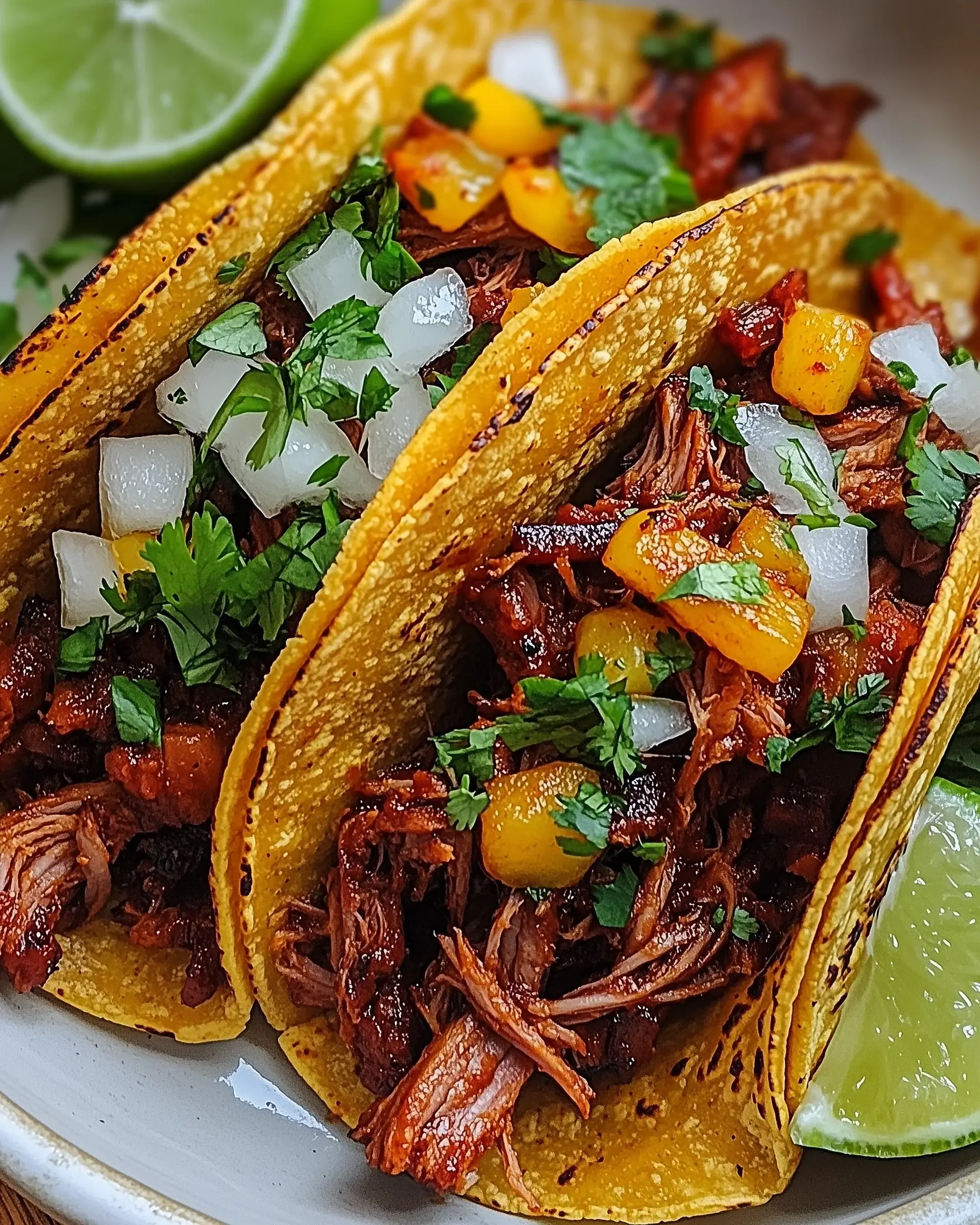
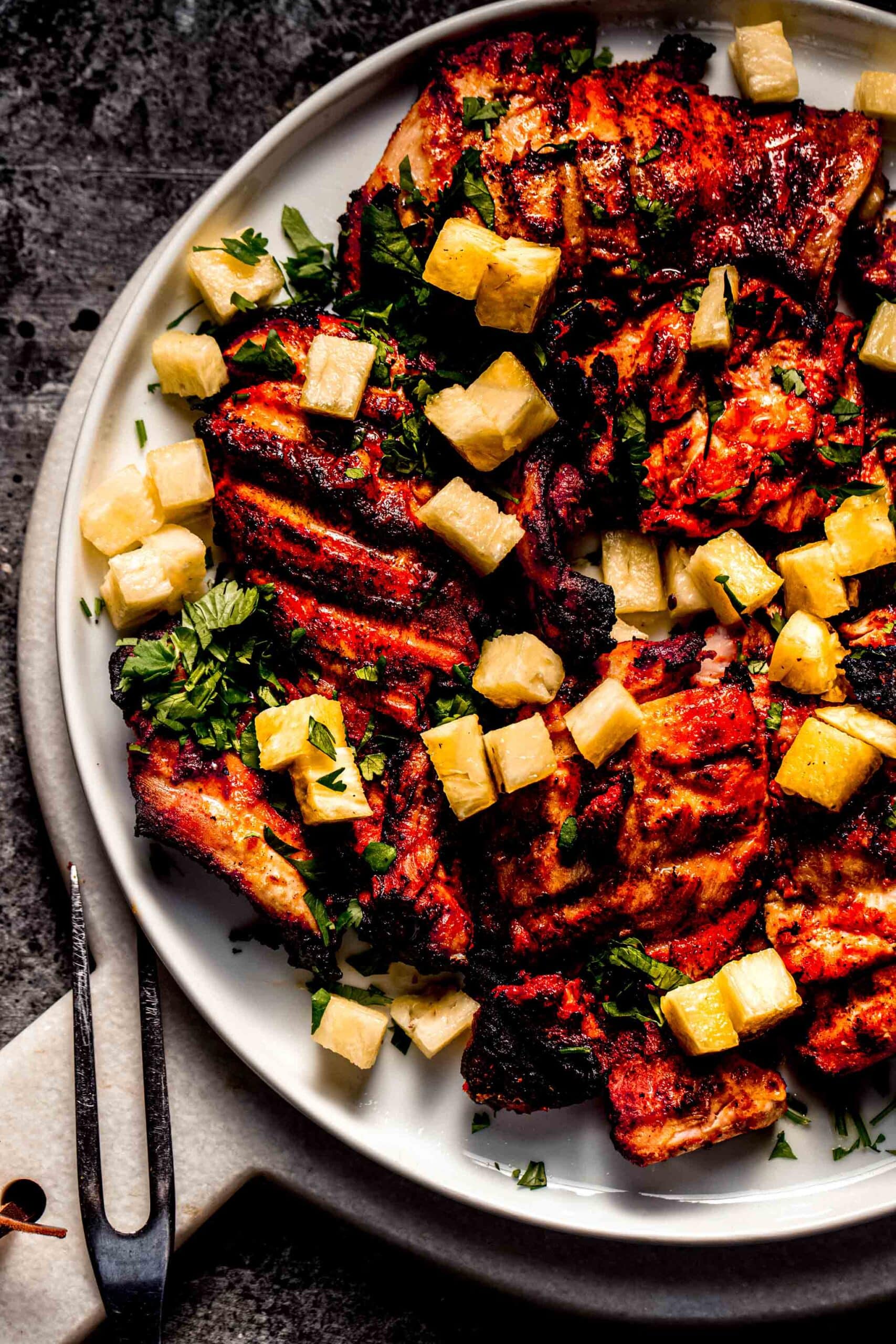
Al pastor is a classic Mexican culinary preparation featuring thin slices of pork marinated in an aromatic blend of dried chiles, achiote paste, citrus, and spices, layered onto a vertical spit called a trompo, and slow-roasted over direct heat. Originating in Central Mexico, this dish masterfully combines Middle Eastern vertical roasting techniques with native Mexican ingredients, creating a tender, smoky, and tangy pork traditional to taco stands worldwide.
The Historical Evolution: From Lebanese Shawarma to Mexican Icon
The story of al pastor is one of the most famous examples of culinary fusion in Latin America. During the late 19th and early 20th centuries, waves of Lebanese immigrants settled in the state of Puebla, Mexico, bringing along their traditional cooking techniques—most notably the vertical spit-roasting method used for lamb shawarma.
Locals in Puebla adapted this cooking style to Mexican palates and local ingredients. Over several decades, lamb was replaced with readily available, affordable pork. The original Middle Eastern spices—such as cumin, cinnamon, and cardamom—were augmented with regional dried chiles (guajillo and ancho), achiote (annatto seed paste), and vinegar or citrus juices. By the 1960s, street vendors in Mexico City had popularized this adaptation under the name tacos al pastor, which translates literally to "tacos in the style of the shepherd," referencing the traditional shepherd roots of lamb shawarma.
Today, al pastor is recognized globally as an indispensable element of Mexican food culture. The cooking style has earned places of honor in street food traditions from Mexico City to international culinary centers, illustrating how migratory patterns shape regional flavor identities over time.
The Science of the Marinade: Chiles, Acids, and Enzymes
The signature red hue and complex profile of al pastor depend entirely on its marinade, often referred to as an adobo. Achieving authentic flavor requires balancing heat, smoke, acidity, and aromatic warmth while maintaining the structural integrity of the meat.
| DRIED CHILES | COLOR & SPICES | ACIDS & ENZYMES |
|---|---|---|
| Guajillo | Achiote Paste | Bitter Orange Juice |
| Ancho | Mexican Oregano | White/Apple Cider Vinegar |
| Chipotle | Cumin & Clove | Fresh Pineapple Juice |
The Chile and Spice Base
- Guajillo Chiles: Dried guajillo chiles provide a brilliant brick-red color, mild heat, and a crisp, fruity flavor profile. They form the backbone of the marinade.
- Ancho Chiles: Dried poblano peppers offer deep, sweet, raisin-like undertones and mild smokiness, anchoring the top notes of the guajillo.
- Achiote (Annatto): Derived from the seeds of the Bixa orellana tree, achiote paste contributes a distinct earthy flavor and intense orange-red pigmentation.
- Warm Aromatics: Mexican oregano, cumin, garlic, allspice, and occasionally small pinches of clove or cinnamon deliver depth that nods to the dish’s Levantine origins.
Acidity and Enzymatic Tenderization
The liquid base of the marinade typically relies on white vinegar, apple cider vinegar, or fresh bitter orange juice (naranja agria). Acid acts as a physical tenderizer by denaturing the surface proteins of the pork, allowing aromatic compounds to penetrate deeper into the meat tissue.
Fresh pineapple juice plays a double role in traditional al pastor recipes. Pineapple contains bromelain, a proteolytic enzyme that actively breaks down complex muscle fibers, tenderizing the pork rapidly. However, excessive exposure to bromelain can degrade meat tissue into a mushy texture. Chefs limit marinating times to between 4 and 12 hours when using fresh juice, or use cooked pineapple juice—where heat inactivates the enzyme—to gain sweetness without breaking down protein structures prematurely.
Mechanics of the Trompo: Vertical Roasting Dynamics
The defining culinary characteristic of street-style al pastor is the trompo (spinning top), a vertical rotisserie rod loaded with tightly layered, thin-cut pork shoulder or loin.
- Fresh Pineapple Top
- Pork Layers (Basted by rendering fat and dripping pineapple juice)
- Gas/Charcoal Heat
As the vertical cylinder turns beside a vertical gas or charcoal burner, several thermal and chemical processes take place:
- Continuous Self-Basting: The spit is topped with a peeled, fresh pineapple. As the heat radiates against the spinning tower, fat renders from upper layers of pork, and sweet juice drips down from the top. This continuous flow coats the lower layers, keeping the exterior moist while caramelizing sugars on the outer surface.
- Maillard Browning: High radial heat drives the Maillard reaction—a chemical reaction between amino acids and reducing sugars—creating a crisp, deeply savory crust on the outermost layer of pork.
- Layer Slicing: Taqueros use extremely sharp long-blended knives to shave off thin, crispy ribbons of meat directly into a warm corn tortilla held in the opposite hand. As the outer caramelized layer is shaved off, the raw or partially cooked interior layer is exposed to the flame to brown for the next serving round.
Comparing Preparation Methods: Commercial vs. Home Adaptations
While street vendors use high-capacity vertical broilers that hold tens of kilograms of pork, home cooks can reproduce these flavor profiles using domestic equipment.
| Method | Equipment Needed | Temperature / Heat Source | Pros | Cons / Limitations |
|---|---|---|---|---|
| Traditional Vertical Spit | Commercial gas/charcoal trompo unit | Direct vertical radiant heat (high) | Authentic char, rapid outer crust development, self-basting | Expensive, specialized equipment; requires large quantities of meat |
| Mini Indoor Vertical Skewer | Countertop mini-spit or vertical loaf pin | Oven at 375°F (190°C) + Broiler finish | Replicates vertical basting and stacked structure | Slower cook time; lower airflow compared to outdoor commercial burners |
| Cast Iron Skillet / Griddle | Heavy cast iron pan or flat-top steel | Direct stovetop burner heat (high) | Excellent edge caramelization, fast cook time, highly accessible | Lacks continuous vertical basting; requires cooking in small batches |
| Sheet Pan Oven Roasting | Heavy baking sheet lined with foil | High oven roasting 425°F (220°C) | Hands-off method, handles medium-large batches easily | Can produce rendered liquid in pan, requiring high broiling to finish |
| Rotisserie Spit (Outdoor Grill) | Outdoor gas or charcoal grill with motor | Indirect heat 350°F–400°F with rear burner | Excellent smoky flavor, natural rendering and crisping | Requires grill setup and assembly of horizontal rotisserie hardware |
Step-by-Step Home Preparation Guide
To achieve authentic results in a domestic kitchen without commercial equipment, home cooks can use a layered roasting approach or direct cast-iron searing.
- Phase 1: Slice & Trim
- Phase 2: Adobo Marinade
- Phase 3: Layer & Stack
- Phase 4: High Heat Sear
Step 1: Pork Selection and Slicing
Choose pork shoulder (boneless pork butt), which offers an ideal ratio of connective tissue and intramuscular fat (roughly 80/20 lean-to-fat). Slice the pork across the grain into very thin sheets—approximately 1/8-inch to 1/4-inch thick. Chilling the pork in the freezer for 30–45 minutes prior to slicing makes precise cuts easier.
Step 2: Preparing the Adobo Marinade
- Deseed and stem 4 dried guajillo chiles and 2 dried ancho chiles.
- Toast the chiles in a dry pan for 1–2 minutes until fragrant, then rehydrate them in hot water for 15 minutes.
- Blend the softened chiles with 3 tablespoons of achiote paste, 1/4 cup apple cider vinegar, 1/2 cup fresh orange juice, 4 cloves of garlic, 1 teaspoon dried Mexican oregano, 1/2 teaspoon ground cumin, 1/4 teaspoon ground cloves, and 1.5 teaspoons of fine sea salt until completely smooth.
- Strain the mixture through a fine-mesh sieve to remove any remaining chile skin fragments.
Step 3: Marinating
Coat the pork slices thoroughly with the strained adobo sauce. Cover and refrigerate. Allow the pork to marinate for a minimum of 4 hours, and up to 12 hours. If using fresh, unpasteurized pineapple juice in the marinade, do not exceed 6 hours to prevent excess softening of the muscle fibers.
Step 4: Cooking and Crisping Options
Option A: Mini Vertical Stack (Oven Method)
Insert a long metal or wooden skewer upright into a thick slice of pineapple resting on a foil-lined baking sheet. Thread the marinated pork slices onto the skewer, pressing down firmly to form a compact column. Top the column with another slice of pineapple. Roast at 375°F (190°C) for roughly 1.5 to 2 hours until the internal temperature reaches safe levels. Finish under the oven broiler for 5 minutes to crisp the edges, then slice down the column vertically.
Option B: Cast Iron Pan-Sear (Fastest Method)
Stack the marinated pork slices flat, freeze briefly to firm them, and slice them into thin strips or small bite-sized pieces. Heat a cast iron skillet over high heat until smoking. Add a small amount of neutral oil and cook the pork strips in a single layer without overcrowding the pan. Sear quickly for 3–5 minutes until the edges char and caramelize.
Food Safety and Handling Guidelines
When preparing pork dishes like al pastor, kitchen safety protocols prevent foodborne illnesses, particularly when working with raw meats and acidic marinades.
- Internal Cooking Temperature: Raw pork must reach a minimum internal temperature of 145°F (63°C) followed by a 3-minute rest period according to the USDA Food Safety and Inspection Service. When using ground pork adaptations, cook to at least 160°F (71°C).
- Cross-Contamination Prevention: Never reuse marinade that has touched raw pork as a finishing sauce or dipping glaze unless it has been brought to a rolling boil for at least 2 to 3 minutes to destroy bacteria.
- Refrigeration Storage: Keep raw marinating pork held consistently below 40°F (4°C). Store cooked al pastor leftovers in airtight containers for no more than 3 to 4 days in the refrigerator, or freeze for up to 3 months.
Serving and Pairing Suggestions
Authentic al pastor is traditional served minimalist-style, emphasizing the harmony between rich, spiced pork, sharp fresh herbs, and bright acids.
Fresh Corn Tortilla (Warmed/Lightly Oiled)
- Slice of Crispy Pork
- Diced Pineapple
- Cilantro & Onion
- Salsa Verde
- Slice of Crispy Pork
Tortillas: Warm, small corn tortillas—preferably doubled up—serve as the ideal base. Lightly dipping the edges of the tortilla in rendered pork fat on the griddle before warming enhances flavor and structural flexibility.
Garnishes: Fine-diced white onion, fresh chopped cilantro, and a small wedge of grilled or warm roasted pineapple.
Salsas: Vibrant green salsas (salsa verde) made from charred green tomatillos, serrano chiles, and garlic provide an acid counterpoint to the rich, spiced pork fat.
Beverages: Pair with crisp Mexican lagers, traditional agua de horchata (sweet rice milk), or agua de jamaica (tart hibiscus tea) to balance heat and richness.
Frequently Asked Questions
What is the primary difference between al pastor, adobada, and carnitas?
While all three feature pork, their marinades and cooking techniques differ significantly. Al pastor is marinated in an achiote-chile blend and cooked on a vertical spinning rotisserie (trompo). Adobada uses a similar chile-vinegar marinade but is typically cooked on a flat grill, pan-seared, or braised without a vertical spit. Carnitas refers to pork shoulder slow-simmered in melted lard (confit technique) until tender, then crisping up in its own fat, usually seasoned with citrus, salt, and aromatic herbs rather than heavy dried chiles.
Can al pastor be made with chicken or beef?
Yes. While traditional al pastor uses pork shoulder, chicken thighs (pollo al pastor) and beef cuts can be prepared using the exact same adobo marinade and roasting steps. Dark chicken meat is preferred over breast meat because its higher fat content prevents it from drying out during high-heat roasting.
Why is pineapple used in al pastor?
Pineapple serves two key roles. Mechanically, the raw fruit contains the enzyme bromelain, which breaks down tough meat fibers during marination. Culinary-wise, the sweetness and acidity of fresh pineapple cut through the rich fat of the pork and complement the earthy, smoky spices in the guajillo-achiote adobo marinade.
How do I prevent my pork from becoming mushy when using fresh pineapple juice?
Fresh pineapple juice contains active enzymes that digest meat proteins quickly. Limit the marination time to under 6 hours when using unheated fresh juice. Alternatively, heat the pineapple juice to a boil and let it cool completely before adding it to the marinade, or use canned pineapple juice; thermal processing pasteurizes the juice and deactivates the bromelain enzyme, allowing for longer marination without altering texture.
Is al pastor spicy?
Standard al pastor marinade is rich, earthy, smoky, and mildly tangy rather than hot. Guajillo and ancho chiles provide deep flavor and bright red color with minimal scoville heat. The heat level of tacos al pastor is typically controlled at the table by adding fresh red or green salsa.
Optimizing Your Next Tacos Al Pastor Cook
To achieve taco-stand-quality results at home, focus on knife work and temperature control:
- Prioritize Cut Thickness: Slice pork shoulder as thin as possible. Thick cuts absorb less marinade per pound and struggle to form crispy, caramelized edges without drying out the center.
- Sear in Small Batches: If using a cast iron skillet, avoid overcrowding the pan. Crowding traps steam, causing the pork to boil in its own juices rather than caramelize against the hot metal.
- Oil the Tortillas: Lightly brush your corn tortillas with rendered pork fat or neutral oil before warming them on a hot griddle until flexible and lightly charred.
- Balance Freshness: Always finish the dish with raw white onion, fresh cilantro, and a squeeze of fresh lime juice to contrast the deep warmth of the achiote-guajillo adobo.