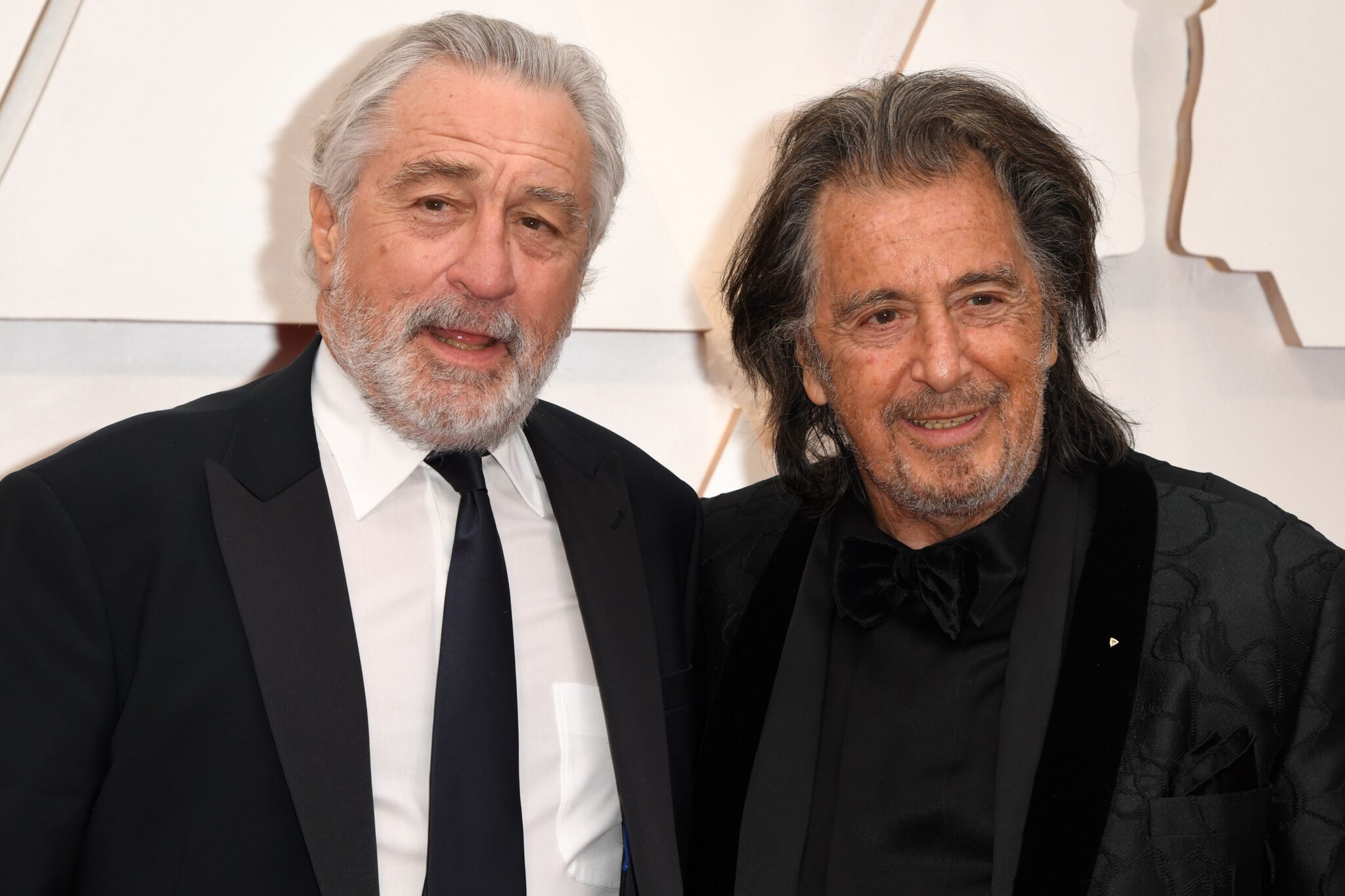
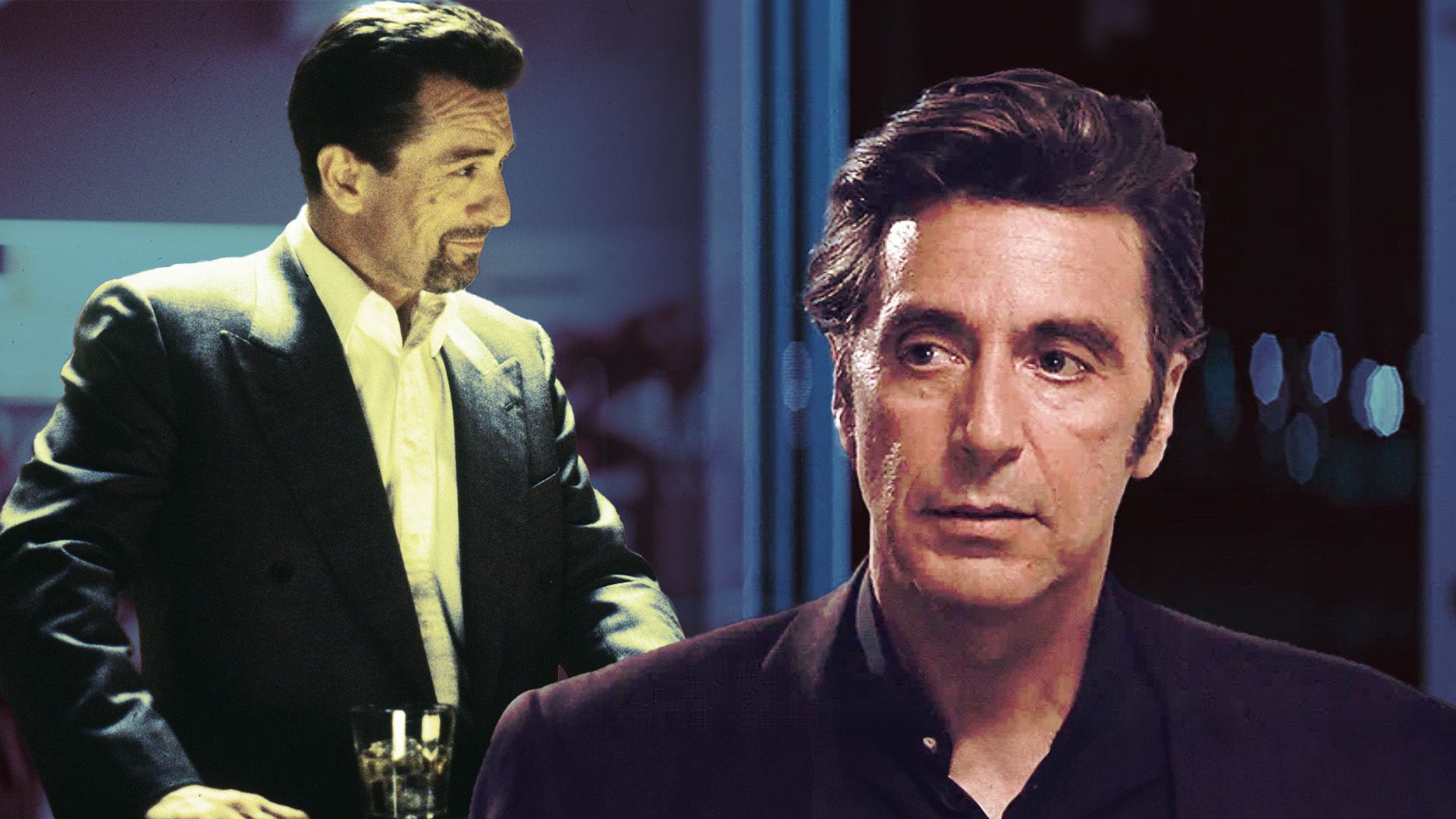
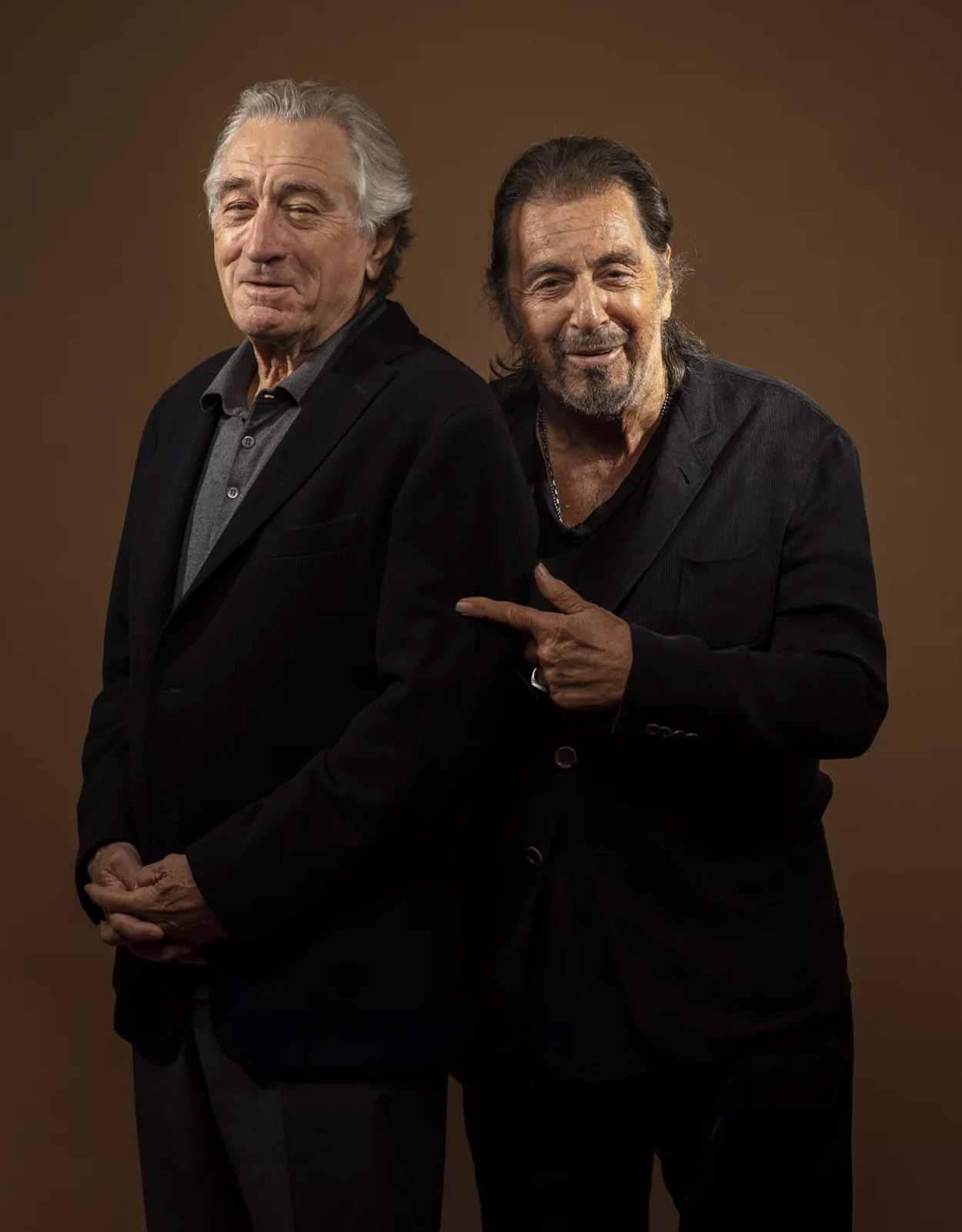
Al Pacino and Robert De Niro have appeared in four feature films together: The Godfather Part II (1974), Heat (1995), Righteous Kill (2008), and The Irishman (2019). Despite starring in The Godfather Part II, they share physical screen time in only three of these titles, spanning iconic coffee shop confrontations, joint detective investigations, and tragic biographical dynamics.
The Cinematic Parallel: How Two Icons Defined Modern Acting
Al Pacino and Robert De Niro emerged during the American cinema renaissance of the 1970s, often referred to as the New Hollywood era. Both actors of Italian-American heritage brought intense, Method-acting discipline to modern cinema, studying under legendary instructors like Lee Strasberg and Stella Adler. Throughout the 1970s and 1980s, their careers ran on parallel tracks, establishing them as two of the most revered screen performers in film history.
Despite their shared trajectory and frequent comparisons by film critics, the two stars rarely crossed paths on camera for the first two decades of their careers. Their professional relationship is defined by a unique progression: first sharing a film structure without sharing a frame, then sharing a single masterwork scene, and eventually sharing the screen as sustained co-stars in their later years. Understanding their work together requires analyzing both the narrative contexts of their projects and the technical craftsmanship behind their onscreen interactions.
1. The Godfather Part II (1974): Dual Timelines Without a Shared Frame
Directed by Francis Ford Coppola, The Godfather Part II is widely considered one of the greatest sequels in cinema history. The film presents two parallel storylines: the continuing downfall of Michael Corleone (Al Pacino) in the 1950s and the rise of his father, a young Vito Corleone (Robert De Niro), in early 20th-century New York.
Timeline A (1910s–1920s): Young Vito Corleone (Robert De Niro) Timeline B (1950s): Michael Corleone (Al Pacino) Result: Zero shared scenes or physical interactions on camera.
Because the narrative is split temporally across decades, Pacino and De Niro never appear in the same scene, frame, or location. De Niro spent his production time filming Vito's origins, meticulously adopting the Sicilian dialect and vocal mannerisms of Marlon Brando (who played older Vito in the original film). Pacino anchored the contemporary storyline depicting Michael's expanding empire and personal isolation.
Although they shared zero screen time, The Godfather Part II linked their legacies permanently. The film won six Academy Awards, including Best Picture. De Niro won the Academy Award for Best Supporting Actor for his portrayal of young Vito, while Pacino received a nomination for Best Actor. The project established a cinematic pairing in the minds of audiences long before they ever filmed a line of dialogue together.
2. Heat (1995): The Historic First On-Screen Interaction
It took 21 years after The Godfather Part II for director Michael Mann to bring Pacino and De Niro into the same physical frame in Heat (1995). The crime epic pits obsessive LAPD Robbery-Homicide Lieutenant Vincent Hanna (Pacino) against meticulous high-stakes thief Neil McCauley (De Niro).
The Landmark Diner Scene
The centerpiece of the film—and one of the most famous dialogue sequences in crime cinema—occurs when Hanna pulls McCauley over on a Los Angeles freeway and invites him to sit down for a cup of coffee at Kate Mantilini, a restaurant in Beverly Hills.
- Dialogue Structure: The scene lasts roughly six minutes. The dialogue is grounded, tense, and deeply philosophical, establishing that both men recognize their mutual professionalism while acknowledging they will not hesitate to eliminate the other if forced.
- Cinematography: Mann shot the conversation using over-the-shoulder shot/reverse-shot coverage with two simultaneous cameras. Because Mann prioritized reaction shots over a wide two-shot, a persistent urban legend arose claiming the actors were never in the room at the same time. Mann, Pacino, and De Niro have repeatedly debunked this, confirming both actors sat directly opposite each other throughout the multi-take shoot.
- Cultural Impact: The scene marked the first time in cinema history that Al Pacino and Robert De Niro shared dialogue on screen.
The LAX Tarmac Climax
The film's final sequence provides their second and final shared moment in Heat. After a pursuit through the light and shadows of Los Angeles International Airport, Hanna fatally shoots McCauley on the tarmac. As McCauley dies, Hanna takes his hand in silence. This brief, non-verbal interaction serves as a dramatic bookend to their earlier coffee shop conversation, emphasizing their unspoken mutual respect.
3. Righteous Kill (2008): Full-Length Lead Partnership
Directed by Jon Avnet, Righteous Kill marked a major shift in how the actors were paired. Unlike The Godfather Part II (separate timelines) or Heat (antagonists sharing two brief scenes), Righteous Kill cast Pacino and De Niro as primary co-leads who spend almost the entire film on screen together.
Narrative Context and Shared Dynamics
De Niro plays Detective Tom "Turk" Cowan, and Pacino plays Detective Charles "Rooster" Dinero, two veteran NYPD partners investigating a vigilante serial killer targeting criminals who escaped legal punishment.
- Screen Time Volume: The actors share dozens of scenes, exchanging banter, participating in police interrogations, and pursuing leads side-by-side throughout the 101-minute runtime.
- Critical Reception: Despite the high anticipation of seeing both icons share extensive screen time, Righteous Kill received mixed-to-negative reviews from critics. Many reviewers felt the film's formulaic plot and twist-reliant script did not match the dramatic prestige of their earlier work in Heat or The Godfather Part II.
Despite its critical limitations, Righteous Kill remains noteworthy as the first film where audiences could watch Pacino and De Niro function as an active on-screen double act for the duration of a feature film.
4. The Irishman (2019): Deep Collaborative Character Study
In 2019, Martin Scorsese reunited De Niro and Pacino for The Irishman, an epic biographical crime drama produced for Netflix. The narrative adapts Charles Brandt's book I Heard You Paint Houses, chronicling the life of mob hitman Frank Sheeran (De Niro) and his long involvement with Teamsters union leader Jimmy Hoffa (Pacino).
The Sheeran-Hoffa Relationship
The Irishman features the most extensive and emotionally complex shared screen performances of Pacino and De Niro's careers. Unlike the adversarial dynamic in Heat or the buddy-cop routine in Righteous Kill, The Irishman centers on a genuine friendship torn apart by organizational loyalty.
- Substantive Screen Time: Pacino and De Niro share numerous intimate conversations, political rallies, hotel room discussions, and private strategy sessions across the film's three-and-a-half-hour runtime.
- De-Aging Technology: Visual effects studio Industrial Light & Magic (ILM) utilized custom digital de-aging software to allow De Niro and Pacino to play their characters across several decades—from middle age to old age—without recasting younger actors.
- Critical Acclaim: Pacino's performance as the charismatic, volatile Hoffa earned him an Academy Award nomination for Best Supporting Actor, while De Niro's grounded, interior performance as Sheeran was widely praised. Critics hailed the film as a late-career triumph for both actors and director Martin Scorsese.
Comparison of Pacino and De Niro Screen Collaborations
The table below outlines the core technical details, shared screen times, and nature of the performances across all four films featuring both actors.
| Film Title | Release Year | Director | Pacino Role | De Niro Role | Shared Screen Time? | Key Shared Scenes / Dynamic |
|---|---|---|---|---|---|---|
| The Godfather Part II | 1974 | Francis Ford Coppola | Michael Corleone | Vito Corleone (Young) | No | Parallel timelines; no physical interaction on camera. |
| Heat | 1995 | Michael Mann | Lt. Vincent Hanna | Neil McCauley | Yes (~8 minutes total) | Kate Mantilini diner dialogue; LAX tarmac final showdown. |
| Righteous Kill | 2008 | Jon Avnet | Det. Charles "Rooster" Dinero | Det. Tom "Turk" Cowan | Yes (Extensive / Co-leads) | NYPD detective partnership throughout the majority of the film. |
| The Irishman | 2019 | Martin Scorsese | Jimmy Hoffa | Frank Sheeran | Yes (Extensive / Co-leads) | Union meetings, personal travels, private negotiations, and eventual betrayal. |
Technical and Production Innovations in Their Joint Films
The collaborations between Pacino and De Niro have often aligned with significant technical developments in filmmaking.
Dual-Camera Coverage in Heat
When shooting the diner scene in Heat, director Michael Mann opted not to rehearse the scene extensively beforehand, wanting to capture the raw spontaneity of the actors' first physical confrontation. Mann set up two line-of-sight cameras simultaneously—one pointing at Pacino, the other at De Niro. This allowed both actors to improvise slight cadence changes while ensuring their natural reactions were captured in real-time master takes.
Digital De-Aging in The Irishman
To depict characters across a 40-year timeline, The Irishman bypassed traditional prosthetic makeup in favor of an advanced digital de-aging rig.
- Three-Camera Rig: Scorsese used a specialized camera setup consisting of a central ARRI Alexa Mini flanked by two infrared witness cameras to capture spatial depth without requiring physical tracking markers on the actors' faces.
- Performance Capture: ILM created software called FLUX (Facial Capture System), which analyzed the lighting, textures, and geometry of the actors' faces on set, cross-referencing them with digital archives of Pacino and De Niro from their earlier 1970s and 1980s films.
- Physicality: While the digital software successfully removed facial wrinkles and restored youthful features, both actors engaged in movement coaching to match the physical posture and agility of younger men during their shared physical scenes.
Non-Narrative and Documentary Appearances
Beyond feature films, Pacino and De Niro have shared the stage and screen in several non-narrative contexts, documentaries, and industry tributes:
- AFI Life Achievement Awards: Both actors have frequently appeared to deliver speeches honoring one another and mutual colleagues, including tribute broadcasts for Francis Ford Coppola and Martin Scorsese.
- The Godfather 45th Anniversary Reunion (2017): At the Tribeca Festival, Pacino, De Niro, Coppola, and key cast members appeared together on stage for an extensive panel discussion regarding their work on The Godfather series.
- Documentary Appearances: Both actors have contributed commentary to historical film documentaries, such as Casting By (2012), discussing the impact of casting directors on their early careers.
Frequently Asked Questions
Do Al Pacino and Robert De Niro share any scenes in The Godfather Part II?
No. Although both actors star in The Godfather Part II, their characters exist in completely different time periods. Robert De Niro plays young Vito Corleone in the 1910s and 1920s, while Al Pacino plays Michael Corleone in the 1950s. They do not share a single frame of screen time in the film.
Were Al Pacino and Robert De Niro actually in the room together during the Heat diner scene?
Yes. Despite a long-standing urban legend suggesting the scene was filmed separately due to the use of over-the-shoulder shot/reverse-shot editing, director Michael Mann and both actors have confirmed they sat across from each other and filmed the scene together using two simultaneous cameras.
How many total movies have Al Pacino and Robert De Niro made together?
They have appeared in four feature narrative films together: The Godfather Part II (1974), Heat (1995), Righteous Kill (2008), and The Irishman (2019).
Which film features the most shared screen time between Pacino and De Niro?
The Irishman (2019) features the highest volume of substantive shared screen time between the two actors, depicting the decades-long personal and political relationship between Jimmy Hoffa (Pacino) and Frank Sheeran (De Niro). While Righteous Kill (2008) also features them together throughout the film, The Irishman offers far more extensive narrative interaction.
Did Al Pacino or Robert De Niro win Oscars for their shared movies?
Robert De Niro won the Academy Award for Best Supporting Actor for The Godfather Part II (1974). Al Pacino was nominated for Best Actor for The Godfather Part II and Best Supporting Actor for The Irishman (2019).
How to Experience Their Combined Filmography
For viewers looking to explore the joint filmography of Al Pacino and Robert De Niro, watching their collaborations in chronological order provides a fascinating study in film history and acting style evolution.
- Start with The Godfather Part II (1974): Observe how both actors independently approach the shared heritage of the Corleone family line. Focus on De Niro's vocal choices to mirror Marlon Brando alongside Pacino's internal portrayal of Michael's moral isolation.
- Continue with Heat (1995): Pay close attention to the economy of performance in the diner scene. Contrast Pacino's expressive, external energy with De Niro's restrained, internal minimalism.
- Examine Righteous Kill (2008): View this entry as a traditional genre exercise that offers insight into late 2000s crime drama conventions and the natural rapport between long-time friends.
- Conclude with The Irishman (2019): Analyze how decades of real-world friendship and professional respect inform their portrayal of Frank Sheeran and Jimmy Hoffa, representing the definitive culmination of their on-screen work together.