The legendary moniker "the ultimate power trio" describing Al Pacino, Robert De Niro, and Curtis "50 Cent" Jackson stems from their unexpected collaboration in the 2008 crime thriller Righteous Kill. This unique union bridged classic Hollywood mob cinema with modern hip-hop mogul culture, producing an iconic press tour and enduring pop-culture legacy that continues to fascinate film and music audiences alike.
The Origin of the Trio: Inside the 2008 Crime Thriller 'Righteous Kill'
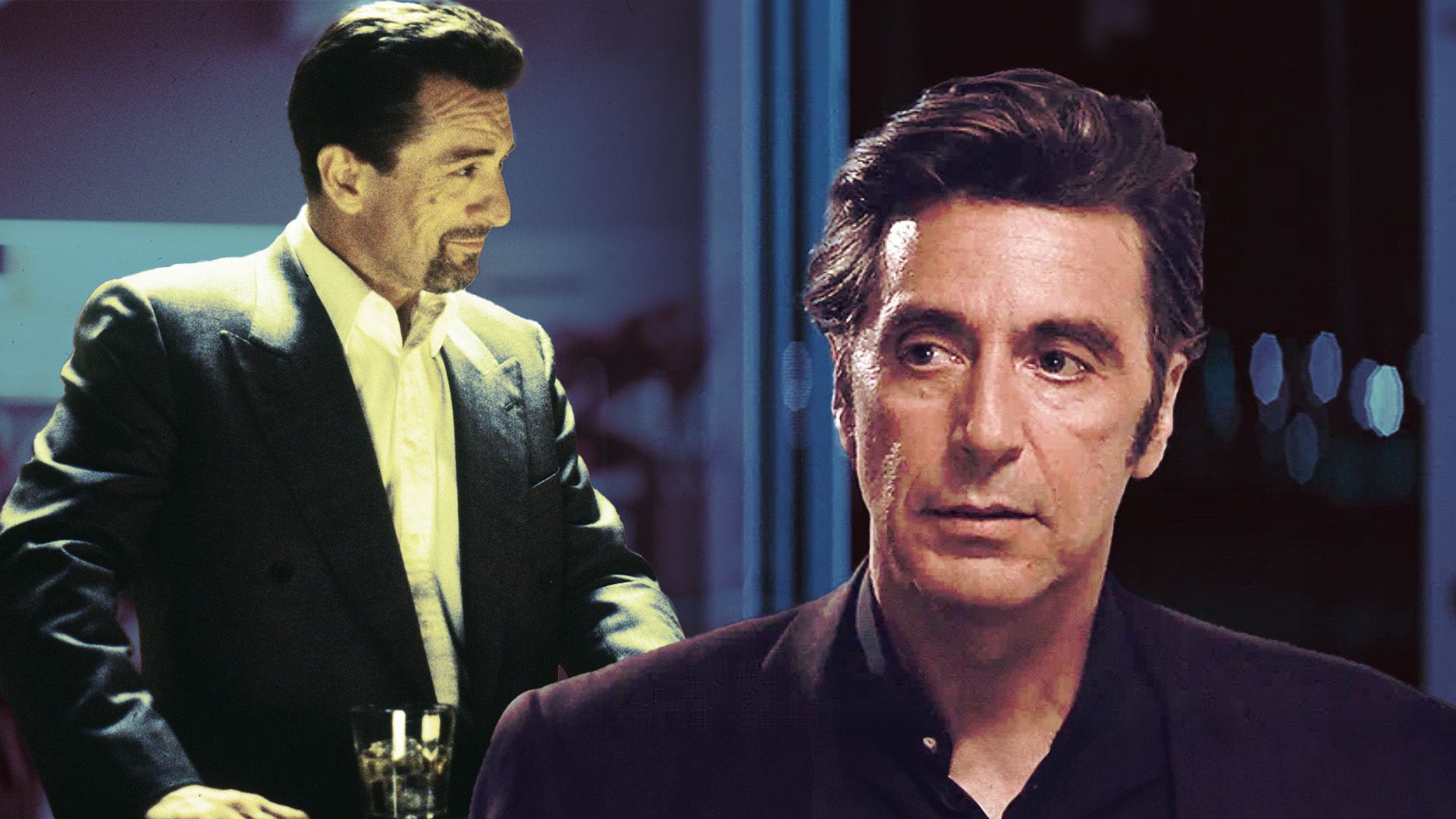
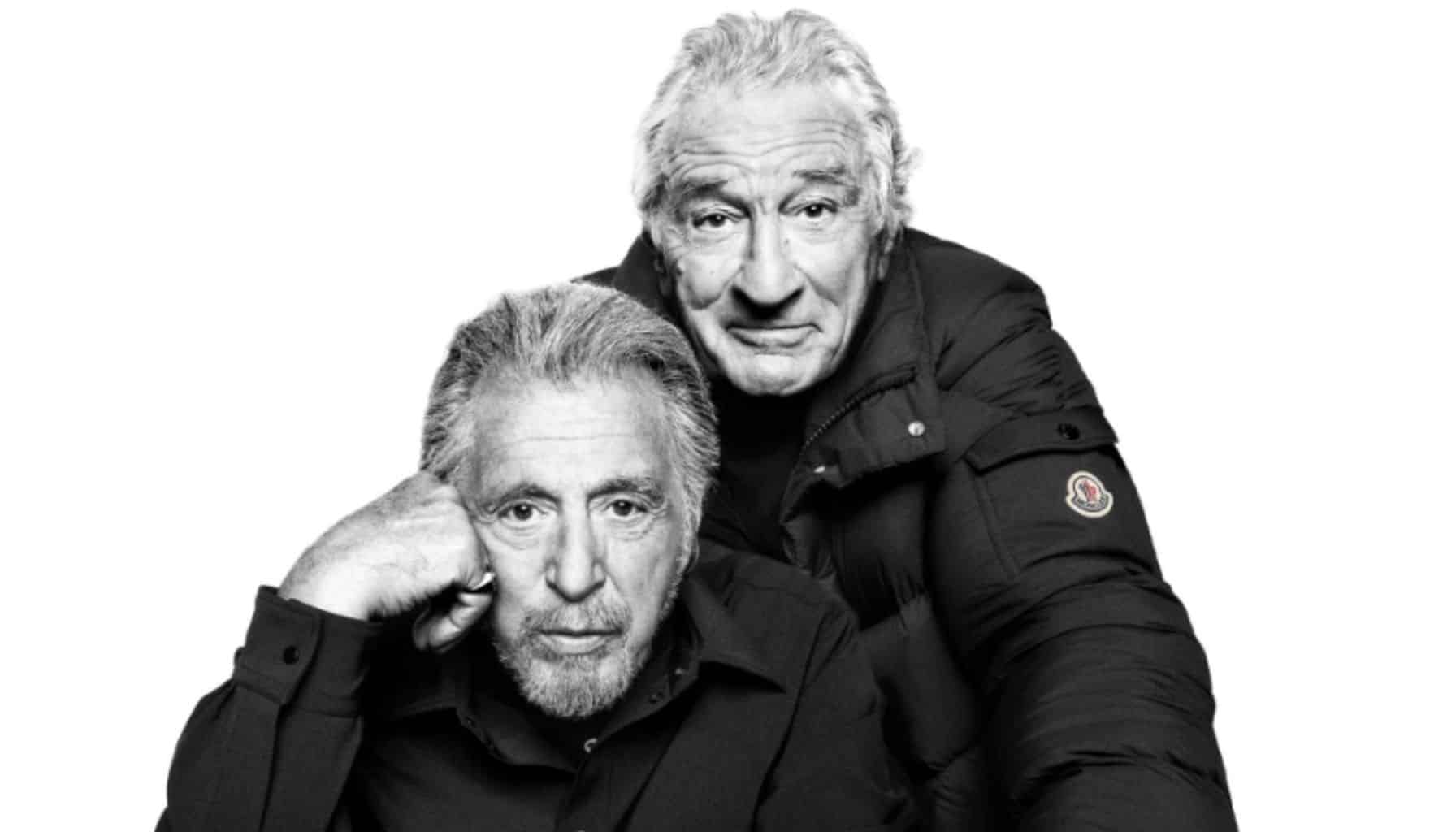
In the mid-2000s, news that Academy Award winners Al Pacino and Robert De Niro would co-star in a feature film as veteran detective partners sent shockwaves through the film industry. While both actors had appeared in Francis Ford Coppola's The Godfather Part II (1974), they shared no screen time due to parallel timeline narratives. Their first actual on-screen face-off occurred in Michael Mann’s 1995 masterpiece Heat, but their shared scenes were famously brief. Righteous Kill, directed by Jon Avnet and written by Russell Gewirtz, promised audiences extended scenes of the two screen icons working side by side for the duration of a full feature film.
Adding a striking modern layer to this casting dynamic was the inclusion of Curtis "50 Cent" Jackson. By 2008, Jackson was not only one of the highest-selling hip-hop artists in the world following his multi-platinum albums Get Rich or Die Tryin' and The Massacre, but he was also aggressively expanding his footprint in Hollywood.
In Righteous Kill, De Niro plays Detective Thomas Cowan (alias "Turk") and Pacino plays Detective David Fisk (alias "Rooster"), two NYPD veterans investigating a series of vigilante executions targeting acquitted criminals. Jackson was cast as Marcus "Spider" Smith, a former drug dealer turned nightclub owner who becomes a crucial person of interest and informant in their investigation. The intersection of these three figures—two pillars of 20th-century American cinema and one of the defining hip-hop figures of the 21st century—created an immediate media sensation.
Blending Mob Cinema Royalty with Hip-Hop Mogul Culture
The dynamic between Pacino, De Niro, and 50 Cent represented far more than a routine film casting choice; it symbolized a deep artistic overlap between hip-hop culture and classic American crime cinema. For decades, hip-hop artists had drawn thematic inspiration from the cinematic works of Pacino and De Niro. Films such as Scarface (1983), The Godfather series, Goodfellas (1990), and Casino (1995) served as foundational cultural touchstones for rap lyrics, music videos, and personal branding strategies.
Jackson had frequently cited Pacino's portrayal of Tony Montana and De Niro's performances in mob dramas as major influences on his artistic persona. Stepping onto a film set as a co-star alongside these actors marked a full-circle moment for hip-hop's crossover into mainstream Hollywood. During production and press junkets, Jackson frequently spoke about observing the meticulous Method acting techniques and disciplined professionalism of both senior actors.
For Pacino and De Niro, working with Jackson demonstrated an engagement with contemporary youth culture and the expanding business model of music icons entering film production. The contrast between traditional theatrical acting traditions and the raw, street-bred authenticity Jackson brought to his role created an intriguing promotional narrative that captured the attention of both classic cinephiles and music fans.
Critical Reception vs. Internet Immortality: The Birth of a Cultural Meme
Upon its release in September 2008, Righteous Kill achieved modest commercial success, grossing over $78 million worldwide against a production budget of approximately $60 million. However, film critics offered mixed reviews, often noting that the script did not fully leverage the legendary potential of pairing Pacino and De Niro. Despite the film's tempered critical response, the cultural imagery surrounding its promotional campaign achieved a long-lasting second life online.
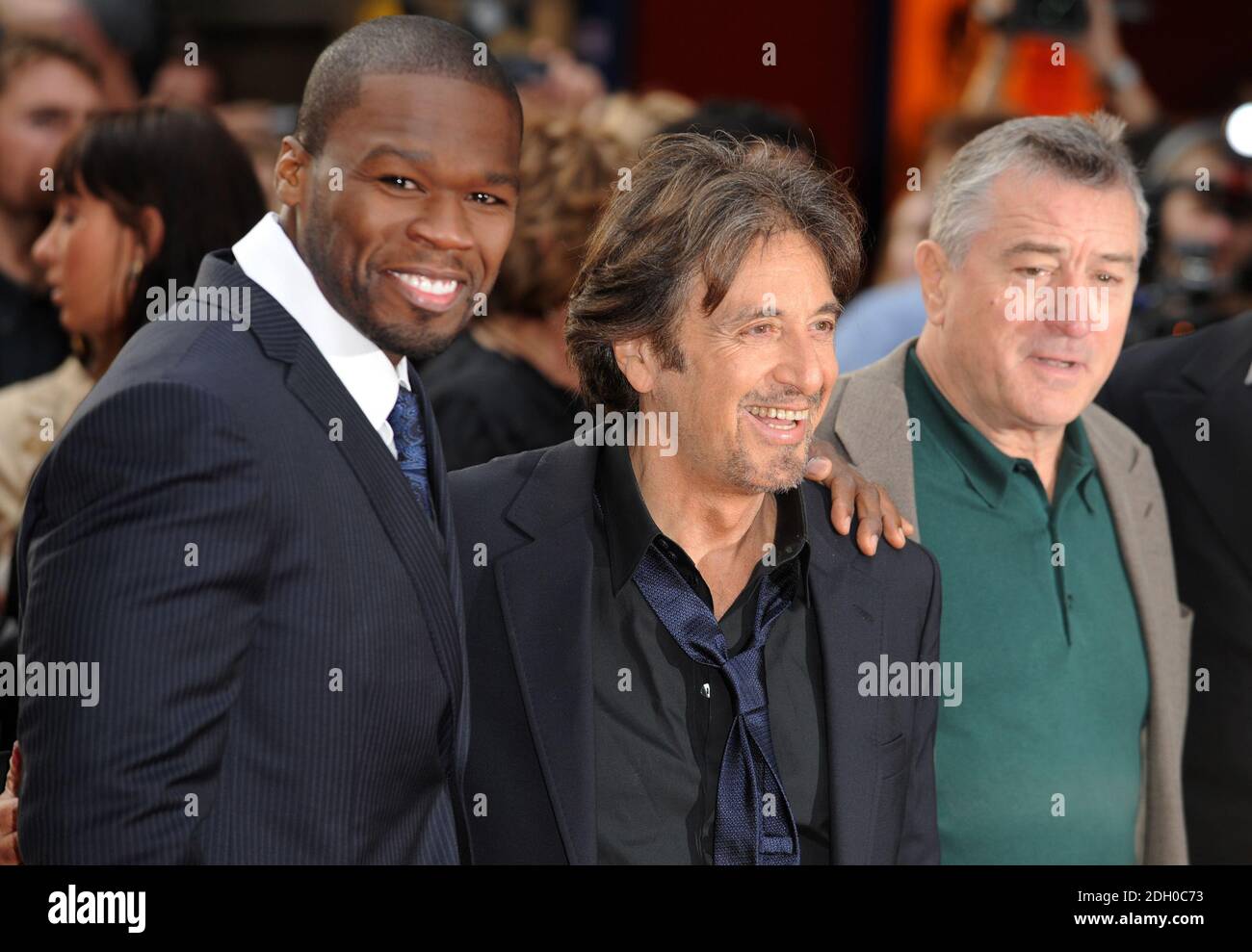
During the global press tour for Righteous Kill, images of Pacino, De Niro, and 50 Cent posing together on red carpets, film festival panels, and television interviews circulated widely. The visual contrast of two elderly, suit-clad Hollywood screen legends standing alongside a towering hip-hop mogul wearing diamond chains and tailored streetwear became an instant viral phenomenon.
As social media platforms evolved over the subsequent decades, these promotional photographs re-emerged periodically across platforms like Twitter, Instagram, and Reddit. Fans dubbed the triumvirate "the ultimate power trio," using the images as a symbol of unexpected greatness, cross-genre respect, and high-level success. The phrase evolved into a popular pop-culture meme, cementing the trio's place in digital media history long after the film completed its theatrical run.
Comparative Matrix: Cinema Giants Meets Hip-Hop Empire
To understand the scale of talent combined in this collaboration, it is helpful to examine how their careers, artistic origins, and accolades compare across the entertainment landscape.
| Metric / Dimension | Al Pacino | Robert De Niro | Curtis "50 Cent" Jackson |
|---|---|---|---|
| Primary Domain | Stage & Screen Acting | Screen Acting & Directing | Music, Television & Film Production |
| Breakthrough Era | Early 1970s (The Godfather) | Early 1970s (Mean Streets, Taxi Driver) | Early 2000s (Get Rich or Die Tryin') |
| Signature Genre Roles | Michael Corleone (The Godfather), Tony Montana (Scarface) | Vito Corleone (Godfather II), Jimmy Conway (Goodfellas) | Marcus "Messiah" Greer (Get Rich or Die Tryin'), Kanan Stark (Power) |
| Role in Righteous Kill | Detective David Fisk ("Rooster") | Detective Thomas Cowan ("Turk") | Marcus "Spider" Smith |
| Major Industry Honors | Academy Award, Emmy Awards, Tony Awards (Triple Crown of Acting) | Academy Awards (2), Golden Globes, AFI Life Achievement | Grammy Award, Primetime Emmy Award, NAACP Image Awards |
| Business & Production Footprint | Theater direction, Independent film production | Co-founder of Tribeca Productions & Tribeca Film Festival | Founder of G-Unit Film & Television, Sire Spirits, G-Unit Records |
The Mentorship Effect: How Working with Legends Fueled 50 Cent’s Media Empire
For Curtis Jackson, participating in Righteous Kill served as an intensive masterclass in film craft and executive longevity. Jackson has noted in numerous interviews that observing De Niro's quiet, intense preparation and Pacino's expressive character development fundamentally changed how he approached the entertainment business.
Rather than remaining solely an actor for hire, Jackson translated these insights into building his own media infrastructure. In the years following Righteous Kill, Jackson developed G-Unit Film & Television into a powerhouse production company. His most significant television achievement came with the creation and executive production of the hit premium cable drama series Power, which premiered on Starz in 2014.
The Power universe—expanding into multiple successful spin-off series—relied heavily on the nuanced crime narrative structures pioneered by classic films like The Godfather and Goodfellas. Jackson applied the professional discipline, narrative tension, and character depth he observed while working with Pacino and De Niro to build one of the most lucrative cable television franchises of the modern era. In this sense, the union of the three artists in 2008 yielded tangible long-term dividends for modern television storytelling.
Frequently Asked Questions
Did Al Pacino, Robert De Niro, and 50 Cent actually star in a film together?
Yes. All three starred in the 2008 crime thriller Righteous Kill, directed by Jon Avnet. Pacino and De Niro played veteran NYPD homicide detectives, while 50 Cent played a nightclub owner and drug dealer named Marcus "Spider" Smith.
Why are Pacino, De Niro, and 50 Cent called "the ultimate power trio"?
The label originated as an affectionate pop-culture phrase and viral internet meme inspired by promotional photos of the three stars during the 2008 press tour for Righteous Kill. It highlights the rare convergence of classic Hollywood acting royalty with one of hip-hop's biggest moguls.
What was 50 Cent's experience working with Pacino and De Niro?
50 Cent described the experience as a major learning milestone in his career. He frequently praised both actors for their professional discipline and willingness to offer acting guidance, which inspired his subsequent pivot into executive producing successful television dramas like Power.
Did Righteous Kill win any major academy awards?
No. Righteous Kill received mixed reviews from film critics upon its release in 2008 and did not receive Academy Award nominations, though it remains a notable title due to its rare pairing of Pacino and De Niro in extensive shared scenes.
Have Al Pacino and Robert De Niro starred in other films together?
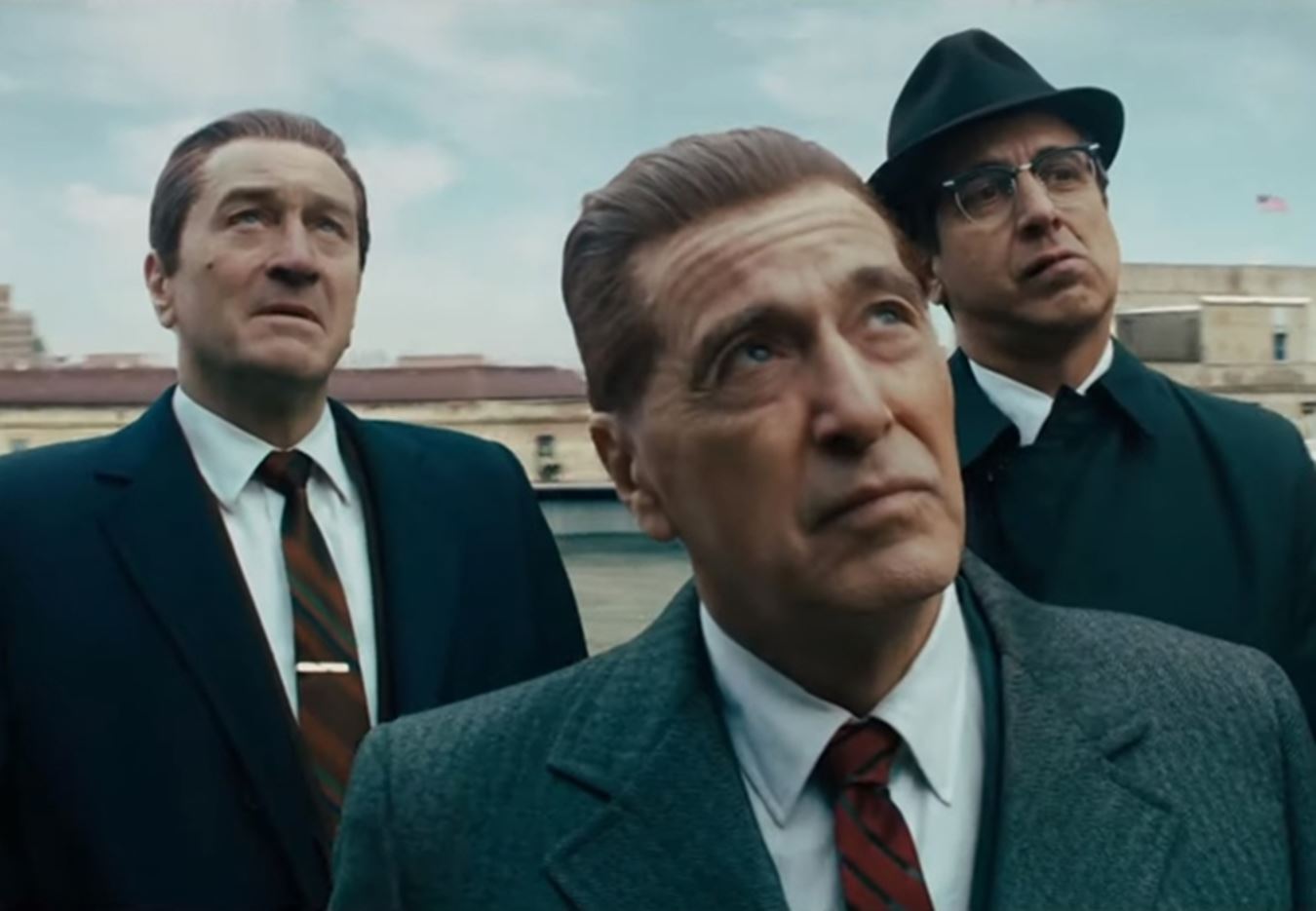
Yes. In addition to Righteous Kill (2008), Pacino and De Niro both appeared in The Godfather Part II (1974), Michael Mann's crime drama Heat (1995), and Martin Scorsese's acclaimed mob epic The Irishman (2019).
Navigating the Legacy of Hollywood and Hip-Hop Crossovers
The cultural convergence of Al Pacino, Robert De Niro, and 50 Cent remains a defining moment in modern entertainment history. For film buffs and music historians analyzing this unique pairing, several key insights emerge:
- Recognize Cross-Genre Influences: Understand how 20th-century cinema heavily shaped the narrative themes, aesthetics, and lyrical storytelling of late 20th- and early 21st-century hip-hop culture.
- Evaluate Production Evolution: Observe how artists like Curtis Jackson used high-level acting opportunities as mentorship platforms to launch independent production studios and television networks.
- Appreciate Media Longevity: Notice how viral internet culture can reshape the memory of a film, turning an average 2008 theatrical release into an iconic pop-culture touchstone through shared imagery and digital fandom.
Whether viewed as a fascinating moment in casting history or as the springboard for 50 Cent's television empire, the union of Pacino, De Niro, and Jackson stands as a testament to the power of bridging diverse artistic worlds.