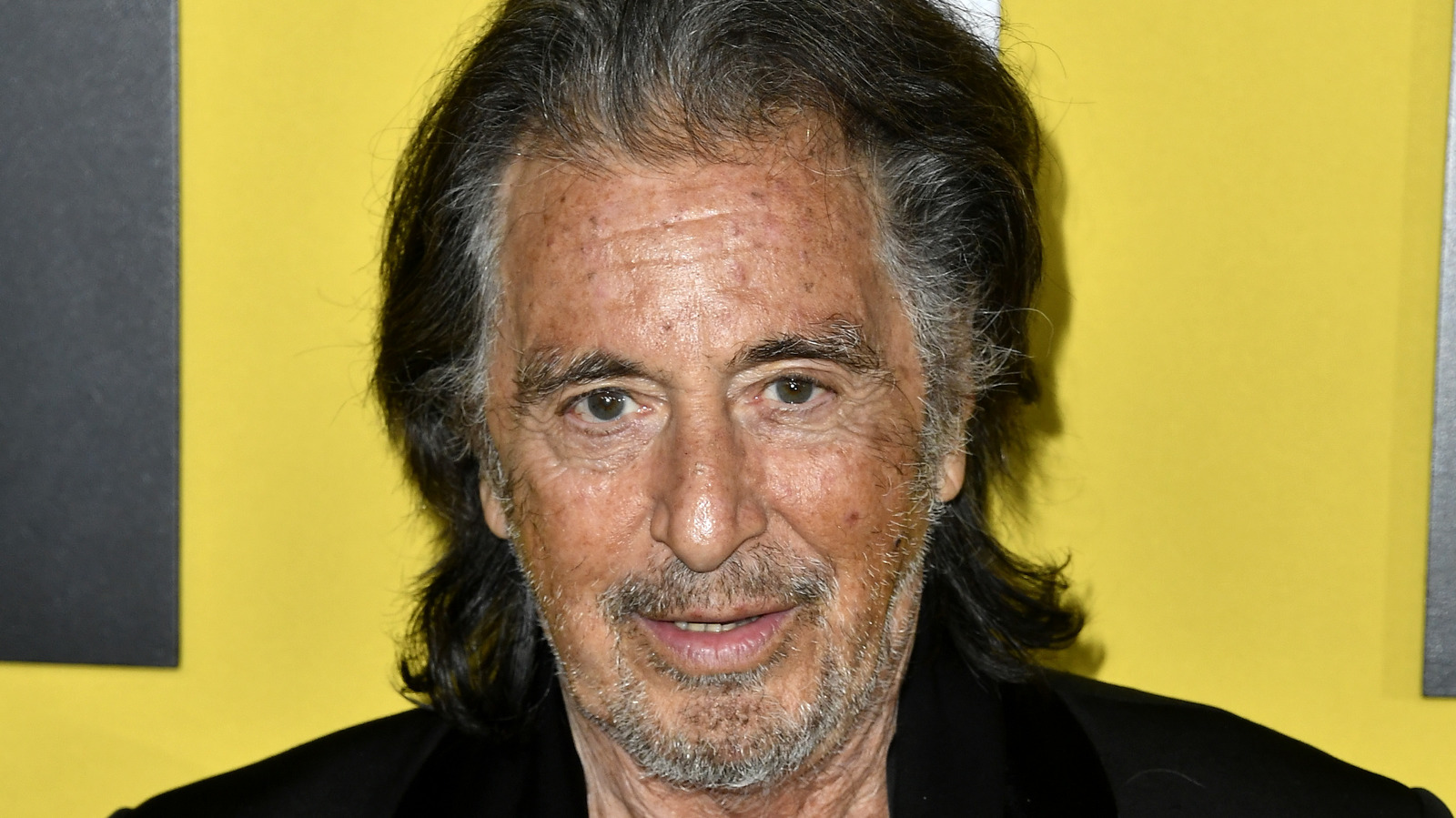
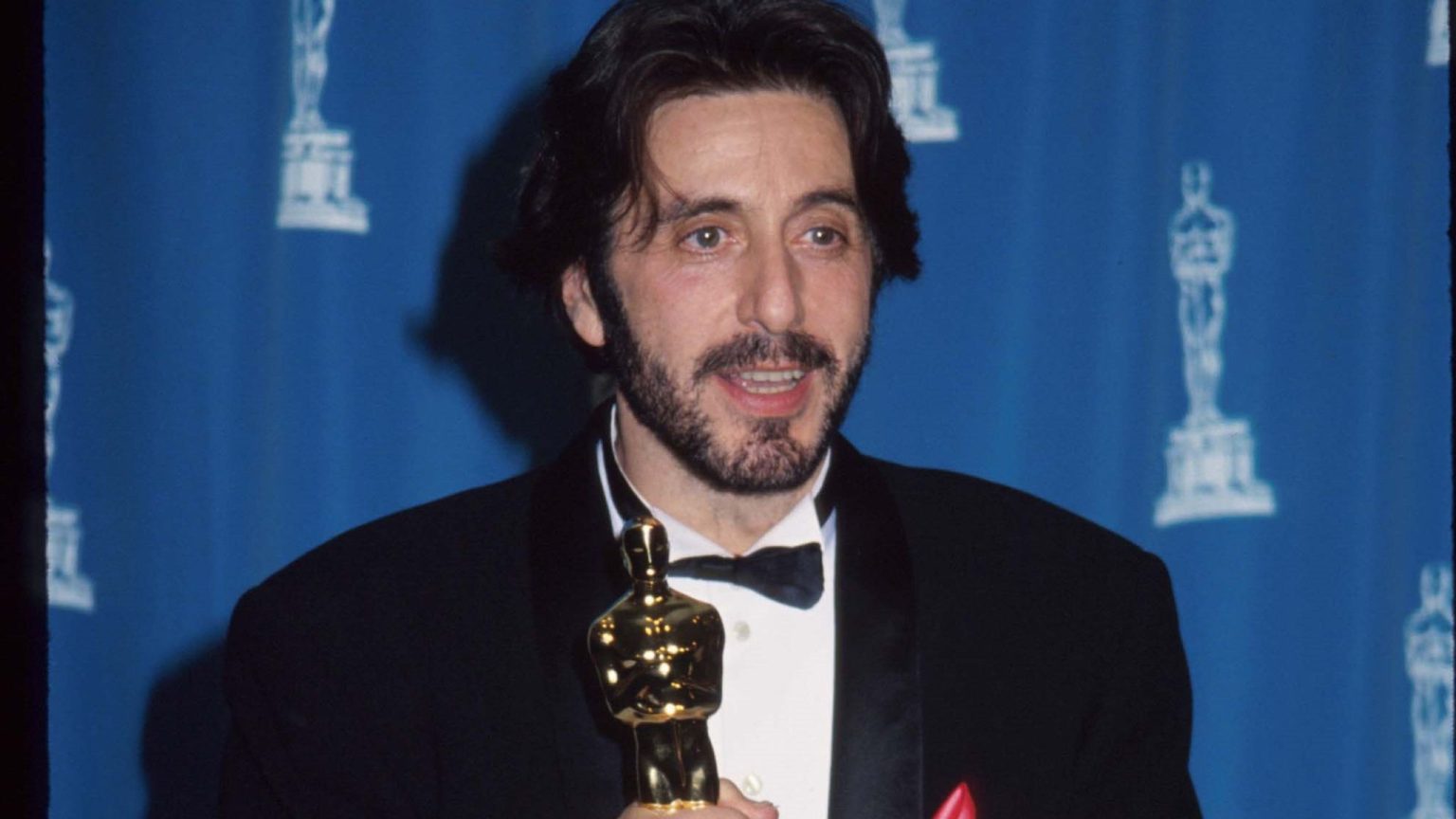
Al Pacino’s net worth is estimated at $50 million, reflecting a film and stage career spanning more than five decades. While his cumulative lifetime screen earnings exceed $150 million, his current financial standing accounts for significant historical investment losses, extensive real estate holdings, family support commitments, and a lucrative late-career resurgence in streaming and commercial endorsements.
Overview of Al Pacino’s Financial Portfolio
Evaluating the financial estate of an iconic actor like Oscar-winner Al Pacino requires looking beyond gross box office numbers. Across a theatrical career launched in the late 1960s, Pacino has navigated the evolution of Hollywood compensation models—from traditional studio salaries and backend profit participation in the 1970s and 1990s to massive upfront payouts from modern streaming platforms.
| Metric | Details |
|---|---|
| Estimated Net Worth | $50 Million |
| Peak Career Film Salary | $10M–$20M per project |
| Primary Real Estate Asset | Palisades Estate (Upstate NY) |
| Streaming Payout Highlight | $20 Million (The Irishman) |
| Major Financial Impairment | 2010 Financial Fraud Loss |
Although Pacino generated substantial wealth during the peak of his career in the 1980s and 1990s, his net worth has experienced significant volatility. A combination of lavish personal spending, ongoing real estate maintenance, legal settlements, and a high-profile financial fraud case in the late 2000s severely depleted his liquid assets.
His financial recovery over the past fifteen years demonstrates a strategic pivot toward high-yielding television movies, prestige streaming projects, international commercial campaigns, and global public speaking engagements.
Historical Film Salaries and Backend Earnings
Pacino’s earning power reflects the economic shifts of mainstream American cinema. Early in his career, artistic acclaim outpaced financial compensation, but as his box-office viability solidified, his per-picture fee rose dramatically.
- [1972] The Godfather: $35,000
- [1974] The Godfather Part II: $500,000 + 10% Backend
- [1990] The Godfather Part III: $5,000,000
- [1990s Peak Era]: $10,000,000 Average Salary
- [2019] The Irishman: $20,000,000
The Early Era: The Godfather Franchise
When Francis Ford Coppola cast Pacino as Michael Corleone in The Godfather (1972), the actor was primarily known for his New York theater work. Paramount Pictures paid him a flat fee of $35,000. Following the film's monumental cultural and commercial success, Pacino renegotiated his terms significantly for The Godfather Part II (1974), securing a salary of $500,000 alongside a 10% share of gross backend profits after cash break-even points were met.
By the time The Godfather Part III was produced in 1990, Pacino famously demanded $7 million plus a share of the gross, ultimately settling for a guaranteed payout of $5 million.
Peak Blockbuster Salaries (1990s–2000s)
Throughout the 1990s, Pacino reached the upper echelon of Hollywood compensation, routinely commanding $10 million or more per feature film:
- Scent of a Woman (1992): Earned roughly $1.5 million alongside profit participation points, earning him his first Best Actor Academy Award.
- Carlito's Way (1993) & Heat (1995): Solidified his quote at $6 million to $8 million per action-drama title.
- The Devil's Advocate (1997): Pacino accepted a reduced upfront salary so the production budget could accommodate co-star Keanu Reeves, though backend terms remained favorable.
- Any Given Sunday (1999) & S1m0ne (2002): Generated flat fees between $10 million and $11 million.
- 88 Minutes (2007): Payout reached an estimated $11 million, representing one of his highest base salaries prior to the streaming era.
The Television and Streaming Era
As mid-budget theatrical dramas shifted toward cable television and subscription streaming platforms, Pacino transitioned smoothly to prestige long-form projects. He signed lucrative multi-million-dollar packages with HBO for television films such as You Don't Know Jack (2010), Phil Spector (2013), and Paterno (2018).
His largest single payday of the modern era arrived with Martin Scorsese’s The Irishman (2019). Produced by Netflix with a budget exceeding $150 million, the film yielded Pacino an estimated $20 million salary, putting his upfront compensation on par with top-tier contemporary cinema stars.
Financial Setbacks: The Kenneth Starr Fraud and Wealth Depletion
A central event in Pacino’s personal wealth management occurred in the late 2000s, when he fell victim to a massive Ponzi scheme operated by celebrity accountant Kenneth I. Starr. Starr, who managed funds for several high-profile entertainment figures, misappropriated tens of millions of dollars from his clients' accounts.
| Category | Details |
|---|---|
| Discovered Asset Status (c. 2011) | Liquid reserves depleted to $0 |
| Estimated Pre-Fraud Liquidity | ~$50 Million in active accounts |
| Recovery Strategy | Aggressive return to film/TV, commercial work, live lectures |
In his 2024 memoir, Sonny Boy, Pacino revealed the extent of the crisis, noting that around 2011 he went from having roughly $50 million in liquid reserves to finding his personal accounts completely drained. Because Starr was paying personal expenses, property taxes, and operating overhead directly from Pacino's capital without oversight, the actor did not realize his fortune was gone until his financial manager was arrested by federal authorities.
To stabilize his personal balance sheet, Pacino made a conscious strategy shift in his seventies:
- Lowering Project Thresholds: Accepting roles in lower-budget independent films and genre thrillers that provided immediate cash compensation.
- Commercial Work: Overcoming a lifelong reluctance toward commercial endorsements to accept high-paying international advertising contracts.
- Live Appearances: Launching global spoken-word and Q&A tour formats, titled An Evening with Al Pacino, which generated high-margin venue revenue across Europe, Australia, and North America.
Real Estate Portfolio and Physical Assets
Unlike many of his peers who invest heavily in commercial properties or hospitality venues, Pacino's real estate portfolio has historically focused on personal residences in New York and Southern California.
| Property Location | Type | Estimated Market Value |
|---|---|---|
| Palisades, NY | Main Estate | $5 Million - $7 Million |
| Beverly Hills, CA | Leased Luxury Villa | N/A (Rental Expense) |
| New York City, NY | Private Residential | Undisclosed |
The Palisades Estate (Upstate New York)
Pacino’s main real estate asset for decades has been his compound in the historic enclave of Palisades (Snedens Landing), situated along the Hudson River in Rockland County, New York. Purchased in the 1970s and expanded over time, the property features a historic home, guest quarters, and extensive private grounds. Similar properties in this exclusive enclave command values between $5 million and $8 million, depending on parcel size and acreage.
West Coast Properties and Rentals
In California, Pacino has traditionally preferred long-term residential leases over direct property acquisition. For many years, he maintained a grand property in Beverly Hills, spending tens of thousands of dollars per month in lease payments to avoid the long-term capital lockup and property tax burdens associated with California real estate ownership.
Commercial Endorsements and Alternative Income Streams
While Pacino spent most of his early career turning down corporate brand deals, financial restructuring forced a re-evaluation of commercial opportunities.
[Commercials]: Vittoria Coffee, Dunkin' Donuts, Jeep
[Memoir Deal]: Sonny Boy (2024) Seven-Figure Advance
[Live Shows]: "An Evening with Al Pacino" International Tours
International Coffee and Luxury Ads: Pacino starred in high-profile television commercials for Australia's Vittoria Coffee, securing a reported multi-million-dollar endorsement fee.
Mainstream Brand Campaigns: In 2011, he appeared in a memorable commercial for Dunkin' Donuts (as a stylized version of himself, "Jack McCall"), earning a substantial fee that helped offset post-fraud debts.
Publishing and Literary Advances: In October 2024, Penguin Press published Pacino’s memoir, Sonny Boy. Industry sources indicate the book deal netted the actor a seven-figure advance, supplemented by ongoing hardback, ebook, and audiobook royalties.
Comprehensive Summary of Financial Profile
The following table synthesizes the primary components of Al Pacino’s career earnings, asset distribution, and financial obligations.
| Asset / Financial Category | Historical / Current Value | Key Details & Description |
|---|---|---|
| Estimated Net Worth (2025) | ~$50 Million | Consolidated valuation of real estate, liquid funds, and royalties. |
| Breakout Salary | $35,000 | The Godfather (1972) base fee. |
| Peak 1990s Film Fee | $10 Million+ per film | Standard base rate for titles like Any Given Sunday and S1m0ne. |
| Peak Streaming Salary | $20 Million | Upfront payout for Netflix’s The Irishman (2019). |
| Real Estate Holdings | $5M – $10M total value | Primary estate in Palisades, NY; historic New York apartment holdings. |
| Literary Earnings | $1 Million+ | Advance and ongoing royalties for 2024 memoir Sonny Boy. |
| Monthly Family Commitments | ~$30,000 / month | Court-ordered child support and medical coverage for youngest child (born 2023). |
Ongoing Expenses and Modern Financial Obligations
While Pacino continues to command strong paydays for film roles—such as recent appearances in Ridley Scott’s House of Gucci (2021), Michael Keaton’s Knox Goes Away (2023), and Johnny Depp’s directorial effort Modì (2024)—his net worth growth is tempered by substantial ongoing expenses:
Child Support and Family Maintenance
In late 2023, Pacino reached a formal custody and support agreement with partner Noor Alfallah regarding their son, Roman Pacino (born June 2023). Court documents confirm that Pacino pays approximately $30,000 per month in base child support, alongside an upfront payment of $110,000, $13,000 per month for night nurses, and mandatory contributions toward education and medical trusts.
Professional Overhead and Personal Security
Maintaining a multi-property lifestyle, continuous legal counsel, personal security teams, publicists, and agency commissions consumes a noticeable percentage of his annual gross income. Industry standard commissions dictate that 10% of earnings go to talent agencies (CAA), 5% to legal representation, and additional percentages to management teams.
Frequently Asked Questions
What is Al Pacino's verified net worth in 2025?
Al Pacino's net worth is estimated at $50 million. This figure reflects his lifetime film earnings, recent streaming fees, publishing income, and real estate assets, offset by historical financial losses and personal overhead.
How much was Al Pacino paid for The Godfather?
For his breakout performance as Michael Corleone in 1972's The Godfather, Pacino earned $35,000. He renegotiated for The Godfather Part II to earn $500,000 plus 10% of backend profits, and secured a $5 million base salary for The Godfather Part III.
How did Al Pacino lose his money in the late 2000s?
Pacino lost tens of millions of dollars due to financial mismanagment and fraud orchestrated by accountant Kenneth I. Starr, who ran a Ponzi scheme targeting celebrity clients. By 2011, Pacino’s liquid bank accounts had been depleted to zero, forcing him to rebuild his wealth through continuous acting work, live lectures, and corporate endorsements.
What was Al Pacino's highest single movie salary?
Pacino’s highest reported single film payday was $20 million for his role as Jimmy Hoffa in Netflix’s 2019 film The Irishman, directed by Martin Scorsese.
How much child support does Al Pacino pay?
Under a legal agreement finalized in late 2023 following the birth of his fourth child, Pacino pays approximately $30,000 per month in base child support, along with medical coverage and educational reserve funding.
Key Takeaways on Managing Long-Term Creative Wealth
Al Pacino’s financial journey offers practical insights for professionals across high-earning, variable-income fields:
- Diversify Financial Oversight: Relying on a single money manager without independent external audits creates severe financial vulnerability, regardless of total net worth.
- Adapt to Market Evolution: Pacino successfully sustained his income late in life by adapting to shifts in media consumption—moving seamlessly from theatrical releases to high-budget streaming and cable platforms.
- Monetize Alternative Assets: When core liquid assets were compromised, Pacino leveraged his personal brand through publishing advances, public speaking tours, and targeted international endorsements to restore liquidity.