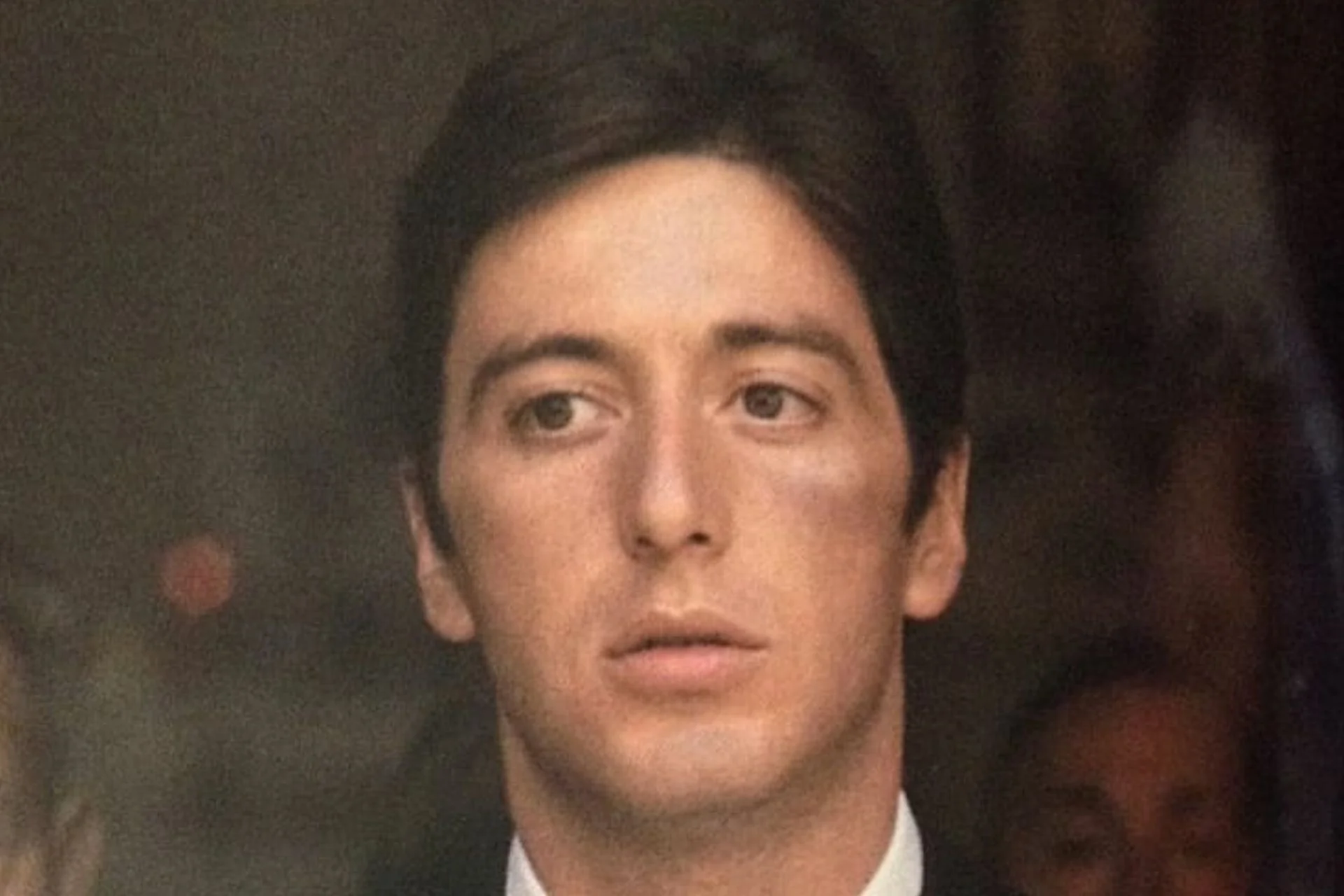
In 2019, legendary American actor Al Pacino held an estimated net worth of approximately $50 million. This financial standing was the result of a iconic career spanning nearly five decades, encompassing blockbuster film payouts, theatrical backend deals, and high-value streaming compensation, offset by significant financial losses sustained during an investment fraud scheme in the late 2000s.
Key Factors Shaping Al Pacino's 2019 Financial Position
To understand Al Pacino's net worth in 2019, one must look beyond standard box office totals and examine the broader structure of Hollywood compensation. By 2019, Pacino was experiencing a major career and financial resurgence. The year was marked by two high-profile film releases: Quentin Tarantino’s Once Upon a Time in Hollywood and Martin Scorsese’s epic crime drama The Irishman.
The deal structure for The Irishman, produced and distributed by Netflix, represented a modern shift in how veteran actors were compensated. Because streaming services historically do not offer traditional box-office backend participation, platforms buyout these backend rights upfront. For a feature with a reported production budget exceeding $159 million, headliners like Pacino, Robert De Niro, and Joe Pesci secured lucrative upfront guarantees, boosting Pacino's annual earnings for that tax period well above his standard baseline.
However, Pacino’s $50 million valuation in 2019 was also shaped by severe financial setbacks occurring a decade prior. Unlike peers who accumulated uninterrupted wealth over multi-decade runs, Pacino was forced to rebuild significant portions of his liquid capital during the 2010s. Consequently, his financial footprint in 2019 reflected both extraordinary earning power and a deliberate effort to restore personal equity through steady film work, prestige television, and global speaking engagements.
Iconic Career Earnings: From $35,000 to Multi-Million Dollar Paydays
Al Pacino’s earning trajectory mirrors the economic evolution of modern Hollywood. When he landed his breakout role as Michael Corleone in Francis Ford Coppola’s The Godfather (1972), he was a celebrated theatrical performer with limited commercial leverage.
The Godfather Trilogy Financial Trajectory
- The Godfather (1972): Pacino earned a modest base salary of $35,000. Out of this paycheck, he reportedly had to pay legal fees to resolve contract conflicts with another studio, leaving him with very little net profit despite starring in one of the highest-grossing films of its era.
- The Godfather Part II (1974): Established as an Oscar-nominated star, Pacino’s salary surged to $500,000 upfront, plus a 10% share of the film's net profits, marking his first major multi-million-dollar windfall.
- The Godfather Part III (1990): Demanding $7 million plus a percentage of gross revenues, Pacino ultimately settled for an upfront figure of around $5 million after director Francis Ford Coppola threatened to rewrite the script around his character's funeral.
Salary Progression: The Godfather Series
- 1972 (Part I): $35,000
- 1974 (Part II): $500,000 + 10% Net Profit
- 1990 (Part III): ~$5,000,000 Upfront
Peak Hollywood Salary Years (1990s–2000s)
Throughout the 1990s, Pacino commanded top-tier actor pricing. His Academy Award win for Scent of a Woman (1992) elevated his quote to $10 million or more per feature film. Major studio releases such as Heat (1995), The Devil's Advocate (1997), Any Given Sunday (1999), and Ocean's Thirteen (2007) generated hefty base payouts along with residual structures negotiated under SAG-AFTRA collective bargaining agreements.
Financial Setbacks: The Kenneth Starr Fraud and Its Impact
A critical context for Pacino's 2019 valuation was the financial crime perpetrated by his former wealth manager, Kenneth I. Starr. In 2010, Starr was arrested and subsequently sentenced to federal prison for operating a $30 million-plus Ponzi scheme that targeted high-profile celebrity clients, including Pacino, Uma Thurman, and Sylvester Stallone.
Prior to the unraveling of Starr's scheme, Pacino had delegated almost total control of his banking, tax filings, and investment portfolios to Starr's firm. Reports indicated that millions of dollars were misappropriated from Pacino's accounts through unapproved transfers, fake investment vehicles, and neglected tax filings.
| KENNETH STARR FRAUD IMPACT |
|---|
| • Millions depleted from liquid capital accounts |
| • Unpaid federal and state tax liabilities accrued |
| • Forced transition from passive income back to work |
| • Prompted 2010s push into HBO films & solo stage tours |
The financial fallout forced Pacino to re-evaluate his estate planning and income sources. To rebuild his wealth entering the 2010s, Pacino undertook several focused commercial initiatives:
- Prestige Cable and Television: He partnered with HBO for a series of biographical television films, including You Don't Know Jack (2010), Phil Spector (2013), and Paterno (2018), earning high single-digit millions for each project while receiving critical acclaim.
- International Stage and Speaking Tours: He embarked on a world tour titled "An Evening with Al Pacino," featuring intimate Q&A sessions in the United States, Europe, and Australia. Ticket sales, premium meet-and-greet packages, and international rights generated reliable, high-margin cash flow.
- Increased Film Volume: He maintained an active production schedule in independent and studio films, taking roles that offered substantial upfront payouts regardless of theatrical distribution scale.
Breakdown of Al Pacino’s Historical Film Salaries and Earnings
The table below illustrates selected benchmark paydays throughout Pacino's career leading up to his 2019 financial profile:
| Year | Film / Project Title | Estimated Salary / Earnings | Earnings Structure & Notes |
|---|---|---|---|
| 1972 | The Godfather | $35,000 | Standard studio contract for emerging actor. |
| 1974 | The Godfather Part II | $500,000 | Upfront fee + 10% net profit participation. |
| 1975 | Dog Day Afternoon | $100,000 | Plus small gross backend percentage. |
| 1990 | The Godfather Part III | $5,000,000 | Fixed upfront compensation package. |
| 1992 | Scent of a Woman | $1,500,000 - $3,000,000 | Included performance bonuses upon Oscar nomination/win. |
| 1995 | Heat | $5,000,000+ | Shared top-billing compensation with Robert De Niro. |
| 2002 | S1m0ne | $11,000,000 | High-water mark upfront salary for mid-budget feature. |
| 2007 | Ocean's Thirteen | $5,000,000 | Ensemble salary structure plus international profit points. |
| 2010 | You Don't Know Jack | $2,000,000 - $3,000,000 | HBO direct compensation for limited event television. |
| 2019 | The Irishman | $10,000,000 - $15,000,000 | Buyout of theatrical backend rights by Netflix. |
Real Estate and Asset Portfolio in 2019
Real estate holdings comprised a significant portion of Al Pacino’s $50 million net worth in 2019. Unlike celebrities who manage large speculative commercial portfolios, Pacino's real estate moves focused primarily on private residential estates on both coasts.
New York Holdings
Pacino's primary long-term residence was located in Palisades, New York, situated along the Hudson River in Rockland County. This historic property, known for its privacy and architectural heritage, was held for decades. The estate's value was estimated between $5 million and $10 million in 2019, depending on prevailing luxury market conditions. Additionally, Pacino maintained residential leases and commercial units in Manhattan over the years to support his stage work on Broadway.
Los Angeles Properties
In California, Pacino primarily rented high-end residential real estate in Beverly Hills and West Hollywood rather than expanding personal real estate ownership. Renting luxury estates allowed him to retain liquid capital for estate rebuilding, avoiding property taxes and maintenance overhead associated with prime Los Angeles real estate.
Intellectual Property and Residuals
Beyond physical assets, Pacino’s asset portfolio featured steady streams of residual income managed by SAG-AFTRA regulations. Cable distribution, network syndication, physical media sales (Blu-ray/4K releases), and international streaming licensing for classics like Scarface (1983), Heat, and Carlito's Way (1993) delivered recurring annual royalty checks.
How 2019 Marked a Financial and Career Resurgence
The year 2019 served as a major financial turning point for Pacino due to changing trends in media financing. As tech giants invested heavily in subscriber acquisition, talent fees surged across the film industry.
2019 Streaming Model Shift:
- Traditional Studio Model: Lower Upfront Pay + Risk-Based Box Office Backend
- Streaming Model (Netflix): Massive Upfront Guarantee + Complete Backend Buyout
In The Irishman, Netflix deployed a strategy of paying top-tier talent above-market upfront compensation to compensate for the absence of box-office gross points. This upfront buyout model eliminated traditional financial risks linked to box-office receipts. For Pacino, who turned 79 in 2019, this compensation model provided guaranteed liquidity, protecting his assets against potential theatrical underperformance.
At the same time, his supporting role in Quentin Tarantino's Once Upon a Time in Hollywood put him in a major theatrical release that grossed over $374 million worldwide. This combination of streaming platform buyouts and traditional studio compensation made 2019 one of Pacino's most financially profitable years of the 2010s.
Frequently Asked Questions
How much did Al Pacino get paid for The Godfather in 1972?
Al Pacino received $35,000 for playing Michael Corleone in the original 1972 film. Adjusted for inflation, this equates to roughly $240,000 today. Because he was not yet a bankable star, he lacked the leverage to negotiate backend gross points on the film's record-breaking box office run.
How did Al Pacino lose a portion of his wealth in the Kenneth Starr scandal?
Pacino lost millions of dollars due to the financial misconduct of his former financial manager, Kenneth Starr, who operated a multi-million-dollar Ponzi scheme. Starr unauthorizely moved funds out of client accounts, mismanaged tax filings, and diverted money into personal investments. Starr was arrested by federal authorities in 2010 and sentenced to prison, leaving affected clients to recover what assets they could through court proceedings.
What was Al Pacino's highest single movie salary?
Pacino's highest reported single-film upfront salary occurred in the early 2000s, notably earning $11 million for the 2002 sci-fi satire S1m0ne. During peak studio spending periods, his quote routinely ranged between $10 million and $15 million for major studio roles.
Did Al Pacino earn royalties from Scarface and The Godfather in 2019?
Yes, Pacino earned ongoing residual payments in 2019 for his classic films under SAG-AFTRA union contracts. Every time titles like Scarface, The Godfather, or Heat were broadcast on television, licensed to streaming platforms, or sold on physical formats, a portion of residual licensing fees was distributed to the primary cast members.
How did Netflix impact Al Pacino's net worth in 2019?
Netflix positively impacted Pacino's net worth by funding The Irishman with an expansive budget that included major upfront talent guarantees. Streaming platforms compensate talent by buying out backend box-office rights upfront, delivering significant, low-risk capital compared to traditional theatrical distribution models.
Evaluating Historical Net Worth and Financial Data
When analyzing historic celebrity wealth evaluations like Al Pacino’s 2019 net worth, researchers should evaluate financial estimates using verifiable corporate, judicial, and union records rather than raw box-office tallies. High grosses do not correlate directly to personal liquid wealth due to several key financial variables:
- Gross vs. Net Pay: Reported salaries are subject to federal and state income taxes, which can exceed 40% to 50% for top earners in states like California and New York.
- Representation Overhead: Professional commissions—typically 10% to talent agents, 10% to managers, and 5% to entertainment attorneys—reduce gross earnings by up to 25% before income reaches the actor.
- Asset Liquidity vs. Valuation: Real estate valuations, art collections, and pension funds represent non-liquid assets subject to shifting market conditions and maintenance costs.
- Historical Financial Losses: Unexpected liabilities, legal settlements, and fraud recoveries (such as the Kenneth Starr proceedings) can significantly alter a performer's wealth profile regardless of career success.
For accurate retrospective analyses, cross-reference trade publications such as Variety and The Hollywood Reporter with federal court filings, SAG-AFTRA contract baselines, and certified property records.