As of 2026, Al Haymon’s net worth is estimated to be between $150 million and $300 million. This substantial fortune is the result of a multi-decade career spanning high-level music promotion and a revolutionary, often controversial, restructuring of the professional boxing industry through his company, Premier Boxing Champions (PBC).
While Al Haymon is widely recognized as the most influential figure in modern boxing, he remains one of the most reclusive. Unlike promoters who seek the spotlight, Haymon operates almost entirely behind the scenes. To understand his net worth, one must analyze the strategic shifts he orchestrated in sports media rights, his foundational success in the music industry, and his unique business model that avoids the traditional "promoter" label to maximize financial and legal leverage.
The Foundations of Wealth: From Harvard to Music Mogul
Before Al Haymon became the "shadow king" of boxing, he was a powerhouse in the music industry. His academic background provided the analytical framework for his later business success. Haymon graduated from Harvard University with a degree in economics and later earned his MBA from Harvard Business School. This Ivy League pedigree set him apart from the typical "street-smart" boxing managers of the 20th century.
In the 1980s and 1990s, Haymon built a massive concert promotion empire. He worked with legendary acts such as Whitney Houston, Aretha Franklin, MC Hammer, and Earth, Wind & Fire. His company, A.H. Enterprises, became a dominant force in urban contemporary music touring. The financial scale of these tours was immense, often generating tens of millions of dollars in ticket sales and merchandise.
The pivotal moment for Haymon’s initial wealth accumulation occurred in 1999 when he sold his concert promotion business to SFX Entertainment (which eventually became Live Nation). While the exact terms of the private sale remained confidential, industry analysts estimated the payout to be in the tens of millions. This "seed capital" allowed Haymon to transition into professional boxing with more liquidity and bargaining power than almost any other manager in the history of the sport.
The Architecture of the Mayweather Era
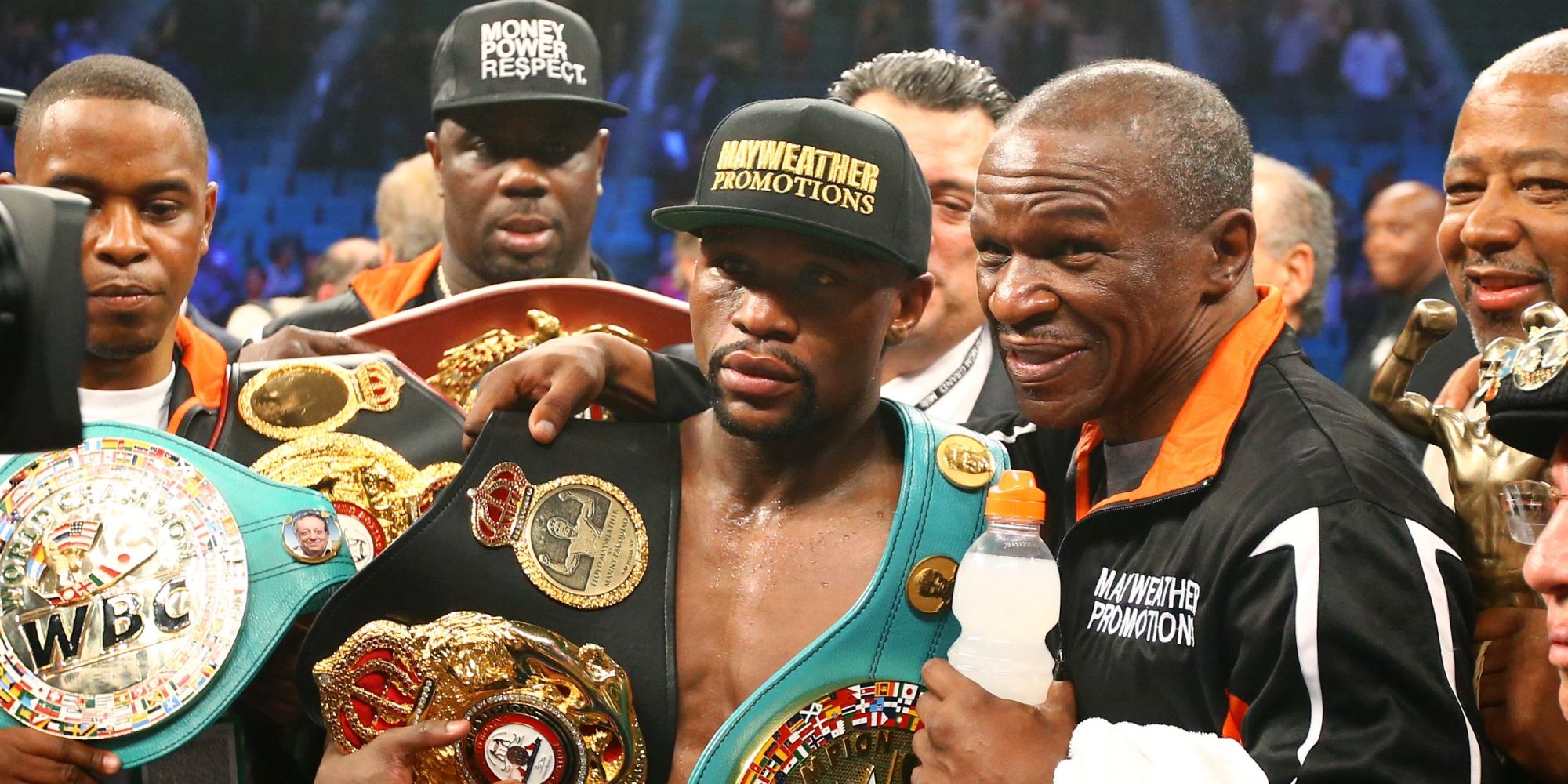
Al Haymon’s entry into boxing was solidified through his partnership with Floyd "Money" Mayweather Jr. After Mayweather broke away from Top Rank in 2006, Haymon became his primary adviser. This relationship changed the financial landscape of the sport.
Under Haymon’s guidance, Mayweather transitioned from a high-earning athlete to a global financial phenomenon. Haymon was the architect behind Mayweather's record-breaking TV deals with HBO and later Showtime. By focusing on the Pay-Per-View (PPV) model and ensuring Mayweather maintained control over his own promotion, Haymon helped "Money" earn upwards of $1 billion in career revenue.
As an adviser, Haymon typically commands a percentage of his fighters' earnings. Given that Mayweather’s fights against Manny Pacquiao and Conor McGregor generated hundreds of millions in revenue, Haymon’s commissions from these events alone likely reached eight figures. Furthermore, Haymon’s success with Mayweather allowed him to attract a massive stable of over 100 fighters, creating a volume-based revenue stream that is unparalleled in combat sports.
Premier Boxing Champions (PBC) and the Venture Capital Influx
In 2015, Haymon launched Premier Boxing Champions (PBC). Unlike traditional boxing promotions that relied on network licensing fees, PBC was initially funded by a massive influx of venture capital. Haymon secured approximately $400 million to $500 million in backing from Waddell & Reed, an investment management firm.
The goal of PBC was to bring boxing back to "free" or terrestrial television, purchasing time slots on networks like NBC, CBS, and FOX rather than waiting for the networks to pay for the content. While this "time-buy" model was expensive and faced significant early criticism, it succeeded in consolidating a vast majority of top-tier boxing talent under one banner.
By 2026, the evolution of PBC has seen it pivot from terrestrial TV to high-value streaming partnerships. The most significant development in recent years has been the multi-year deal with Amazon Prime Video, established after the closure of Showtime Sports. This partnership solidified PBC's place in the digital era, providing a steady stream of revenue through subscription-based rights and PPV distribution, which continues to bolster Haymon’s personal valuation.
The "Adviser" Distinction and the Ali Act
A critical component of Al Haymon’s business strategy—and his ability to maintain his wealth—is his refusal to be licensed as a "promoter." Under the Muhammad Ali Boxing Reform Act, it is generally illegal for an individual to act as both a promoter and a manager for the same fighter. This law was designed to prevent conflicts of interest where a promoter might exploit a fighter’s earnings.
Haymon technically operates as an "adviser." By doing so, he avoids many of the regulatory burdens and financial liabilities associated with being a licensed promoter. Instead, he works with licensed entities like TGB Promotions to stage events. This structure allows Haymon to maintain a closer fiduciary relationship with his athletes while still exerting control over the television rights and matchmaking, which are the primary drivers of profit in the industry.
Comparative Wealth in the Boxing Industry
To understand where Al Haymon’s net worth sits in the 2026 landscape, it is helpful to compare him to other major power players. While promoters like Eddie Hearn and Oscar De La Hoya are more visible, Haymon’s financial reach is often broader due to his extensive roster.
| Executive | Role | Estimated Net Worth (2026) | Primary Revenue Source |
|---|---|---|---|
| Al Haymon | Founder of PBC / Adviser | $150M - $300M | PBC Media Rights, Commissions, Music Exit |
| Oscar De La Hoya | Promoter (Golden Boy) | $200M - $250M | Promotions, Past Career Earnings, Real Estate |
| Eddie Hearn | Chairman (Matchroom) | $60M - $100M | Matchroom Sport Global Rights, DAZN Deals |
| Bob Arum | CEO (Top Rank) | $250M - $300M | Top Rank Promotions, ESPN Licensing |
| Dana White | CEO (UFC/TKO) | $500M+ | TKO Equity, UFC Salary, Discretionary Income |
Note: Estimates are based on historical earnings, public filings, and industry reporting. Private assets and debt are not fully disclosed.
Legal Challenges and Financial Resilience
Maintaining a net worth of this magnitude has not been without its obstacles. Haymon and PBC have been the targets of several high-profile antitrust lawsuits. Both Golden Boy Promotions and Top Rank filed suits alleging that Haymon was attempting to create a monopoly in the boxing world.
While many of these lawsuits were eventually dismissed or settled, the legal fees associated with defending a multi-hundred-million-dollar empire are substantial. However, Haymon’s ability to weather these legal storms speaks to the robustness of his financial planning. His wealth is not just tied to the liquid cash generated by fights, but also to the intellectual property and media libraries owned by PBC.
Diversification and Real Estate
Like many high-net-worth individuals, Al Haymon has reportedly diversified his earnings beyond the sports and entertainment sectors. While he does not publicize his portfolio, records suggest involvement in various real estate ventures and private equity investments.
The transition to the Amazon Prime deal in 2024 served as a "reset" for Haymon's business model, moving away from the high-burn-rate era of venture capital funding toward a more sustainable, tech-driven revenue stream. In 2026, this shift is viewed as a masterclass in adapting to the "cord-cutting" trend that has crippled more traditional sports media businesses.
FAQ: Understanding Al Haymon's Financial Impact
Does Al Haymon own the fighters' contracts?
No. In his capacity as an adviser, Haymon represents the fighters’ interests in negotiations. While he has immense influence over their career paths, the fighters are technically independent contractors or signed to promotional companies that collaborate with PBC. His wealth is derived from a percentage of the purses he negotiates for these athletes.
How did the Amazon Prime deal affect his net worth?
The Amazon Prime deal provided a stable platform for PBC after the exit of Showtime. By securing a partnership with one of the world's largest streaming services, Haymon ensured that his fighters remained relevant in the digital marketplace. This deal likely included significant "rights fees" and revenue-sharing components for PPV events, which provides Haymon with a consistent income stream.
Why does Al Haymon never do interviews?
Haymon’s silence is a calculated business strategy. By remaining out of the public eye, he avoids becoming a "character" in the drama of boxing, which allows the focus to remain on the athletes. This also limits his personal exposure to public scrutiny and potential litigation, protecting his private assets and brand reputation.
Is PBC profitable in 2026?
After years of heavy spending to establish its brand, PBC has moved toward a more streamlined and profitable model by 2026. By utilizing streaming infrastructure (Amazon) instead of maintaining its own broadcast network, PBC has reduced overhead significantly, allowing a higher percentage of revenue to flow back to the organization and its founder.
How much did Al Haymon make from the Mayweather vs. McGregor fight?
While exact figures are private, that event generated over $600 million in total revenue. As the lead adviser for Mayweather, Haymon likely earned a management fee ranging from 10% to 15% of Mayweather’s personal take, which was estimated at $275 million. This single night likely added over $25 million to Haymon’s net worth.
Navigating the Future of Sports Management
For those looking to understand the financial mechanics of the sports industry, Al Haymon serves as a primary case study in vertical integration and brand insulation. His career demonstrates that the most significant wealth in sports often resides not with those who play the game, or even those who promote it, but with those who control the distribution channels and the contractual relationships.
If you are following the business of boxing, the key takeaway from Haymon’s success is the value of intellectual property and media rights. In the current landscape of 2026, his move toward streaming platforms like Amazon Prime is the definitive blueprint for how niche sports can achieve mass-market valuation. To monitor his future wealth, one should keep a close eye on the renewal of these streaming contracts and any potential expansion of PBC into international markets.