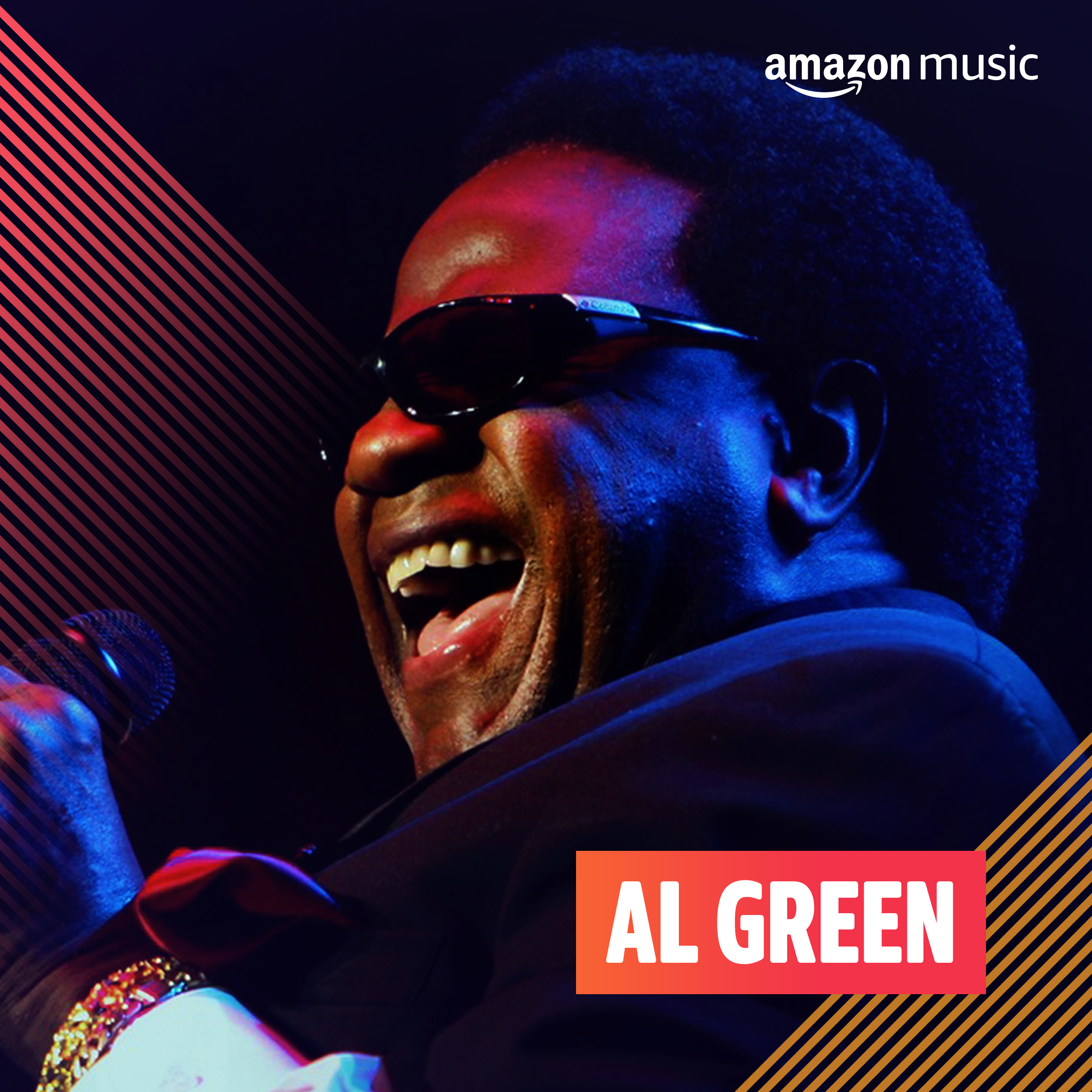
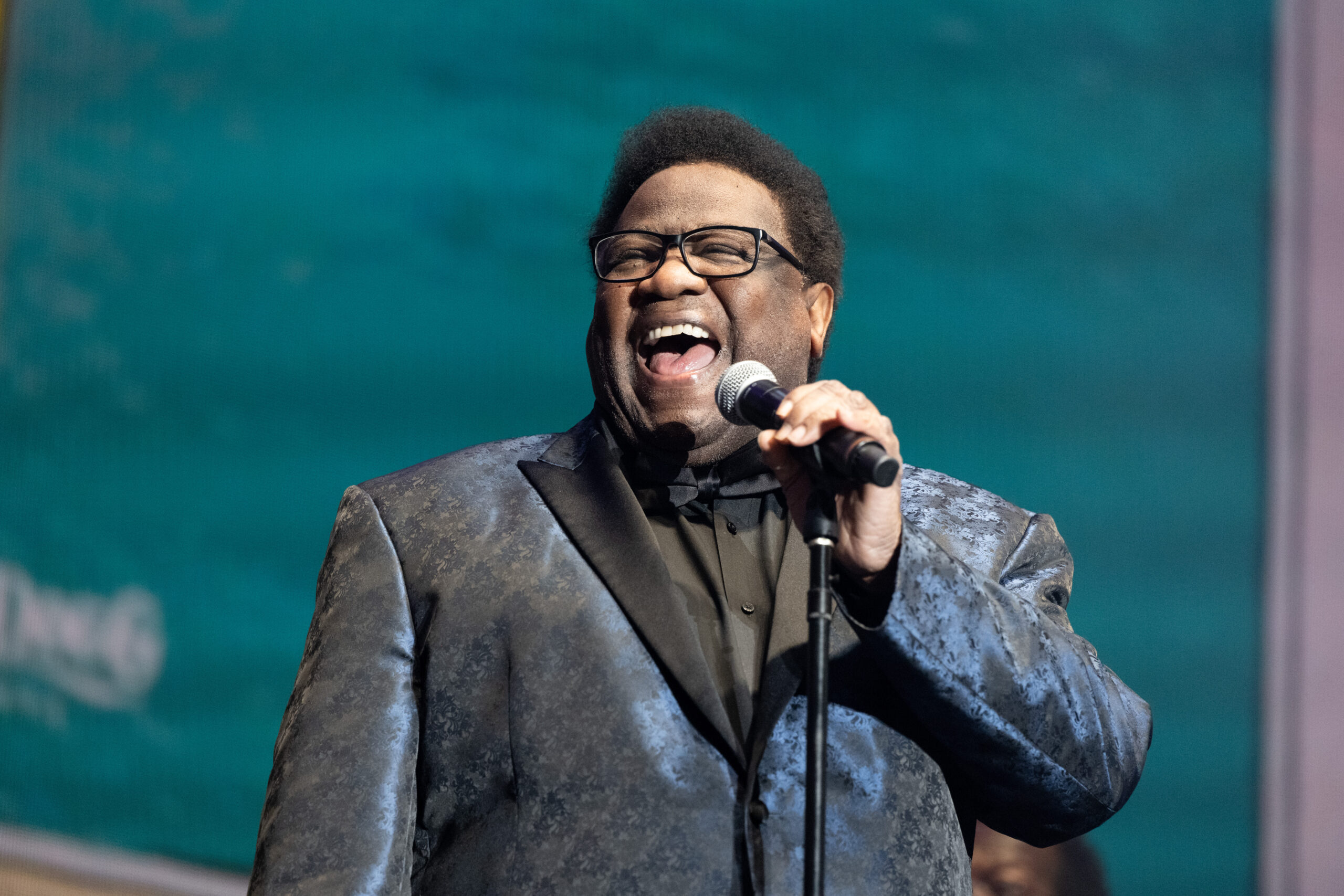
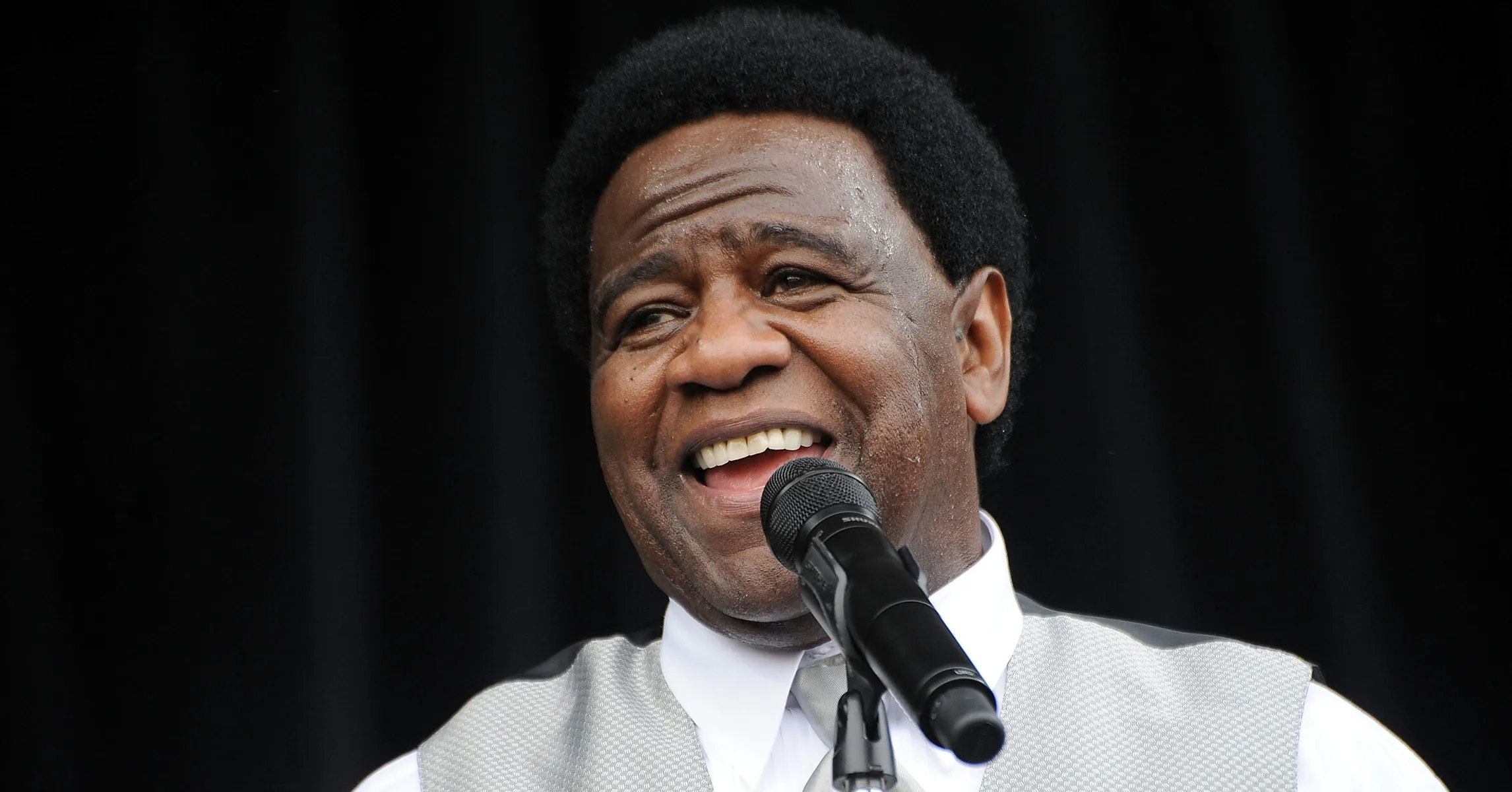
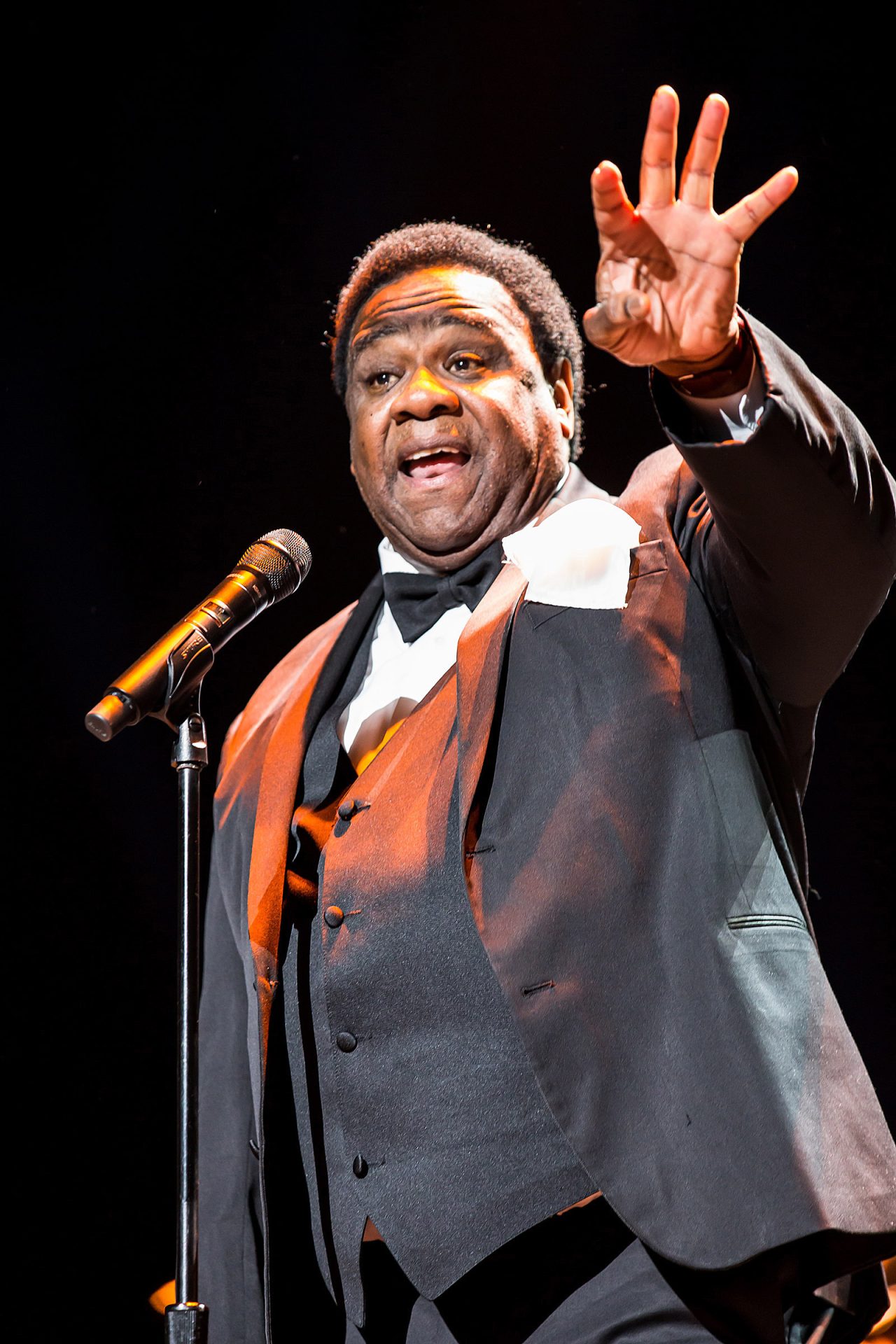
Al Green is a transcendent figure in American music, renowned as the last of the great soul singers. Emerging from Memphis in the 1970s, he defined an era with his silky falsetto and intimate delivery. Following a profound spiritual awakening, he transitioned into gospel ministry while maintaining a lasting influence on R&B, soul, and contemporary popular music.
The Architect of the Memphis Sound
To understand Al Green is to understand the "Hi Sound," a specific texture of soul music crafted at Royal Studios in Memphis, Tennessee. While Motown was focused on pop-perfection and Stax on gritty, driving horn sections, Al Green and producer Willie Mitchell developed a sound that was remarkably sophisticated, understated, and sensual. This partnership began in 1969 when Mitchell, a bandleader and vice president of Hi Records, encountered Green in a Texas nightclub. Mitchell famously told Green he could make him a star if he stopped trying to sound like Jackie Wilson or James Brown and started singing like himself.
The Hi Sound was characterized by a specific technical arrangement: the steady, "fat" snare drum sound of Al Jackson Jr. or Howard Grimes, the melodic bass lines of Leroy Hodges, and the ethereal organ work of Charles Hodges. Unlike the bombastic arrangements of the era, Green’s records utilized space. His voice did not compete with the instruments; instead, it floated above them. This technical restraint allowed Green to use his vocal nuances—whispers, growls, and sudden leaps into falsetto—to create an emotional intimacy that was unprecedented in soul music.
Early Life and the Journey to Memphis
Born Albert Leornes Greene on April 13, 1946, in Forrest City, Arkansas, Green was the son of sharecroppers. His musical education began in the church, as was common for many soul icons of his generation. His father, a strict religious man, famously kicked Al out of the family gospel group, the Greene Brothers, after catching him listening to the "profane" music of Jackie Wilson.
In the mid-1960s, Green moved to Grand Rapids, Michigan, where he formed a group called Al Greene & the Soul Mates. They achieved a modest hit with "Back Up Train" in 1968, but the group failed to sustain momentum. It was only after dropping the "e" from his last name and signing with Hi Records that his career underwent a seismic shift. Between 1971 and 1974, Green released a string of albums—including Al Green Gets Next to You, Let's Stay Together, and I'm Still in Love with You—that solidified his status as the premier male soul vocalist of the decade.
The Signature Vocal Style: Technical Mastery
Al Green’s vocal delivery is often studied by technicians and vocal coaches for its dynamic range and control. He mastered the art of the "soft sell." While his contemporaries often leaned into high-energy shouts, Green utilized a conversational tone that made the listener feel as though he were singing directly to them in a small room.
- The Falsetto Transition: Green’s ability to transition from a gritty baritone to a pure, crystalline falsetto without a perceptible break is his technical hallmark. This "head voice" was not used merely for show but as an emotional punctuation mark.
- Ad-libbing and Phrasing: He frequently toyed with the meter of a song, lagging behind the beat or rushing ahead of it to create tension. His use of non-lexical vocables—the "oohs," "ahs," and "yeahs"—became a rhythmic instrument in itself.
- Vulnerability: At a time when masculine archetypes in R&B were often centered on power and bravado, Green projected a sense of yearning and vulnerability that appealed across demographic lines.
The 1974 Turning Point and Spiritual Transformation
The trajectory of Al Green’s life and career changed forever on October 18, 1974. A girlfriend, Mary Woodson, became distraught when Green declined to marry her. While he was preparing for bed, she poured a pot of boiling grits over his back, causing second-degree burns, before taking her own life in the next room. This traumatic event acted as a catalyst for a spiritual crisis that had been brewing within Green for years.
Green viewed the incident as a divine warning. In 1976, he was ordained as a pastor of the Full Gospel Tabernacle in Memphis. By the late 1970s, he largely walked away from the secular music industry that had made him a superstar. He purchased a church building and dedicated himself to the ministry, a role he continues to fulfill as of 2026. This transition was not merely a change in lifestyle but a total reorientation of his artistic output. He began releasing gospel albums that, while technically similar to his soul recordings, were lyrically focused on his faith.
The Gospel Era: Faith as a Musical Foundation
Throughout the 1980s, Al Green became one of the most decorated gospel artists in the world. While some fans of his secular work were disappointed by the shift, the music he produced during this period was arguably some of his most vocally adventurous. Without the constraints of trying to produce a pop hit, Green pushed his voice to its limits in praise.
His gospel work, such as the album The Lord Will Make a Way, earned him eight Grammy Awards in the gospel categories. This era proved that his "soulfulness" was not dependent on the subject matter but was an intrinsic part of his vocal identity. He successfully bridged the gap between the sacred and the secular, often performing gospel sets with the same fervor and charisma he once brought to "Love and Happiness."
Essential Al Green Discography
The following table outlines the pivotal albums in Al Green's career, highlighting their significance and the "Hi Sound" era's peak.
| Year | Album Title | Primary Genre | Notable Singles | Historical Significance |
|---|---|---|---|---|
| 1971 | Al Green Gets Next to You | Soul / R&B | "Tired of Being Alone" | His breakout album that established the Mitchell/Green partnership. |
| 1972 | Let's Stay Together | Soul | "Let's Stay Together" | Reached #1 on the Billboard 200; the title track is his signature song. |
| 1972 | I'm Still in Love with You | Soul | "Love and Happiness" | Widely considered one of the greatest soul albums of all time. |
| 1973 | Call Me | Soul | "Call Me," "Here I Am" | Represented the peak of the polished Hi Records production. |
| 1980 | The Lord Will Make a Way | Gospel | "The Lord Will Make a Way" | Marked his official transition into full-time gospel music. |
| 2003 | I Can't Stop | Soul / R&B | "I Can't Stop" | A reunion with Willie Mitchell that proved his voice remained intact. |
| 2008 | Lay It Down | Neo-Soul / R&B | "Stay with Me" | A modern collaboration with Questlove, bridging generations. |
Secular Return and Modern Relevance in 2026
By the late 1980s and early 1990s, Al Green began to cautiously reintegrate secular music into his repertoire. A 1988 duet with Annie Lennox, "Put a Little Love in Your Heart," returned him to the pop charts. In 1995, he was inducted into the Rock and Roll Hall of Fame, a testament to his influence on the genre.
In the 21st century, Green has undergone a late-career renaissance. His 2003 album I Can't Stop and 2008’s Lay It Down showed that even in his 60s, his vocal range was largely undiminished. In 2026, Green remains a revered elder statesman of music. While his public performances are less frequent, his influence is felt in the work of modern R&B artists who prioritize organic instrumentation and vocal nuance over digital production. His catalog is a staple for sampling in hip-hop, ensuring that his melodies reach younger generations who may never have seen him perform live.
Legacy and Cultural Impact
Al Green’s impact on music cannot be overstated. He provided the blueprint for the Neo-Soul movement of the late 90s and early 2000s, influencing artists like Maxwell, D'Angelo, and Erykah Badu. His ability to convey complex emotions—joy, desperation, and spiritual ecstasy—through a single vocal run set a standard that few have matched.
Beyond his music, Green’s life story remains a compelling narrative of fame, trauma, and redemption. He is one of the few artists who successfully navigated the divide between the "Saturday night" world of R&B and the "Sunday morning" world of the Black church without losing his artistic soul. His church in Memphis, the Full Gospel Tabernacle, remains a site of pilgrimage for fans worldwide who wish to hear the "Reverend Al Green" preach and sing in the setting he loves most.
Frequently Asked Questions
What is Al Green's most famous song?
"Let's Stay Together," released in 1971, is Al Green’s most enduring hit. It reached number one on both the Billboard Hot 100 and the R&B charts. The song has been covered by numerous artists, most notably Tina Turner in 1983, and has featured prominently in films such as Pulp Fiction.
Is Al Green still performing and preaching in 2026?
Yes, as of 2026, Al Green continues to serve as the pastor of the Full Gospel Tabernacle in Memphis, Tennessee. While he has retired from extensive world tours, he occasionally makes special appearances and continues to lead his congregation in song and ministry.
How many Grammy Awards has Al Green won?
Al Green has won 11 Grammy Awards over the course of his career. These include wins in both the Soul/R&B and Gospel categories, as well as the prestigious Grammy Lifetime Achievement Award, which he received in 2002.
Did Al Green ever return to secular music after becoming a pastor?
He did return to secular music, though he never abandoned his ministry. Starting in the late 1980s, he began recording R&B again and performing his classic hits in concert. He often maintains a balance, referring to his secular hits as "songs about love" that do not contradict his religious convictions.
Who produced Al Green's most successful records?
The majority of Al Green’s classic 1970s hits were produced by Willie Mitchell at Royal Studios in Memphis. Their partnership is considered one of the most successful artist-producer pairings in music history, responsible for creating the distinct "Hi Sound."
Exploring the Al Green Catalog
For those looking to understand the depth of Al Green’s contribution to American music, the best starting point is his 1975 Greatest Hits compilation. However, to truly appreciate the technical mastery of the Hi Sound, listeners should explore the original 1972-1973 album trilogy: Let's Stay Together, I'm Still in Love with You, and Call Me. These records represent a pinnacle of studio craftsmanship and vocal performance. Whether you are a student of vocal technique or a casual listener of soul, Al Green’s discography offers a timeless masterclass in the power of the human voice.