The Governor of Alabama serves as the head of the executive branch of Alabama's state government and the commander-in-chief of the state's military forces. Since Alabama’s admission to the Union in 1819, more than 50 individuals have held the office, including the current incumbent, Governor Kay Ivey, who has served since 2017.
The office of the governor is a pillar of the state's political identity, reflecting the changing landscape of the Deep South from the early 19th-century frontier to the modern industrial and technological era of 2026. Understanding the chronology of these leaders provides insight into the legislative priorities, economic shifts, and social transformations that have defined the "Yellowhammer State."
The Evolution of the Alabama Governor’s Office
The role of the Alabama governor has been reshaped by several state constitutions, most notably the Constitution of 1901, which remains the primary governing document today. In the early years of statehood, governors served two-year terms and faced significant limitations on their executive authority. The transition to the current four-year term structure and the introduction of term limits have significantly impacted how governors exercise power and implement long-term policy agendas.
Historically, the governorship was dominated by the Democratic Party for over a century following the Reconstruction era. It was not until the late 20th century that the political tide shifted, leading to a more competitive two-party system and, eventually, a period of Republican dominance in the executive mansion. This shift mirrored broader national political realignments but maintained a distinct local focus on issues like education reform, infrastructure development, and industrial recruitment.
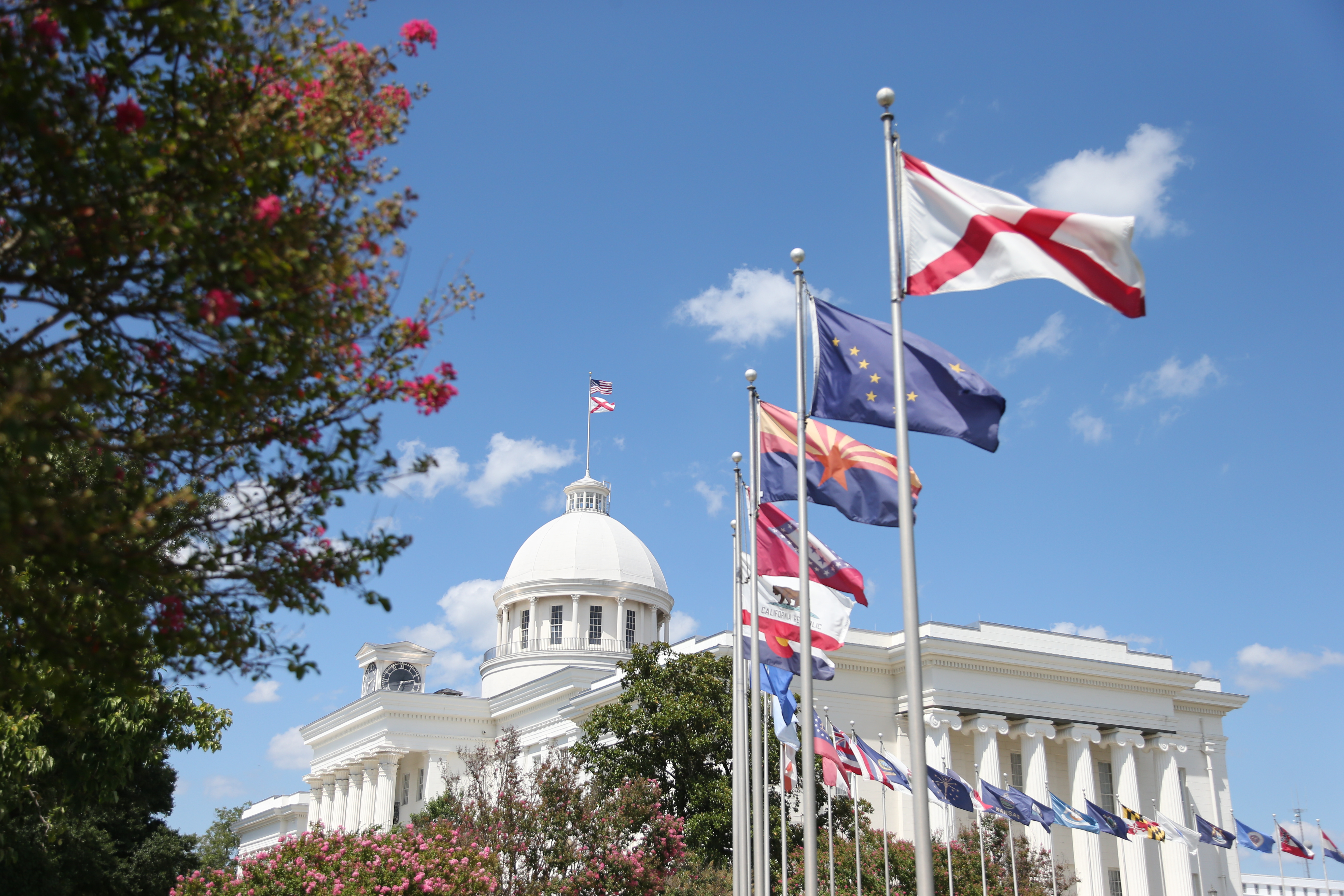
The executive mansion in Montgomery serves as the official residence, but the governor's influence extends across the state through the appointment of department heads, the power to veto legislation, and the ability to call special sessions of the Alabama Legislature. These powers allow the governor to address emergent crises or prioritize specific legislative goals that may not have been resolved during the regular 30-day session.
Historical Chronology and Eras of Leadership
The list of Alabama governors is often categorized into distinct historical eras, each defined by the prevailing challenges of the time. The early governors, such as William Wyatt Bibb, focused on establishing the fundamental structures of state government and navigating the complexities of a developing territory.
During the mid-19th century, the governorship was overshadowed by the tensions leading to the Civil War. Governors during this period, such as Andrew B. Moore, presided over the state’s secession and its participation in the Confederacy. The Reconstruction era that followed saw a series of military-appointed governors and a brief period of Republican leadership before the "Redeemers" restored Democratic control, which would persist through much of the 20th century.
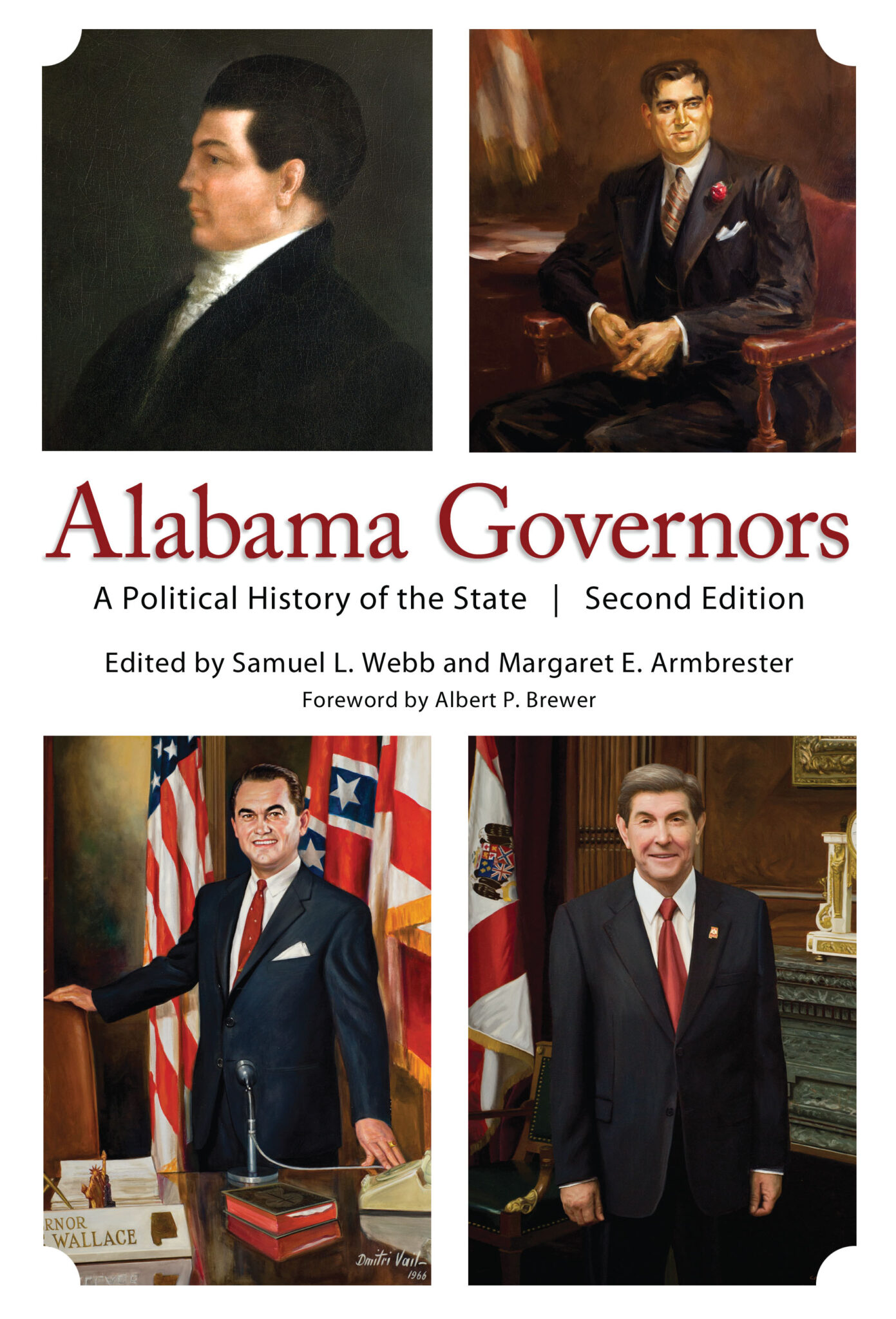
The 20th century saw the rise of populist figures and the significant, often controversial, tenure of George Wallace. Wallace served four terms (non-consecutively), a feat made possible by his immense popularity among his base and changes in state law regarding term limits. His era was marked by the Civil Rights Movement, which fundamentally altered the political and social fabric of the state.
Detailed List of Alabama Governors (Modern Era)
The following table provides a detailed look at the governors of Alabama from the mid-20th century through 2026. This period highlights the state's transition through the Civil Rights era into the contemporary political landscape.
| Governor | Term Start | Term End | Party | Notable Developments |
|---|---|---|---|---|
| James E. Folsom Sr. | January 1955 | January 1959 | Democratic | Known as "Big Jim," focused on rural roads and education. |
| John Patterson | January 1959 | January 1963 | Democratic | Presided over early Civil Rights protests and Freedom Rides. |
| George Wallace | January 1963 | January 1967 | Democratic | Infamous "segregation forever" inaugural speech; first term. |
| Lurleen Wallace | January 1967 | May 1968 | Democratic | Alabama's first female governor; died in office. |
| Albert Brewer | May 1968 | January 1971 | Democratic | Served the remainder of Lurleen Wallace’s term; reform-minded. |
| George Wallace | January 1971 | January 1979 | Democratic | Second and third terms; began moderating racial rhetoric. |
| Fob James | January 1979 | January 1983 | Democratic | Focused on fiscal conservatism and education funding. |
| George Wallace | January 1983 | January 1987 | Democratic | Fourth and final term; appointed record numbers of Black officials. |
| Guy Hunt | January 1987 | April 1993 | Republican | First Republican governor since Reconstruction; removed from office. |
| Jim Folsom Jr. | April 1993 | January 1995 | Democratic | Ascended from Lt. Governor; recruited Mercedes-Benz to Alabama. |
| Fob James | January 1995 | January 1999 | Republican | Switched parties; focused on judicial reform and school prayer. |
| Don Siegelman | January 1999 | January 2003 | Democratic | Introduced the state lottery for education proposal (defeated). |
| Bob Riley | January 2003 | January 2011 | Republican | Served two full terms; focused on economic development and ethics. |
| Robert Bentley | January 2011 | April 2017 | Republican | Focused on job creation; resigned following a political scandal. |
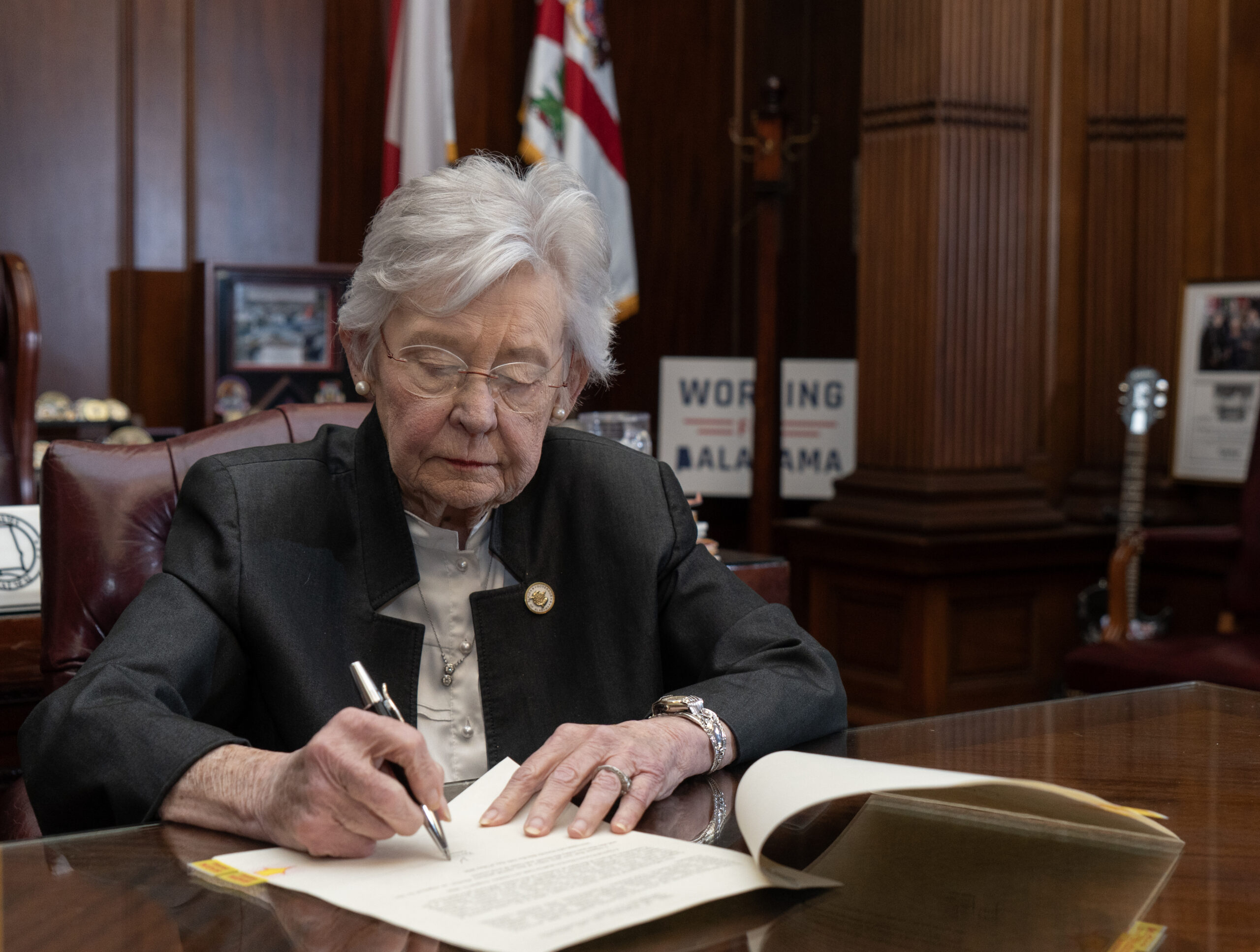
| Kay Ivey | April 2017 | Incumbent | Republican | Second female governor; focused on "Rebuild Alabama" infrastructure. |
Eligibility and Qualifications for Office
To serve as the Governor of Alabama, an individual must meet specific constitutional requirements. These standards ensure that the chief executive has a vested interest in the state and the maturity required for high office. According to the Constitution of Alabama, the prerequisites include:
- Age: The candidate must be at least 30 years old.
- Citizenship: The candidate must have been a citizen of the United States for at least seven years.
- Residency: The candidate must have been a resident of Alabama for at least seven years immediately preceding the election.
The governor is elected to a four-year term and is limited to two consecutive terms. However, after sitting out for one term, an individual is eligible to run again. This "relay" style of leadership was common before the modern era but has become less frequent as political parties seek long-term stability in the executive branch.
The Executive Powers and Responsibilities
The Alabama governor wields several critical powers that influence the state's trajectory. Beyond the traditional role of signing or vetoing legislation, the governor is responsible for preparing the state budget. Alabama utilizes two primary budgets: the General Fund and the Education Trust Fund. The governor’s recommendations often set the stage for intense legislative debate regarding the allocation of taxpayer dollars.
Appointment Powers
The governor appoints the heads of most major state departments, including the Alabama Department of Transportation (ALDOT), the Department of Corrections, and the Department of Human Resources. These appointments allow the governor to implement their policy vision through the administrative arm of the government.
Judicial Appointments
In the event of a vacancy on the Alabama Supreme Court or other lower state courts, the governor has the authority to appoint a replacement to serve until the next general election. This power allows the executive to influence the judicial philosophy of the state’s courts.
Clemency and Pardons
While the governor possesses the power to grant reprieves and commutations, the authority to grant full pardons and paroles in Alabama is largely vested in the Board of Pardons and Paroles. This separation of powers is a unique feature of Alabama’s legal system, designed to provide a check on executive influence over the criminal justice process.
Modern Political Trends and Successions
In the decade leading up to 2026, Alabama’s executive branch has been characterized by stability following a period of turmoil. The resignation of Robert Bentley in 2017 led to the ascension of Kay Ivey, who was then the Lieutenant Governor. This transition followed a clear constitutional line of succession:
- Lieutenant Governor
- President Pro Tempore of the Senate
- Speaker of the House of Representatives
Governor Ivey’s subsequent election victories in 2018 and 2022 solidified Republican control of the office. Her administration has prioritized the "Rebuild Alabama Act," which utilized a fuel tax increase to fund massive infrastructure projects, and the expansion of the state’s "First Class" Pre-K program. As of 2026, the political discourse in the governor’s race often centers on the balance between traditional conservative values and the need for modernizing the state's workforce to meet the demands of the aerospace and automotive industries.
The Role of the Lieutenant Governor
The Lieutenant Governor serves as the President of the Alabama Senate and is the first in line to succeed the governor. Unlike some states where the governor and lieutenant governor run on a joint ticket, Alabama elects these positions separately. This can lead to situations where the two highest executives belong to different parties or represent different factions within the same party, though Republican dominance has made the latter more common in recent years.
Frequently Asked Questions
Who was the first governor of Alabama?
William Wyatt Bibb was the first governor, serving from 1819 until his death in 1820. He had previously served as the governor of the Alabama Territory before it achieved statehood.
How many female governors has Alabama had?
Alabama has had two female governors: Lurleen Wallace (1967–1968) and Kay Ivey (2017–present). Lurleen Wallace was the first woman elected to the post, while Kay Ivey initially ascended from the Lieutenant Governor's position before winning two full terms in her own right.
Can an Alabama governor serve more than two terms?
A governor can serve an unlimited number of terms in their lifetime, but they cannot serve more than two terms consecutively. They must wait at least one four-year term before they are eligible to hold the office again.
What happens if the governor is unable to serve?
Under the Alabama Constitution, the Lieutenant Governor immediately assumes the powers and duties of the governor if the incumbent is removed from office, dies, resigns, or is otherwise unable to perform the duties of the position.
Where can I find official historical records of Alabama governors?
The Alabama Department of Archives and History (ADAH) in Montgomery maintains the official records, portraits, and papers of the state's governors. They provide extensive digital resources for researchers and the public.
Researching Alabama’s Executive History
For those seeking to delve deeper into the lives and legacies of Alabama’s leaders, the primary resource is the Alabama Department of Archives and History. Their collection includes everything from 19th-century correspondence to modern administrative records. Visitors can explore the "Museum of Alabama" to see artifacts related to the governors and the political development of the state.
Additionally, the official website of the Governor of Alabama provides information on the current administration's initiatives, press releases, and executive orders. Reviewing these documents is essential for understanding how the office functions in the 2026 political environment and how current leadership addresses the evolving needs of Alabama’s citizens.