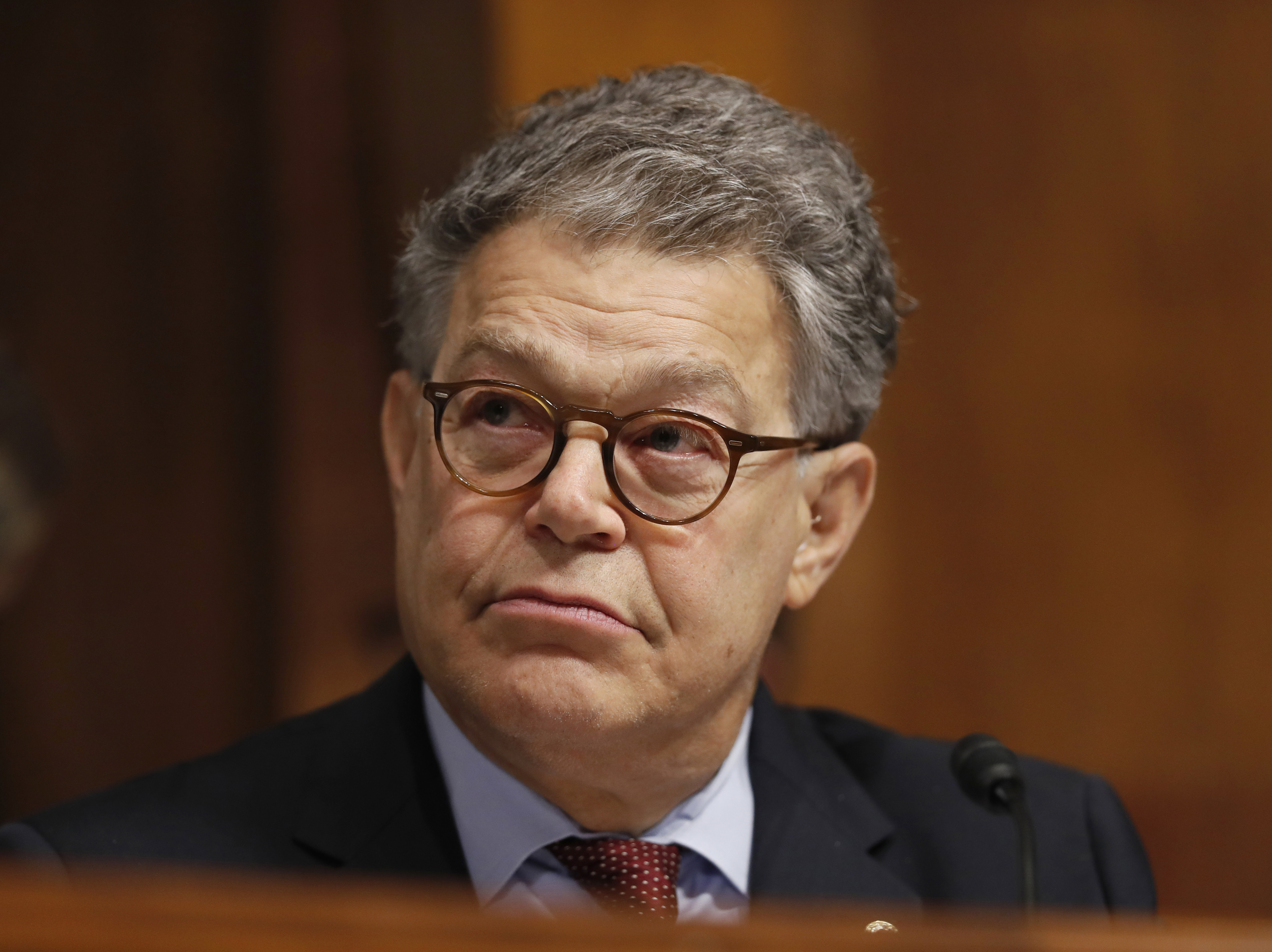
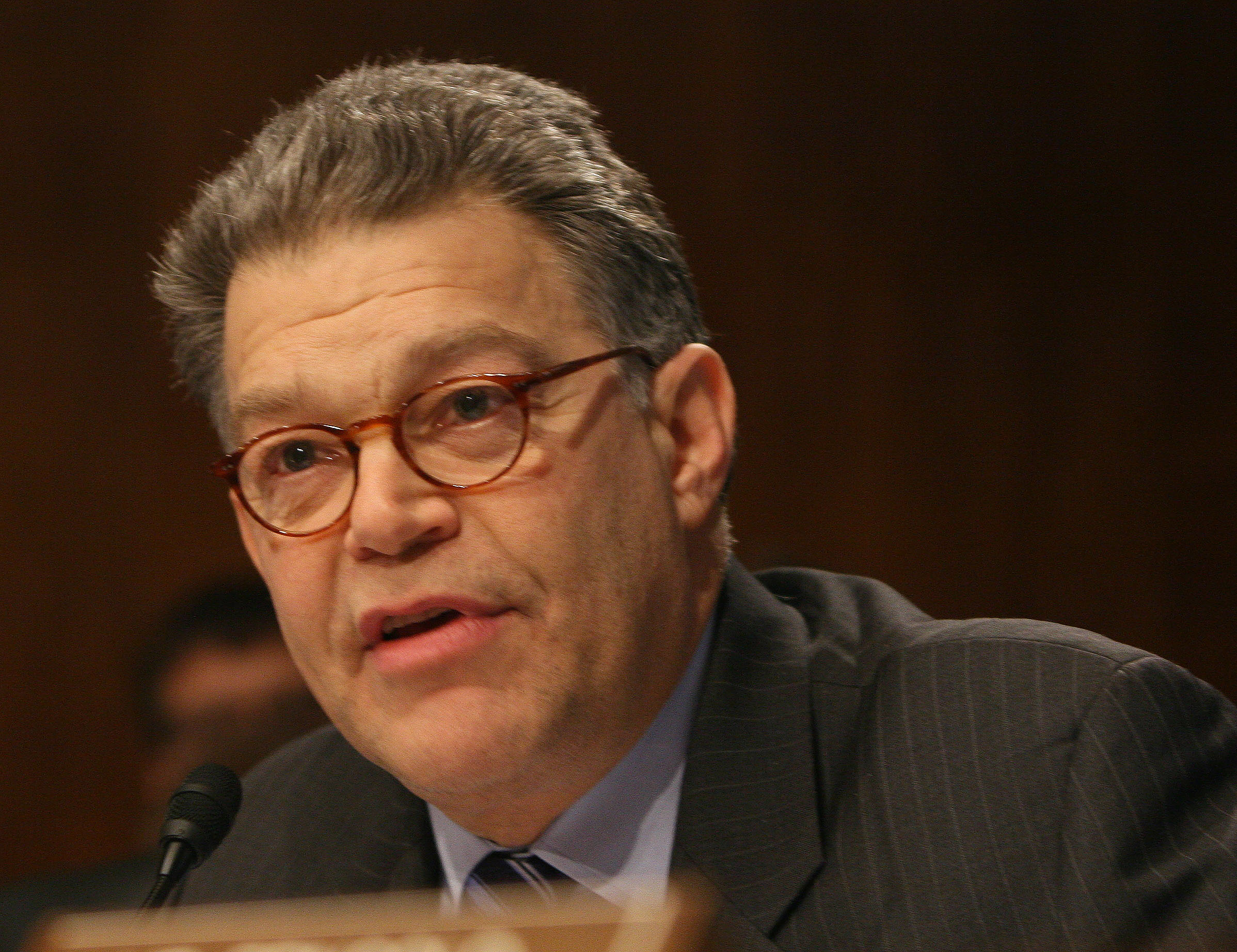
Al Franken is a prominent American comedian, writer, and former politician who served as a United States Senator from Minnesota from 2009 until his resignation in 2018. Initially gaining fame as an original writer and performer on Saturday Night Live, Franken successfully transitioned into political activism and legislative service, where he became a leading progressive voice on healthcare, consumer privacy, and judicial appointments.
The trajectory of Al Franken’s career represents one of the most unusual and debated paths in modern American public life. Known for his transition from a satirical "funny man" to a deeply serious policy wonk, Franken’s tenure in the public eye has been defined by his sharp intellect, his commitment to liberal causes, and a controversial departure from office that continues to spark debate regarding the standards of the #MeToo movement and the internal dynamics of the Democratic Party.
Early Life and the Foundations of Satire
Alan Stuart Franken was born on May 21, 1951, in New York City and raised in St. Louis Park, Minnesota. His early environment was steeped in the values of the post-war Midwest, which often flavored his later comedic and political perspectives. After graduating from Harvard University in 1973 with a degree in political science, Franken teamed up with his childhood friend Tom Davis to form a comedy duo.
The pair’s breakthrough came in 1975 when they were hired as original writers for a new NBC variety show, Saturday Night Live (SNL). During his two decades of intermittent work on the show (1975–1980 and 1985–1995), Franken earned five Emmy Awards for writing and producing. He became a household name not just for his writing but for characters like Stuart Smalley, a self-help guru whose catchphrase—"I'm good enough, I'm smart enough, and doggone it, people like me"—ironically foreshadowed the personal resilience Franken would later need in the political arena.
While SNL provided the platform, Franken’s comedy was often deeply rooted in social and political observation. Unlike many of his peers who focused on slapstick or surrealism, Franken’s work frequently targeted the media’s role in shaping public perception and the absurdity of political posturing. This focus laid the groundwork for his eventual pivot into advocacy and electoral politics.
The Shift to Political Activism and Air America
By the late 1990s, Franken began to distance himself from traditional entertainment to focus on political commentary. He authored several best-selling books that utilized satire to critique conservative media and the George W. Bush administration. Notable titles included Rush Limbaugh Is a Big Fat Idiot and Other Observations (1996) and Lies and the Lying Liars Who Tell Them: A Fair and Balanced Look at the Right (2003).
In 2004, Franken became a primary figure in the launch of Air America Radio, a liberal talk radio network designed to counter the dominance of conservative voices like Rush Limbaugh and Sean Hannity. Hosting The Al Franken Show, he engaged in deep-dive interviews with policy experts, senators, and activists. This period was critical for Franken; it allowed him to shed the "performer" label and demonstrate a rigorous understanding of complex issues like the Iraq War, tax policy, and environmental regulation. His transition from a comedian who joked about politics to a commentator who shaped political discourse was effectively complete.
The 2008 Minnesota Senate Election: A Historic Recount
In 2007, Franken announced his candidacy for the U.S. Senate seat held by Republican incumbent Norm Coleman. The campaign was one of the most expensive and closely watched in the country, characterized by Coleman’s attempts to portray Franken as a "vulgar" comedian and Franken’s focus on middle-class economic concerns.
The 2008 election resulted in one of the narrowest margins in U.S. history. After the initial count, Coleman led by only a few hundred votes, triggering a mandatory manual recount. The process lasted nearly eight months and involved thousands of disputed ballots. According to official records from the Minnesota Secretary of State, the final tally after legal challenges saw Franken prevail by a mere 312 votes.
Franken was finally sworn in on July 7, 2009. His victory was statistically and politically significant because it gave the Democratic caucus a 60-seat "filibuster-proof" majority, which was instrumental in the subsequent passage of the Patient Protection and Affordable Care Act (ACA).
Legislative Impact and Policy Focus
Upon entering the Senate, Franken consciously adopted a "workhorse, not showhorse" persona. He intentionally avoided national media and late-night television for his first several years, focusing instead on committee work and Minnesota-specific issues. He served on the Judiciary Committee; the Health, Education, Labor, and Pensions (HELP) Committee; and the Energy and Natural Resources Committee.
One of his most significant legislative contributions was the Medical Loss Ratio (MLR) provision within the ACA. Often referred to as the "80/20 rule," this provision requires insurance companies to spend at least 80% to 85% of premium dollars on actual medical care or quality improvements, rather than administrative costs, marketing, or executive bonuses. If they fail to meet this threshold, they must issue rebates to consumers.
Franken also became a prominent advocate for:
- Net Neutrality: He was one of the earliest and most vocal proponents of a free and open internet, characterizing it as the "First Amendment issue of our time."
- Privacy Rights: As chairman of the Subcommittee on Privacy, Technology, and the Law, he questioned tech giants like Apple and Google on their data collection practices long before such scrutiny became mainstream.
- Student Debt: He introduced several bills aimed at making college more affordable and simplifying the federal student loan process.
Summary of Al Franken’s Professional Milestones
| Period | Role | Primary Achievement / Focus |
|---|---|---|
| 1975–1995 | SNL Writer/Performer | Won 5 Emmys; created iconic political satire characters. |
| 1996–2003 | Bestselling Author | Published "Lies and the Lying Liars Who Tell Them," critiquing media bias. |
| 2004–2007 | Air America Host | Established a major platform for progressive talk radio. |
| 2009–2018 | U.S. Senator (MN) | Passed MLR provision in ACA; led on tech privacy and net neutrality. |
| 2019–2026 | Media & Punditry | Host of The Al Franken Podcast; contributor to political discourse. |
Resignation and the #MeToo Movement
In November 2017, amid the height of the #MeToo movement, radio host Leeann Tweeden accused Franken of kissing her without consent during a 2006 USO tour and shared a photograph of him appearing to mime touching her breasts while she slept. Following Tweeden’s account, several other women came forward with allegations of inappropriate touching or comments during photo opportunities and campaign events.
The backlash was swift within the Democratic Party. While Franken apologized for his behavior and requested an Ethics Committee investigation into himself, a group of Democratic colleagues, led by Senator Kirsten Gillibrand, called for his immediate resignation. On December 7, 2017, Franken announced he would step down, stating that he could not effectively represent his constituents while undergoing a lengthy ethics probe. He officially resigned on January 2, 2018.
His departure remains a polarizing topic. Critics argue that Franken was denied due process and that his actions, while inappropriate, did not warrant a forced resignation compared to the conduct of other public figures. Supporters of the resignation argue that the Democratic Party needed to maintain a "zero-tolerance" policy to maintain moral authority on women’s rights. In the years since, several senators who called for his resignation have expressed varying degrees of regret, citing the lack of a formal investigation.
Post-Senate Career and Current Status (2026)
Since leaving the Senate, Al Franken has re-emerged as a significant, albeit unofficial, voice in the Democratic Party. He launched The Al Franken Podcast in 2019, which has become a staple for progressive listeners, featuring interviews with high-ranking officials, scientists, and historians. In the current landscape of 2026, he continues to use this platform to analyze legislative trends and campaign strategies.
Franken has also returned to the stage, performing a series of "Only When It’s Funny" comedy tours that blend his satirical roots with his firsthand knowledge of the inner workings of Washington. While there has been perennial speculation about a return to elective office, he has largely focused on supporting other progressive candidates and serving as a media surrogate during election cycles. His focus remains on the intersection of comedy and serious policy, arguing that humor is an essential tool for communicating complex political truths to a weary public.
As of 2026, Franken’s legacy is viewed through a dual lens: he is remembered as a highly effective legislator who mastered the nuances of policy, but also as a cautionary figure regarding the speed of political judgment in the digital age.
Frequently Asked Questions
Did Al Franken win his Senate seat by a large margin?
No, Al Franken’s 2008 win was one of the narrowest in U.S. history. After a grueling eight-month recount and legal battle against Republican Norm Coleman, Franken was declared the winner by just 312 votes. This victory was crucial as it briefly gave Democrats the 60 votes needed to overcome filibusters in the Senate.
Why did Al Franken resign from the Senate?
Franken resigned in early 2018 following several allegations of sexual misconduct, including an accusation of an unwanted kiss and a controversial photo from a 2006 USO tour. Faced with a wave of calls for his resignation from his own Democratic colleagues, he stepped down to avoid becoming a distraction for his party during the #MeToo movement.
What was Al Franken's most significant legislative achievement?
Perhaps his most lasting impact was the Medical Loss Ratio (MLR) amendment to the Affordable Care Act. This law requires health insurance companies to spend the vast majority of premium revenue on actual healthcare rather than administrative costs, resulting in billions of dollars in rebates to American consumers since its inception.
Is Al Franken still involved in politics?
While he does not hold elected office in 2026, he remains highly active in political discourse. Through his podcast and public speaking engagements, he provides analysis on policy and supports Democratic candidates. He is widely considered an influential "elder statesman" within the progressive wing of the party.
What did Al Franken do before entering politics?
Before his political career, Franken was a highly successful comedian and writer. He was a founding member of the Saturday Night Live writing staff, a best-selling author of several political satire books, and a host on the liberal radio network Air America.
Staying Informed on Franken's Current Activities
For those looking to follow Al Franken’s current work or research his legislative history, the most reliable sources are official government archives and his own verified media platforms.
- Legislative Records: To review his voting record and sponsored bills, visit the Congress.gov database and search for "Al Franken."
- Historical Context: The Biographical Directory of the United States Congress provides a formal summary of his service.
- Current Commentary: The Al Franken Podcast remains his primary outlet for policy discussion and can be accessed via major streaming platforms or his official website.
- Public Speaking: For information on his 2026 tour dates or advocacy work, official talent and booking agencies provide the most accurate schedules.