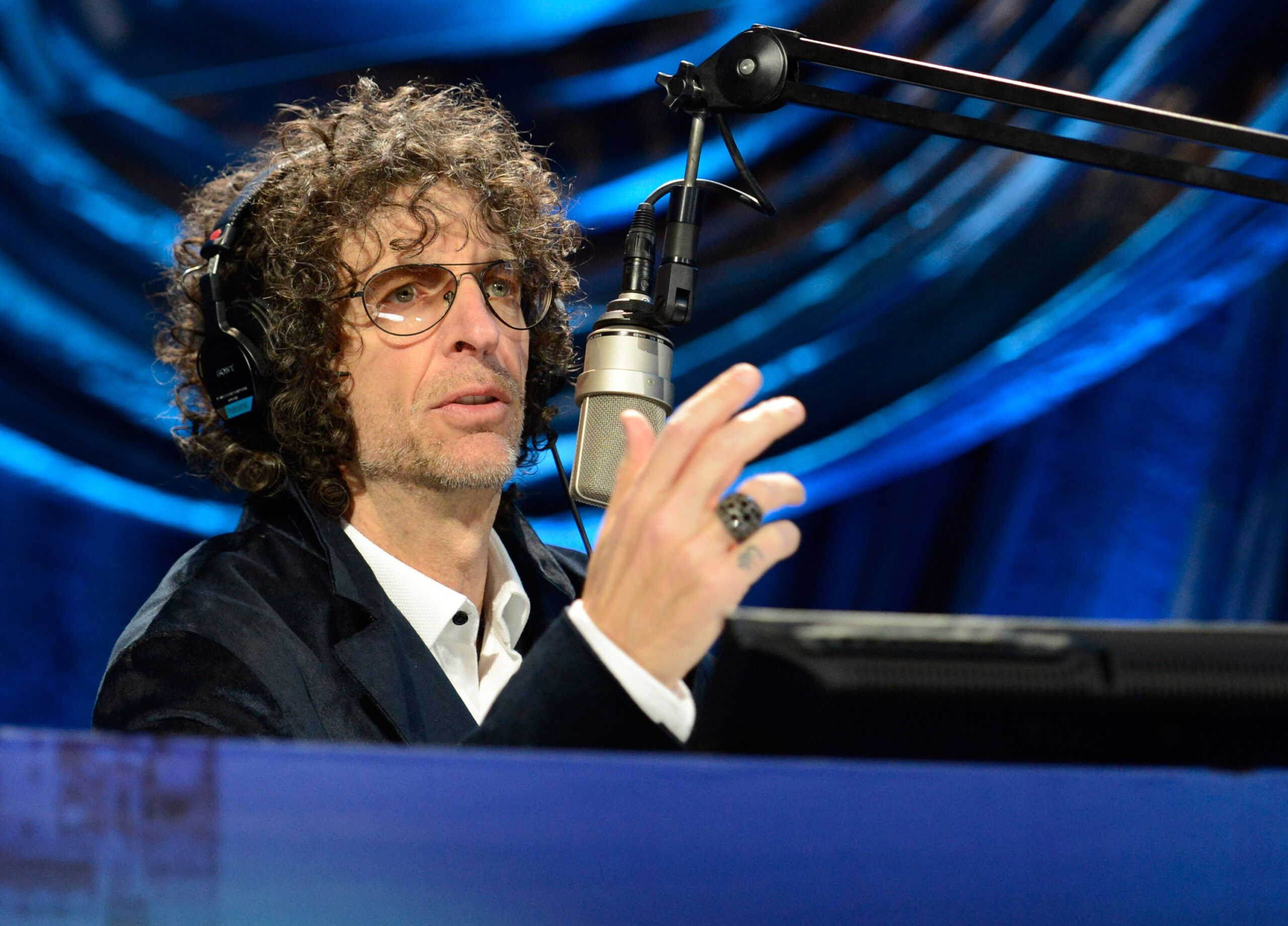
The 1999 radio clash between Al Franken and Howard Stern was a seminal moment in broadcast history, occurring on October 22, 1999, when Franken appeared on The Howard Stern Show to promote his book Why Not Me?. For nearly 45 minutes, the two traded visceral insults and debated the nature of humor, intelligence, and cultural influence in a confrontation that remains a case study in media friction.
In the landscape of 1999 media, Howard Stern was the undisputed "King of All Media," dominating terrestrial radio with a brand of "shock jock" humor that prioritized raw honesty, subversion, and often controversial boundary-pushing. Al Franken, conversely, represented the comedy establishment, an Emmy-winning writer and performer from Saturday Night Live (SNL) who had transitioned into a best-selling political satirist. When these two worlds collided, it wasn't a standard promotional interview; it was a high-stakes psychological battle between two men who fundamentally disrespected each other’s craft.
The Cultural Landscape of late 1999
To understand the intensity of the clash, one must look at the specific environment of the late 1990s. Howard Stern was at the height of his power on WXRK (K-Rock) in New York, syndicated across the country. He was arguably the most influential person in radio, but he was also navigating a tumultuous personal period, having recently separated from his first wife, Allison. This personal stress often manifested in a more aggressive, defensive on-air persona.
Al Franken was in the middle of a career pivot. Having moved away from the day-to-day operations of SNL, he had found massive success with his book Rush Limbaugh Is a Big Fat Idiot and Other Observations. In 1999, he was promoting Why Not Me?, a satirical account of his own fictional run for the presidency. Franken’s humor was intellectual, research-heavy, and targeted at the political elite. To Stern, Franken represented the "smug, liberal elite" that he spent years railing against. To Franken, Stern represented a "bully" culture that lacked true wit and relied on the humiliation of others for ratings.
The Catalyst: Why Not Me? and the Setup
The interview was ostensibly scheduled to discuss Franken’s new book. However, the rapport between the two had been sour for years. Franken had previously been critical of Stern's impact on the culture, and Stern had frequently mocked Franken’s lack of traditional "star power" and his appearance.
When Franken entered the studio, the atmosphere was immediately combative. Unlike many guests who attempted to play along with the show's chaotic energy, Franken arrived with a defensive posture, prepared to challenge Stern on his own turf. This was a rare occurrence for Stern, who was accustomed to guests either being sycophantic or being steamrolled by the "Wack Pack" or the show's producers.
Analyzing the 45-Minute Confrontation
The clash is often remembered for its lack of "dead air." From the moment Franken sat down, the dialogue was rapid-fire. The core of the argument centered on a few primary themes:
1. The Definition of "Funny"
Stern repeatedly attacked Franken’s credentials, claiming that Franken was not actually funny and that his success was a product of the SNL machine rather than individual talent. Franken countered by pointing out the sophistication of his satire compared to what he viewed as the "toilet humor" and "misogyny" of Stern’s program. This debate highlighted the divide between institutional comedy and outsider, counter-culture radio.
2. The Accusation of Bullying
Franken took a direct shot at Stern’s method of interviewing, accusing him of being a bully who only felt strong when he had a microphone and a group of "yes-men" (producers like Gary Dell'Abate and head writer Jackie Martling) behind him. Franken’s strategy was to "deconstruct" the show in real-time, calling out the cues and the ways Stern attempted to manipulate the audience’s perception of the guest.
3. Personal Grievances and Ego
The interview devolved into personal attacks. Stern brought up Franken’s physical appearance and his perceived "arrogance," while Franken poked at Stern’s insecurities regarding his intelligence and his need for constant validation. At one point, the tension peaked when they discussed their respective wealth and influence, with both men attempting to "out-status" the other in the New York media hierarchy.
| Feature | Al Franken (1999 Status) | Howard Stern (1999 Status) |
|---|---|---|
| Primary Medium | Literature / Political Satire | Terrestrial Radio / Syndication |
| Education | Harvard University | Boston University |
| Comedy Style | Structured, Satirical, Political | Observational, Shock, Improvised |
| Current Project | Why Not Me? (Book) | The Howard Stern Show (Radio/E!) |
| Key Criticism | Perceived as "Elitist" and "Smug" | Perceived as "Crude" and "Cruel" |
| Industry Standing | Multi-Emmy Winner (SNL) | "King of All Media" (Rating Juggernaut) |
The Role of the Supporting Cast
A unique element of the 1999 clash was how Stern’s staff participated. In the late 90s, the "Stern show dynamic" involved constant interjections from Robin Quivers, Jackie "The Joke Man" Martling, and Fred Norris. During the Franken interview, these figures acted as a chorus, echoing Stern's insults.
Franken, however, refused to ignore them. He addressed Jackie Martling directly, questioning his contributions to the show’s humor, which further incensed Stern. By refusing to be the "victim" in the studio, Franken forced the show into a stalemate. Usually, a "bad" interview on Stern would result in the guest being mocked after they left; in this case, the mocking happened to their faces, and Franken gave as good as he got.
Legacy and the "Shift" in Perspectives
As of 2026, looking back at this audio nearly 27 years later, the clash is viewed as a turning point for both men. It was one of the last times Stern engaged in that specific brand of high-octane, vitriolic interview before his eventual transition toward the more "prestige" long-form interviewing style he became known for on SiriusXM.
For Al Franken, the interview served as a preview of the "combative intellectual" persona he would later adopt during his time as a U.S. Senator. It showed that he was unwilling to back down from a fight, even in an environment designed to make him look foolish. The audio is frequently circulated in "best of" radio archives because it represents a raw, unedited glimpse into the egos of two media titans who refused to yield.
Why the Clash Still Matters in 2026
The reason this specific 1999 episode remains relevant in 2026 is its authenticity. In an era of highly managed PR, pre-screened questions, and "safe" media tours, the Franken-Stern clash was genuinely dangerous. Neither man knew where the conversation was going, and both were willing to risk their reputations to "win" the exchange.
It also serves as a historical marker for the end of the "Shock Jock" era's absolute dominance. Shortly after this, the rise of the internet and podcasting began to decentralize media power. The 1999 clash was the "Super Bowl" of 20th-century radio friction—a moment where the intellectual establishment and the populist provocateur fought for the soul of the American listener.
Frequently Asked Questions
Did Al Franken and Howard Stern ever reconcile?
Yes, to an extent. While they were never close friends, the vitriol cooled over the decades. In later years, Stern expressed a level of respect for Franken’s political career, and Franken acknowledged Stern’s skill as an interviewer during his SiriusXM era. The 1999 clash is now viewed by both as a product of that specific time and their respective professional pressures.
What was the specific book Al Franken was promoting?
Franken was promoting Why Not Me?: The Inside Story of the Making and Unmaking of the Franken Presidency. It was a satirical novel written as a diary of his run for president as a third-party candidate. The book’s focus on political ego was ironically mirrored in the ego battle that took place during the radio interview.
Why is this considered a "clash" rather than just an interview?
Most radio interviews follow a format of "question and answer." This encounter was almost entirely "assertion and rebuttal." There was very little discussion of the book itself; instead, the 45 minutes were spent attacking each other's characters, careers, and motivations. It is classified as a clash because it was a mutual verbal assault.
Who "won" the debate in 1999?
Public opinion at the time was split. Stern fans believed Howard successfully exposed Franken as a "humorless elitist" who couldn't handle the show's heat. Franken fans (and many media critics) believed Al won by remaining composed and calling out the "bullying" mechanics of the show while standing his ground. In 2026, most historians view it as a draw that benefited both by generating massive publicity.
How can I listen to the full 1999 clash today?
The audio is widely available on various digital archives and fan-curated platforms. Because the show was also filmed for the E! True Hollywood Story style "Howard Stern" TV show, video clips of the confrontation also exist, showcasing the physical tension in the studio, including Franken’s rigid posture and Stern’s animated gesturing.
Analyzing the Media Impact: Next Steps for Researchers
For those interested in the evolution of media discourse, the Franken-Stern 1999 clash provides a wealth of material. To fully grasp its significance, researchers should compare the transcript of this interview with Stern's later interviews of political figures in the 2010s and 2020s.
Key areas for further study include:
- The Evolution of the Interviewer: Contrast Stern’s 1999 aggressive style with his later, more empathetic "psychological" approach.
- The Satirist as Politician: Analyze how Franken’s performance on Stern’s show signaled the rhetorical strategies he would use in Senate hearings years later.
- The Death of Terrestrial Dominance: View this clash as the "peak" of terrestrial radio's cultural gatekeeping before the digital revolution.
Listening to the exchange today offers more than just entertainment; it provides a window into a time when media was centralized, voices were louder, and the "clash" was the primary way cultural differences were litigated in the public square.