Al Copeland was the visionary American entrepreneur who founded Popeyes Famous Fried Chicken & Biscuits and Copeland’s of New Orleans. Known for his flamboyant personality and business acumen, he revolutionized the fast-food industry by introducing spicy Cajun-style recipes to a global audience while building a diversified culinary empire.
As we look at the landscape of the American restaurant industry in 2026, the influence of Alvin Charles Copeland Sr. remains a cornerstone of New Orleans culture and international franchising. From a single struggling restaurant in a Louisiana suburb to a multi-billion dollar legacy, his story is one of high-stakes risks, legendary legal battles, and an unbreakable commitment to flavor. Understanding Al Copeland requires looking beyond the fried chicken to the complex business structures, proprietary seasonings, and philanthropic efforts that continue to define his name nearly two decades after his passing.
The Genesis of an Empire: From "Chicken on the Run" to Popeyes
Alvin Charles Copeland Sr. was born in 1944 into humble beginnings in New Orleans. A high school dropout who began his career working at a Tastee-Freez, Copeland was a natural-born salesman with an obsession for quality. In 1972, he opened a small restaurant called Chicken on the Run in Arabi, Louisiana. Initially, the restaurant served traditional, mild southern fried chicken. It was a failure.
Recognizing that he needed a differentiator in a market dominated by Kentucky Fried Chicken, Copeland went back to the drawing board. He experimented with traditional Cajun and Creole spices, creating a "spicy" alternative that reflected the bold flavors of his hometown. He renamed the restaurant Popeyes Famous Fried Chicken, not after the cartoon character, but after Detective Jimmy "Popeye" Doyle from the film The French Connection.
The spicy recipe was a revelation. By 1976, Copeland began franchising the brand, and by the mid-1980s, Popeyes had become the third-largest quick-service chicken chain in the United States. The success was built on a unique proprietary spice blend that was kept under strict lock and key, a business tactic that would later become a critical asset during his financial restructuring.
The Church’s Chicken Acquisition and Financial Turmoil
In 1989, Al Copeland made a bold move that would change the trajectory of his career. He launched a $392 million leveraged buyout of Church’s Chicken, a competitor that was significantly larger than Popeyes at the time. This move effectively doubled his empire overnight, making him a dominant force in the global chicken market.
However, the acquisition was fueled by massive debt. The timing coincided with an economic downturn and shifting consumer habits, leaving Copeland’s company, Al Copeland Enterprises, struggling to meet its interest payments. By 1991, the company was forced into Chapter 11 bankruptcy.
The resulting fallout led to Copeland losing ownership of the Popeyes brand to his creditors, who eventually formed AFC Enterprises (now part of Restaurant Brands International). However, in a masterstroke of business strategy, Copeland did not lose everything. He retained the rights to the "secret" spice recipes and established a separate entity to manage them.
Diversified Foods & Seasonings: The Hidden Powerhouse
Even after losing control of the Popeyes restaurant chain, Al Copeland remained a billionaire in influence and revenue through Diversified Foods & Seasonings (DFS). This company was the manufacturing arm that produced the proprietary spice blends, batters, and sauces required by every Popeyes franchise globally.
For decades, the owners of Popeyes were contractually obligated to pay Al Copeland (and later his estate) an annual royalty for the use of the recipes, in addition to purchasing the physical product from DFS. This arrangement provided a massive, stable stream of income regardless of who owned the storefronts.
Key Business Entities Founded by Al Copeland
| Entity | Primary Industry | Status as of 2026 | Key Contribution |
|---|---|---|---|
| Popeyes | Fast Food / QSR | Global Brand | Introduced spicy Cajun chicken to the masses. |
| Copeland’s of New Orleans | Full-Service Dining | Active / Family Owned | Upscale Creole-inspired "scratch" cooking. |
| Diversified Foods (DFS) | Food Manufacturing | Industry Leader | Manufacturer of proprietary spice blends and sauces. |
| Al Copeland Foundation | Philanthropy | Active | Funding research for Merkel cell carcinoma. |
| Cheesecake Bistro | Casual Dining | Operational | Expanded the brand into the bakery/bistro segment. |
In 2014, long after Copeland’s death, Popeyes (then owned by AFC Enterprises) finally purchased the rights to the recipes from the Copeland family for approximately $43 million. However, Diversified Foods & Seasonings remains a primary supplier for the chain, showcasing how Copeland built "moats" around his intellectual property that lasted for generations.
Copeland’s of New Orleans and Culinary Innovation
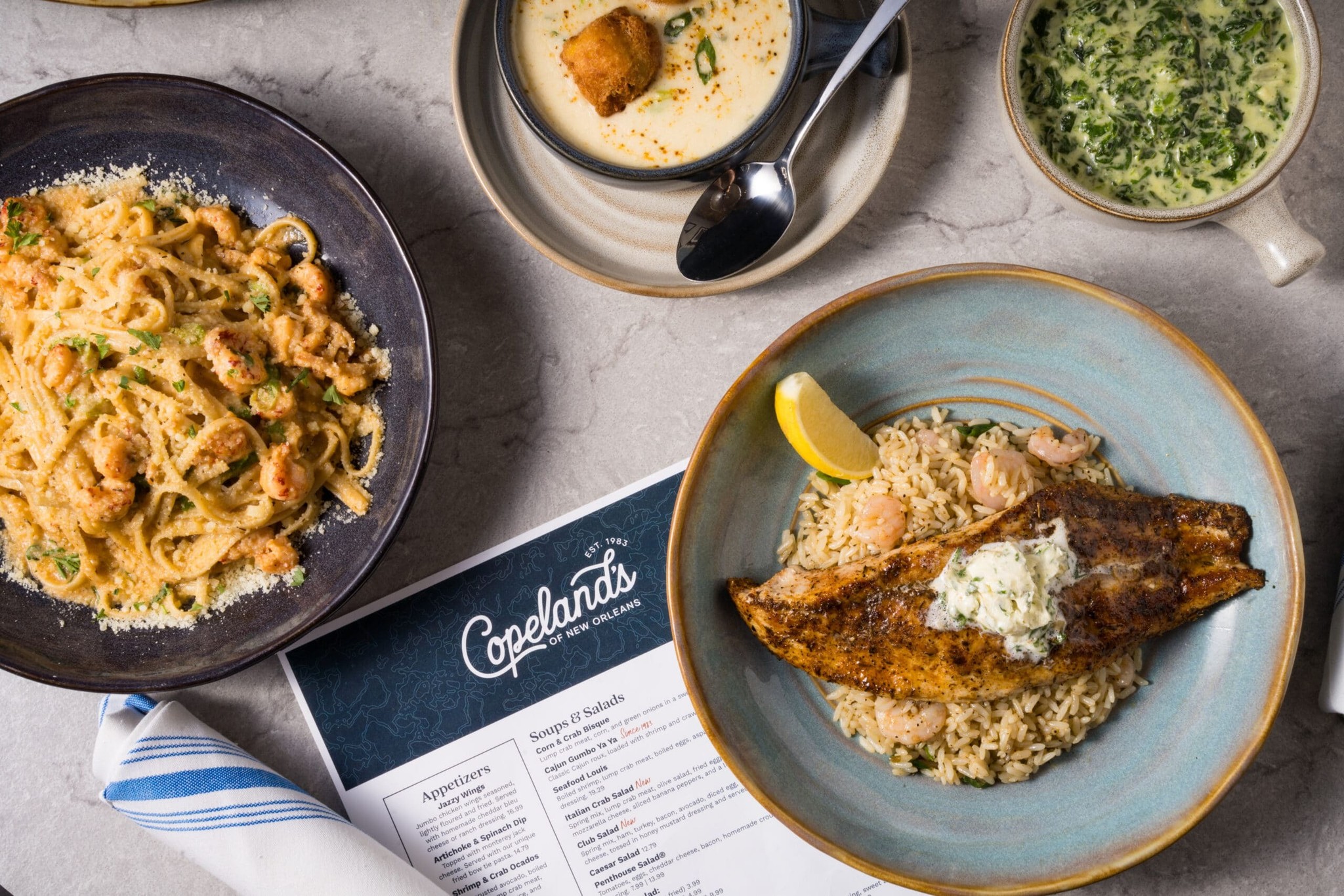
While Popeyes made him a household name, Copeland’s of New Orleans was Al Copeland’s culinary passion project. Launched in 1983, the restaurant chain focused on full-service, upscale-casual dining. Unlike the fast-food model, Copeland’s focused on "from scratch" kitchens, where complex sauces and New Orleans staples like Crawfish Etouffée and Jambalaya Pasta were prepared daily.
Copeland was known for his "hands-on" approach to menu development. He would often spend weeks in the test kitchen perfecting a single dish. His goal was to export the authentic taste of New Orleans to the rest of the country. As of 2026, the Copeland family continues to operate and franchise these locations, maintaining the high standards of quality and the "more is more" philosophy—large portions, rich flavors, and an extensive menu—that Al pioneered.
A Flamboyant Legacy: Powerboats and Christmas Lights
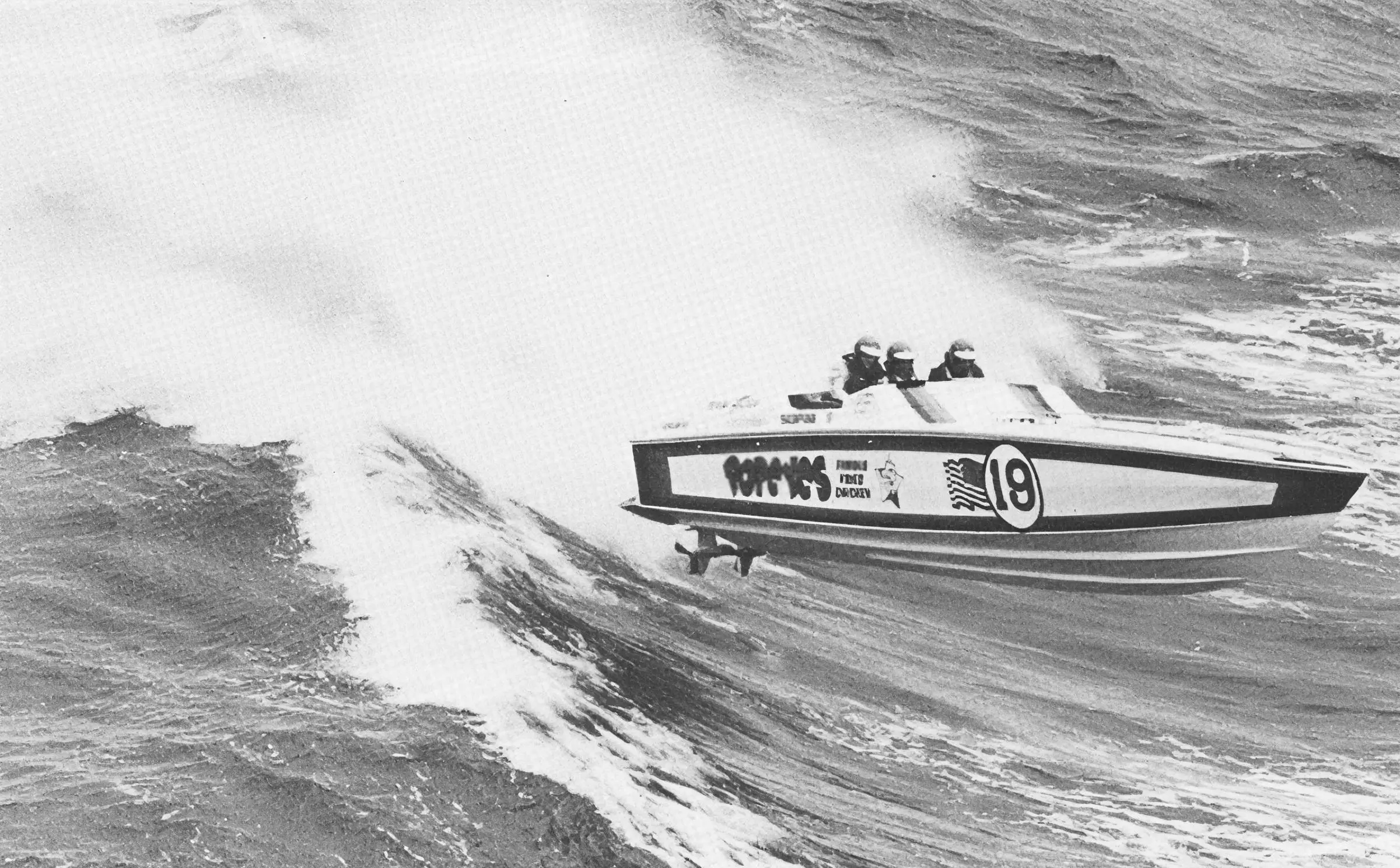
Al Copeland was as famous for his lifestyle as he was for his chicken. He was a larger-than-life figure who embodied the spirit of New Orleans. One of his most visible passions was offshore powerboat racing. He founded the Popeyes Offshore Racing Team, driving high-performance catamarans to multiple world championships. This was not just a hobby; it was a branding exercise that associated the Popeyes name with speed, power, and victory.
Perhaps his most legendary contribution to local culture was his annual Christmas light display at his home in Metairie, Louisiana. The display featured hundreds of thousands of lights, animatronics, and even a working train. It became so large that it drew tens of thousands of visitors, leading to traffic jams and famous legal disputes with neighbors that reached the Louisiana Supreme Court. Despite the controversy, the display became a beloved holiday tradition, reflecting Copeland’s desire to do everything on a grand scale.
The Al Copeland Foundation and Cancer Research
Al Copeland passed away in March 2008 at the age of 64 after a battle with Merkel cell carcinoma, a rare and aggressive form of skin cancer. In the wake of his death, his children established the Al Copeland Foundation (ACF).
The foundation’s mission is to find a cure for the cancer that took his life. By 2026, the ACF has raised millions of dollars, partnering with institutions like the LSU Health Sciences Center to fund clinical trials and research. The "Copeland’s Cure" initiative has made significant strides in immunotherapy treatments, turning a personal tragedy into a legacy of hope for others facing rare cancers. This philanthropic arm has ensured that the Copeland name is associated not just with entrepreneurship, but with life-saving medical advancement.
FAQs About Al Copeland
What was Al Copeland's net worth at the time of his death?
At the time of his death in 2008, Al Copeland’s net worth was estimated to be in the hundreds of millions. While he lost ownership of the Popeyes brand in the 1990s, his ownership of Diversified Foods & Seasonings, his various restaurant chains, and the ongoing royalties from the Popeyes recipe ensured he remained one of the wealthiest individuals in the South.
Did Al Copeland own the Popeyes brand when he died?
No, he did not own the Popeyes brand itself. He lost control of it during the 1991 bankruptcy. However, he remained the exclusive supplier of the brand’s spices through his company, Diversified Foods & Seasonings, and held the intellectual property rights to the recipe until his estate sold them in 2014.
Why is the spice recipe for Popeyes so significant?
The "spicy" flavor profile was the primary differentiator that allowed Popeyes to compete with larger chains. Copeland’s legal and business brilliance was in separating the restaurant ownership from the recipe ownership. This meant that even when the restaurants were sold, the new owners could not legally make the chicken without paying him for the recipe.
How did Al Copeland contribute to New Orleans culture?
Beyond his business ventures, Copeland was a cultural icon. He popularized Cajun-style food globally and was known for his philanthropic efforts, his world-champion boat racing, and his legendary Christmas light displays. He represented the "self-made man" ideal and was a major employer in the Gulf South region.
What happened to the Christmas lights after he died?
Following his death, the massive display at his home was eventually scaled back, but the tradition was preserved. Parts of the display were donated to the Lafreniere Park Christmas in the Park event, ensuring that the community could still enjoy the spectacle Al Copeland had spent decades perfecting.
How to Experience the Copeland Legacy Today
To truly understand the impact of Al Copeland in 2026, one should look at the intersection of business, food, and charity. If you are looking to engage with his legacy, there are three primary avenues:
- Culinary Exploration: Visit a Copeland’s of New Orleans location to experience the "scratch-made" Creole cuisine that Al personally developed. It remains a benchmark for consistent, high-quality New Orleans dining.
- Philanthropic Support: Engage with the Al Copeland Foundation. Their ongoing work in cancer research is a testament to the family’s commitment to community health and medical progress. Supporting their events, such as the annual golf tournaments or gala dinners, directly funds rare cancer research.
- Business Study: For entrepreneurs, the study of Al Copeland’s life offers a masterclass in intellectual property protection and brand differentiation. His ability to lose a brand but keep the recipe is a classic case study in business schools regarding the importance of owning the "means of production" and core IP.
Al Copeland was more than a restaurateur; he was a force of nature who took the flavors of Louisiana to the world stage. Whether through a piece of spicy chicken or a breakthrough in cancer research, his influence remains a vibrant part of the American fabric in 2026.