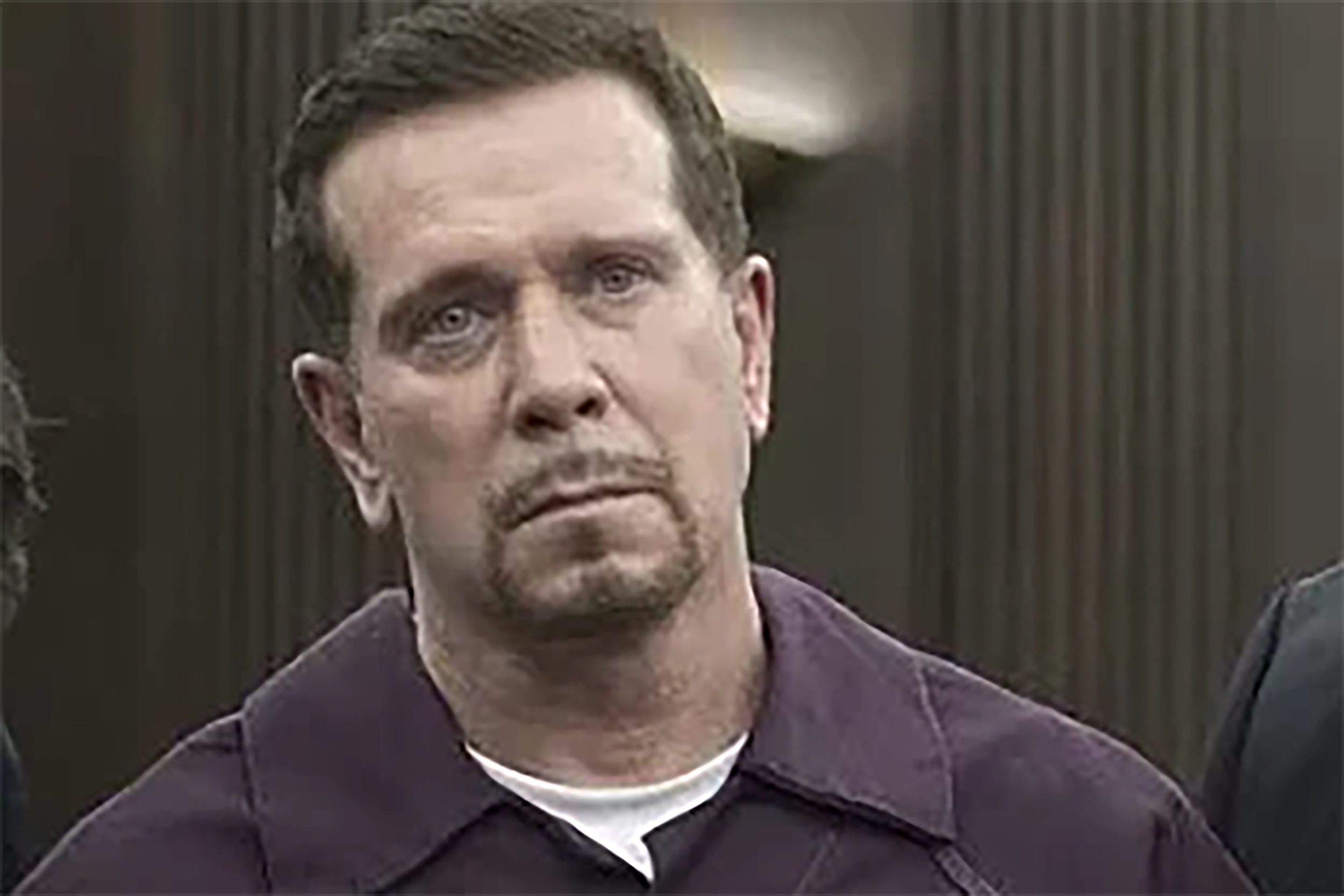
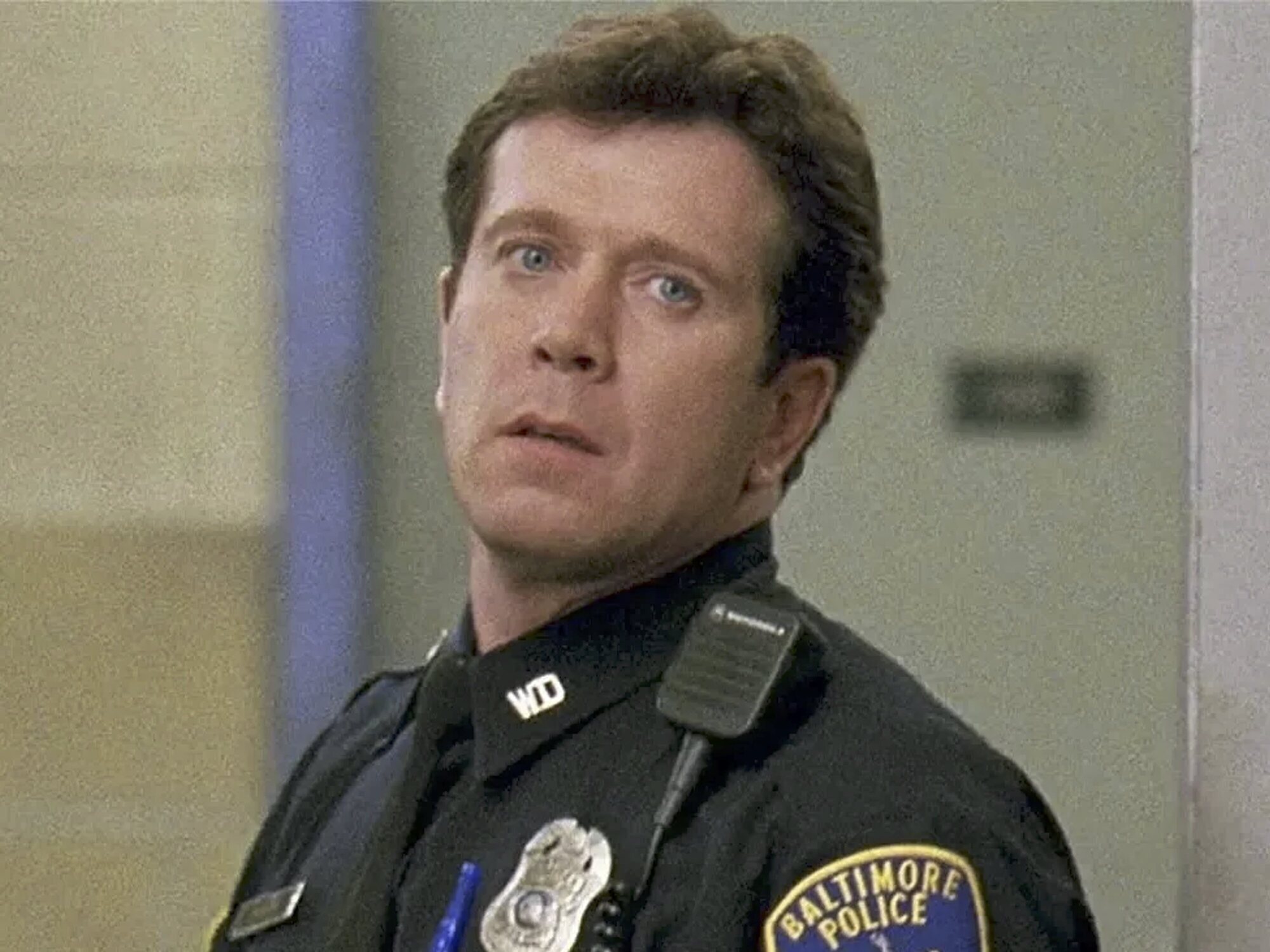
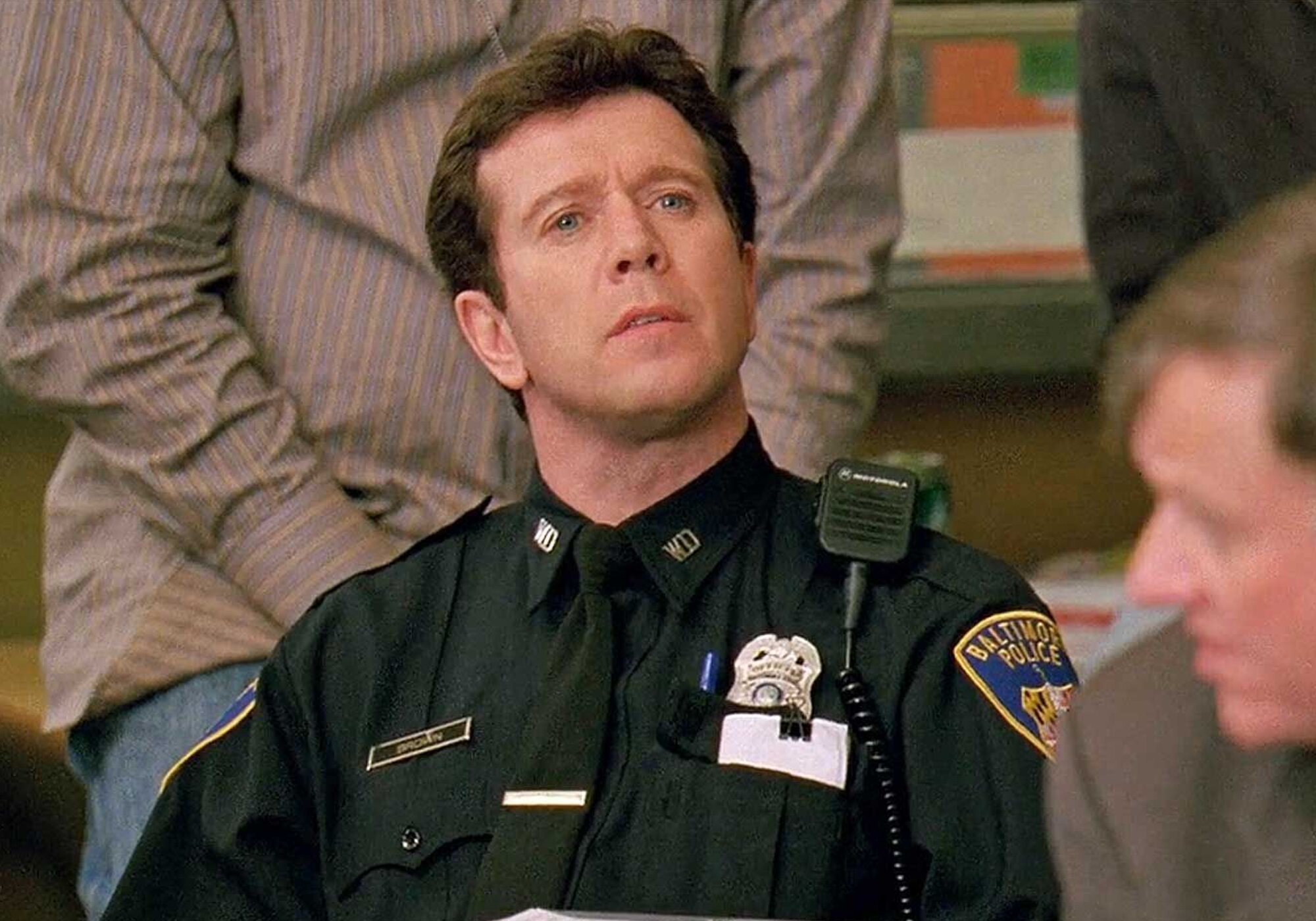
Al Brown was the veteran actor best known for his portrayal of Commissioner Stanislaus "Stan" Valchek on the seminal HBO series The Wire. While many viewers recognized him as the petty, politically motivated police official, his "untold story" encompasses a late-blooming acting career, a background in the United States Air Force, and a legacy of authenticity that helped define the gritty realism of David Simon’s Baltimore.
Who Was Al Brown? Beyond the Badge of Stan Valchek
To understand the "untold story" of Al Brown, one must look past the silver hair and the commander's bars of Stan Valchek. Born in 1939, Brown did not follow the traditional trajectory of a Hollywood star. He spent a significant portion of his early life serving his country, spending 29 years in the Air Force. This military background provided him with a disciplined bearing and a natural command of authority that he would later leverage in his performance as one of Baltimore’s most polarizing fictional police figures.
Brown’s transition into acting occurred much later in life than most of his peers. He was a quintessential "character actor"—a performer whose face is often more recognizable than their name. Before landing his career-defining role on The Wire in 2002, Brown appeared in various television movies and minor roles in films such as 12 Monkeys and The Replacement. However, it was his casting as the Polish-American district commander that secured his place in television history.
His portrayal of Valchek was nuanced; he didn't play the character as a mustache-twirling villain, but rather as a man completely absorbed by the institutional dysfunction of the Baltimore Police Department. Brown understood that in the world of The Wire, the tragedy wasn't just the crime on the streets, but the ego-driven politics within the precinct walls.
The Casting of a Legend: How Al Brown Joined The Wire
The casting process for The Wire was notoriously rigorous, led by Alexa L. Fogel and encouraged by creator David Simon’s desire for local authenticity. Simon wanted actors who looked like they belonged in Baltimore—men and women who carried the weight of the city in their posture and speech.
Al Brown, with his rugged features and no-nonsense delivery, fit the mold of a high-ranking officer in a city where the police department was as much a political machine as a law enforcement agency. The "untold story" of his casting lies in how easily he stepped into a role that required a balance of comedy and corruption. Valchek was often the catalyst for the show’s most significant plot shifts, most notably in Season 2, when his personal vendetta against Frank Sobotka over a church stained-glass window triggered the investigation into the Baltimore docks.
Brown’s ability to play "petty" with absolute sincerity made the character work. Many actors would have played the "stained-glass window" plotline for laughs, but Brown played it with a sense of righteous entitlement that highlighted the absurdity of how major police resources are often deployed for personal reasons.
The Untold Complexity of Stan Valchek
While many fans remember Valchek as the man who eventually rose to the rank of Commissioner through sheer political maneuvering, the depth Brown brought to the role is often overlooked in shorter retrospectives. Valchek represented the "old guard" of the police department—a man more concerned with tradition, neighborhood politics, and his own standing than with the "stats" that obsessed men like Rawls or Burrell.
The Polish Pride and the Sobotka Feud
One of the most critical aspects of Al Brown’s performance was his depiction of ethnic identity within the Baltimore landscape. As a Polish-American officer, Valchek’s rivalry with the International Longshoremen's Association (ILA) was not just professional; it was tribal. Brown captured the nuances of this specific subculture, showing how deep-seated communal rivalries could derail city-wide law enforcement efforts.
A Mentor to Herc and Prez
In a surprising turn of character development, Valchek was the father-in-law of Roland "Prez" Pryzbylewski. Brown’s interactions with Jim True-Frost (Prez) showed a different side of the character: a man who looked out for his "own," even if his "own" was a bumbling officer who didn't belong on the street. Later, his interactions with Herc (Domenick Lombardozzi) highlighted how Valchek’s brand of cynical politics could corrupt the next generation of officers.
Real Baltimore vs. Fiction: Al Brown’s Authentic Connection
Though The Wire is a work of fiction, it is famously grounded in real-life figures and events. While characters like Omar Little and The Bunk were based on specific individuals, Stan Valchek was a composite of various political and police figures David Simon encountered during his time as a reporter for The Baltimore Sun.
Al Brown became an unofficial ambassador for the show’s legacy. Unlike some actors who move on from their most famous roles, Brown remained deeply connected to the Baltimore community and the show’s fanbase. He was known for his humility and his willingness to discuss the show’s social commentary long after the series finale aired in 2008.
In the years leading up to 2026, retrospectives have increasingly focused on how actors like Brown provided the "connective tissue" of the show. While the lead actors portrayed the tragic heroes and villains, it was the middle-management characters like Valchek who demonstrated how the system actually functioned (or failed to function).
Comparing the Hierarchies: Valchek vs. Other Departmental Figures
To understand the specific niche Al Brown filled in The Wire, it is helpful to compare his character, Stan Valchek, with the other high-ranking officers in the Baltimore Police Department.
| Feature | Stan Valchek (Al Brown) | William Rawls (John Doman) | Ervin Burrell (Frankie Faison) |
|---|---|---|---|
| Primary Motivation | Personal pride, status, and tribalism (Polish identity). | Institutional efficiency and career advancement. | Political survival and appeasing the Mayor's office. |
| Management Style | Petty, vindictive, but fiercely loyal to his circle. | Ruthless, foul-mouthed, and strictly "by the numbers." | Cautious, bureaucratic, and prone to manipulation. |
| Source of Power | Deep political roots and neighborhood connections. | High technical competence and intimidation. | Ability to navigate the racial politics of City Hall. |
| View of the "Work" | A means to settle scores and maintain influence. | A game of statistics and "clearing the board." | A delicate balancing act of public relations. |
| Character Outcome | Reached Commissioner (Full circle of the "game"). | Reached Deputy Commissioner / Acting Commissioner. | Forced into early retirement/consultancy. |
The Legacy of Al Brown in the Baltimore Community
Al Brown passed away in January 2023 at the age of 83. In the years since his passing, his legacy has only grown as The Wire continues to be studied in universities and viewed by new generations. His daughter, Jenny Redifer, noted upon his passing that he loved fans of the show and would often stop to talk with anyone who recognized him on the street.
The "untold story" of his later years was one of quiet dignity. He didn't seek the limelight of Hollywood; instead, he remained a quintessential East Coast presence. His performance as Valchek is now cited by acting coaches as a masterclass in "living the role." He didn't have to shout to be commanding; he simply had to be Al Brown.
In 2026, as we look back on the 20-plus years since the show premiered, Brown’s contribution is viewed as essential. Without the believable presence of men like him, the social critique of The Wire would have felt like a lecture. Instead, because of Brown's grounded performance, it felt like history.
Frequently Asked Questions
Was Al Brown a real police officer before acting?
No, Al Brown was not a police officer. However, he served 29 years in the United States Air Force. This extensive military background provided him with the necessary experience in rank, hierarchy, and institutional protocol to convincingly play a high-ranking police official like Stan Valchek.
How did Al Brown die?
Al Brown passed away in January 2023 at the age of 83. His daughter confirmed that he died in Las Vegas, Nevada, following a battle with Alzheimer’s disease. His passing was met with a massive outpouring of tributes from his The Wire co-stars and creator David Simon.
Did Al Brown appear in other famous shows or movies?
While The Wire was his most famous role, Al Brown had a productive career as a character actor. He appeared in the film 12 Monkeys (1995), The Replacements (2000), and television series such as Law & Order: SVU, Rescue Me, and Forensic Files. He was frequently cast as authority figures, such as judges, officers, or doctors.
Is the character Stan Valchek based on a real person?
Stan Valchek is not based on one single person but is a composite of several Baltimore Police Department figures. David Simon and Ed Burns used the character to represent the political and ethnic factions within the city's police force, specifically the influence of the Polish-American community in Southeast Baltimore.
Why was Stan Valchek’s character so important to the plot of The Wire?
Valchek served as a "chaos agent." His personal petty grievances often triggered massive shifts in the narrative. For example, his obsession with a church window led to the Season 2 investigation of the Greek crime syndicate. He also represented the cyclical nature of the "game," ending the series as the very thing he once mocked: a politically placed Commissioner.
Final Perspective on the Al Brown Legacy
For those looking to truly appreciate the "untold story" of Al Brown, the best course of action is a focused re-watch of Season 2 and Season 5 of The Wire. Pay close attention to the economy of his movements and the subtle shifts in his expression when Valchek is navigating a political minefield.
Beyond the screen, supporting veterans' arts programs is a fitting way to honor Brown's 29-year military service and his late-career success in the performing arts. His life serves as a reminder that it is never too late to pursue a passion and that the most enduring performances are often built on a foundation of real-world experience and personal integrity.